The Full Moon Effect, aka The Lunar Effect
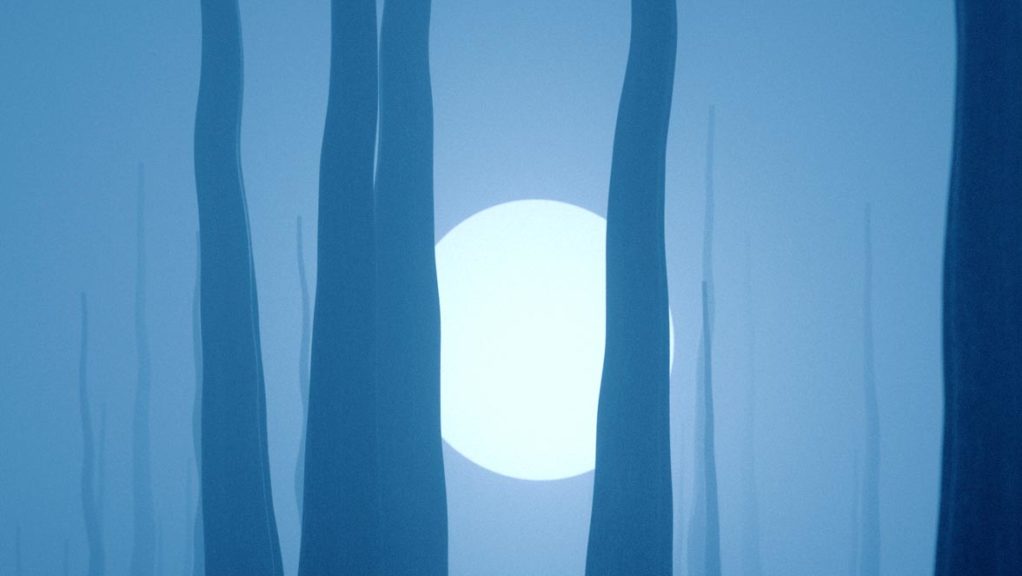
For centuries, the moon has been one of the cosmic bodies said to change the characteristics of a person. Its ability to transform one from within comes from a long line of belief that it has the power to change a person’s inner molecular structure even if just for a moment. Bards sang tales about how people changed in mood, physique, and even in personality whenever the moon was full. The lunar effect even worked it’s way into the English language providing the etymological origin for the word lunacy.
Neurotic behavior was common and there are even many stories that tell of those who change into savage wolves on a full moon’s night. It is said that once the full moon passes the person has minimal or no recollection of any changes. The biggest question is whether there is any correlation with full moons and behavior change or people acting strangely. And for the most part, it seems that answer is yes, but it depends on many things which include the date, time, year, location, zodiac sign, emotional state, and one’s spiritual maturity.
The Effects Of Full Moon on Emotions
In general, the moon is connected to our emotional selves. Many of the full moon effects on human behavior and emotions are hidden deep within our subconscious. So when the moon is full, it emits energy that greatly affects us all personally as well as collectively.
Each week that passes, the moon transits through each zodiac house clearing its path from whatever debris is in its way. The elements it clears and/or reboots are actually energy vessels that are connected to our soul. The full moon ruffles this bridge that connects us within, causing changes.
Some of these adjustments are subtle while others are drastic, and that is why you see many acting out of character. For the most part, though it is not out of character, it is actually their true selves presenting to the world. To themselves or peers this may appear to be out of the norm because the person does not know how to manage this abrupt inner change. And since the jolt of energy is potent many are not spiritually and/or emotionally equipped to handle it.
Connecting With the Full Moon
You can build a relationship with the full moon and keep track of how it affects you personally. Dedicate time for meditation, inner journeys, and connect with your body’s structural components.
For at least three consecutive months see what date the full moon falls on and if possible (but not necessary) what zodiac sign it is in. If you find out what zodiac sign it’s transiting through, then look at some of the characteristics of that sign to help with your notes. Have a journal handy and write down the changes you feel or what others may see in your temperament for the three days prior and the three days after the full moon.
Although the full moon has a date on the calendar, it is said that its energy lingers within the week it is in transit. Connect with this energy for your unique personal experience. Let the full moon set clarity on your path and help you shed any emotional baggage.
This month of July blesses us with not one but two full moons. This rare occasion literally only happens once every two or three years, and it’s always packed with potent vibrations for all.
“When two full moons occur in a calendar month it is often referred to as a blue moon and many use the phrase, ‘once in a blue moon’ because it’s associated with something that is rare.”
But the blue moon is a term that is fairly new; an older explanation is that it is either a third or fourth full moon that happens in a season. Since we are still in the summer season it would be our third full moon thus far.
Learn More About Astrology
Common Traits for Full Moons for Each Zodiac Sign
FULL MOONS FOR ARIES
For Aries, it would be all about mastering time. You love to have things in order so when there is a full moon this can be a very productive time. Looking your best and showing others you are capable of being a responsible asset to society is essential. During this time you can also experience many enlightened conversations. It would also be wise to watch income until after the full moon.
FULL MOONS FOR TAURUS
Full moons bring beauty for Taurus. You beautify your home as well as make changes in image. Creativity is heightened especially in the kitchen. Cooking, baking, and creating, in general, are important during this time. This is also a great time for budgeting and seeing how much you can save for the upcoming months. Communication can be troublesome but with your positive spirits, you will overcome.
FULL MOONS FOR GEMINI
The energy in full moons brings the talkative character out of Gemini. Chatting via email or phone calls from those you know from all over makes this air sign quite happy. Finances can be stale, but this quickly turns around once the full moon is over. During this time revelations are also possible. It is beneficial for Geminis to write down ideas and talk about them with investors.

FULL MOONS FOR CANCER
For Cancers, full moons can be extreme in the sense that you never know what you will get out of them. It is nostalgia and hopes mixed all into one. Laugh and cry about the past, but don’t let it consume you. Communicate with your partner(s) and family about your needs. Full moons also bring rejuvenation, so make sure to tend to your spiritual side. Be spontaneous with others.

FULL MOONS FOR LEO
The energy of full moons brings detail for Leos. It is important to pay attention to your thoughts, actions, paperwork, and anything having to do with long-term commitments. Projects can pick up, and using your networking skills will show to bring abundance. Full moons also stimulate the need for hydration. Health comes to center stage so that you can tend to anything and everything.

FULL MOONS FOR VIRGO
The full moon brings travel for Virgo. This can be either physical or spiritual. Personal journeys are important for this Earth sign because it helps you with grounding. This phase also ignites expression. Singing, writing, and dancing soothe the soul and also attracts more people to your social circle. Family is also important around this time, and it would benefit to show them you love them.
FULL MOONS FOR LIBRA
For Libras, full moons emphasize the need for love. Your affectionate side shows and many are fortunate to experience this side of you. Full moons also bring liberation, but only if you are a positive Libra. It would be beneficial to keep a list of the pros and cons of different things in your life. Once the full moon is over you will have the clarity you need to answer many of your own questions.

FULL MOONS FOR SCORPIO
The energy of full moons creates laughter for Scorpios. At first, they can take things personally but then realize that life is too short to waste it on drama. Speak your mind, but don’t let others attack your tender heart. This time also brings flames of passion. Bring those you love close to you, share moments of bliss, and create long-lasting memories. In finances double-check invoices.

FULL MOONS FOR SAGITTARIUS
Full moons bring stimulation to your intellectual side, Sagittarius. Your mind craves conversations and knowledge about everything. Connect with those who are outside of your normal social circle to reap the most benefits of this energy. The full moon also brings togetherness. Move all relationships in the right direction with your compassionate heart.

FULL MOONS FOR CAPRICORN
For Capricorn’s full moon, energy can bring some aggravation but only because you will have less tolerance for mistakes. This madness quickly turns around, though, when you realize that you are handling others without a care. Your natural side takes over and turns your perspective into kindheartedness. Many reach out to seek your companionship. You are loved by many and they show it.

FULL MOONS FOR AQUARIUS
The energy of full moons stimulates your need for balance. Your senses will tell you exactly what it is you need to set things right on your path; it’s just a matter of listening to yourself, Aquarius. This energy also brings expansion. Your mind activates so that you can receive and/or bury futuristic ideas. Review your life with a compassionate eye and make changes where necessary.

FULL MOONS FOR PISCES
Full moons bring options for Pisces. The phrase “when one door closes the other opens” deems true, and this energy blasts opportunity for change. Some will reap its rewards while others will float in a bubble-like dream of emotions. This dream-like state can bring revelation. It is important to clearly communicate your needs to others. If others don’t listen verbally, then look for alternative ways to say what you need to say.
About the Author
1111 Spiritual Meaning and How to Interpret Its Message
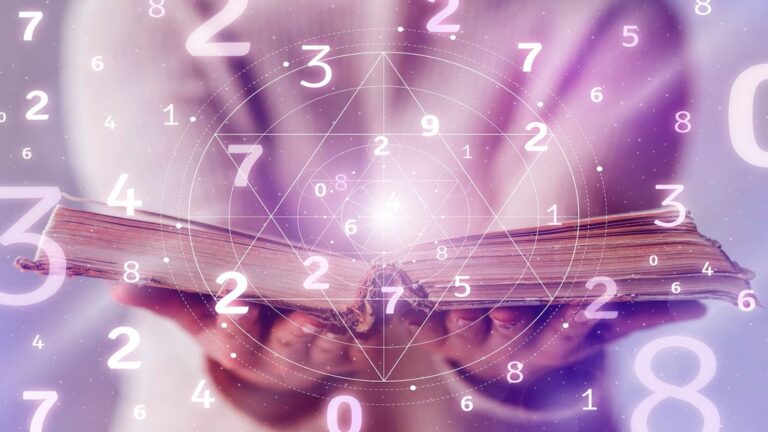
Do you see 11:11 over and over again on clocks, receipts or screens? This phenomenon goes beyond mere coincidence and is associated with spiritual messages, synchronicities and the awakening of consciousness. In this article we explore its symbolism, its connection to consciousness and how you can use its energy to enhance your personal and spiritual development.
Table of Contents
- What Is the Sacred Code 11:11?
- The Spiritual Meaning of 11:11
- 11 as a Master Number
- Why Do You See 11:11 Everywhere?
- What to Do When You See 11:11?
- How to Use the Sacred Code 1111 in Your Life
- Other Numbers That Often Accompany 11:11
What Is the Sacred Code 11:11?
The 11:11 is a numerical code with a high spiritual vibration that acts as an energetic portal. Its constant presence indicates an alignment with the universe and a call for expansion of consciousness. In numerology, the number 11 is a “master number” associated with intuition, enlightenment, and spiritual awakening. When repeated in the sequence 11:11, its influence is multiplied and becomes a clear message of transformation and manifestation.
This code is also linked to the concept of synchronicity, a phenomenon in which certain events present themselves at key moments to guide us on our path. Seeing 11:11 repeatedly is a sign that you are at the right time to become aware of your purpose, strengthen your connection to the universe and take advantage of new opportunities for spiritual growth.
The Spiritual Meaning of 11:11
The 11:11 is an activation code that drives the expansion of consciousness. Its recurring appearance indicates that you are in tune with your true essence and that the universe is sending you signals to guide your evolution. It is a reminder that your thoughts and energy are aligned with your purpose, allowing you to move forward with greater clarity on your spiritual path.
It is also closely linked to manifestation. In the Law of Attraction, it is considered a portal that enhances the materialization of intentions. When it appears, it is the ideal time to focus on positive thoughts, visualize what you want to achieve and trust that the universe is supporting your conscious creation process.
In The Journey of Remembering, available on Gaia, Matias De Stefano shares how his spirit guides tasked him with a difficult request to gather thousands of people to reactivate the energy of the Earth.
With the gathering planned for November 11, 2011, and no infrastructure in place to support that many people, he reached out to his spirit guides for help. Through ancestral wisdom and the connection between numbers and consciousness, his experience revealed how sequences such as 1111 can be key to manifesting seemingly impossible opportunities and strengthening our connection with the universe.
11 as a “Master Number”
The 11 is a “master number” in numerology, which means it possesses a higher vibration and exceptional spiritual potential. It is associated with intuition, perception and connection to higher dimensions of consciousness. When 11 appears doubled in 11:11, its energy is amplified, indicating that it is time to pay attention to the signs and follow inner guidance.
This number also symbolizes the balance between the material and the spiritual. Those who resonate with 11 often have a special sensitivity to the energetic world and a greater ability to pick up messages from the universe. Seeing 11:11 is a confirmation that you are on the right path and that it is the ideal time to trust your intuition and move forward with determination in your process of spiritual evolution.
Why Do You See 11:11 Everywhere?
The repetition of 11:11 is a clear sign that you are at a key moment in your spiritual evolution. This numerical code acts as a reminder that the universe is guiding you and that it is important to pay attention to the signs that appear in your life. Its meaning can vary depending on the context in which you see it, but in general, it is related to alignment, synchronicity and manifestation.
- Call to awakening: The 11:11 appears when you are entering a new phase of consciousness. It is a signal to expand your perception and connect with your true purpose.
- Synchronicity in your life: Seeing this number frequently indicates that events around you are not coincidences. The universe is aligning situations and people to guide you on your path.
- Confirmation of alignment: Its presence is a sign that you are in tune with universal energy. It reflects that your thoughts and actions are in harmony with your spiritual purpose.
- Moment of manifestation: The 11:11 acts as an energetic portal that amplifies the materialization of your desires. It is the ideal time to focus on what you really want to attract into your life.
- Connection with your intuition: Its appearance is a reminder to trust your inner voice. It’s time to listen to your sensations and let your inner wisdom guide you.
What to Do When You See 11:11?
When the 11:11 appears, it is important to stop for a moment and become aware of what you are thinking or feeling. Your energy at that moment is key, as this code amplifies your vibration and facilitates manifestation. Giving thanks, reaffirming your purpose and visualizing what you wish to attract can help you harness its power.
It is also a good time to reflect on recent synchronicities in your life. Ask yourself what situations, people or ideas have come up lately and how they might be connected to your evolution. Paying attention to these signals will allow you to better understand the message the universe is sending you and act accordingly.
How to Use the Sacred Code 1111 in Your Life
The 11:11 is not only a message from the universe, but also a powerful tool to align your energy with your purpose. You can harness its vibration through various practices that enhance mental clarity, intuition and conscious manifestation. Integrating this code into your daily life will allow you to strengthen your spiritual connection and attract positive experiences.
- Meditation with 11:11: Spend a few minutes meditating when you see this sequence or do it intentionally at that time. Visualize a portal of light, breathe deeply and focus your energy on a clear intention.
- Affirmations and decrees: Use phrases aligned with the 11:11 to reinforce its power of manifestation. Expressions such as “I am in harmony with the universe” or “I attract positive experiences” help raise your vibration.
- Manifestation rituals: Write your wishes on a piece of paper and read them aloud when the 11:11 appears. This practice reinforces your intention and helps you focus your energy on what you really want to attract.
Other Numbers That Often Accompany 11:11
When 11:11 begins appearing frequently, other number sequences may also show up to expand its message of awakening and alignment. Each one carries a distinct nuance that can help you better understand the spiritual process unfolding in your life.
- 111: Creative Activation: Signals that your thoughts are initiating a new phase. It is a call to focus your mind on what you consciously wish to manifest.
- 222: Trust in the Process: Indicates that everything is aligning at the right time. It reinforces the importance of maintaining faith as alignment deepens.
- 333: Spiritual Guidance Present: Confirms that you are supported by subtle realms. It invites you to express your truth and trust your intuition.
- 444: Protection and Structure: Represents stability and energetic support. It reminds you that you are building on solid foundations.
- 555: Transformation in Motion: Announces changes that are part of your evolution. It is a sign to embrace movement with openness and trust.
- 666: Inner Realignment: Points to the need to adjust your priorities and return to your center. It reminds you to integrate the material and spiritual aspects of your life with coherence.
- 777: Expansion of Consciousness: Indicates that you are deepening your spiritual connection. It confirms that your awakening is strengthening.
- 888: Aligned Abundance: Marks a stage of growth and prosperity. It reflects that your vibration is beginning to manifest in tangible results.
- 999: Evolutionary Closure: Announces the completion of an important cycle. It is time to release with gratitude to make space for a new beginning.
- 1234: Orderly Advancement: Represents step-by-step progress toward a greater goal. It confirms that your path is unfolding with coherence and purpose.
- 22:22: Conscious Manifestation: Amplifies the energy of building and balance. It is a sign that you are co-creating your reality with stability and long-term vision.