How to Interpret the Latest Government UFO Report

The long-awaited government report on UFOs has finally been released. What did we learn? And what does it say about the future of ufology?
As we’ve previously reported, the Intelligence Authorization Act for 2021 called on the Director of National Intelligence, as well as the heads of other intelligence agencies, to submit a report and detailed analysis of all unidentified aerial phenomena held by the U.S. government. That report has just been released.
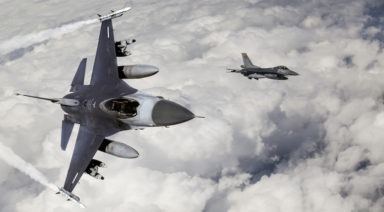
Nick Pope, who worked for the U.K.’s Ministry of Defense investigating UFOs, said, “The bottom line in this nine-page report is ‘yes, these things are real, yes they interact with our military jets, our aircraft carriers (and) destroyers, our pilots see them, our radar operators track them, but no, we don’t have the faintest idea of what we’re dealing with.'”
Watch more:
About the Author

The Baltic Sea Anomaly; A Crashed UFO or Natural Rock Formation?
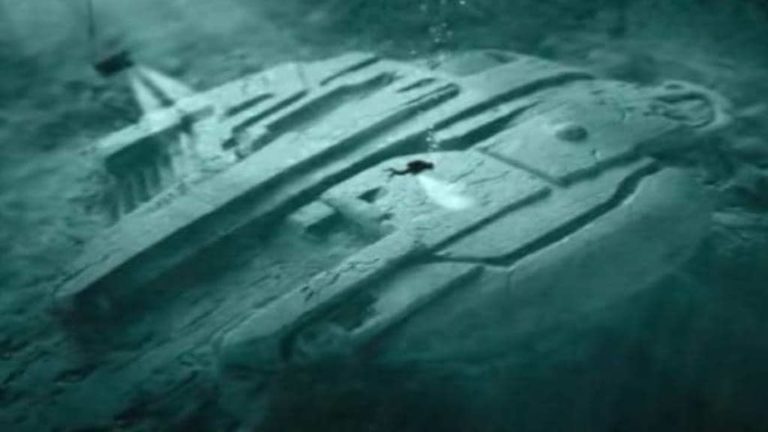
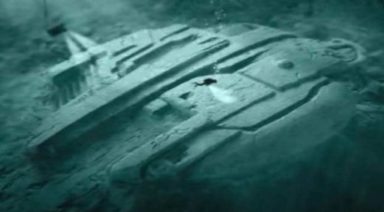
In the annals of unexplained mysteries, the Baltic Sea Anomaly is one of the more bizarre deep-sea finds of the past decade. The discovery occurred in 2011 when a deep sea exploration team called Ocean-X, came across an unusual formation 300 ft. below the surface, off the coast of Sweden.
Upon further inspection, divers and surface crew reported malfunctions in their electrical equipment whenever they came within 200m of the object, which appeared to be shaped, oddly enough, like the Millennium Falcon from Star Wars.
Peter Lindberg and Dennis Åsberg came across the giant 180 ft. diameter mass on June 19, 2011, while trolling the Baltic and observing sonar imaging along the seafloor. They quickly picked up on the anomaly due to its circular shape and distinctively straight protrusions. Adding to the mystery was what appeared to be an extensive trail – what some speculated could be evidence that a crash landing may have taken place.