How Breathing, Yoga and Positive Thinking Can Increase Intelligence
First let’s define what it means to be smart.
There currently isn’t a universal way to measure intelligence. Some people use the standard benchmarks, for example, test scores and grade point averages to determine intelligence; however, such variables have proven inconsistent and biased. High scores can mainly be a result of studying for hours and hours. In our current educational system, these tests are sometimes a better indicator of a capacity to remember versus understand.
Although there seem to be several controversies in the field of measuring intelligence–some individuals take test scores as evidence that a person is “smart,” while others prefer to look at problem solving abilities–nearly everyone accepts that a well-developed brain promotes intelligence. But in the field of alternative therapy, where humans are studied from the perspective of their energy field and the chakras, intelligence has a clear indication which is actually measurable.
The human body is basically made up of two parts: the visible physical body and the invisible physical body, also known as the energy body or aura. In the energy body there exist energy channels and energy centers, called the chakras. Chakras are like power plants that are responsible for the proper functioning of different organs in the body. Every chakra is basically in charge of regulating and controlling certain vital internal organs.
The upper chakras, in this case including the Ajna (third eye); forehead; crown and back head, energize the whole head including the pituitary and pineal glands, and the brain. This means that in order for the brain to work at an optimal level, the upper chakras should be strong and activated.
Chakras also have psychological functions. The throat and third eye chakras, in this case, are believed to be the focal points for detailed thinking, abstract thinking and creativity. This implies that the healthier and stronger the human chakras, particularly the upper ones, the more intelligent the individual.
Here are four simple practices which can actually increase your intelligence:
- Combine Physical and Breathing Exercise
Body and mind are somehow connected to one another. Therefore, to have a sharp and intelligent mind, we need to have a healthy physical body. Regular physical exercises not only detoxifies the body from used up energies, toxins and waste materials, but it also helps to increase the blood and energy circulation. The effect is a healthier and stronger physical body.
Breathing exercises in yogic systems are known as pranayama, meaning extension of breath or life. These exercises refer to various rhythmic breathing techniques that are normally practiced as a part of one’s spiritual practice. In such techniques, abdominal versus chest breathing is often used, as it has cleansing and purifying effects on the chakras. This includes the solar plexus chakra. It also increases the energy levels in the body.
Breathing exercises in this case, because of their specific rhythmic pattern, help in relieving stress and calming emotions. The effect is more clarity, sharpness and awareness. Increased energy circulation in the body also improves the energy levels of the brain, therefore improving its various functions.
- Meditate
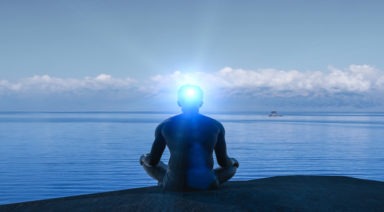
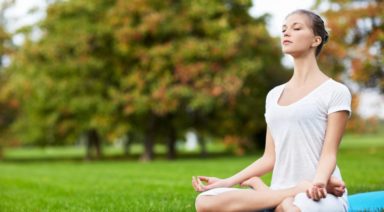
Meditation in general helps to calm emotions and clear thoughts. It increases both the clarity and sharpness of the mind. Based on research done using GDV and Kirlian cameras, meditation has been proven as an effective habit for cleansing the energy body and balancing the chakras.
Meditation is a very powerful technique that can flush out the clouds of unfavorable thoughts and emotions by bringing down tremendous amounts of divine energy to the system. It further activates the human energy centers, including the heart and the crown chakra, and in return improves both intuition and intellect. Meditation can create positive effects on the brain and nervous system by improving memory, focus and clarity.
- Think Positive
The more positive, blissful and happy we are, the more sharp and alert we become. Positive feelings nourish the soul. Negative emotions and thoughts clog the aura and contaminate our chakras, which in return clouds our perception and distracts our attention. Positive thoughts and emotions create a soothing and calming effect on the mind and body.
Have you noticed that whenever we are positive, our minds get clearer and our attention gets focused? We even become more productive. In order to think clearly and become smarter, it is very important to regulate emotions and think positive thoughts.
- Build Stronger Chakras
Certain chakras are basically gateways to greater levels of intelligence and intuition. When these chakras are activated and made stronger, our intelligence levels increase. The upper chakras that control and energize the brain have a direct influence on the brains ability to function.
There are many techniques, meditations and healing systems that can help us to achieve bigger and stronger chakras, including Pranic Healing, Reiki, Qigong and yoga. Such systems introduce simple yet very effective techniques for cleansing, energizing and strengthening the human chakras.
Consciously practicing these tips will improve functionality and intelligence.
The 7 Most Well-Known and Practiced Types of Meditation
Meditation is an ancient practice that helps calm the mind, connect with the present, and cultivate a state of greater clarity and well-being. Over time, different cultures and traditions have developed various meditative styles, each with particular approaches and techniques.
In this article, we explore what meditation is, why there are so many types, and how to identify which one may be the most suitable according to each person’s needs.
Table of Contents
- What Is Meditation and Why Are There So Many Types?
- How to Know Which Type of Meditation Is Most Suitable
- The 7 Most Popular Types Of Meditation: Discover Their Characteristics
- Types Of Meditation Recommended For Beginners
- Can Different Types Of Meditation Be Combined?
- Tips To Start Your Meditation Practice Without Frustration
What Is Meditation and Why Are There So Many Types?
Meditation is a mental and emotional training technique that seeks to bring attention to the present moment, observing thoughts without judging them. Although many people associate it with emptying the mind, it actually involves developing greater awareness of what is happening internally. It is a tool that can adapt to different goals: from reducing stress to cultivating compassion, improving focus, or exploring spiritual dimensions.
Throughout history, different traditions have developed their own forms of meditation, according to their worldviews and needs. Some focus on breathing or on the repetition of sounds (mantras), while others propose a deep observation of the body or the mind. There are also more contemporary versions, such as guided meditation, which combine traditional techniques with accessible language for those who are just beginning.
That is why there is no single way to meditate or a “correct” form. There are so many variations because each person is different and resonates with different practices. The richness of meditation lies in its diversity: it allows everyone to find a path of connection and calm, in harmony with their life moment and personal style.
How to Know Which Type of Meditation Is Most Suitable
Choosing a type of meditation should not create pressure or confusion, but rather awaken curiosity and openness. The best way to discover which one suits you best is to explore different practices, notice how each one feels, and continue with the one that feels most natural. It is not about following a technique out of obligation, but about finding the one that authentically supports your personal process.
It is also important to consider the needs of the moment. Those who are looking to calm anxiety may benefit from guided practices or those centered on breathing. On the other hand, if the goal is to deepen self-knowledge or move through a stage of introspection, a technique such as zazen or vipassana may be more useful. Connecting with what is needed here and now allows meditation to become a meaningful and transformative space.
On Gaia, there is abundant content created especially to accompany meditation practice, whether you are just beginning or looking to deepen your inner path. One of them is Sound of Creation, a series of sound meditations that combine harmonic frequencies and binaural rhythms to facilitate deep relaxation and connection with your inner energy.
The 7 Most Popular Types Of Meditation: Discover Their Characteristics
Each type of meditation has a particular intention and methodology. Some focus on breathing, others on the use of mantras, and others invite practitioners to observe with mindful attention what is happening in the present. Knowing the basic characteristics of each style can help you choose the most appropriate one according to your personal moment or level of experience.
-
Meditation Mindfulness Or Attention To The Present Moment
It is one of the most widespread forms today. It consists of observing what happens in the present moment—thoughts, sensations, and emotions—without judging or trying to change anything. It promotes mental calm and greater awareness of the here and now.
-
Transcendental Meditation
It is based on the silent repetition of a personal mantra, assigned by a certified instructor. This practice seeks to bring the mind to a deep state of rest beyond thought and is known for its simple yet highly effective structure.
-
Guided Meditation
Uses the voice of a person—live or recorded—to accompany the meditative process. It often includes visualizations, breathing exercises, or positive affirmations, making it an excellent option for those who are just starting out.
-
Movement Meditation
It is a practice that combines mindfulness with physical movement, such as mindful walking, gentle yoga, or qi gong. It helps connect mind and body while cultivating presence in every gesture and breath.
-
Vipassana Meditation
It is a technique of Buddhist origin based on the deep observation of bodily sensations and mental processes. It aims to develop equanimity and a direct understanding of the impermanence of everything that arises and disappears in consciousness.
-
Zen Meditation (Zazen)
Characteristic of Japanese Buddhism, it is practiced sitting in silence, with the back straight and attention placed on the breath or on mental emptiness. It is a form of meditation that is both rigorous and simple, cultivating presence and detachment.
-
Metta Or Loving-Kindness Meditation
Its objective is to generate feelings of compassion, kindness, and connection toward oneself and toward others. Phrases expressing good wishes are repeated, beginning with oneself and expanding toward other people, even those who may be difficult.

Types Of Meditation Recommended For Beginners
For those who are beginning in the world of meditation, the ideal approach is to start with practices that are accessible, guided, and with a clear structure. Guided meditation is often an excellent option, as it allows you to follow step-by-step instructions, which helps maintain focus and avoid the frustration of not knowing “if you are doing it correctly.”
Another recommended technique is mindfulness or present-moment awareness. This practice can be easily incorporated into everyday life by observing the breath, the body, or thoughts, without needing any previous experience. Its flexibility makes it a friendly and effective gateway for developing habits of conscious attention.
It can also be helpful to begin with meditations centered on breathing or the body, such as body scans. These practices help establish contact with the present moment and relax the nervous system without requiring major mental effort. The most important thing at the beginning is to create a positive experience that motivates you to continue exploring.
Can Different Types Of Meditation Be Combined?
Yes, combining different styles of meditation is possible and, in many cases, recommended. Over time, personal needs may change, and using different techniques makes it possible to adapt more flexibly to each stage of the inner process. What matters most is maintaining a consistent practice without losing sight of the purpose of cultivating presence and awareness.
Some people, for example, combine guided meditation at night with mindfulness during the day, or practice metta to work with specific emotions alongside silent meditation to deepen observation. There is no single formula: the right combination is the one that supports each person’s path with coherence and respect.
Tips To Start Your Meditation Practice Without Frustration
Starting to meditate can seem challenging, especially if there are unrealistic expectations or a rigid idea of how the experience should be. Incorporating meditation as a gentle and progressive habit is key to sustaining it over time without frustration or pressure.
- Start with a few minutes: It is not necessary to begin with long sessions. Even five minutes a day can make a difference if practiced consistently.
- Choose a quiet environment: Looking for a place without interruptions makes concentration easier. It does not have to be perfect, just functional and comfortable.
- Observe without judging: The mind will wander, and that is part of the process. Instead of becoming frustrated, the idea is to notice that movement and gently return to the practice.
- Try different styles: Not all techniques work the same for everyone. Exploring different options helps you find the one that best suits each moment.
- Be patient with the process: The benefits of meditation are built over time. Trusting the practice, even if results are not immediate, is part of the journey.