Micro-Dosing Psychedelics Appears to Boost Creativity Says Study
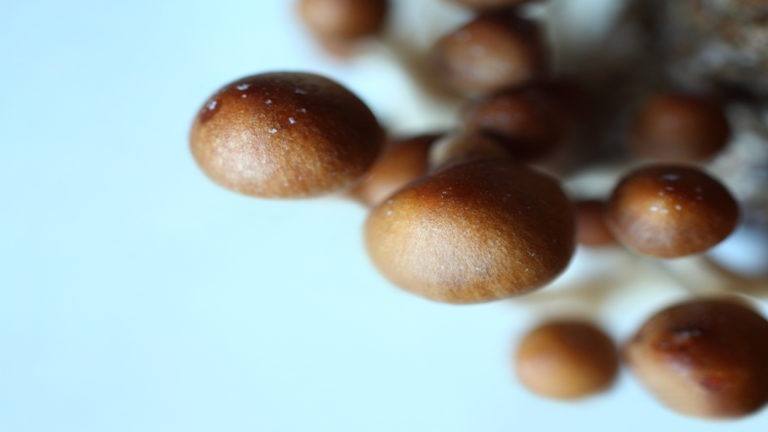
The benefits of micro-dosing psychedelics, such as psilocybin, might have found validity in a recent FDA-approved study conducted by the London-based, Compass Pathways. After administering small doses of psilocybin, the psychoactive ingredient in “magic mushrooms,” subjects were given tests to analyze creative thought and normal cognitive function.
The study found that the micro-dose improved creativity and had no negative effect on day-to-day cognitive function, including rational thinking, problem-solving, and abstract-reasoning.
The subjects were given an average .37 grams of dried mushrooms three days a week, followed by cognitive tests 90 minutes after consumption. As reported by Scientific American, one psychologist involved in the study, Dr. Bernhard Hommel of the Netherlands’ Leiden University said, “performance was significantly higher,” on tests of convergent and divergent thinking –two measures of analytical and creative thinking.
The study was conducted after a trend of anecdotal evidence from Silicon Valley execs and creatives who have used psilocybin and LSD in diminutive doses on a regular basis to boost creative thought, supplant caffeine, and generally increase mental performance.
Studies by Dr. Robin Carhart-Harris at London’s Imperial College have made leaps and bounds studying the benefits psychedelics can provide sufferers of depression and drug addiction, while also breaking down antiquated taboos from the drugs’ history.
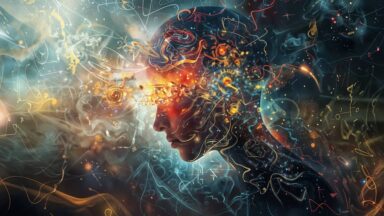
One of the recent discoveries of Carhart-Harris and the team involved psychedelics’ effect on the Default Mode Network (DMN), a series of brain regions connected with ego, thought, and emotion. The DMN is the daydreaming “default” mode our brains go into when they have nothing to focus on. The study found that when psychedelics were administered, the DMN quieted down, supporting the feeling of “ego-dissolution” often reported by psychedelic users.
They also noticed that the default mode network plays a role in the strict connections our brains make that reinforce behavior and thought; essentially what hampers creativity. But when psychedelics were introduced, the brain opened up it’s thinking to drastically more possibilities, leading to greater creativity but also temporary false conclusions about what it was seeing – the mechanism behind hallucinations.
But now it seems that with micro-doses, those myriad possibilities in the thought process may be accessed without the trip, sans hallucinations. Our brains form rigid connections as we get older, creating ‘shortcuts’ in order to easily comprehend and react with everything life throws our way. But at the same time, those connections inhibit creative thought, keeping us set in our ways. But what Carhart-Harris et al. hypothesized is that psychedelics break down those connections and open up new ones, allowing creative “out-of-the-box” thinking. And that’s what this study focused on; instead of one intense, paradigm-shattering trip, could a regiment of imperceptible daily doses do the same?
Psilocybin targets 5-HT receptors in the brain which are responsible for regulating serotonin. These receptors are known to influence reflective thought, introspection, and imagination. They are also the target of migraine and cluster headache medications, which some sufferers have found can be replaced with a more effective dose of psilocybin. In addition to serotonin, psilocybin also increases the concentration of the neurotransmitter dopamine, which is thought to mediate desire and motivation.
Of course, this was a single trial in which the placebo effect could have played a role, warranting more placebo-controlled iterations of the study. It was also posted as a preprint, meaning it has yet to be put through the rigors of peer-review. But if their findings and method were valid, it seems that psychedelics could give that creative boost many seek.
About the Author

How to Awaken Your Third Eye

Summary
- Avoid Fluoride
- Supplement your diet
- Use essential oils
- Sungaze
- Meditate and chant
- Collaborate with crystals
What is the Third Eye?
The pineal gland is a pea-sized gland shaped like a pine cone, located in the vertebrate brain near the hypothalamus and pituitary gland. Also known as the third eye, it is a revered tool of seers and mystics and considered to be the organ of supreme universal connection. Its significance appears in every ancient culture throughout the world. For example, in Ayurvedic philosophy, the third eye is represented by the Ajna chakra and in Ancient Egypt, the symbol of the Eye of Horus mirrors the placement of the pineal gland in the profile of the human head. The third eye is connected to clarity, concentration, imagination and intuition.