Chronic Sufferers Are Choosing LSD and Psilocybin For Migraines
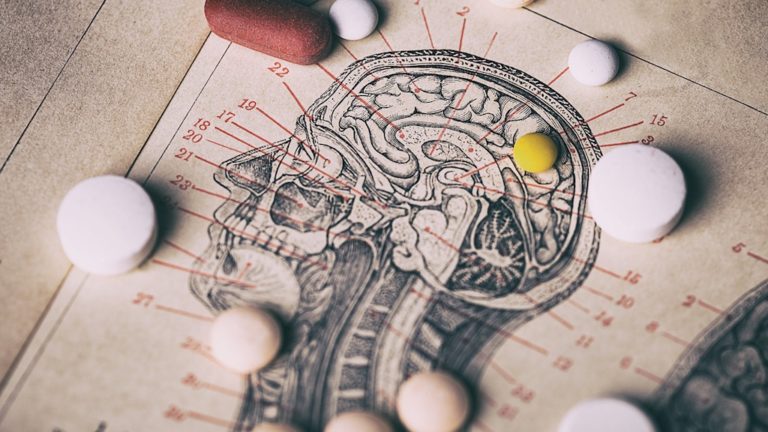
I remember the day I got my first migraine pretty vividly. I was a freshman in high school sitting in math class, when all of a sudden, my vision became blurry. I soon felt shaky, nauseous, incredibly confused, and frightened by what was happening to me. But in the hour or two it took to see a doctor, my symptoms had disappeared.
Migraine Hallucinations and Pain
Eventually, I realized I had experienced my first migraine, and since then I suffer through a few every year. While they’re pretty debilitating and can ruin an entire day, I’m lucky I don’t suffer from chronic migraines as some do.
In the U.S. it’s estimated that roughly 3.2 million Americans live with chronic migraines and of that percentage, some experience 15 to 20 a month. These headaches last four hours or more on average, and often force sufferers to take days off work. This adds up to not only lost hours of their lives but lost productivity and money. In fact, it’s estimated up to $31 billion in productivity is lost annually from headache disabilities in the U.S. alone.
I can tell when a migraine is coming on because of a chain of predictable symptoms. First, I begin to see auras and my vision is blurred, then all symptoms subside like the calm before a storm, and finally the piercing headache, nausea, vomiting, and shakiness.
Hallucinations and bizarre visuals often accompany or signal to migraine sufferers they’re about to endure a headache. The most common visual oddities are blurriness and auras, but some experience zigzags, swirling vortices, and Picasso-esque patterns. Physical hallucinations aren’t unusual either.
Enter your email below to receive a free ebook
A Guide To Various Plant Medicines and Their Therapeutic Benefits
During his first migraine, author, Anthony Peake, says, “I felt that the top of my head was lifting off and moving upwards toward the ceiling. I then noticed that the office seemed to be getting smaller as if I was looking at it from the wrong end of a telescope.”
Only about 15 to 20 percent of migraine sufferers experience migraines with auras. These migraines can be so disorienting and confusing, sometimes rendering sufferers unable to communicate properly, almost like a stroke. But despite the well-documented symptoms and prevalence of these painful experiences, doctors still don’t know what causes them exactly.
Headache disorders are ranked 7th in all disabilities globally, though only 36 percent of sufferers are diagnosed. And migraines aren’t even the worst type of debilitating headache – that title is reserved for cluster headaches.
Cluster headaches have been described as one of the worst pains a human being can feel, worse than childbirth, or as one sufferer put it, worse than having a limb amputated without anesthesia. Cluster headaches have been nicknamed the suicide headache for reasons that can probably be inferred.
These two types of headaches tend to occur in one gender more than the other, with migraines choosing women, and cluster headaches more often reserved for men. Some attribute this to hormonal functions, but no one really knows for certain.
Specific things activate migraines, including caffeine, lack of sleep, alcohol, weather fluctuations, and stress. Cluster headaches, on the other hand, seem to fall into episodic cycles, and contrary to migraines, sleeping can actually trigger them. Sufferers often get cluster headaches as they’re entering REM sleep, leading them to fear bedtime.
LSD and Psilocybin for Migraines
Sometime in 2015, well over a decade after my headaches began, I was at a friend’s house when I felt the early signs of an oncoming migraine. I alerted my buddies to what would happen and the protocol I typically followed to deal with the next few hours of pain.
My friend Sean said he wanted to make me something that might help my symptoms. So he whipped out his mortar and pestle and began making me a chunky paste, while I laid on the couch, preparing for the impending agony. After a few minutes, he came back with the paste and a glass of water, telling me to consume the strange concoction.
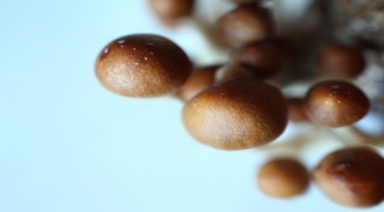
I asked what was in it and he replied, “Some honey, various herbs, and some (magic) mushrooms. Not enough to induce a full on trip, just a micro-dose, but there’s a chance you might feel a body high. It will definitely help your symptoms, though.”
Now, full disclosure, I had taken psilocybin before, so I was familiar with its effects, but the idea of a potential psychedelic trip while suffering from a mind-numbing headache sounded like a horrible idea. But I trusted Sean and took the mushroom mixture.
For chronic headache sufferers, there are a number of pharmaceuticals prescribed to mitigate their symptoms and lead a semi-normal life. Triptans are one of the most commonly prescribed, often paired with an NSAID, i.e. aspirin or ibuprofen. But these drugs are not a panacea and only provide temporary relief.
Triptans are referred to as selective serotonin receptor agonists, stimulating serotonin production in the brain. This serotonin increase reduces inflammation and constricts blood vessels to alleviate the headache. Triptans belong to the tryptamine family of monoamine alkaloids. Coincidentally, the psychoactive compounds found in many psychedelics are also tryptamines.
Psilocybin from “magic” mushrooms converts to psilocin in the body, becoming a partial agonist for serotonin receptors known as 5-HT receptors, particularly the 5-HT(2b) and 5-HT(2a) receptors. Psilocybin and other tryptamines, including DMT and LSD, are referred to as serotonergic psychedelics because they activate these serotonin receptors. Triptans work as agonists on serotonin receptors in the same way, but instead, stimulate 5-HT(1b) and 5-HT(1d) receptors.
For reasons not fully understood, the receptors that psilocybin and LSD target produce a psychedelic experience, while the receptors the triptans target do not. However, when both receptors are targeted, the psychedelic experience can be amplified immensely, but not in a pleasant way.
Unsurprisingly, another pharmaceutical used in the past to treat migraines due to its affinity for those 5-HT receptors is ergotamine, a peptide derived from ergot fungus, first isolated by Arthur Stoll at Sandoz Pharmaceuticals in 1918. Stoll worked alongside Albert Hofmann, the famous chemist who first synthesized LSD at Sandoz from, you guessed it, ergotamine.
When Hofmann accidentally synthesized LSD he had also worked to isolate psilocybin from the mushroom Psilocybe mexicana. Sandoz sold psilocybin to clinicians using it for psychotherapy before the drug was criminalized in 1968. It’s believed that Hofmann was actually working on synthesizing new medicines to treat headaches, which he may have apparently found, though the hype from his discovery’s psychedelic properties completely overshadowed any other use for it.
After Sean gave me the micro-dose of magic mushrooms, my headache began to play out as expected. My liver had to first process the psilocybin, convert it to psilocin, and release a number of metabolites into my bloodstream; a process that usually takes 30 to 45 minutes. But after that time had passed, it felt like I had skipped the worst part of my headache and was coasting through the dull afterglow that marks the latter stage of my migraines. I also felt a little woozy – the feeling I knew the mushrooms were responsible for.
It seemed Sean’s magic mushroom remedy worked. It didn’t stop the headache dead in its tracks, but it did mitigate the pain significantly and shorten its span. Now, had I been working at the time, the subtle psychoactive effects of the psilocybin may have been distracting, but with a full-blown migraine, no work would have been accomplished anyway.

Cluster Busters; Using Psychedelics for Headaches
Triptans, steroids, and other pharmaceuticals prescribed to treat chronic bouts can have long-term side effects ranging from organ fibrosis, cardiac disturbances, and even osteoporosis. And while triptans are good for alleviating individual headaches, chronic sufferers have found that psychedelic serotonergics can break or even prevent the episodic cycles of headaches that recur on a predictable basis.
Those unfortunate enough to suffer from cluster headaches experience as many as eight to 10 a day during cycles. Though they don’t suffer year-round, cycles typically last anywhere from two to three months, with each headache lasting anywhere from 45 minutes to three hours.
Bob Wold is the founder and president of Cluster Busters, a group that has, for the past 15 years, advocated for the study and legal use of psilocybin and LSD for the treatment of cluster headaches. Wold began suffering from them biannually for a period of 20 years after being misdiagnosed many times. He was ineffectually prescribed 75 different medications, including the highly addictive fentanyl and even cocaine drops.
Wold was so desperate to ease the pain that he almost underwent an invasive, unproven surgery that would have severed his trigeminal nerves and destroyed all sensation in his face. That was until he found an online forum touting the benefits of serotonergic psychedelics for treating his condition.
Wold said he asked his two kids, who happened to be in college, to procure him the necessary psilocybin-containing mushrooms to see if they could ameliorate his agonizing pain. While he doesn’t condone buying psilocybin mushrooms off the street, as acquiring them is illegal and hard to determine the exact dosage, Wold was in a desperate state and willing to take risks.
Shortly after using the drug to treat his headaches, Wold noticed an immediate difference, saying his head hadn’t felt that good in the 20 years since his condition began. From then on, he used the drug as both an analgesic and a preventative measure, spreading the word to fellow sufferers as often as possible.
Cluster Busters says it believes the key difference between triptans and serotonergic psychedelics is that the receptor targeted by the latter acts as a vasoconstrictor, preventing attacks by keeping the carotid artery from expanding and pressing on the trigeminal nerves.
Unfortunately, taboos and legal constrictions have made it hard to gauge doses and procure these drugs safely for chronic headache sufferers, but recent persistence and overwhelming anecdotal evidence from Cluster Busters has led to legally approved trials of the drugs for the treatment of severe chronic headaches.
Researchers like Harvard psychiatrist, Dr. John Halpern, decided to look more closely into the stories being reported from Cluster Busters and conduct a study of his own. After interviewing 53 subjects who used a serotonergic psychedelic to treat cluster headaches, he found that 95 percent successfully delayed or completely avoided headaches. This led Halpern to set up future double-blind studies with control groups to properly test results.
Much like the dose I received from Sean to treat my migraine, the doses used by most cluster headache sufferers are micro-doses or non-psychedelic doses. Even the slightly larger, preventative doses Wold takes a few times a year, he says, are roughly tantamount to a buzz from a few glasses of wine – enough to make lights look slightly more vivid.
Another strong proponent who deserves mention for the use of psychedelics to treat chronic headaches is Graham Hancock. Hancock says at one point he was suffering from up to 20 severe migraines a month before he took Ayahuasca and Iboga in shamanic ceremonies.
Ayahuasca is an Amazonian brew containing DMT, another serotonergic psychedelic found in many plants. Today, after suffering from chronic headaches his entire life, Hancock no longer suffers from them at all and has vowed to take Ayahuasca two to three times a year to prevent them, and for the spiritual experience it provides.
Of course, one should tread with caution when considering these drugs for treatment. Wold says it’s important to consult a doctor to ensure these psychoactive substances won’t react adversely with any other medications one might be on and to assure that one is healthy enough to take them.
With any luck, further research into serotonergic psychedelics can help relieve the pain for victims of chronic headaches and eliminate the unwarranted stigma placed on a natural substance with medicinal value. For more information visit the Cluster Busters website or MAPS – another group that continues to achieve funding and legal permission to advance clinical trials studying the healing potential of psychotropic drugs.
About the Author

What is DMT and why is it called "the God molecule"
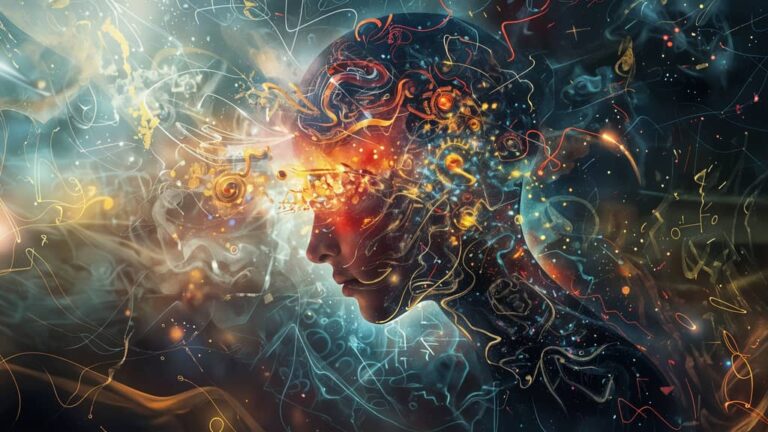
DMT is a natural substance present in various plants and also in the human body, known for its powerful ability to induce expanded states of consciousness. Its effect has been compared to profound mystical experiences, which has earned it the nickname “the God molecule.”
In this article, we explore what is DMT, how it acts in the body, and why it is associated with the spiritual.
Table of Contents
- What is DMT and how does it act in the human body?
- The link between DMT and the pineal gland
- Link Placeholder
- Effects of DMT on perception and consciousness
- What are the ways DMT is consumed?
- Ayahuasca and DMT: an ancestral connection
- Is it possible to activate DMT naturally?
What is DMT and how does it act in the human body?
DMT, or dimethyltryptamine, is a naturally occurring psychedelic substance with a unique capacity: to facilitate access to non-ordinary realities and expanded states of consciousness. It is found in small amounts in some plants, animals, and also in the human brain. At a chemical level, it belongs to the tryptamine family, and its structure is very similar to serotonin, which explains its deep interaction with the nervous system.
When activated—either naturally or induced—DMT generates highly intense experiences that completely transform the perception of time, the body, and space. If consumed orally, it needs to be combined with enzymatic inhibitors (such as those present in ayahuasca) so that the body does not rapidly degrade it. Once active, it interacts with specific receptors in the brain, opening the door to experiences that many people describe as deeply spiritual and revealing.
What is most fascinating is that the human body produces DMT naturally. Although science is still exploring all its mechanisms, we know that this molecule may be involved in key processes such as dreams, deep meditative states, and near-death experiences. Everything suggests that DMT is a biological tool that allows us to connect with broader dimensions of consciousness.
The link between DMT and the pineal gland
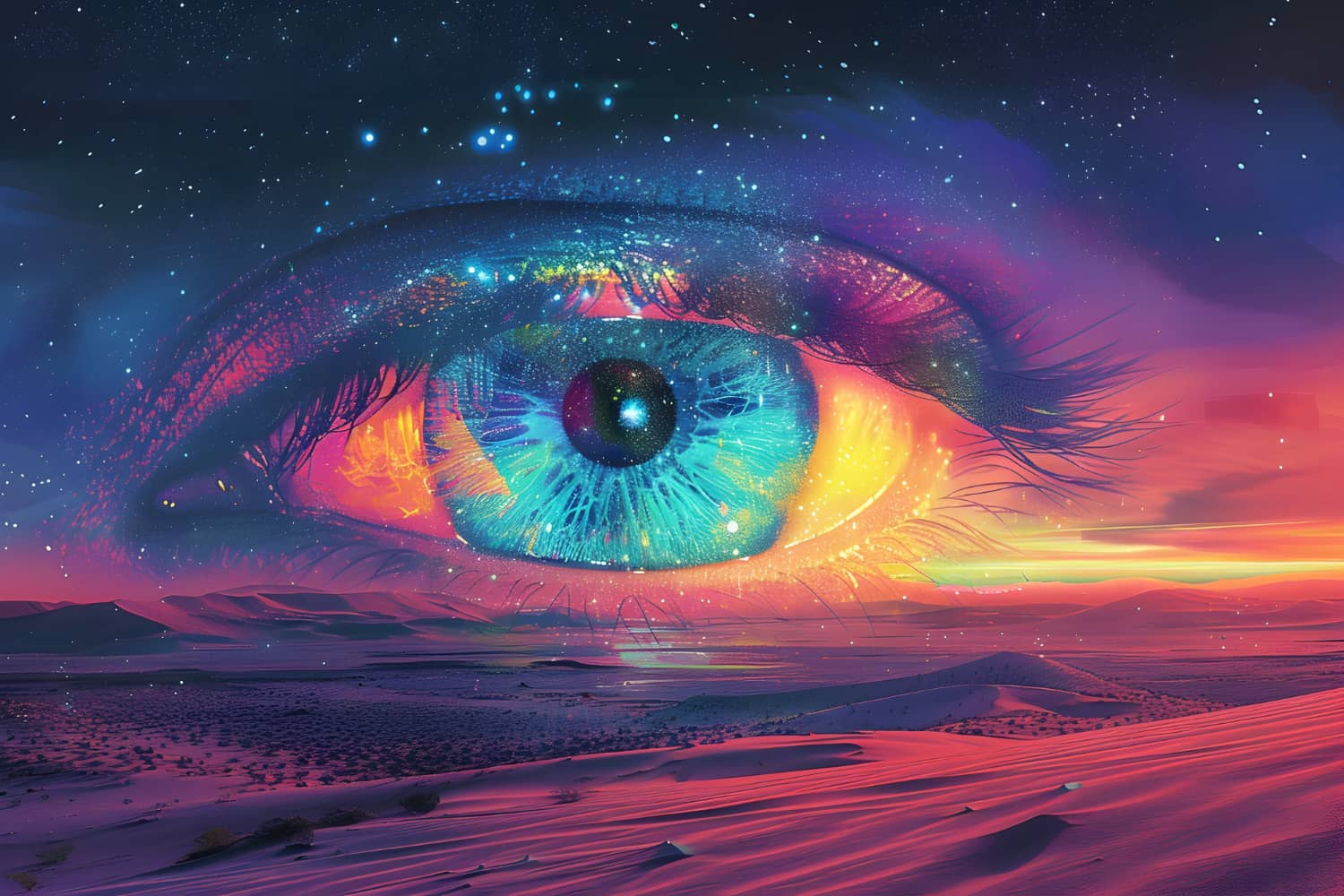
The pineal gland, located at the center of the brain, has been considered since ancient times as a special organ, associated with spiritual perception and inner awakening. Ancestral traditions from different cultures have called it “the third eye” and have linked it to intuitive and transcendental abilities.
Various studies suggest that this gland could be the main source of endogenous DMT in the human body. Although research is ongoing, the presence of the necessary enzymes to synthesize DMT has already been identified in the pineal gland of mammals. This possibility reinforces what many spiritual traditions already intuited: that within the body itself there are natural mechanisms to access expanded realities.
Understanding this connection opens new perspectives on the biology of spirituality. If the pineal gland truly acts as a center for DMT release at key moments—such as birth, deep sleep, mystical ecstasy, or death—we may be facing one of the most valuable keys to understanding our innate capacity for transcendence.
DMT as a spiritual molecule or “the God molecule”
DMT has been called “the God molecule” because many of the experiences it induces coincide with ancient descriptions of mystical states. Those who have experienced it speak of a dissolution of the ego, encounters with entities of higher wisdom, and a profound sense of unity with the universe. This molecule seems to activate, within seconds, gateways that for many only open after years of meditation or intense spiritual practices.
Beyond the anecdotal, the similarities between personal experiences and traditional spiritual accounts are too consistent to be ignored. In cultures around the world, states induced by plants containing DMT have been used for ceremonial, healing, and visionary purposes. Everything indicates that this substance connects human beings with a dimension of consciousness that goes beyond the individual and the rational.
In the series Divine Science, available on Gaia, an entire episode is dedicated to exploring this phenomenon. The chapter DMT: Portals of Perception delves into how this molecule can open new possibilities for conscious evolution, access to other planes, and the understanding of our purpose in the cosmos. Through expert testimony and real experiences, the transformative potential of DMT as a tool for spiritual expansion is revealed.
Effects of DMT on perception and consciousness
The effects of DMT are intense and deeply transformative, even in small doses. At a perceptual level, it modifies the way time, space, personal identity, and connection with the environment are experienced. Below is a summary of some of the most commonly reported effects:
- Ego dissolution: The sense of personal identity temporarily fades. The individual experiences a consciousness without limits or separation.
- Perception of unity: Everything appears to be connected within a coherent network. There is a feeling of merging with the universe, nature, or a higher intelligence.
- Encounters with entities: Many users report having interacted with non-human beings. These presences are often perceived as guides or benevolent intelligences.
- Intensified geometry and light: The visions include vivid geometric patterns and intense colors. The environment becomes dynamic, bright, and charged with energy.
- Access to higher planes: There is a sense of having traveled to other dimensions. In those spaces, information is received that transcends ordinary logic.
What are the ways DMT is consumed?
DMT can be administered in various ways, and each method directly influences the duration, intensity, and nature of the experience. Below are the most common methods of consumption:
- Inhaled or vaporized: This is the fastest and most direct method. It produces an almost instantaneous effect that lasts between 5 and 15 minutes, with an abrupt onset and a highly visual and immersive experience.
- Smoked: Similar to vaporization, but using a pipe or mixed with dried herbs. Pulmonary absorption is rapid and generates an intense, short-lived experience.
- Injected (intramuscular or intravenous): Used mainly in scientific research contexts. It allows precise control of the dose and produces a brief but controlled experience.
- Oral (with MAOIs): It requires combining DMT with monoamine oxidase inhibitors, such as those found in ayahuasca. This combination allows DMT to become active through the digestive system, prolonging the effects for several hours.
- Insufflated (through the nose): Less common, but used in some traditional preparations such as yopo. It produces rapid effects, although less intense than those of direct inhalation.
Each route of administration opens a different type of perceptual portal, and choosing one over another depends on the context, intention, and level of preparation of the participant.

Ayahuasca and DMT: an ancestral connection
Ayahuasca is a sacred preparation used by Amazonian indigenous cultures since ancient times to access spiritual planes, heal trauma, and receive inner guidance. It combines two plants: Psychotria viridis, which contains DMT, and Banisteriopsis caapi, which provides the natural inhibitors necessary for DMT to be active orally and extend its effects for several hours.
Beyond its composition, ayahuasca is a medicine of consciousness, traditionally administered in ceremonies carefully guided by shamans. These rituals are not merely supportive: they are an energetic and spiritual container that facilitates the process of opening, transformation, and revelation. In this context, DMT is not experienced as an isolated molecule, but as a plant spirit with its own wisdom.
In recent decades, ayahuasca has reached communities around the world seeking profound experiences of inner expansion. When its spiritual dimension is respected and it is integrated with awareness, this medicine offers one of the most powerful and transformative accesses to the spiritual potential of DMT.
Is it possible to activate DMT naturally?
The human body produces DMT endogenously, and although the mechanism is not yet fully understood, there are practices that can promote its release. States such as deep sleep, intense meditation, fasting, and conscious breathing have been linked to neurological changes that could activate the production of this molecule. These techniques have been used for centuries by spiritual traditions seeking to access more subtle planes of reality.
One of the most well-known methods is holotropic breathing, a technique developed by psychiatrist Stanislav Grof, which uses specific breathing patterns to induce altered states of consciousness. It has also been observed that practices such as ecstatic dance, prolonged exposure to darkness, and ceremonial sound can trigger visions or intuitions similar to those generated by DMT. These experiences, although more subtle, can have an equally profound impact.
Activating DMT naturally is not only possible, but it can be part of a conscious and sustained spiritual path. Unlike the external use of psychedelics, these internal pathways require time, practice, and openness, but they offer genuine access to states of expansion that arise from within.