The Hero’s Journey and the 22 Major Arcana of the Tarot

The Hero’s Journey, described by Joseph Campbell, and the 22 major arcana of the tarot, share a profound symbolic connection. This archetypal journey guides us through challenges, lessons, and transformations that lead us to self-realization. In this article, we explore how each major arcana card in the tarot corresponds to a stage of the hero’s journey, and how you can use these cards to guide your spiritual transformation.
Table of Contents
- What Is the Hero’s Journey and How Is It Related to the Tarot?
- The 22 Major Arcana and Their Correspondence to the Hero’s Journey
- We Are All the Heroes of Our Journey
What Is the Hero’s Journey and How Is It Related to the Tarot?
The hero’s journey is a concept developed by Joseph Campbell that describes a series of universal stages that a person goes through to achieve personal transformation. This archetype appears in myths and legends from various cultures and represents the process of facing challenges, finding allies, and returning transformed. The 22 major arcana of the tarot, for their part, symbolize similar stages on the path toward enlightenment and self-knowledge.
The Fool card initiates the journey in the tarot, symbolizing the beginning of an adventure full of potential and freedom. It represents the hero who, carefree, sets out into the unknown, driven by a desire for exploration and self-discovery. As the journey unfolds, the hero encounters cards like the Magician, who grants skills, and the Empress and the Emperor, who provide wisdom and power necessary to continue the journey.
Each tarot card not only represents a stage of the hero’s journey but also offers valuable spiritual and psychological lessons. For example, the High Priestess invites us to look within and trust our intuition, while the Tower represents moments of crisis that, although painful, are essential for growth and renewal.
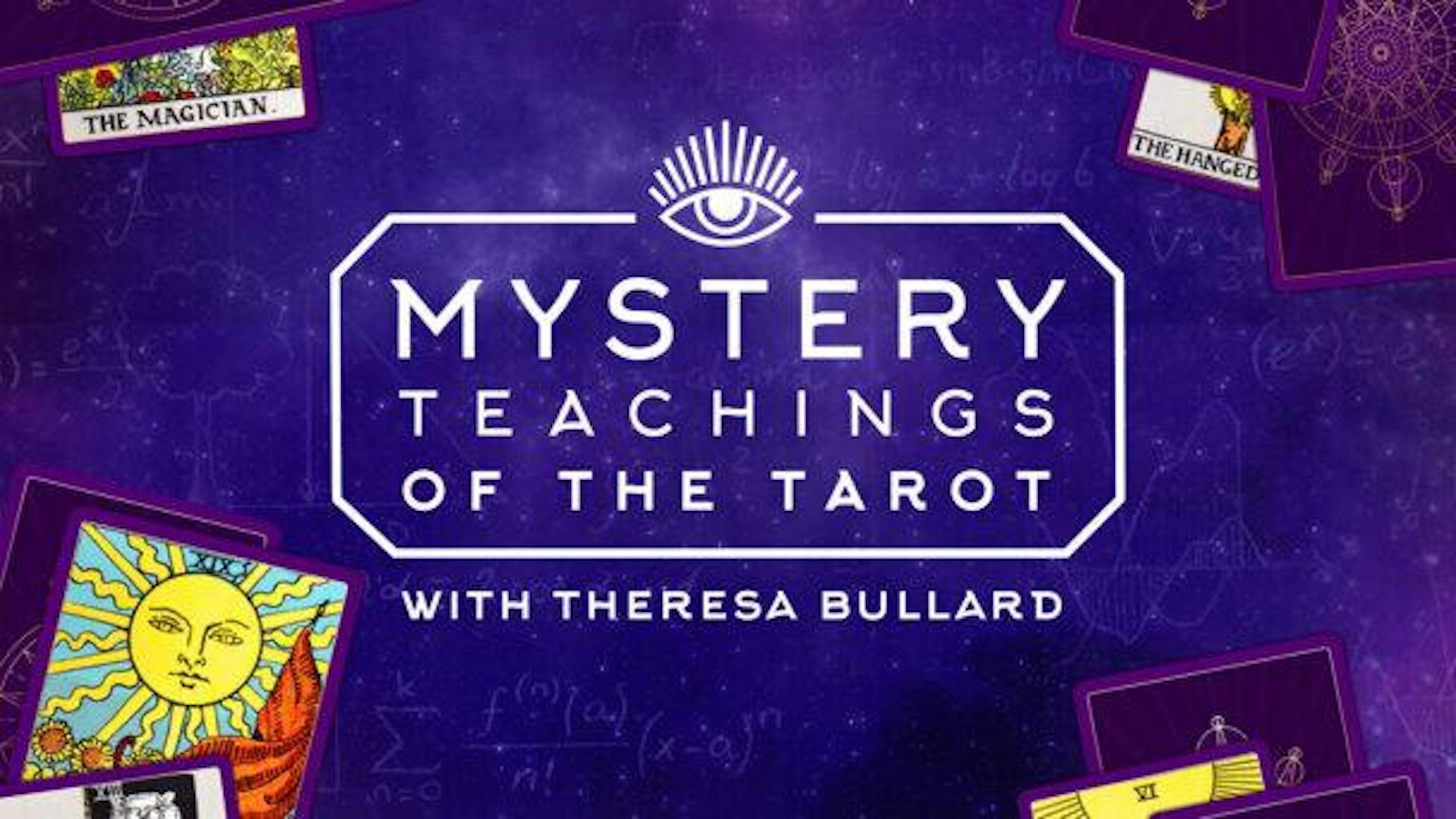
In the series Mystery Teachings of the Tarot, available on Gaia, Theresa Bullard explores this deep connection between the tarot and the hero’s journey, offering a guide for using these cards as tools for self-discovery and personal growth. This series provides a unique perspective that enriches our understanding of the tarot and its application in everyday life.
The 22 Major Arcana and Their Correspondence to the Hero’s Journey
The 22 major arcana of the tarot correspond to the stages of the hero’s journey, providing a symbolic map that guides individuals through their process of personal transformation. Each card represents a key moment in this journey, from the beginning full of potential and uncertainty to the culmination of wisdom and realization. Through this path, the major arcana help reflect the experiences and lessons necessary for spiritual growth and self-reflection.
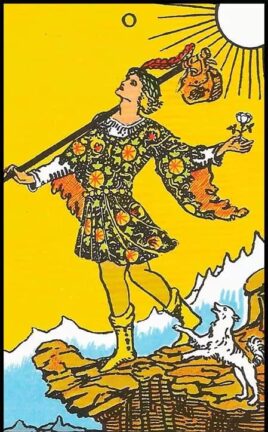
The Fool: The Beginning of the Journey
The Fool represents the beginning of the hero’s journey, symbolizing innocence, potential, and the willingness to venture into the unknown. This card embodies the moment of departure, full of enthusiasm and possibilities, without fear of the risks ahead. It marks the beginning of a path of self-discovery and adventure, where each step is guided by curiosity and openness to new experiences.
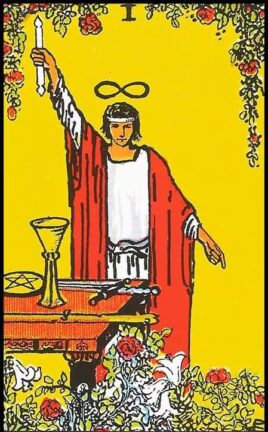
The Magician: The Discovery of Potential
The Magician, with mastery over the elements, symbolizes the discovery and the activation of inner potential. Here, the hero becomes aware of their skills and resources, learning to use them to transform reality. This card affirms personal power and the ability to manifest desires and goals.
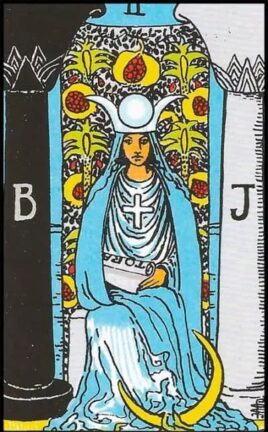
The High Priestess: Intuition and Hidden Knowledge
The High Priestess, guardian of hidden knowledge, invites us to look within and trust our intuition. Her presence in the hero’s journey underscores the importance of introspection and meditation. She reminds us that many answers reside in our subconscious, waiting to be discovered in silence and contemplation.
The Empress: Fertility and Creativity
The Empress, a symbol of fertility and creativity, embodies growth and manifestation in the physical world. She represents the phase in the journey when ideas and projects begin to flourish. Her energy drives us to nurture our visions with love and dedication, allowing them to develop fully.

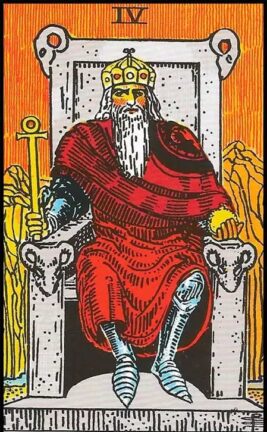
The Emperor: Power and Authority
The Emperor, with his power and authority, teaches the importance of structure and control. In the hero’s journey, there comes a moment when it is essential to set boundaries and make firm decisions. This card guides us to take responsibility and build a solid and stable life through discipline and organization.
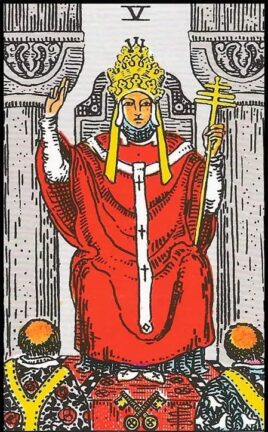
The Hierophant: Teaching and Tradition
The Hierophant represents teaching and tradition, suggesting that the hero must seek wisdom from established sources. Masters, sacred texts, and cultural traditions offer guidance and accumulated knowledge. This card reminds us of the importance of learning from those who came before and using that understanding to advance spiritually.
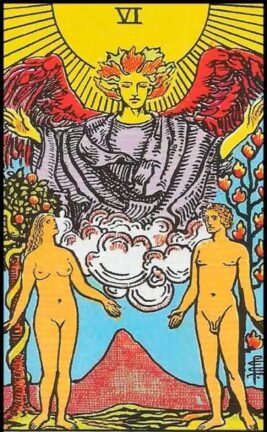
The Lovers: Choice and Commitment
The Lovers reflect a crucial point in the hero’s journey, where important decisions must be made based on love and integrity. They symbolize choice and commitment, highlighting the need to balance desire with responsibility. This card urges us to align our actions with our deepest values.
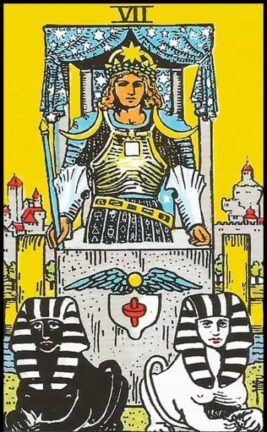
The Chariot: Determination and Victory
The Chariot is a symbol of determination and victory, indicating a significant advance in the hero’s journey. Overcoming obstacles with confidence and control is key at this stage. The Chariot teaches us that focus and persistence are essential to reach our goals and keep progressing along our personal path.
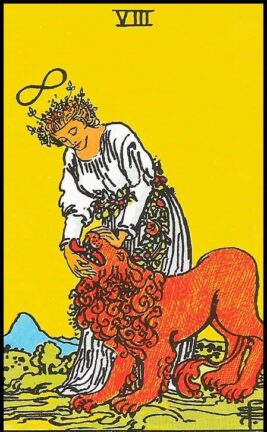
Strength: Courage and Overcoming
Strength, with its symbolism of courage and patience, highlights the importance of mastering emotions and overcoming inner challenges. In the hero’s journey, this card reminds us that true power does not lie in physical strength, but in the ability to control our impulses and act with wisdom and compassion.
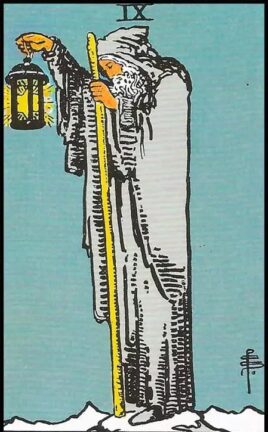
The Hermit: Introspection and Wisdom
The Hermit invites a period of reflection and self-examination, withdrawing from the noise of the outside world. In the hero’s journey, his light guides toward inner wisdom and clarity. This card teaches us that sometimes stepping back and meditating is essential to find answers and better understand ourselves and our surroundings.
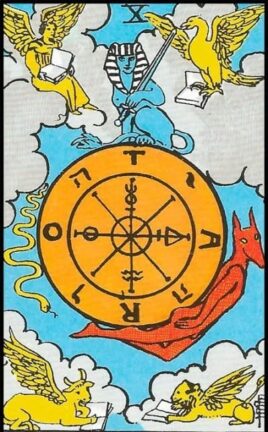
Wheel of Fortune: Destiny and Change
The Wheel of Fortune, with its unpredictable turns, represents the cycles of change and destiny in the hero’s journey. Moments of unexpected transformation, though challenging, bring new opportunities. This card reminds us that life is full of ups and downs, and accepting these changes with grace is fundamental to our growth.
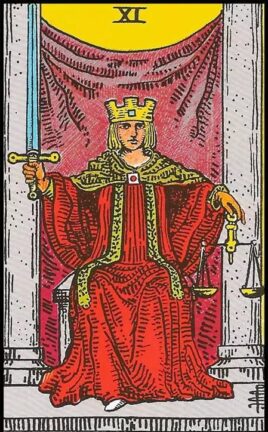
Justice: Balance and Truth
Justice symbolizes the need for balance and fairness. In the hero’s journey, there comes a time to face the consequences of past actions and make just decisions. This card teaches us the importance of honesty and fairness, reminding us that every action has a consequence and that it is crucial to act with integrity.
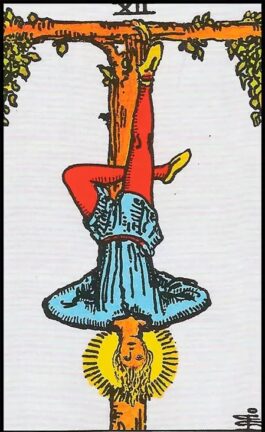
The Hanged Man: Surrender and Sacrifice
The Hanged Man teaches us to accept necessary pauses along the path. Instead of resisting, this arcana invites us to adopt a new perspective, showing that sacrifice and surrender can open the door to deeper understanding. Letting go of control often reveals new truths.
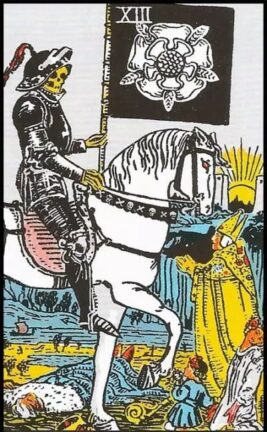
Death: Transformation and Rebirth
Death not only marks an end but also a beginning. This arcana symbolizes the deep transformation that occurs when we leave the old behind. Though it may be painful, rebirth is essential for personal growth, illuminating a new path full of possibilities.
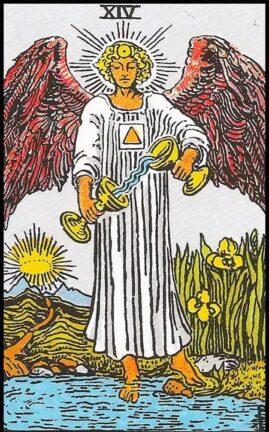
Temperance: Moderation and Harmony
Temperance guides us toward both internal and external balance. In the hero’s journey, learning to blend and harmonize different aspects of life is vital. This card emphasizes the importance of moderation and serenity, cultivating a constant state of peace and equilibrium.
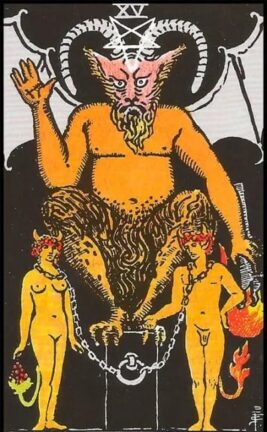
The Devil: Temptation and Inner Shadows
The Devil confronts the hero with their own shadows and hidden desires. This arcana symbolizes the self-imposed chains and temptations that divert from the true path. Liberation comes from facing and overcoming these inner challenges, revealing one’s true nature and freedom.
The Tower: Destruction and Liberation
The Tower symbolizes destruction, liberation, and sudden revelation. In the hero’s journey, this card indicates a moment of rupture and radical change that tears down old structures and false beliefs. The Tower teaches us that, although destruction can be traumatic, it is a necessary step for true liberation and growth, allowing us to build something new and more authentic.

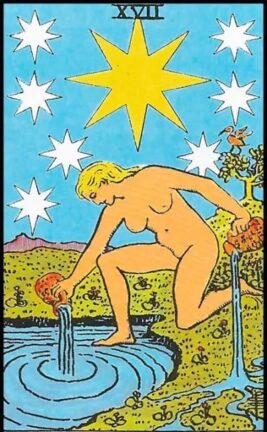
The Star: Hope and Inspiration
The Star offers a beacon of hope and renewal after the storm. In the hero’s narrative, it symbolizes the rebirth of faith and clarity. This arcana inspires us to maintain a positive outlook and to move forward with optimism and trust in the times ahead.
The Moon: Illusion and the Subconscious
The Moon symbolizes illusion, the subconscious, and hidden mysteries. In the hero’s journey, this card signals a period of introspection and confrontation with internal shadows and deep emotions. The Moon teaches us to navigate through uncertainty and trust our intuition, revealing hidden truths and challenging surface perceptions.
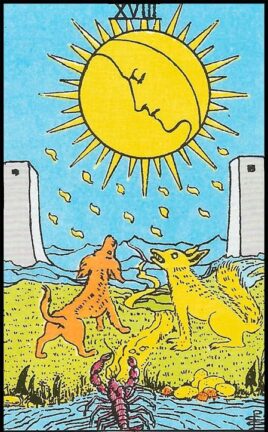
The Sun: Clarity and Success
The Sun shines with clarity and vitality, signaling the culmination of challenges with success and joy. It represents the illumination and happiness that follow difficult times. Celebrating achievements and the clarity attained is an important step in the hero’s journey.
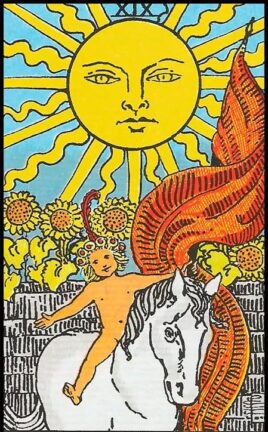
Judgement: Renewal and Awakening
Judgement calls for deep evaluation and spiritual awakening. This arcana marks a moment of reflection on past actions and the movement toward a renewed purpose. Being reborn with a new sense of clarity and purpose is vital for the hero’s evolution.
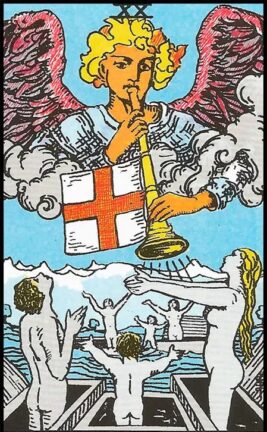
The World: Fulfillment and Completion
The World symbolizes fulfillment, achievement, and complete integration. In the hero’s journey, this card represents the realization of goals and the wholeness that comes with integrating all learned lessons. The World teaches us that the culmination of the journey brings a sense of completeness and satisfaction, marking the end of one cycle and the beginning of new adventures.
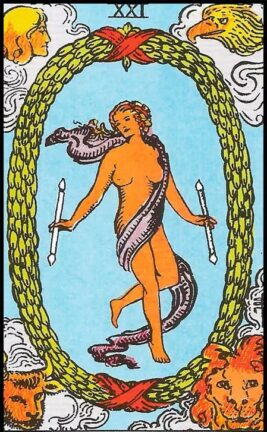
We Are All the Heroes of Our Journey
Each one of us is on a unique journey of discovery and transformation, facing challenges and gathering wisdom along the way. Like the hero in the classic narrative, we all encounter obstacles that test us and push us to grow. These difficult moments, though challenging, are essential for our development and help us discover our inner strengths.
The tarot, with its 22 major arcana, serves as a symbolic guide that reflects our own experiences and stages of growth. Each card offers a lesson and a mirror in which we can see our own lives and internal processes. By understanding and applying these teachings, we can navigate our paths with greater awareness and purpose.
Moreover, recognizing that we are on a journey similar to the hero’s gives us a broader and more compassionate perspective toward ourselves and others. We come to realize that trials and tribulations are a natural part of the path, and that each challenge is an opportunity to learn and evolve. This understanding allows us to face our struggles with a more positive and resilient attitude.
Through the hero’s journey, we find the motivation to keep moving forward, knowing that each stage brings us closer to our true self. In the end, we are all heroes of our own story, capable of overcoming any adversity and achieving fulfillment and personal realization. This journey reminds us that, regardless of the challenges, growth and transformation are always within reach.
About the Author

The 7 Chakras: Their Characteristics and How to Balance Them
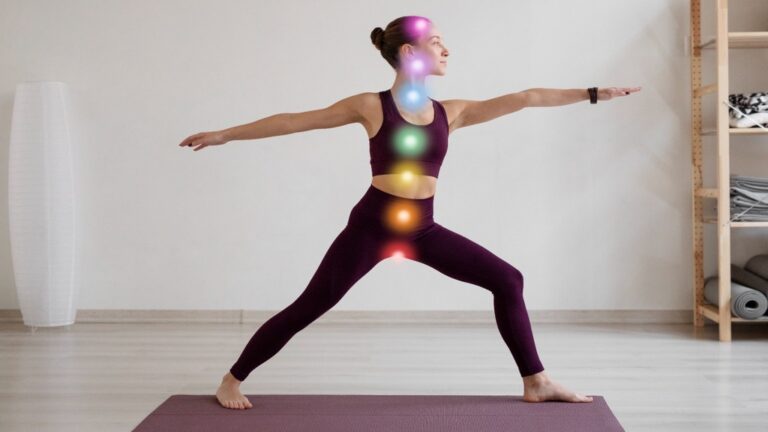
Chakras are energy centers in the human body that regulate various aspects of our physical, emotional, and spiritual health. These energy centers play an important role in maintaining overall balance and well-being. In this article, we explore what chakras are, how many there are in the body, and how to keep them balanced.
Table of Contents
- What Are Chakras?
- How Many Chakras Are There in the Body?
- The 7 Main Chakras and Their Meanings
- How to Recognize When My Chakras Are Blocked?
- 7 Practices to Align the Chakras
What Are Chakras?
Chakras are energetic vortices located at different points of the human body. The word “chakra” comes from Sanskrit and means “wheel” or “circle.” These energy centers regulate the flow of vital energy, known as prana, throughout the body, influencing physical, emotional, and spiritual health.
Each chakra is associated with different aspects of life, such as emotions, sexuality, and creativity, spirituality, and physical health. The classical texts of Yoga describe the chakras as spinning wheels of energy, each with a specific element, color, and sound. These characteristics work together to maintain energetic balance in the body, fostering overall well-being.
Chakras act as bridges between the physical, astral, and causal bodies. They transform energy and distribute it through the body via the nadis, or energy channels. Keeping the chakras open and balanced is essential for our health and overall well-being, allowing vital energy to flow freely.
How Many Chakras Are There in the Body?
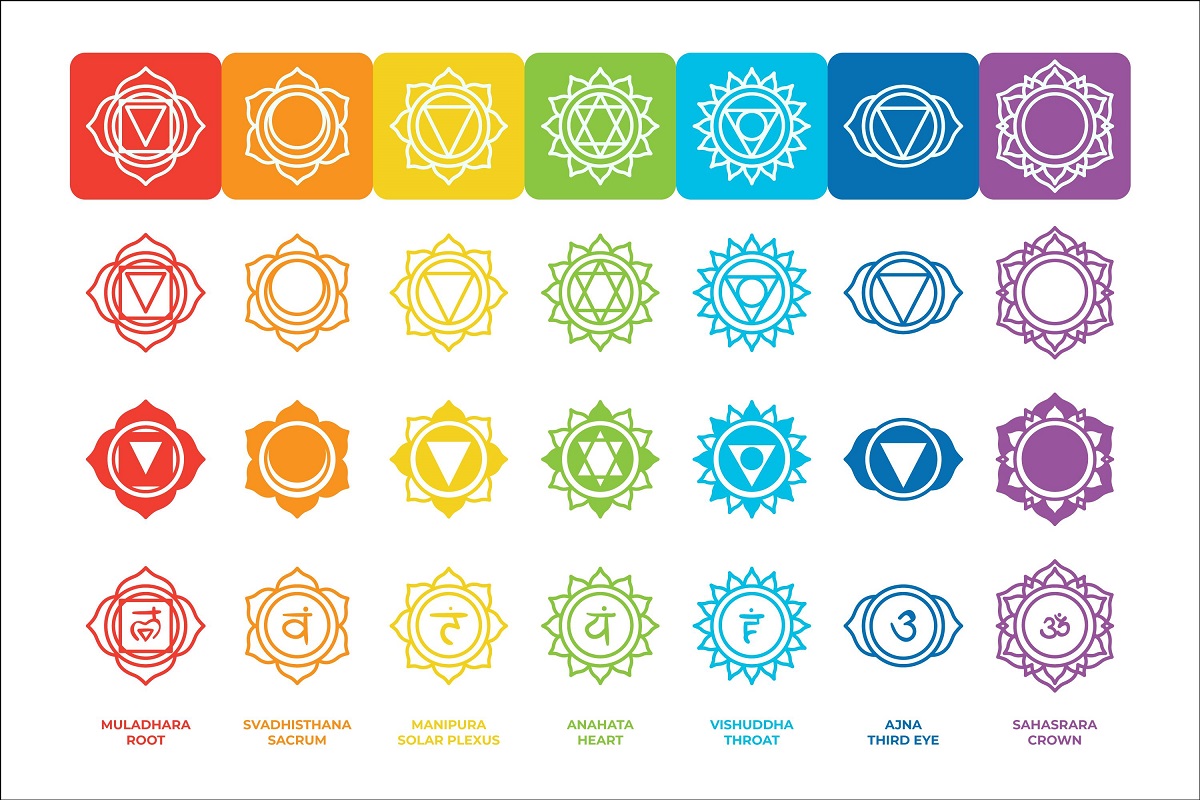
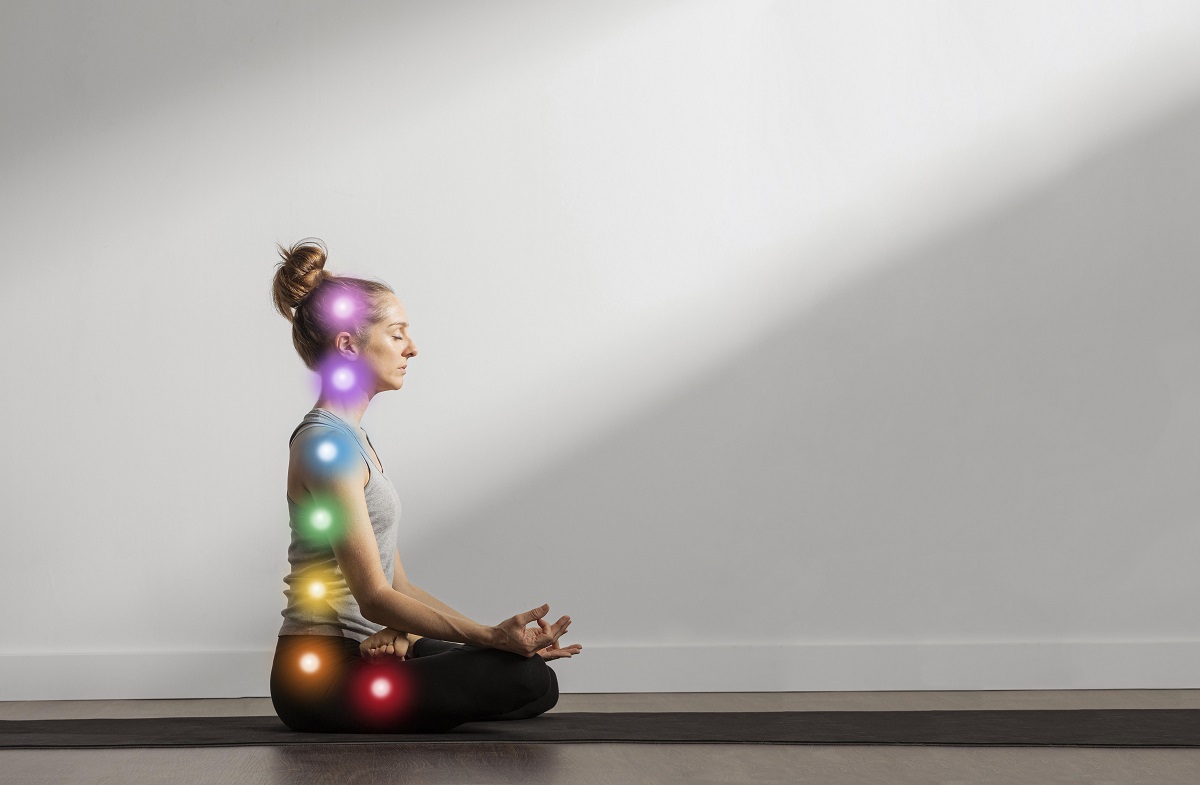
In the human body, there are seven main chakras located along the spine and up to the crown of the head. Each of these chakras plays a specific role in our overall well-being:
- First chakra: Root chakra (Muladhara)
- Second chakra: Sacral chakra (Swadhisthana)
- Third chakra: Solar plexus chakra (Manipura)
- Fourth chakra: Heart chakra (Anahata)
- Fifth chakra: Throat chakra (Vishuddha)
- Sixth chakra: Third eye chakra (Ajna)
- Seventh chakra: Crown chakra (Sahasrara)
The 7 Main Chakras and Their Meanings
The seven main chakras are connected to different areas of our body and affect our physical, emotional, and spiritual health. Each chakra plays a specific role in maintaining energetic balance within us. Understanding these chakras and their meanings helps us improve our overall well-being.
Root Chakra (Muladhara)
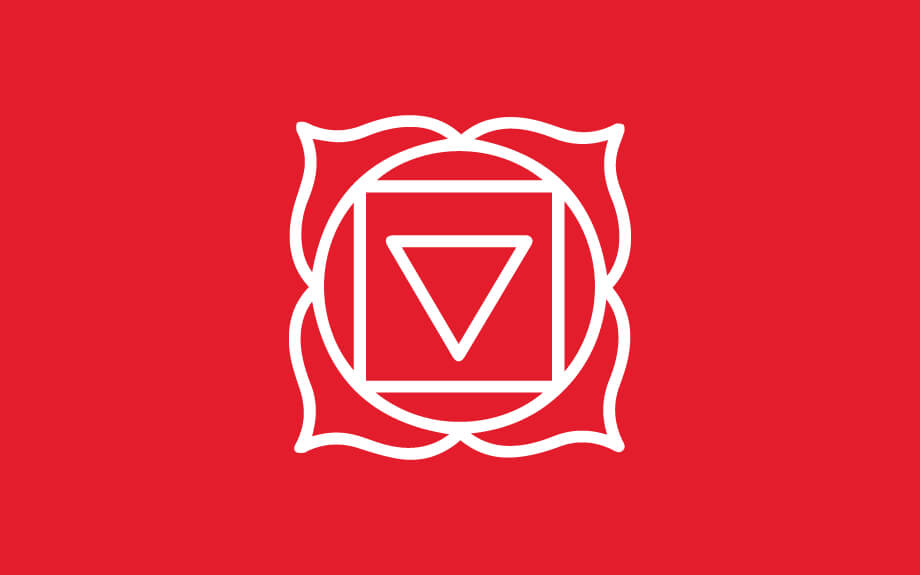
The root chakra, known as Muladhara in Sanskrit, is located at the base of the spine. This chakra is associated with survival, safety, and basic needs such as food and shelter. When the root chakra is balanced, we feel safe and connected to the earth, able to face daily challenges with confidence and stability.
Muladhara is the foundation upon which the balance of the other chakras is built. This chakra is very important for our physical and emotional stability. Practices such as meditation and connecting with nature can help keep the root chakra in harmony.
To activate and balance Muladhara, various tools and practices are used, such as specific crystals and essential oils. These tools help channel energy to the chakra, promoting its harmonization and opening. Knowing and using these elements can be a great help in our journey toward overall well-being.
- Location: in the perineum, between the anus and the genitals.
- Sound: lam.
- Element: earth.
- Colors: red activates it, green calms it.
- Crystals: all red stones (garnet, red jasper, obsidian, smoky quartz).
- Essential oils: patchouli, cedar, clove.
Sacral Chakra (Swadhisthana)
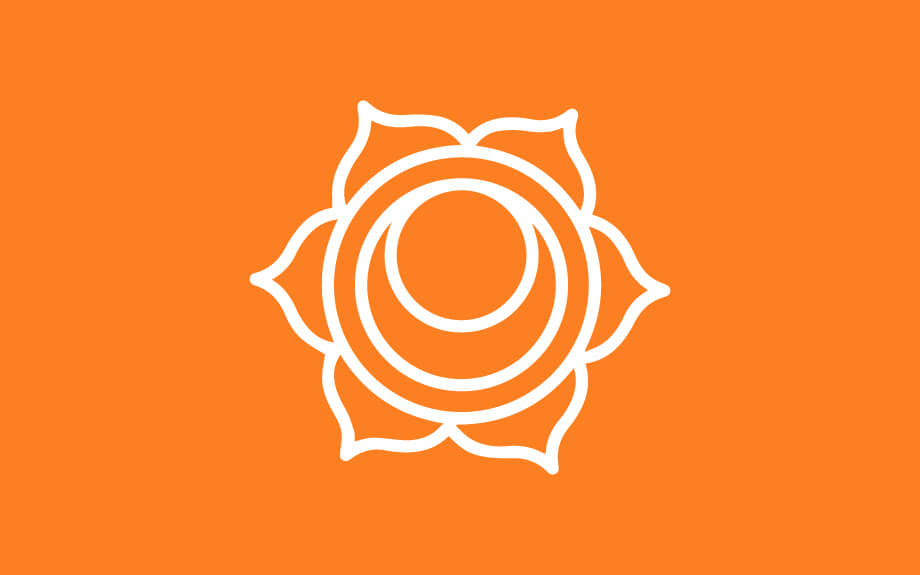
The sacral chakra, known as Swadhisthana in Sanskrit, is located in the tailbone region, just below the navel. This chakra is related to emotions, sexuality, and creativity. Swadhisthana influences our ability to experience pleasure and our emotional interactions with others.
This chakra is also linked to passion and our ability to adapt to change. A balanced Swadhisthana allows us to express our emotions freely and enjoy a healthy sex life. When it is in harmony, it fosters creativity and the ability to fully enjoy life.
To balance the sacral chakra, various practices can be used, such as dancing, art, and meditation focused on emotions. These activities help to unlock and channel creative and emotional energy, allowing it to flow freely.
- Location: just below the navel.
- Sound: vam.
- Element: water.
- Colors: orange activates it, blue calms it.
- Crystals: carnelian, moonstone, amber.
- Essential oils: sandalwood, ylang-ylang, orange.
Solar Plexus Chakra (Manipura)
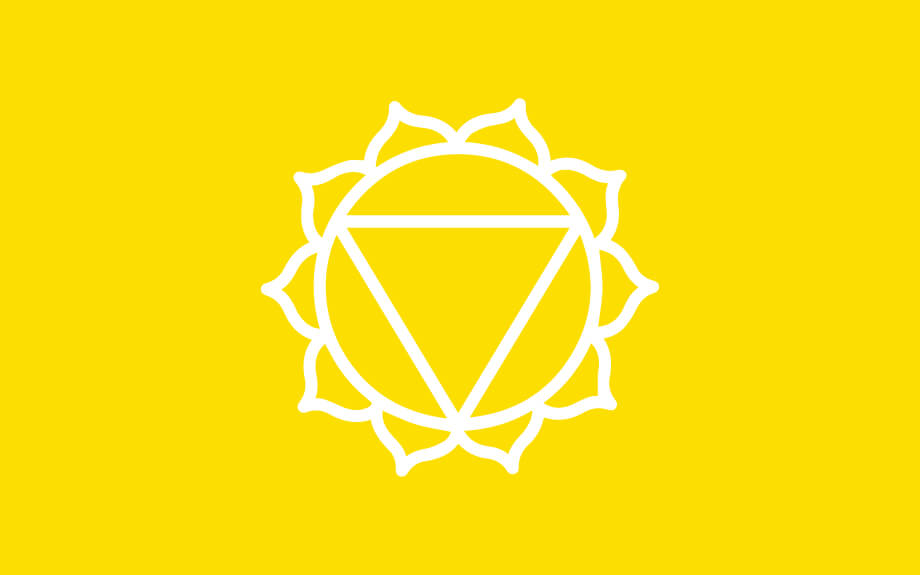
The solar plexus chakra, known as Manipura, is located in the navel area and governs the solar plexus. This chakra is related to vital energy, personal power, and will. Manipura is the center of our self-esteem and self-confidence.
When the solar plexus chakra is balanced, we feel confident in our abilities and are able to make decisions with determination. The energy of Manipura helps us set clear goals and pursue our dreams with vigor and enthusiasm. It also promotes healthy digestion and metabolism.
The balance of Manipura can be achieved through practices such as breathing exercises, positive affirmations, and physical activities that strengthen the core. These practices help activate the inner fire and maintain strong self-esteem.
- Location: navel area.
- Sound: ram.
- Element: fire.
- Colors: yellow activates it, blue calms it.
- Crystals: citrine, topaz, tiger’s eye.
- Essential oils: lemon, rosemary, ginger.
Heart Chakra (Anahata)
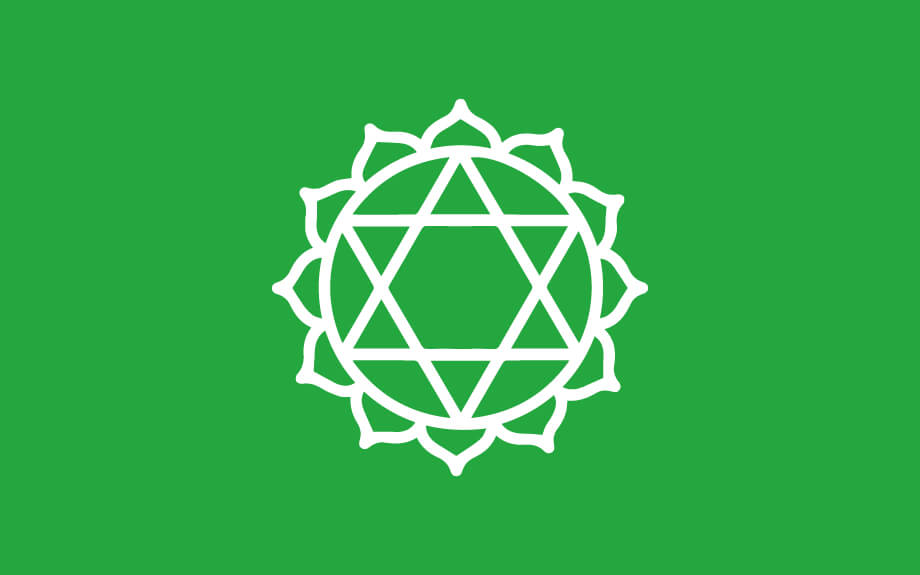
The heart chakra, known as Anahata in Sanskrit, is located at the level of the heart, in the cardiac plexus. This chakra is related to love, compassion, and empathy. Anahata is the center of our highest emotions, such as unconditional love and the ability to forgive.
A balanced heart chakra allows us to love and accept others and ourselves unconditionally. It also facilitates emotional healing and the ability to maintain healthy and harmonious relationships. The energy of Anahata promotes inner peace and emotional balance.
To activate and balance Anahata, it is recommended to practice forgiveness, heart meditation, and the use of specific crystals and essential oils. These practices help to open the heart and foster a greater connection with others.
- Location: at the level of the heart.
- Sound: yam.
- Element: air.
- Colors: green activates it, pink calms it.
- Crystals: rose quartz, jade, emerald.
- Essential oils: rose, lavender, bergamot.
Throat Chakra (Vishuddha)
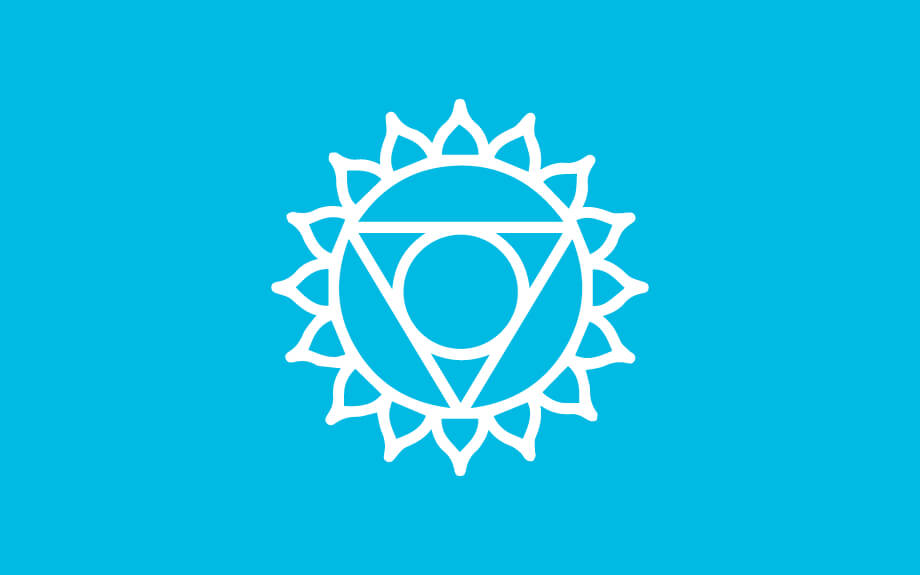
The throat chakra, known as Vishuddha in Sanskrit, is located behind the throat. This chakra is related to communication, expression, and authenticity. Vishuddha is the center of our ability to express our ideas and feelings clearly and effectively.
When the throat chakra is balanced, we are able to communicate with confidence and clarity. This chakra also influences our ability to listen and understand others. A harmonious Vishuddha promotes sincerity and authenticity in our relationships and self-expression.
To balance Vishuddha, practices such as singing, writing, and throat-focused meditation can be used. These activities help to unblock and channel energy toward open and sincere communication.
- Location: behind the throat.
- Sound: ham.
- Element: ether.
- Colors: blue activates it, white calms it.
- Crystals: aquamarine, lapis lazuli, turquoise.
- Essential oils: eucalyptus, mint, sage.
Third Eye Chakra (Ajna)

The third eye chakra, known as Ajna in Sanskrit, is located in the area between the eyebrows. This chakra is related to intuition, perception, and inner wisdom. Ajna is the center of our ability to see beyond the obvious and connect with our inner wisdom.
When the third eye chakra is balanced, we trust our intuition and are able to see life from a broader perspective. This chakra also facilitates concentration and mental clarity. A harmonious Ajna promotes the ability to visualize and manifest our goals and dreams.
To balance Ajna, it is recommended to practice meditation, visualization, and the use of specific crystals and essential oils. These practices help activate intuition and foster a deeper connection with our inner mind.
- Location: between the eyebrows.
- Sound: om.
- Colors: indigo activates it, yellow calms it.
- Crystals: amethyst, lapis lazuli, sodalite.
- Essential oils: frankincense, myrrh, juniper.
Crown Chakra (Sahasrara)
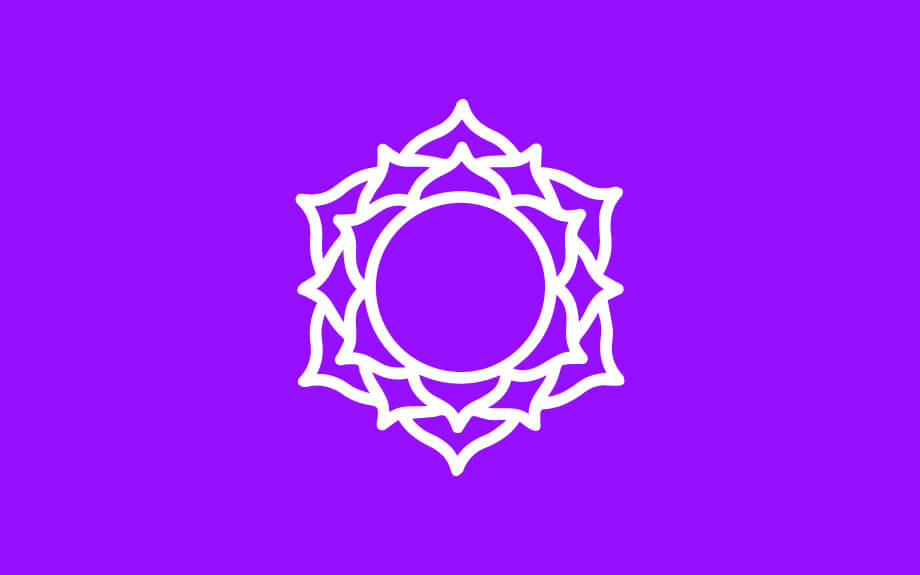
The crown chakra, known as Sahasrara in Sanskrit, is located above the crown of the head. This chakra is related to spirituality and connection with the divine. Sahasrara is the center of our spiritual connection and our understanding of the universe.
When the crown chakra is balanced, we experience a deep sense of peace and connection with the divine. This chakra also facilitates enlightenment and the expansion of consciousness. A harmonious Sahasrara allows us to transcend worldly concerns and experience a sense of unity with the universe.
To balance Sahasrara, it is recommended to practice meditation, yoga, and other spiritual practices that connect us with our divine essence. These activities help to open and activate this chakra, promoting a greater spiritual connection.
- Location: above the crown of the head.
- Sound: silence.
- Colors: violet activates it, gold calms it.
- Crystals: clear quartz, amethyst, diamond.
- Essential oils: lotus, frankincense, sandalwood.
How to Recognize When My Chakras Are Blocked?
Recognizing if your chakras are blocked is essential to maintaining energetic balance and overall well-being. Blockages in the chakras can manifest in various aspects of physical, emotional, and spiritual health. Below, we describe common signs that may indicate possible blockages in the chakras:
- Recurring physical problems: Unexplained aches, chronic illnesses, or a constant feeling of fatigue can be indicative of blockages in your chakras. Each chakra is associated with different parts of the body and their functions.
- Lack of concentration: You have difficulty focusing and maintaining attention on everyday tasks. This can reflect an imbalance in the upper chakras, affecting your mental clarity.
- Low self-esteem: You experience persistent feelings of insecurity and doubt about your abilities. Self-confidence and self-acceptance may be compromised, indicating a blockage in the lower chakras.
- Difficulty communicating: You find it hard to express your thoughts and emotions clearly and effectively. This can be a sign of a blockage in the throat chakra, affecting your ability to communicate.
- Spiritual disconnection: You feel a lack of purpose or meaning in life and find it hard to connect with your spirituality. The upper chakras, especially the crown chakra, may be blocked, preventing a deep connection with the divine.
- Problems in relationships: You encounter difficulties maintaining healthy and balanced relationships. Empathy, compassion, and the ability to give and receive love may be compromised, indicating blockages in the heart chakra.
7 Practices to Align the Chakras
Aligning the chakras is essential for maintaining a balanced energy flow in the body and promoting overall well-being. There are various practices that can help you harmonize these energy centers and improve your physical, emotional, and spiritual health. Below, we explore seven effective methods to align the chakras and maintain optimal energetic balance.
-
Meditation
Meditation is a powerful practice for aligning the chakras, as it helps to center and balance the mind and body. Regular meditation, focusing on each chakra and visualizing its energy flowing freely, can help unblock and harmonize these energy centers. Guided meditation specific to each chakra can also be very beneficial.
-
Yoga
Yoga is another effective tool for aligning the chakras, combining physical postures, breathwork, and meditation. Different asanas or yoga postures are designed to open and balance each chakra, promoting a healthy energy flow. Practicing yoga regularly helps maintain physical flexibility and energetic balance.
-
Reiki
Reiki is an energetic healing technique that can balance the chakras by channeling universal energy through the practitioner’s hands. During a Reiki session, the practitioner directs energy to the blocked chakras, helping to restore their balance and promote healing. This practice is gentle and non-invasive.
-
Nutrition
Consuming foods that correspond to the colors of the chakras can help maintain their energy in harmony. For example, red foods for the root chakra or green foods for the heart chakra can strengthen and balance these energy centers.
-
Physical Exercise
Regular physical exercise is essential to keep the chakras balanced. Activities such as walking, swimming, or dancing can stimulate the flow of energy throughout the body. Staying physically active helps release energetic blockages, promoting overall balance in the chakra system.
-
Crystals
Crystals are natural tools that can be used to balance the chakras. Each crystal has specific properties that resonate with different chakras. Placing crystals corresponding to each chakra on the body during meditation or carrying them with you can help harmonize and activate these energy centers.
-
Aromatherapy
Aromatherapy uses essential oils to balance the chakras through the sense of smell. Inhaling essential oils or applying them to specific points on the body can positively influence the state of the chakras. Each essential oil has properties that can help open and balance the chakras, promoting physical and emotional well-being.