The Origins of Shamanism
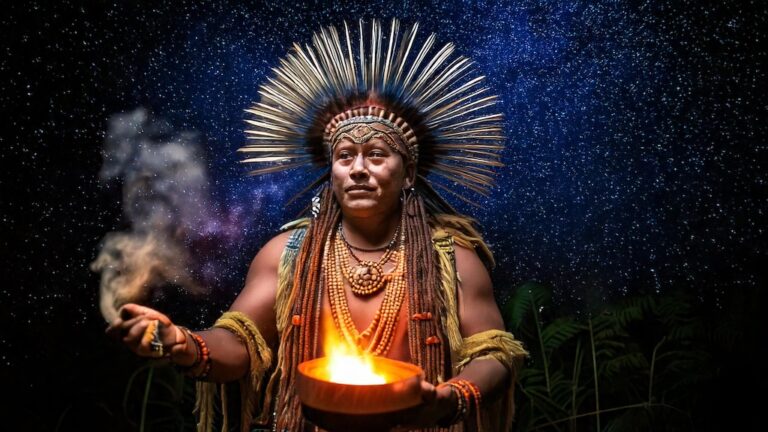
Shamanism has a long and storied history, considered by some to have originated in Siberia where members of indigenous tribes would gather the sometimes poisonous and highly psychoactive fly agaric or Amanita muscaria mushroom. But when this practice was recognized and classified as shamanism, it became apparent many cultures around the world conducted similar practices.
Shamanic Mysticism
It might just be the oldest spiritual practice in the world – one that is not necessarily based on faith in a particular god, but rather based on animism, the belief that everything is living and has a spirit.
Shamanism has persisted all over the world since its inception in ancient native cultures, including Siberian, Indian, Native American, and South American Shamans. Shamanism has had to fight oppression from governments and religions worldwide that perceive it to be a manic and primitive tradition. But its mysticism and continued practice remain strong throughout disparate tribal cultures, many of which had little to no contact for centuries, despite their very similar traditions, beliefs, and rituals.
So what is shamanism? Shamanism is thought to be the key to existence — as long as shamanic rituals are practiced we will continue to exist. Shamans are a link between our plane and higher planes of existence. They link to the spirit world in order to heal, contact deceased ancestors, influence the weather, and uplift consciousness.
Shamanism, a practice as ancient as the whispers of the wind, has danced through centuries, weaving its magic into the very fabric of human spirituality. Rooted in a kaleidoscope of various cultures across the globe, shamanism connects the physical and spiritual realms, where shamans act as intermediaries, uncovering profound wisdom and healing. From its beginnings in northern Asia to its modern popularity in South America, the story of shamanism’s emergence reveals why it continues to enchant and inspire seekers today.
Where Did Shamanism Originate?
Shamanism is believed to have originated in the ancient cultures of Siberia and Central Asia, particularly among the indigenous tribes of Siberia and Mongolia. The term “shaman” itself derives from the Tungus word saman, meaning “one who knows.” Anthropologists suggest that shamanic practices date back to the Paleolithic era, as evidenced by ancient cave art depicting shamanistic rituals and symbols.
Shamanism’s core belief system is animism—the understanding that every stone, tree, and creature carries a spirit. Shamans, with their unique ability to enter trance states and journey through unseen worlds, seek guidance, perform healing rituals for the sick, and speak with animal spirits and ancestors, weaving the threads of life and afterlife into a spiritual tapestry. These foundational practices reflect humanity’s ancient desire to find harmony with nature and the cosmos.
Shamanic Practices Across Cultures
Over time, shamanism spread across continents, influencing spiritual traditions in regions such as North and South America, Africa, and Scandinavia. Despite cultural differences, core elements like spirit communication, healing, and altered states of consciousness remain consistent across shamanic traditions worldwide.
Siberian Shamanism
Siberia is often celebrated as the cradle of shamanism. Here, shamans were revered as cosmic travelers, bridging earthly existence with the spirit world. To achieve these otherworldly journeys, Siberian shamans turned to the Amanita muscaria mushroom, a potent hallucinogen requiring great skill to prepare safely. This sacred ritual was not merely a journey but a profound act of spiritual stewardship for the community.
The yurt, a symbol of unity among the heavens, earth, and underworld, played a pivotal role in their ceremonies. Its central smoke hole was believed to be a pathway to the cosmos, guiding shamans on their spiritual quests. Despite repression under Soviet rule, when many Russian authorities sought to suppress indigenous practices, these traditions survived and have since flourished. Modern Siberian shamanism, including Tengerism, emphasizes environmental harmony and reverence for life.
South American Shamanism
In the heart of the Amazon rainforest, shamanism pulses with a vibrant connection to nature. South American shamans, often associated with the jaguar—a creature of power and mystery—embraced transformative rituals to embody the jaguar’s spirit. These practices often included Ayahuasca, a sacred brew that opens the gates to the spirit world.
Ayahuasca ceremonies are more than spiritual rites; they are deeply immersive experiences where participants embark on journeys of self-discovery and healing. Guided by the shaman’s icaros—songs infused with spiritual energy—and the rhythmic shaking of rattles, these ceremonies symbolize the interconnectedness of the cosmos, with every sound and chant serving as a bridge to the hidden realms. The jaguar’s symbolism underscores the belief in transformation and the power to navigate between worlds.
North American Shamanism
Across Native American cultures, shamans—known as medicine men or women—stand as pillars of healing and spiritual guidance. Their role extends beyond the individual, addressing the health and balance of the community and the environment. North American shamans achieve altered states of consciousness through fasting, isolation, or ceremonial deprivation, their tools of connection often including drums and chants that echo through the spirit realm.
In the Arctic, where the icy winds weave stories of resilience, shamanic practices share deep roots with Siberian traditions. These northern shamans emphasize a harmonious relationship with nature, mirroring the interdependence of their harsh yet beautiful environment. Together, they highlight a spiritual lineage that transcends borders and time.
Do Shamans Still Exist?
Despite the tides of organized religion and modern skepticism, shamanism endures, vibrant and alive. In Siberia, Tengerism has gained recognition as a national religion, blending ancient shamanic wisdom with contemporary values of environmental harmony and coexistence. South America’s Ayahuasca ceremonies continue to draw both local devotees and global seekers, eager to experience its transformative power.
In North America, indigenous communities uphold shamanic traditions, adapting them to the rhythm of modern life. Beyond these roots, a global revival has emerged, where workshops and teachings bring shamanic practices into a new age, blending time-honored wisdom with present-day understanding. This resurgence is not merely a return to the past but a call for spiritual connection in a modern world yearning for balance.
Shamanism: A Global Phenomenon
The threads of shamanism weave through every corner of the earth. In Mongolia, shamans stand as healers and protectors, their ceremonies steeped in mysticism. Across South Asia, Africa, and parts of Europe, such as Hungary, the echoes of shamanic rituals resonate, revealing a universal longing for connection to the unseen.
Through drumming, chanting, and sacred hallucinogens like peyote, shamans across cultures access altered states, channeling the wisdom of spirit guides and ancestors. Their practices transcend the physical, touching the heart of human spirituality and illuminating the shared human experience of seeking meaning and healing in the unknown.
Evolution and Modern Relevance
In today’s world, the ancient practice of shamanism continues to inspire. Many turn to shamanic traditions for personal growth, spiritual awakening, and a deeper sense of interconnectedness. Figures like Michael Harner have brought shamanism into global consciousness, melding ancient practices with modern perspectives. Shamanism’s timeless wisdom offers a path to understanding the mysteries of life, nature, and the spirit, reminding us that the answers we seek are often found within.
Shamanism, with its roots in the sacred soil of Siberia and its branches reaching across continents, remains a profound spiritual tradition. It bridges the realms of the seen and unseen—offering healing, guidance, and a sense of wonder to those who seek its wisdom. As it continues to evolve, shamanism invites us to explore the boundless possibilities of existence, reminding us that the journey between worlds is one of endless discovery and reverence.
About the Author

Exploring the Sacred Four Directions and Medicine Wheel in Native American Culture
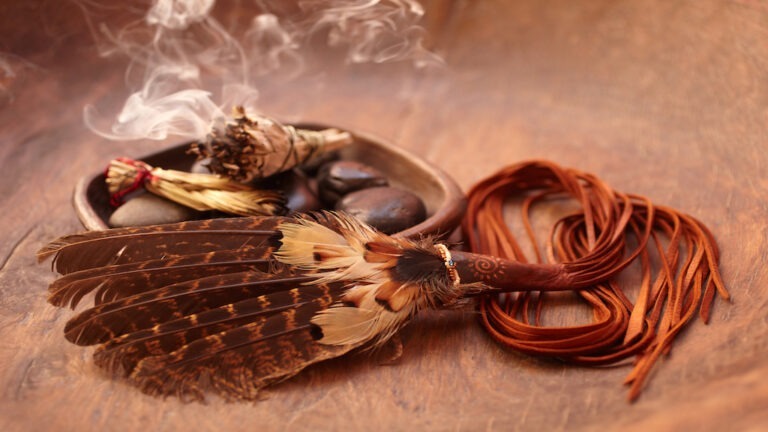
The Native American tradition of recognizing the Four Directions—East, South, West, and North—and the central concept of the Medicine Wheel capture profound spiritual significance and cultural values across numerous indigenous communities. This revered system honors not only the physical elements of the world but also the stages of life, sacred directions, and the cycles of life inherent in Mother Earth. This article delves into the symbolism of each direction and the comprehensive meaning of the Medicine Wheel in Native American tradition.
Insights into the Four Directions
Each of the cardinal directions holds a unique symbolic meaning across many Native American traditions. The directions are commonly associated with specific colors, elements, animals, life stages, seasons, sacred plants, and spiritual attributes. While interpretations may vary by tribe, the following reflects widely recognized associations:
East – Air
- Color: Yellow
- Animal: Eagle
- Element: Air
- Season: Spring
- Life Stage: Birth / New Beginnings
- Sacred Plant: Tobacco or Sweetgrass
- Significance: East represents the rising sun, clarity, wisdom, and new beginnings. It is the direction of vision, spiritual insight, and awakening—energizing the day with light and understanding.
South – Water
- Color: Red
- Animal: Buffalo
- Element: Water
- Season: Summer
- Life Stage: Youth
- Sacred Plant: Cedar
- Significance: South symbolizes warmth, trust, and emotional growth. Aligned with water, it reflects fluidity, learning through experience, and the nurturing energy of summer.
West – Earth
- Color: Black
- Animal: Bear
- Element: Earth
- Season: Autumn
- Life Stage: Adulthood / Maturity
- Sacred Plant: Sage
- Significance: West is associated with introspection, grounding, and maturity. As the sun sets, it invites reflection and connection to the natural world, offering wisdom through self-awareness.
North – Fire
- Color: White
- Animal: Moose
- Element: Fire
- Season: Winter
- Life Stage: Elderhood / Wisdom
- Sacred Plant: Sweetgrass or Sage
- Significance: North represents endurance, cleansing, and transformation. It is a place of strength and resilience, where fire symbolizes purification and the wisdom gained through life’s challenges.