Scientists Create Human-Sheep Hybrid; Are We Playing God?
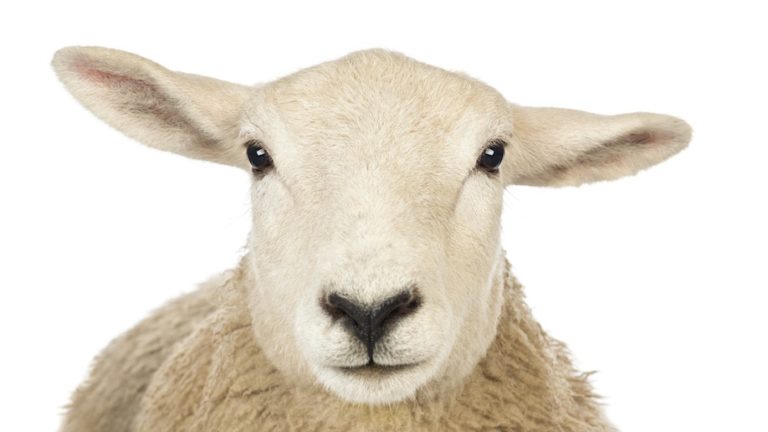
A team of scientists successfully bred the first human-sheep hybrid, developing technology that could expand the availability of organs for transplant procedures. The embryo wasn’t allowed to develop past 28 days, but that hasn’t made this creation of chimeras any less controversial.
Human-Sheep Chimeras
The recent breakthrough is the second of its kind after scientists successfully crossbred human and pig cells last year. They initially chose pigs as an ideal candidate for hybridization due to similarities in organ structure, but their attempts yielded too low of a human cell count to effectively grow compatible organs.
With this latest chimera, scientists have increased the cell count ratio of human to sheep cells to one in ten thousand, a tenfold improvement from the human-pig hybrid. But in order to grow a human organ, the team thinks it would need to improve that ratio to one in a hundred.
The demand for healthy organs continues to rise globally, with over 115,000 people on a waiting list for a lifesaving organ in the U.S. alone. On average, there are nearly 100 transplants that take place in the U.S. every day.
With the demand for certain organs outpacing supply, some countries have used questionable practices to appease those shortages. The development of hybrids through genome editing and stem cell research has presented a potential opportunity to solve the problem without the need for a human donor. Though it hasn’t been met with universal acceptance.
Scientists use the CRISPR and Cas9 gene editing tools to isolate specific strands of animal DNA and replace them with human DNA, essentially hacking into the evolutionary process. In addition to sheep and pigs, the technology was used to cure disease and implant human brain cells in rodents, inevitably begging the question of whether this could result in humanlike consciousness in animals or any number of other horrifying possibilities one might imagine.
Though the ostensible intentions of these project are benevolent, some feel as if scientists are playing god. It’s not hard to imagine countries with fewer ethical dilemmas acquiring access to the technology and creating deformed creatures with a greater capacity for consciousness.
But scientists working on the project have attempted to assuage those fears, saying their work could save the lives of thousands waiting for a transplant if research is continued further. In many countries, including the U.S. and U.K. there are laws preventing scientists from developing hybrid embryos past a certain stage, though this latest research has started to open up the possibility for approval on a case-by-case basis.

About the Author

Popular Cereal, Granola Found to Contain Unsafe Levels of RoundUp

You might want to think twice before pouring yourself a bowl of your favorite cereal or granola, as Monsanto’s likely-carcinogenic products have probably contaminated your breakfast. Glyphosate, the active ingredient in the herbicide RoundUp has been found at unsafe levels in popular cereals such as Lucky Charms, Cheerios and Nature Valley granola, according to a recent study.
The study was published by the Environmental Working Group (EWG) – a philanthropic research group dedicated to studying the effects of toxic chemicals on children’s environmental safety. The group set a benchmark for safe levels of glyphosate in food products at 160 parts per billion (ppb), to test 45 conventional products and 16 organic products. Of those, 43 conventional products tested positive for glyphosate, while 5 organic products tested positive, though none of the organic products exceeded EWG’s safety benchmark.
The conventional products that tested high included Lucky Charms around 315 ppb; Quaker Dinosaur Egg Instant Oatmeal between 700 ppb; Quaker’s Old-Fashioned Oats between averaged 930 ppb; Nature Valley Granola Bars around 340 ppb; and Cheerios Whole Grain Oat Cereal averaged 497 ppb.
For a full list of the snacks and cereals tested for glyphosate look here.
EWG’s study was sparked by a recent lawsuit, which awarded $289 million to a man dying of cancer linked to his use of Monsanto’s RoundUp. Hopefully, this latest development will finally bring about the awareness needed for glyphosate-based products to be banned from use or highly regulated.