5 Cooling Practices to Tame the Fires of Pitta

Did you know that Pitta has five fires? In Ayurveda, the pitta dosha—being the elements of fire and water—has five fires or functions. These five forms of agni or fire all serve to provide or promote active transformation on some level in mind and body. These five fires are called Sadhaka (intelligence/light of the mind), Alochaka (sight/visual perception), Pachaka (digestive fire), Bhrajaka (lustre/glow of the skin) and Ranjaka (imparts healthy color to blood/liver/excretions).
These are the functions of pitta in the body and keeping the fires burning bright means keeping them from consuming everything in a blaze, or from becoming extinguished and lackluster. So we need to keep the pitta fires in balance with practices that contribute to the overall health of body and mind, especially in the summertime.
5 cooling, soothing practices for the 5 fires of pitta:
Balance Sadhaka Pitta (the mind)
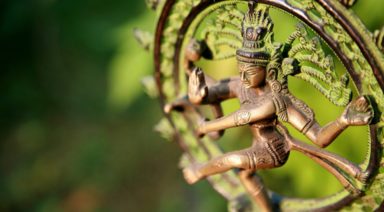
Incorporate soothing meditations for the mind. Five minutes is better than none at all. Avoid negative, critical thoughts. Chant Om Namah Shivaya (I bow to my highest Self, my Innate Perfection). Pitta can be super critical of self and others and is always striving for perfection. This mantra brings peace to the mind and encourages self-acceptance and love.
Balance Alochaka Pitta (the sight)
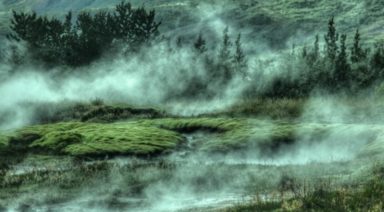
Cooling colors, gemstones and visual scenery—waterfalls, meadows, lakes, rivers, ponds. Think greens, blues, aquas, and white. Use or wear gemstones such as moonstone, chrysoprase, serpentine, jade, opal, pearl. Avoid harsh, violent films and garish visuals and colors.
Harmonize Pachaka Pitta (The Digestive Fire)
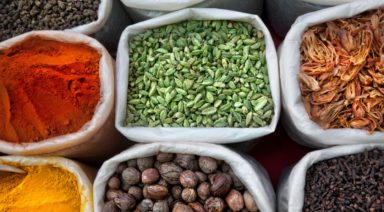
Keep the digestive fire balanced with cooling foods in the summer such as: cucumbers, salads, fennel, coriander, coconut water, dandelion, rice, sweet fruits. Avoid spicy, pungent, sour, salty, processed and oily foods. Eat for your body type.
Soothe Bhrajaka Pitta (The skin)
Nourish the skin with aloe; coconut oil; Pitta face/body oil with mentha, artemisia, and rosewood; aromatic spritzers with rose, orange blossom, lavender, peppermint. Avoid sunburn, excess heat, oily foods and remember to drink enough fresh water.
Detox Ranjaka Pitta (The liver and blood)
Enjoy liver tonics and elixirs of bitter greens; fresh juicing; herbal teas of fennel, coriander, rose, dandelion, and neem. Avoid heavy, oily foods and processed, refined and chemically preserved foods.
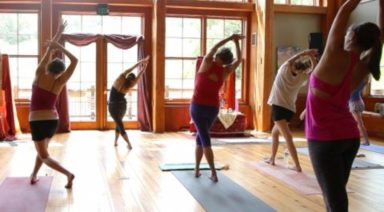
Ayurvedic practices observed seasonally bring health to the body and mind and when preparing your practice for the summer. Be mindful of keeping the pitta fires in balance. All of them!
About the Author

Spinning the Seven Sacred Centers: Ayurveda And the Chakra

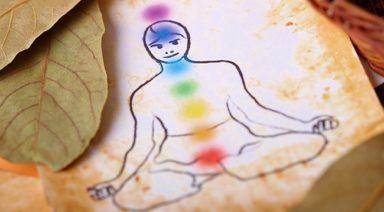
The popular seven chakra system is well known in the West. Chakra, meaning vortex or wheel, are the sacred centers of spiritual transformation. Everything from clothing, home décor, and oracle cards sport the seven subtle centers with their associated rainbow of colors. Popular western literature corresponds each of the chakras with a fundamental human need. The root chakra, or Muladhara, is associated with the need for survival.
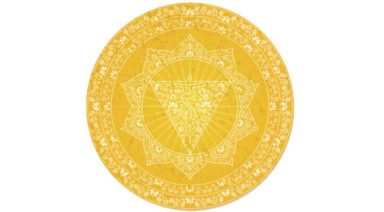
The second chakra, Swadisthana, is associated with the need for emotional flow, desire, and sexuality. The third chakra, Manipuri, is associated with self-worth. The fourth chakra, Anahata, is associated with love. The fifth chakra, Vishudhi, is associated with the need for expression. The sixth chakra, Ajna, is associated with insight and intuition. And the 7th or crown chakra, Sahasrara, is associated with connection to the divine.
However, ancient scriptures on the chakras such as the 16th-century text, Sat Chakra Nirupama, do not associate the seven chakras with fundamental human needs. This association was, to my knowledge, first made by Carl Jung in a series of lectures that have been republished as “The Psychology of Kundalini Yoga”(1932).
Likewise, the association of rainbow colors (red for the 1st chakra, orange for the 2nd and so on up to purple at the crown) was made first in the 1970s in a book titled “Nuclear Evolution: Discovery of the Rainbow Body,” by Christopher Hills. Ancient Sanskrit and Tibetan texts on chakras and the subtle energetic body (also known as the Pranamayakosha) have various numbers of chakras and a variety of color schemes that do not follow the “ROYGBIV” rainbow-schema.
For better or worse, the seven chakra system has become reified in yogic culture; the seven chakras system is the “standard” system with which most students and teachers of yoga are familiar with. Many students and teachers of yoga may also have some familiarity with Ayurveda, the “Science of Life.” Ayurveda is a system of earth-based holistic medicine that was originally developed in ancient India but has evolved for contemporary application. Ayurveda uses three archetypal categories, called doshas, to understand balance in the body.
These categories are Vata, Pitta, and Kapha. Vata is like air and ether. It is light, dry, and cold, and responsible for everything in the body that moves, communicates, and transports. Pitta is like fire. It is hot and slightly damp. Pitta is responsible for digestion, metabolism, and transformation in the body. Finally, Kapha is similar to earth and water. It is slow and stable. Wet and cold. Kapha is responsible for our stability, immunity, and strength.