Complete Guide to Mudras and Their Meanings
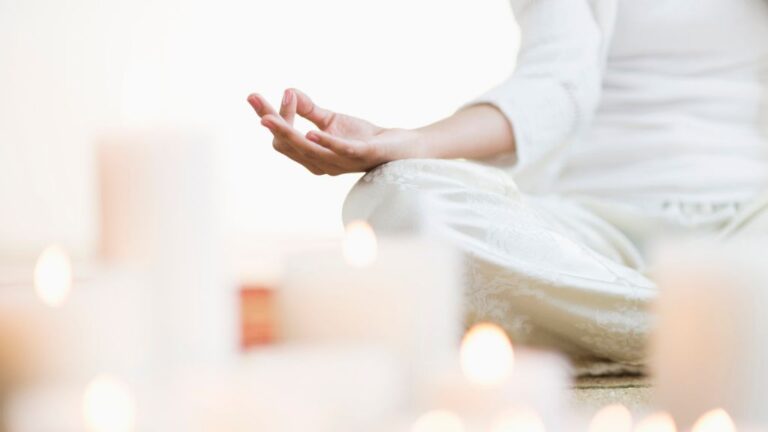
Mudras are symbolic gestures performed primarily with the hands and act as tools to channel the body’s energy. These specific positions have a direct effect on the physical, mental, and spiritual state, and have been used for centuries in practices such as yoga, meditation, and energy healing. In this article, we explore what mudras are, how they are applied, and the meaning behind some of the most powerful ones.
Table of Contents
- What Are Mudras and What Are They For?
- In What Practices Are Mudras Used?
- The Most Powerful Mudras and Their Meanings
- Prana Mudra, the Mudra of Vital Energy
- Gyan Mudra, the Mudra of Wisdom and Knowledge
- Surya Mudra, the Mudra of the Fire Element
- Uttarabodhi Mudra, the Mudra of Spiritual Transformation
- Vayu Mudra, the Mudra of the Air Element
- Shambhala Shield, the Mudra of Protection and Strength
- Shunya Mudra, the Mudra of Emptiness and Pacification
- Apan Mudra, the Mudra of Purification and Elimination
- Prithvi Mudra, the Mudra of Stability and Balance
- Benefits of Practicing Mudras with the Hands
- Are Mudras Only Performed with the Hands?
- History of Mudras: What Is Their Origin?
What Are Mudras and What Are They For?
Mudras are energetic gestures that have been practiced since ancient times in traditions such as Hinduism and Buddhism. Their main purpose is to redirect the flow of vital energy (prana) within the body, helping to restore internal balance and enhance different states of consciousness. Although they are most commonly practiced with the hands, there are also full-body mudras that incorporate specific postures and movements.
From a physical perspective, mudras stimulate energetic points that connect with the nervous system’s channels and with the vital organs. When a mudra is maintained for several minutes, it activates an energetic circuit that can influence health, concentration, mental calm, or energy levels. This activation can be useful for relieving symptoms, releasing tension, or improving focus during meditation.
On an emotional and spiritual level, mudras function as symbolic keys that allow one to access deep mental states and facilitate personal transformation processes. Some mudras support introspection, while others awaken qualities such as confidence, wisdom, or determination. Their effects are not immediate, but with consistent practice, their benefits become increasingly evident.
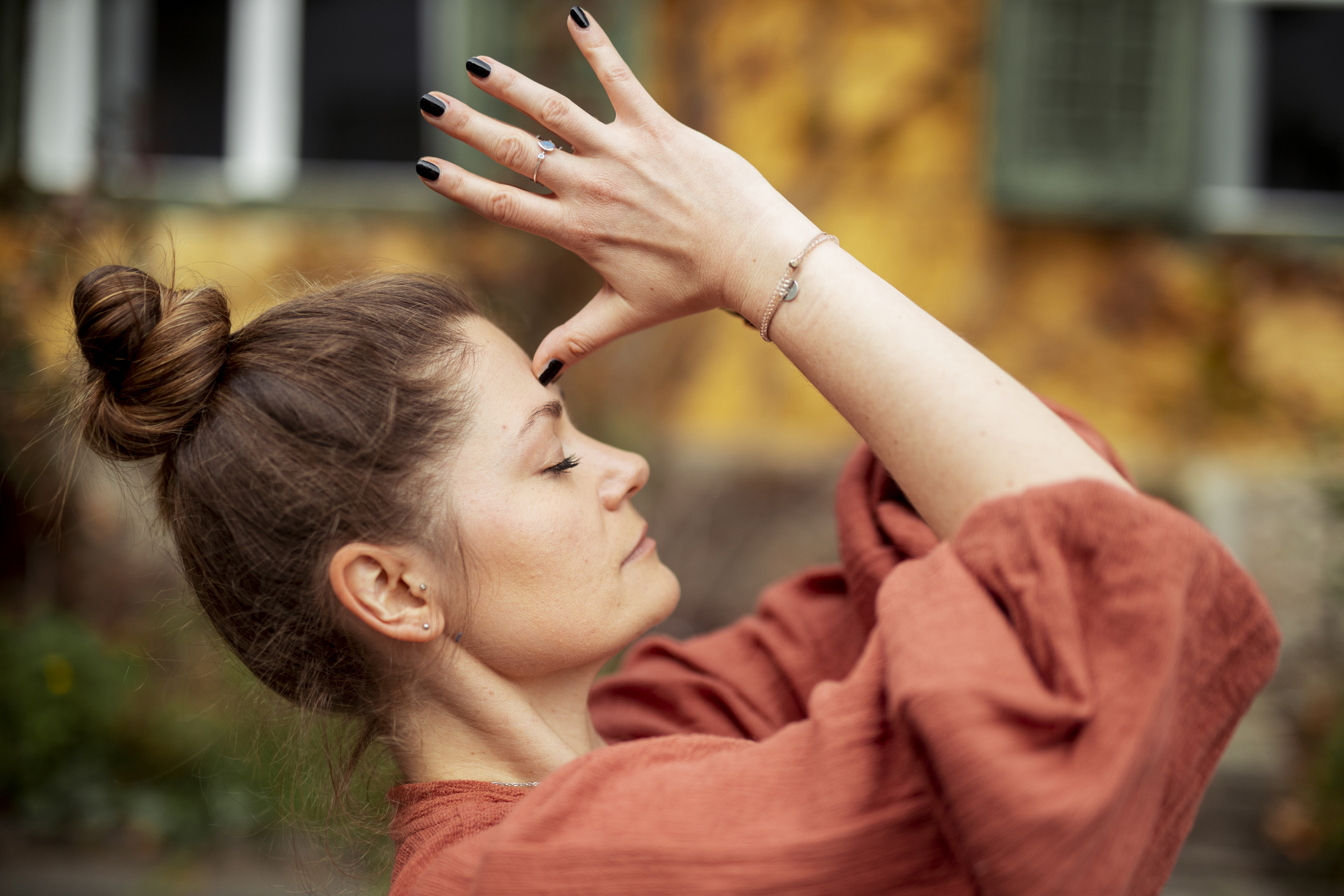
In What Practices Are Mudras Used?
Mudras are naturally integrated into various spiritual and therapeutic disciplines, such as yoga, meditation, pranayama, and some forms of ritual dance. They are also present in religious ceremonies of Hinduism, Buddhism, and Taoism, where they are used as symbols of devotion, divine connection, and spiritual protection. Today, they are widely employed in contemporary wellness practices due to their simplicity and effectiveness.
Mudras in Yoga
In the context of yoga, mudras are an extension of the energetic practice. They accompany both physical postures (asanas) and breathing exercises (pranayama), acting as catalysts that intensify the effects of each technique. By incorporating a mudra into the practice, the channeling of prana to specific areas of the body is facilitated, and greater coherence is created between intention, breath, and movement.
Beyond the energetic component, mudras in yoga also bring a meditative focus. Each gesture has a particular symbolism that invites introspection and full presence. In this way, the practitioner not only strengthens their physical body but also trains the mind to remain in balance and connected to its spiritual dimension.
Mudras for Meditation
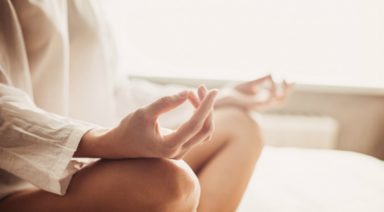
In meditation, mudras are used as a pathway to stabilize the mind and deepen concentration. By adopting a specific mudra, a neurophysiological response is activated that can induce calm, clarity, or emotional openness, depending on the type of gesture. This practice helps reduce mental scattering and sustain a meditative state for longer periods.
In addition to the effect on the mental state, mudras in meditation allow for working with clear intentions: from cultivating compassion to stimulating intuition or strengthening inner will. Each mudra acts as a symbolic channel that connects the practitioner’s intention with their subtle energy, offering a silent but powerful support for inner work.
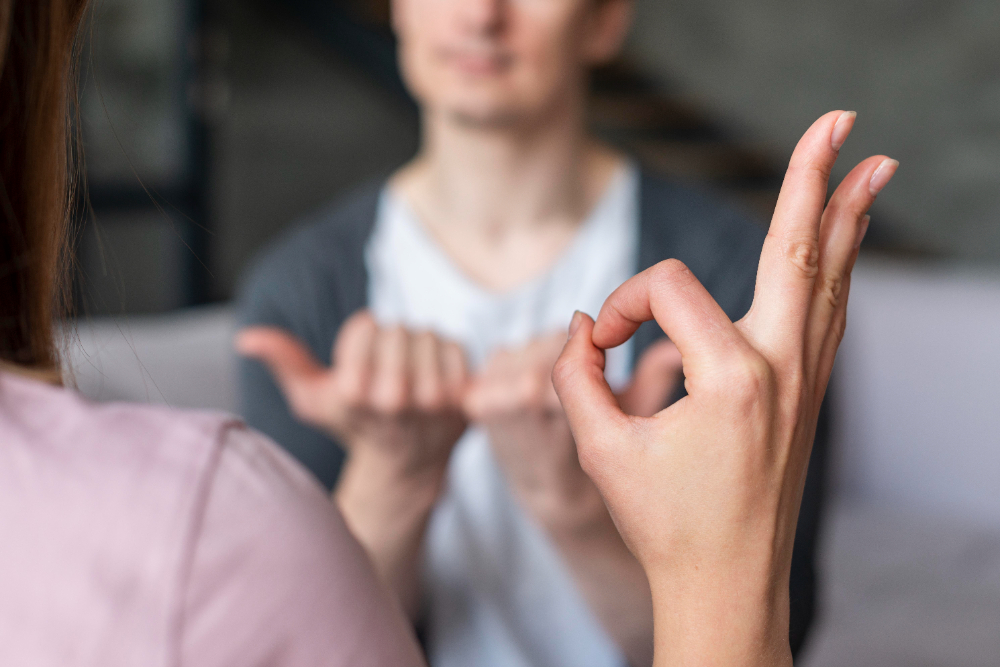
The Most Powerful Mudras and Their Meanings
There are dozens of mudras, but some stand out for their ability to activate essential qualities such as vital energy, wisdom, inner balance, or spiritual transformation. These gestures have practical applications in everyday life and can be used to enhance well-being, deepen meditation, or accompany personal processes of healing and growth.
Prana Mudra, the Mudra of Vital Energy
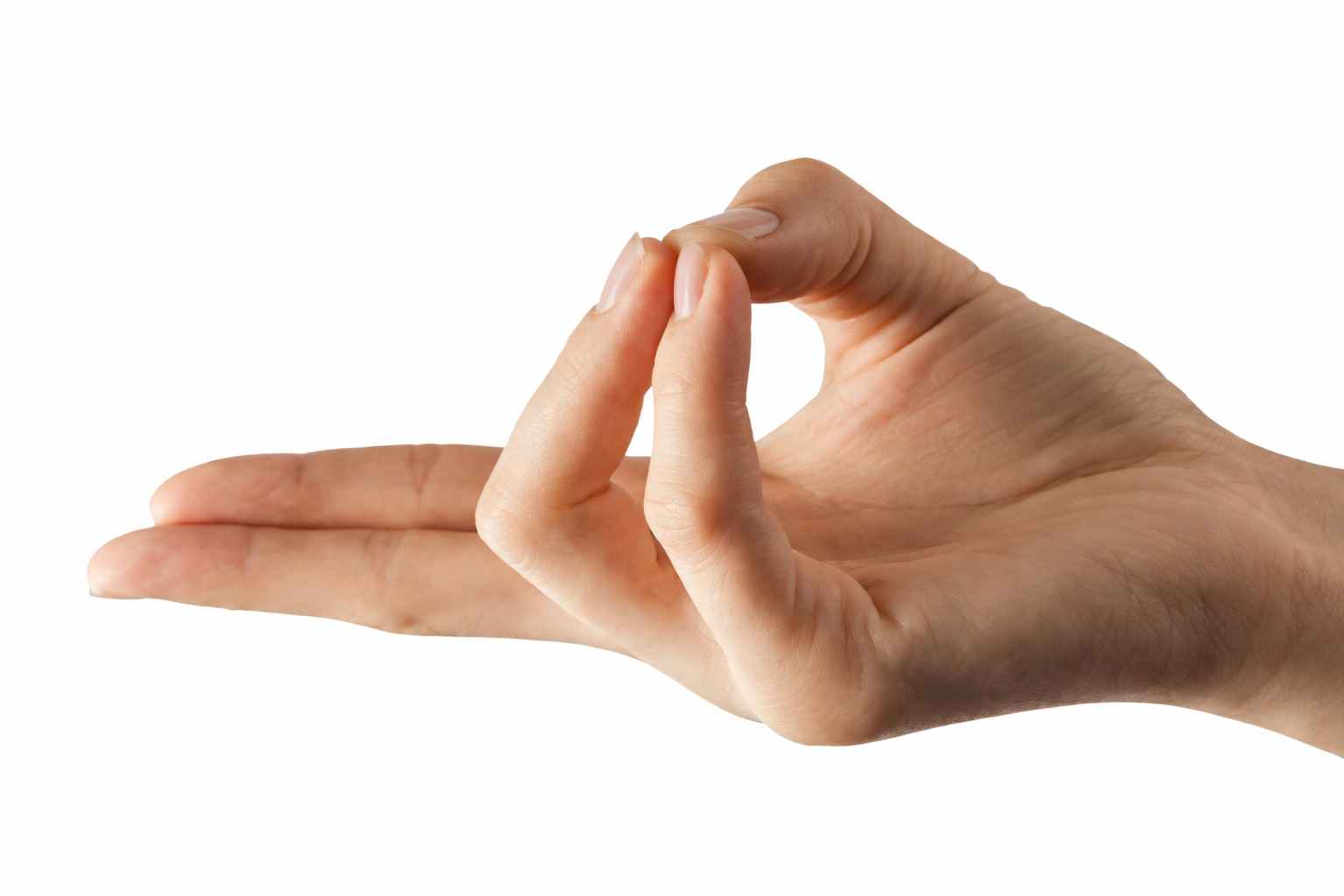
Prana Mudra is related to the awakening and the distribution of vital energy in the body. Its practice is especially useful in moments of fatigue, exhaustion, or lack of motivation, as it stimulates the flow of prana and strengthens the immune system. It is a recommended mudra for revitalizing oneself, both physically and mentally.
It can also support emotional balance, as it mobilizes stagnant energy and helps to unblock internal areas where tension accumulates. That is why it is a powerful tool for those who need to regain inner strength, clarity, and dynamism in their daily life.
Gyan Mudra, the Mudra of Wisdom and Knowledge
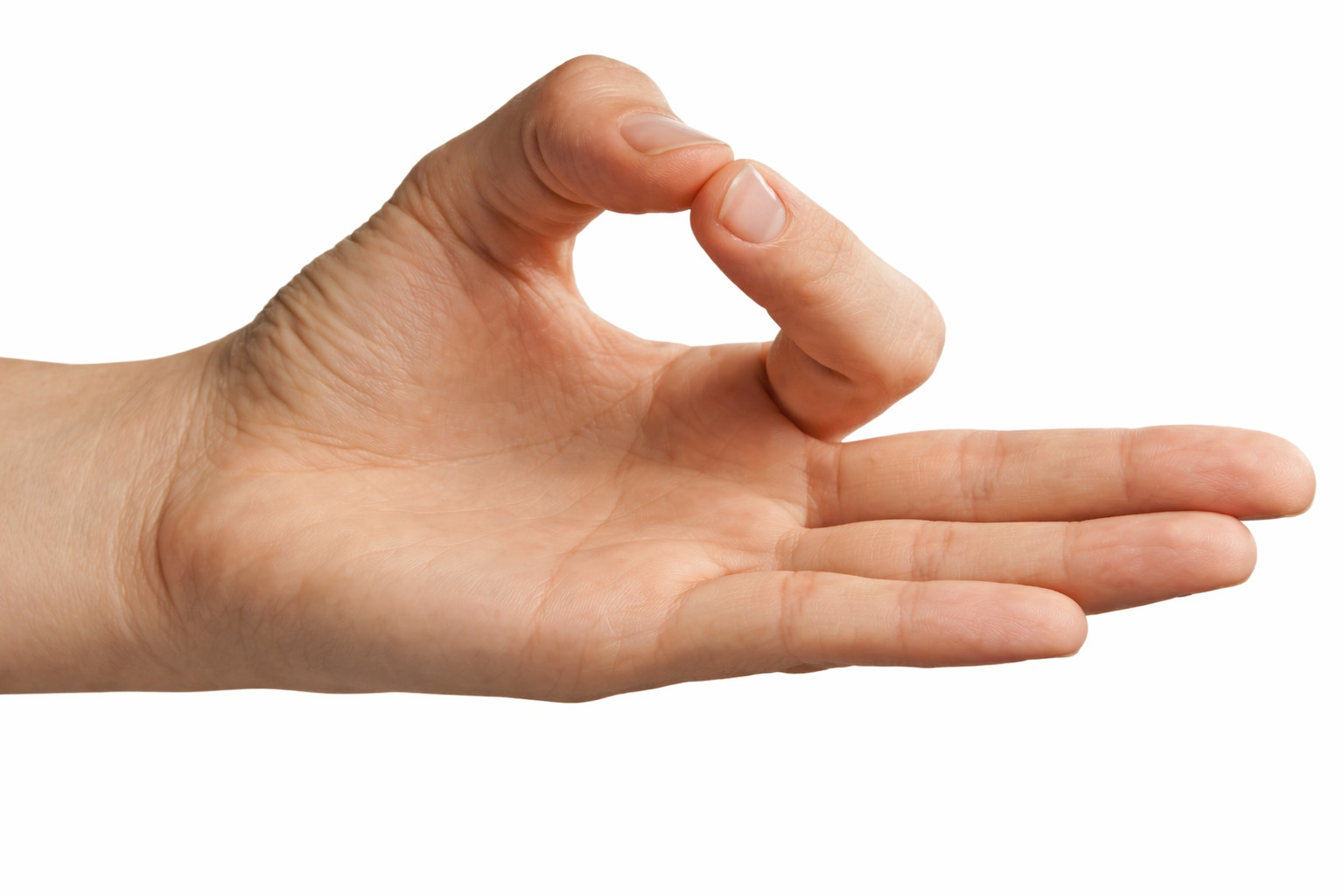
Gyan Mudra is one of the most commonly used in meditation and yoga due to its effect on the mind. It is associated with the activation of knowledge, concentration, and clear perception. Regular practice helps to calm mental activity and facilitate states of deep focus.
In addition to its cognitive effect, this mudra has a spiritual dimension. By stimulating the connection with inner knowledge, it becomes a tool for personal growth, conscious learning, and the awakening of intuition.
Surya Mudra, the Mudra of the Fire Element
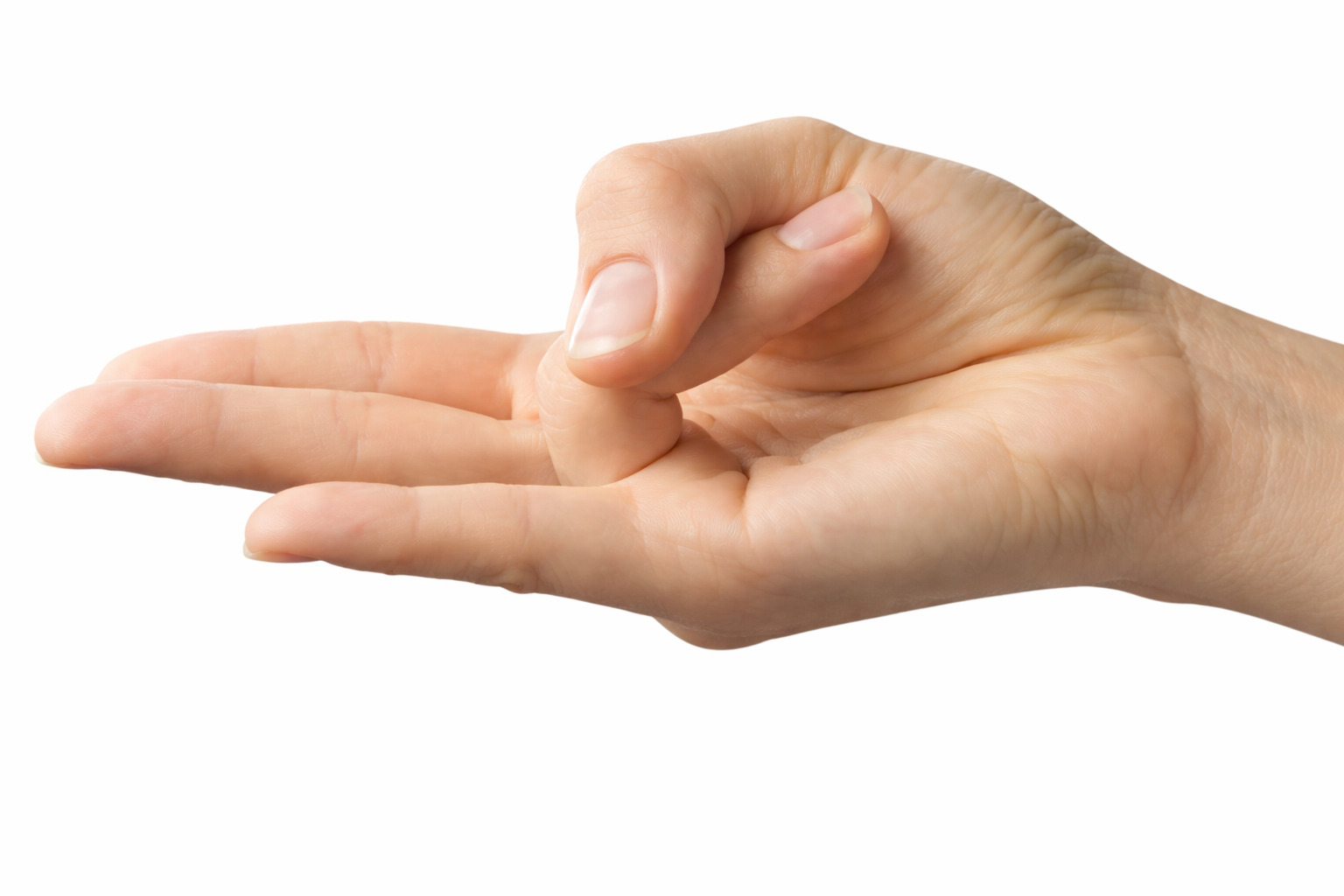
Surya Mudra activates the inner fire, represented in the body by digestion, metabolism, and transformative energy. It is an effective mudra to stimulate vitality, improve digestion, and support the elimination of toxins. It can also be useful in practices focused on purification and the release of what is no longer needed.
On a subtler level, the fire element is also related to willpower, courage, and determination. That is why this mudra can strengthen confidence and motivate concrete actions in moments when decisions must be made or changes initiated.
Uttarabodhi Mudra, the Mudra of Spiritual Transformation
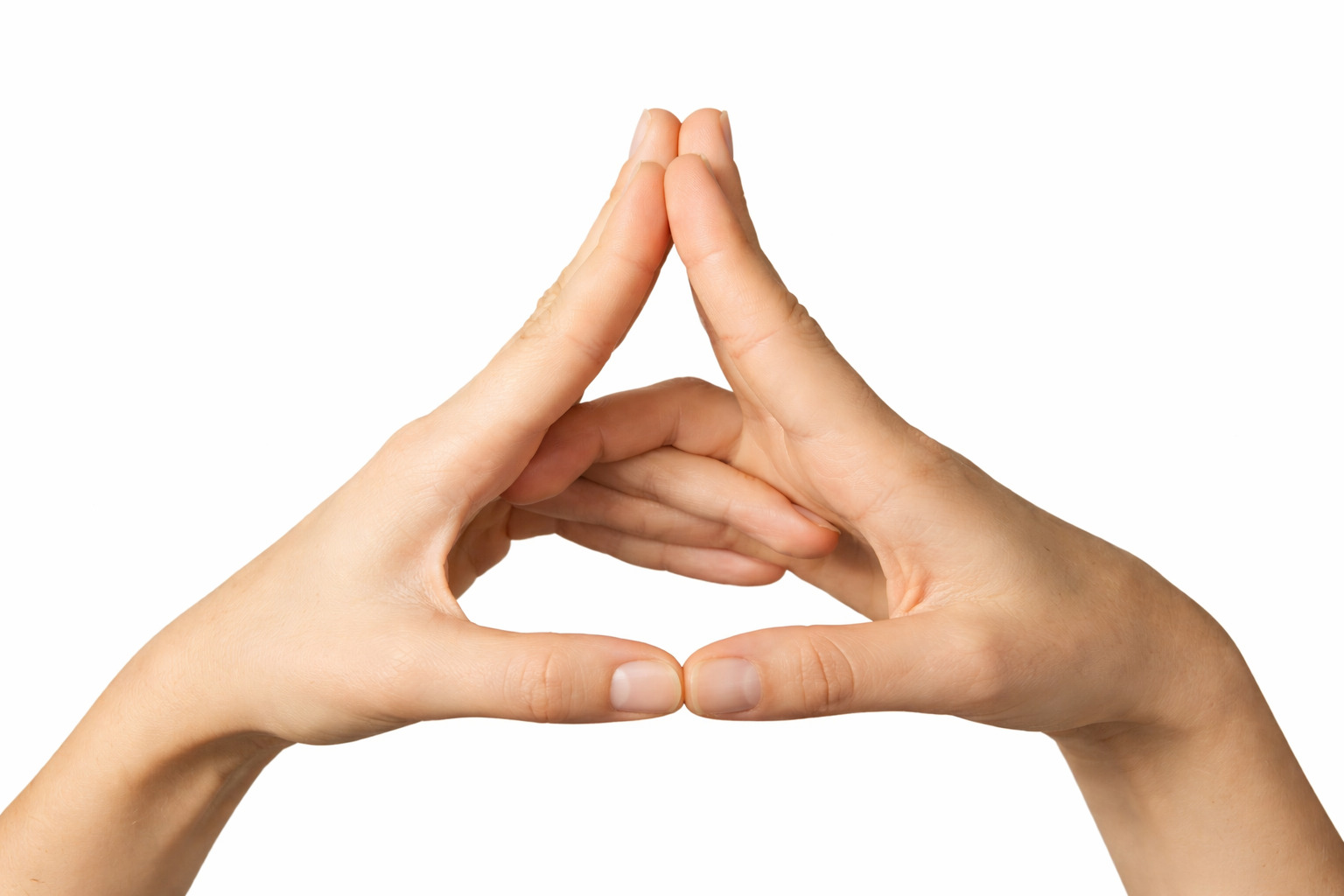
Uttarabodhi Mudra is linked to spiritual awakening and the opening to new forms of understanding. It is a gesture associated with states of inner clarity, renewed purpose, and deep connection with higher consciousness. It is used in advanced meditation practices or during moments of inner change.
This mudra not only represents enlightenment but also the strength necessary to go through transformation processes. When adopted, it enhances the ability to let go of old mental and emotional structures, facilitating a conscious evolution toward a more authentic version of oneself.
Vayu Mudra, the Mudra of the Air Element
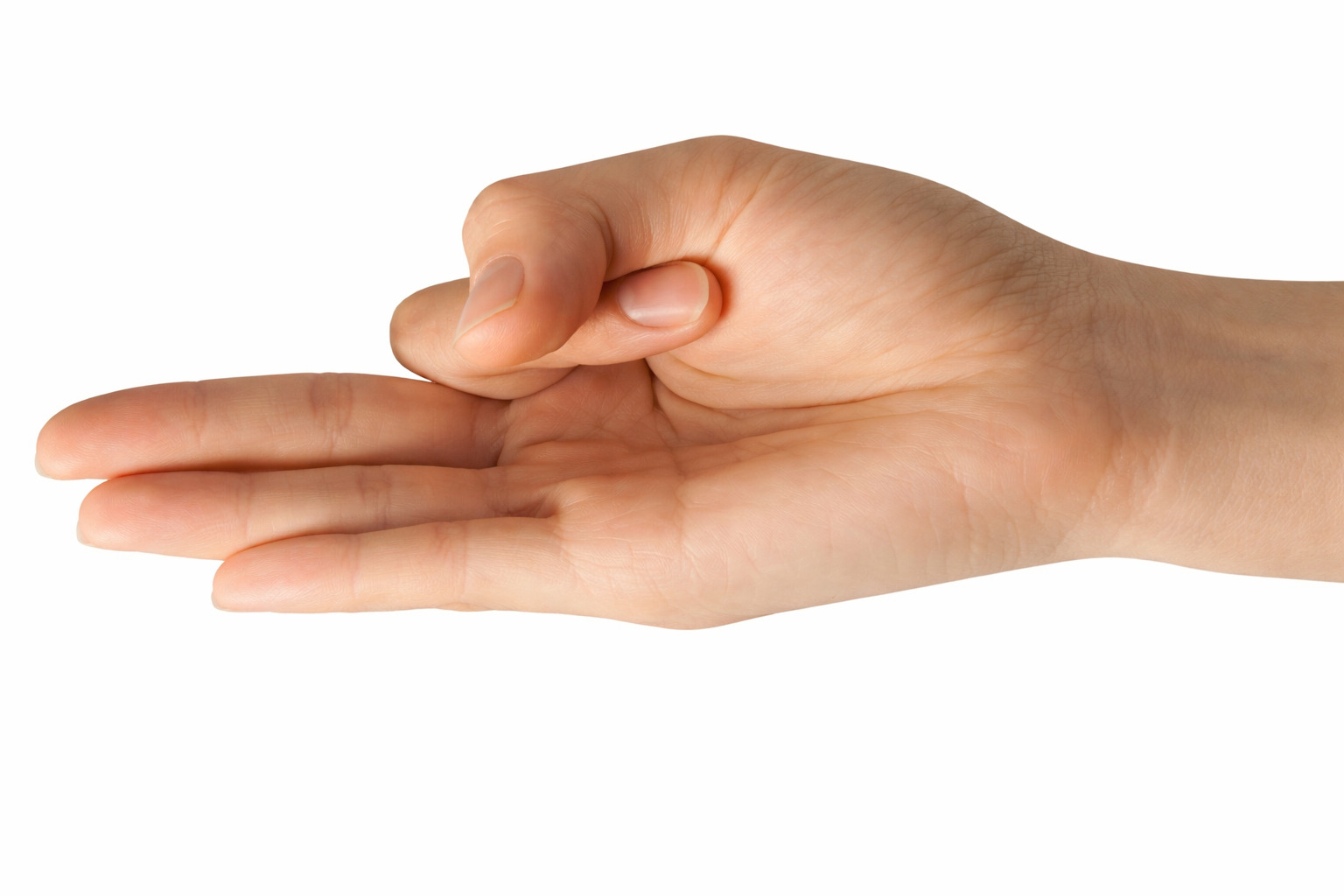
Vayu Mudra is designed to balance the air element within the body, which is associated with movement, circulation, and mental activity. It is especially useful for calming anxiety, reducing restlessness, and relieving physical tension related to the nervous system. It can also help in cases of joint pain, tremors, or muscular stiffness.
This mudra helps stabilize excessive thoughts and promotes a sense of inner lightness. It is a practical tool for those seeking mental clarity and greater control over emotional or mental impulses.
Shambhala Shield, the Mudra of Protection and Strength
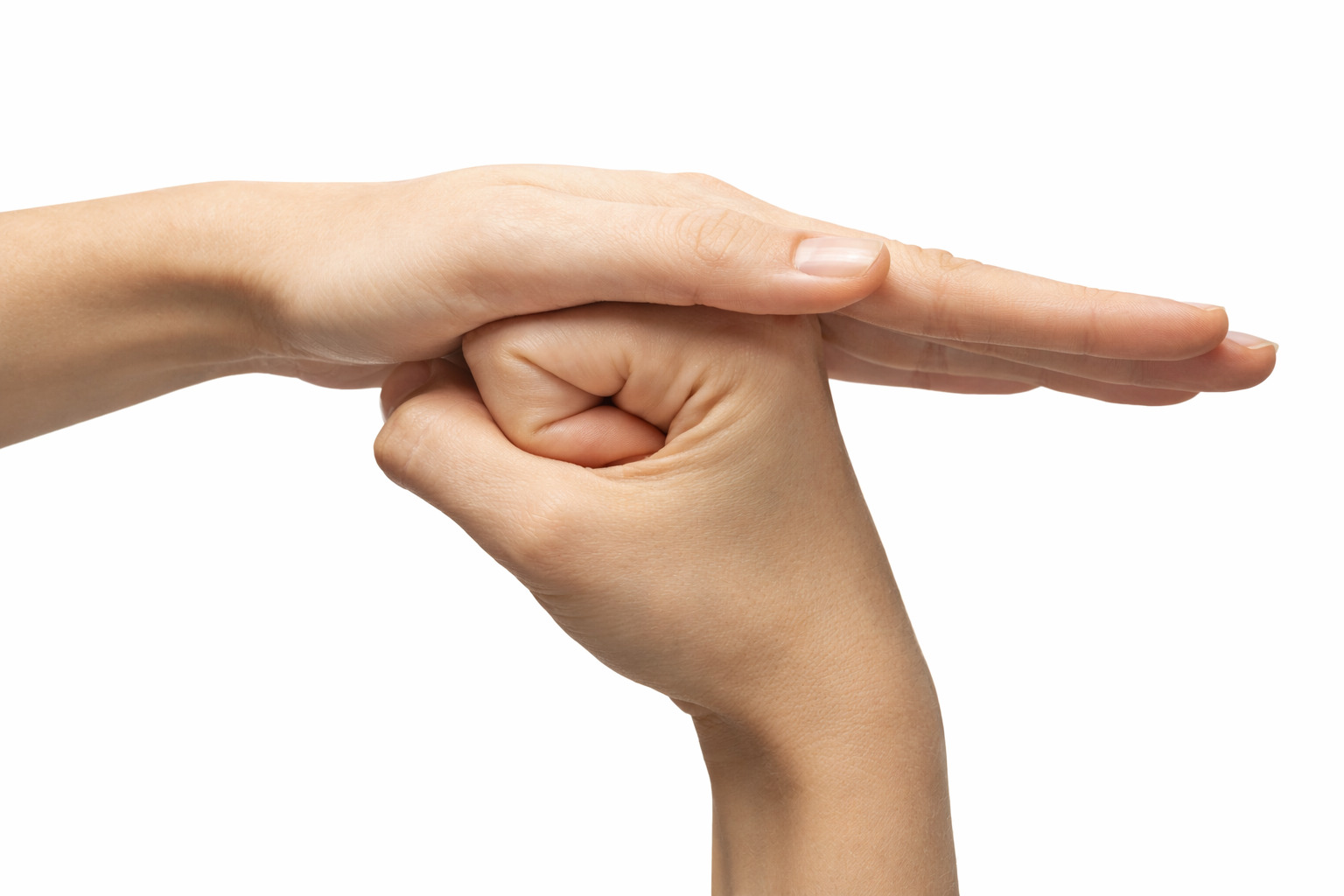
The Shambhala Shield is considered a mudra of energetic defense and inner strength. Its practice creates a feeling of containment and safety, acting as a barrier against negative external influences. It is especially helpful during times of vulnerability or in emotionally charged environments.
This mudra is also related to personal power and confidence. When activated, it strengthens the energy field and cultivates an attitude of firm and serene presence, ideal for facing challenges or upholding healthy boundaries.
Shunya Mudra, the Mudra of Emptiness and Pacification
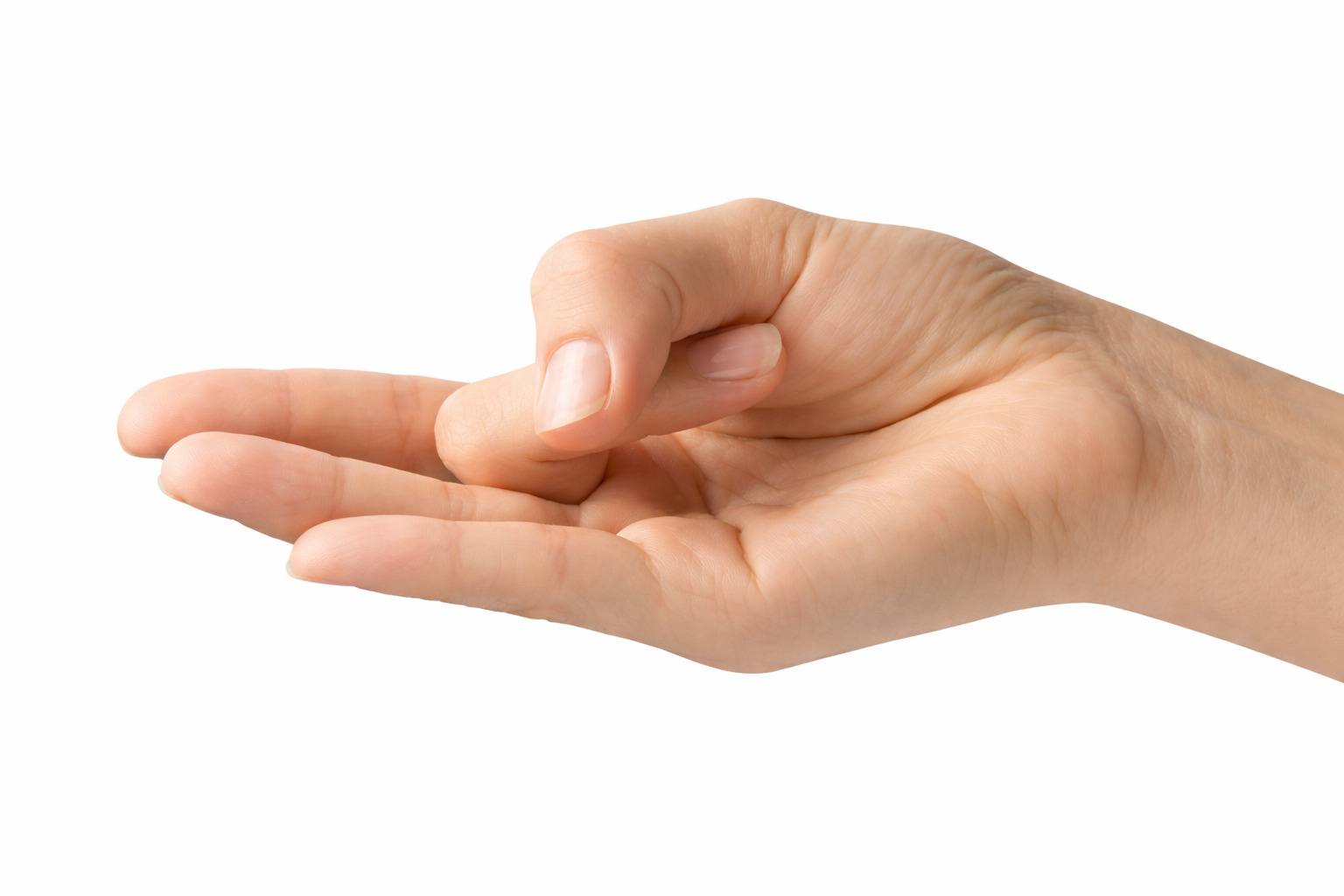
Shunya Mudra acts on the energy channel linked to the sense of hearing and inner space, helping to calm mental activity and reduce sensory overload. It is frequently used to relieve auditory discomforts, such as ringing or pressure in the ears, and also in cases of imbalance or mild dizziness.
Beyond its physical benefits, this mudra promotes a sense of inner silence and expanded presence. It is a suitable tool for deep introspective practices or for moments when one needs to clear mental and emotional noise.
Apan Mudra, the Mudra of Purification and Elimination
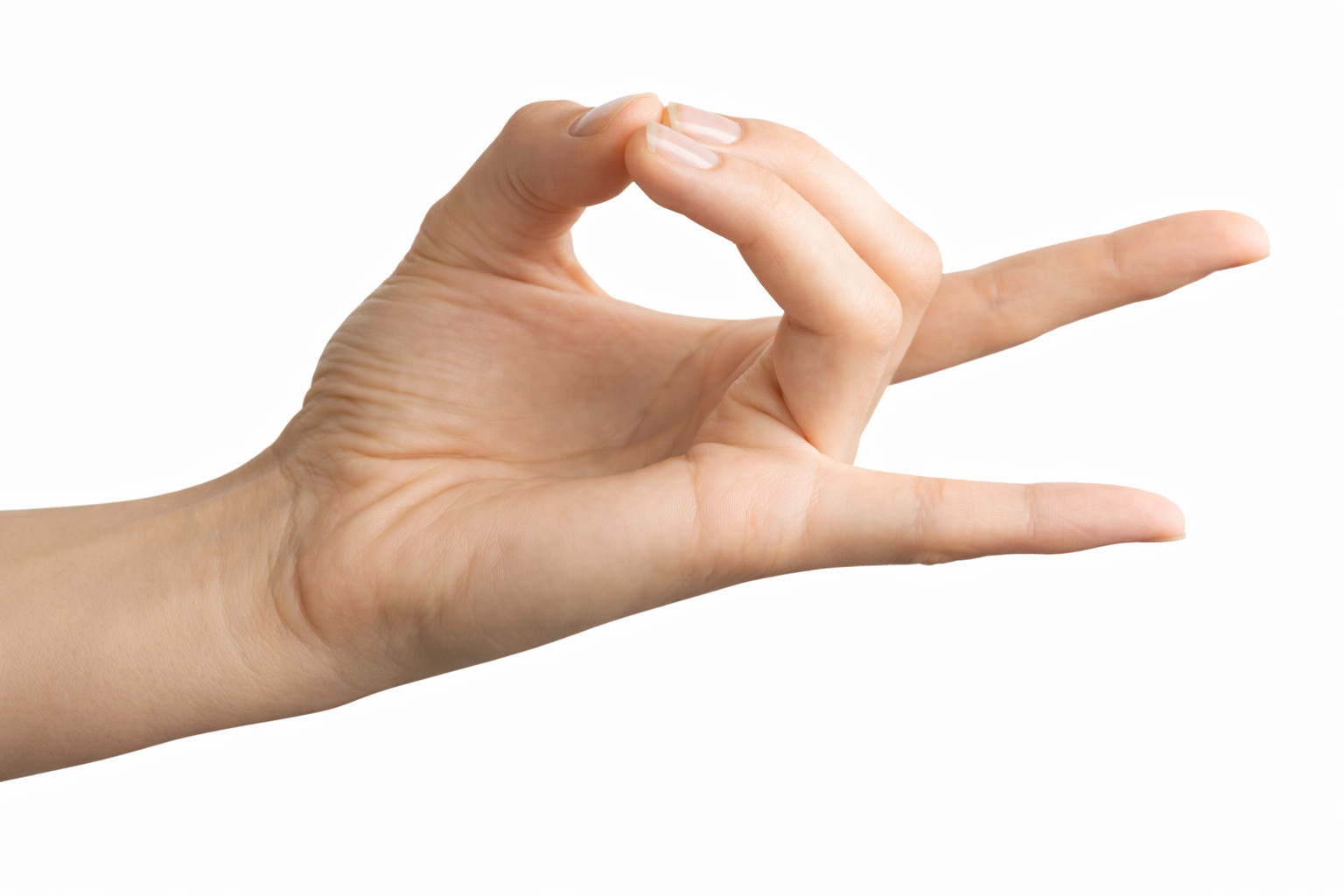
Apan Mudra stimulates the processes of elimination in the body, both physically and energetically. It is believed to support detoxification, digestion, and the regulation of the excretory system. It may also promote emotional release and deep rest.
From a broader perspective, this mudra represents the ability to let go of what is no longer necessary. It is a powerful practice for those going through phases of inner cleansing, closure of cycles, or a need for renewal.
Prithvi Mudra, the Mudra of Stability and Balance
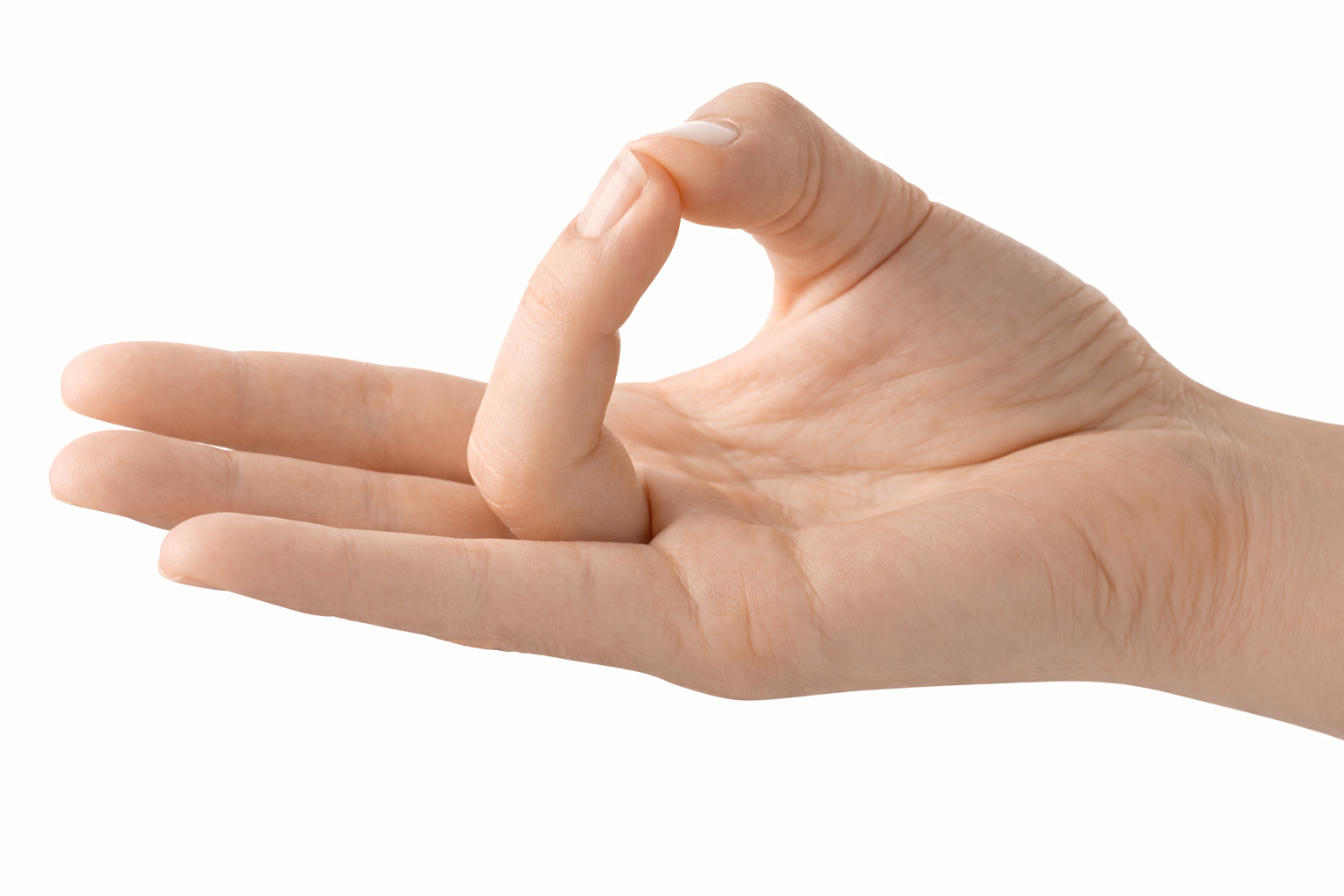
Prithvi Mudra activates the earth element in the body, promoting stability, vitality, and grounding. It is recommended in times of fatigue, insecurity, or dispersion, as it helps to restore physical and mental balance. It is also useful for strengthening nails, skin, and hair.
This mudra enhances the connection with the tangible and with the basic vital force. It can be used to cultivate a stable sense of presence, especially when one needs to regain calm or anchor themselves in the present moment.
Benefits of Practicing Mudras with the Hands
Practicing mudras with the hands offers a simple and accessible way to positively influence the body, mind, and emotions. These gestures act on the energetic and nervous systems, helping to restore internal balance and enhance different qualities depending on the mudra being used.
- Improve concentration: They stimulate areas of the brain related to attention. They facilitate focus in meditation and in activities that require mental clarity.
- Reduce stress: They activate the parasympathetic system and promote relaxation. They are effective for calming anxiety and reducing bodily tension.
- Balance vital energy: They help to unblock the body’s energy channels. This allows prana to flow more freely and harmoniously.
- Support emotional health: They aid in managing intense emotions such as fear, sadness, or anger. They help generate more stable internal states.
- Enhance spiritual practice: They strengthen the connection with inner purpose and full awareness. They are important allies in rituals, mantras, and visualizations.
- Relieve physical discomforts: Some mudras are used for headaches, digestive discomfort, or respiratory issues. They act as complementary support in healing processes.
- Increase vitality: They stimulate the immune system and strengthen the body’s overall energy. They are useful during periods of physical or emotional exhaustion.
Are Mudras Only Performed with the Hands?
Although hand mudras are the most well-known and commonly practiced, they are not the only ones. There are also body mudras that involve full-body postures, eye movements, tongue positions, and specific spinal alignments. These broader gestures are used in practices such as kriya yoga, tantra, and certain advanced meditation techniques.
Mudras performed with the whole body can have a deeper and more immersive impact. They integrate the physical, energetic, and mental aspects into a single symbolic action. Their effect tends to be more powerful when combined with conscious breathing, visualization, and clear intention.
History of Mudras: What Is Their Origin?
The use of mudras has very ancient roots that date back to the earliest civilizations of South Asia. In India, their practice is documented in Vedic texts and in the traditions of yoga and Ayurveda. The sages of antiquity considered them subtle tools for directing vital energy and accessing elevated states of consciousness.
Over time, mudras were adopted into Buddhism, especially in Tantric and Tibetan Buddhism. In these traditions, mudras are used in rituals, symbolic representations, and in deity statues. Each gesture has a specific meaning representing divine qualities or aspects of the spiritual path.
Records of mudras are also found in other Asian cultures such as Taoism in China, and in certain artistic and religious expressions in Southeast Asia. In these contexts, mudras were combined with dance, chanting, and meditation, creating complete practices of inner connection and spiritual expression.
Today, mudras have been integrated into modern wellness and personal development disciplines around the world. Their simplicity, along with their effectiveness, makes them an accessible tool for anyone interested in balancing their energy, cultivating mindfulness, or deepening their spiritual practice.
About the Author

The Science of Nada Yoga
The first time I went to India, little did I know that my life was going to completely change. I know, many people come back from India saying they transformed. It happened to me, too.
At that time, I was a singing student at the university in Montreal and was feeling blocked. My voice was weak and so was my morale. I heard that in India, before a concert, a singer would sometimes sing ‘om’ for almost one hour, reconnecting to their soul, before starting the performance. I became very intrigued. “Maybe I could also find a way to reconnect to my voice?” I thought to myself. I bought my airplane ticket and suspended my university studies for one semester.
I didn’t know where to go; India is huge! However, a whole series of coincidences brought me to my teachers and I started my journey. In my first class, one of them asked me to sing an “A” sound, which I did. He listened. After a few moments of silence, he said “You are not connected to your voice.” I smiled, as I thought to myself: “That is exactly why I came. I must be in the right place.”
That was the beginning of a fascinating adventure and my initiation into the Nada yoga tradition. I had no idea at the time that I would be touched in the depths of my soul, healed in places I didn’t even know needed healing. After a few months of studying with them, I came back home, and my voice was transformed and my career shifted unexpectedly. Above all, I came back humbled. Now, I spend half the year, every year since, studying in that country, deepening in this path and sharing this knowledge with people in the West.