Phalakasana: Plank Pose
ADJUSTMENTS | BENEFITS | SEQUENCING | SANSKRIT | STEPS
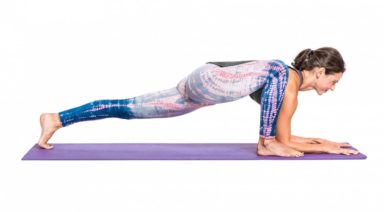
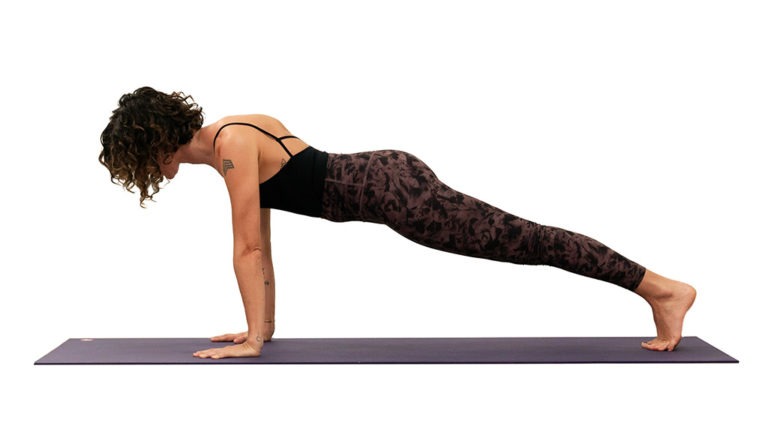
Phalakasana (fall-ack-AHS-anna), is an essential posture for a strong yoga practice. Holding plank pose will improve your endurance and muscle tone, help develop the strength needed for more complex poses, and generate heat and stimulating the navel chakra.
Philosophy + Origin
Hidden in the pose’s name is the Sanskrit word “phala,” which means to bear fruit or ripen. In yoga, the idea of tapas, often translated as “heat,” “passion,” or “discipline,” fuels the physical asana practice, encouraging students to seek out the challenge again and again in order to become stronger, to build an internal flame in the body that fuels every aspect of life. When you think of plank pose as an opportunity to “ripen” or “bear fruit,” you become aware of the transformative effect of this seemingly simple (although challenging) pose. Each time you enter the pose, use the breath to ripen the fruit of your labors. The ability to hold this pose with steadiness and grace is known to create major shifts in your practice and your life.
ADJUSTMENTS/MODIFICATIONS:
- For students with wrist pain, create fists with your hands and press your knuckles into the mat (palms facing each other) instead of placing hands flat on the floor.
- Place your knees to the floor.
- Try lifting one foot off the floor at a time.
- Flip your feet over and hold the pose on the tops of your feet to build ankle strength.
STEP-BY-STEP:
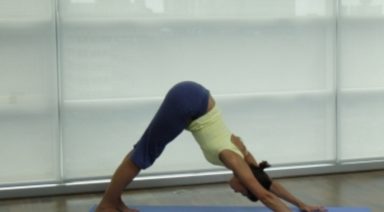
- From downward-facing dog, shift your torso forward to parallel with the ground, aligning the shoulders over the wrists and the arms perpendicular to the floor.
- Spread your fingers and press firmly into the bases of your index fingers and thumbs. Draw your outer arms in as you firm and broaden your shoulder blades.
- Reach your chest forward and your heels back.
- Engage your legs and core to support the weight of your pelvis.
- Keep your gaze straight down so that the back of the neck is long and comfortable.
- Hold the pose for as long as is comfortable with smooth, easy breathing, working your way up to a 60-second hold.
PREPARATORY POSES:
- Downward-facing dog | Adho mukha svanasana
- Four-limbed staff pose | Chaturanga dandasana
- Tabletop pose
SEQUENTIAL POSES:
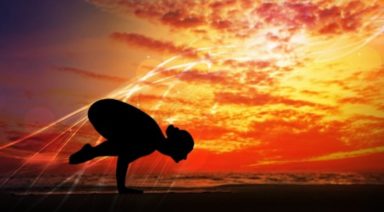
- Crow pose | Bakasana
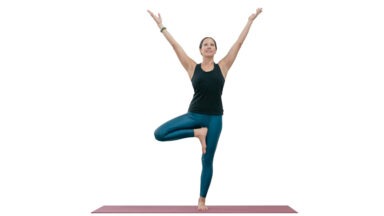
- Tree pose | Vrksasana
- Forearm plank
COUNTER POSES:
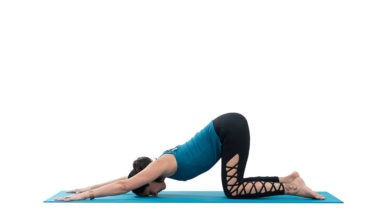
- Childs pose | Balasana
- Sphinx pose | Salamba bhujangasana
- Upward-facing dog | Urdhva mukha svanasana
SANSKRIT:
- Phala = to bear fruit, ripen
- Phalaka = plank or board
- Asana = pose
PHYSICAL BENEFITS:
- Benefits health of wrists.
- Improves muscle tone of arms, shoulders, and core.
- Builds endurance
ENERGETIC BENEFITS:
- Builds mental endurance.
- Engages navel chakra, manipura.
- Increases tapas in practice and life.
Legal Disclaimer Before participating in any exercise program or using any fitness products or services that may be described and/or made accessible in or through the Gaia Website and/or the Services, you should consult with a physician or other healthcare provider. Read more about Gaia’s Terms Of Use.











About the Author

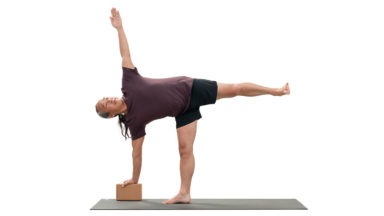
Ardha Chandrasana: Half Moon Pose

ADJUSTMENTS | BENEFITS | SEQUENCING | SANSKRIT | STEPS
Ardha chandrasana (ARE-dah chan-DRAHS-anna), or half moon pose, is a challenging balance posture. However, there are many modifications and variations to make the shape accessible to everyone.
Philosophy + Origin
The Sanskrit word “chandra” is often translated simply as “moon,” and actually has a much richer meaning. More than just the moon, the chandra refers to something that is glittering and shining, a brilliant object that is illuminated by light or emanating light on its own. In many traditional yogic texts and stories, the moon symbolizes one half of the two polar energies in the body. The moon, which is the feminine or dark aspect, is nurturing, tranquil, and receptive.