Ancient Initiation Practices for Transcending Reality
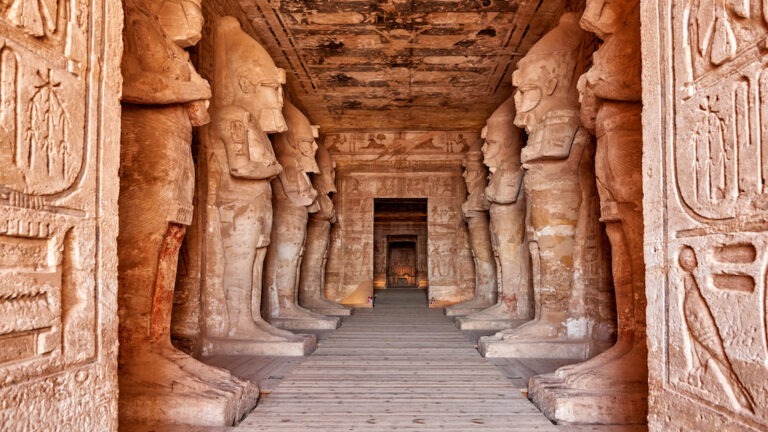
People around the world are waking up to a realization that there is more to life than meets the senses. There is a growing desire to know who we are, where we come from, and what we are capable of. While these aren’t new questions, advancing technologies and exploration of what constitutes consciousness may require us to ask these essential questions in a new way.
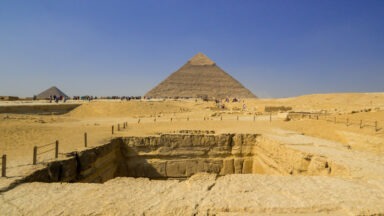
Are the Pyramids Doorways to Other Realities?
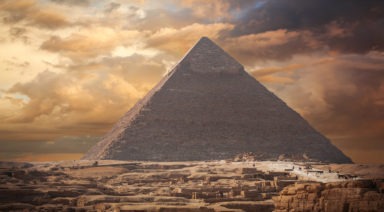
We’re now beginning to put the pieces back together that paint a clearer picture of our own history, and where some of our most mysterious discoveries come from. For instance, we’re finding answers to who built the pyramids and other advanced stone structures that are strategically built in very specific places of power around the world and aligned with extraordinary precision to constellations in the sky.
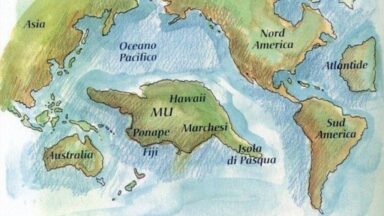
These ancient structures may hold the key to our evolving consciousness, access to other dimensions of space and time, and our ability to transform our reality. Matias De Stefano, host of Gaia’s original series, Initiation recalls details of the Atlantean civilization from his own memories and describes the technology they would have used to build the pyramids.
He remembers there being a single pyramid on the plateau during his lifetime in Khem, a colony of Atlantis around 12,000 years ago. It was the Sirian people, he says, who passed on their knowledge of how to construct and use the pyramids for connecting with the source of creation.
Matias says these ancient yet very advanced people knew how to use the pyramids to open portals to other times and transcend the third dimension. They practiced powerful initiation ceremonies to become keys that would connect with the consciousness of the planet and have access to all of the information stored throughout the universe.
Our Bodies Are the Keys to Unlocking These Doorways.
Matias remembers traveling up the Nile River, visiting sacred sites, and undergoing extraordinary tests to prepare the body, the emotions, and the soul for the task of accessing time. The people of Atlantis understood what a great responsibility and honor it is to be a part of this planet and underwent powerful initiations that led to them becoming gods and goddesses on the earth.
These initiation practices and the empowering route that our ancestors took can still be practiced today. Walking up the Nile, one follows an initiatory path that mimics the human body with pyramidal structures placed at each of the chakra centers. Inside the stone buildings, one can feel the power of these places and access the memory of those who worked with the energies of creation.
One by one, the initiation ceremonies enacted within the pyramids harmonized the body, soul and spirit — unlocking the ability to travel through time, access information from any place in the universe, and prepare initiates to participate at the level of creation associated with the gods.
What is an Initiation?
An initiation is a rite of passage that a person undergoes to become a member of a certain group. Often, initiation precedes joining an exclusive society or marks a tribal acknowledgment of important life phases. Many times, a group will require a new individual to participate in some kind of tradition or ceremony that marks their commitment to and acceptance by the group.
There are different types of initiation that have been practiced by people throughout the ages.
Some require the individual to show humility, dig deeper within themselves, and completely drop their ego, while others embolden initiates through acts of willpower, bravery, and stamina.
Initiations aimed at supporting higher consciousness and opening up our true potential are reemerging in communities around the world. This type of initiation has been practiced for centuries by people who understood that we are much more than our physical senses report.
Matias describes initiation ceremonies with priests and priestesses that changed an initiate’s body and the frequency surrounding them in order to travel through time and make changes to any timeline. These powerful ceremonies were only conducted after an initiate had proven themselves ready through 33 consciousness elevating tests, learning to master their emotions and alter the very cells of their bodies.
Are these the tests that mystery schools refer to handing down from ancient adepts and masters to advanced modern students of esoteric studies?
Watch Initiation Season 3, where Matias De Stefano describes in detail these sacred Atlantean ceremonies that led an initiate along a powerful path of awakening. This path, which has been altered and adapted by the Egyptian, Greek and Roman Empires, can still be traveled today by people seeking to awaken their power that lies within, transcend the third dimension, and help humanity evolve with our planet earth.
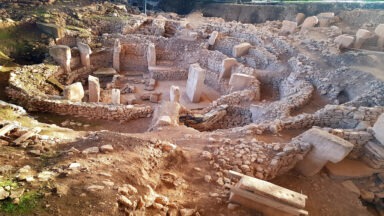
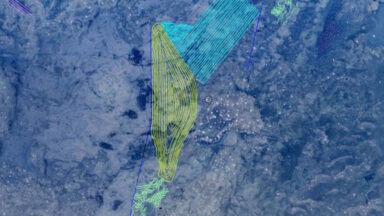
11 New Hills Discovered at Gobekli Tepe Megalithic Site
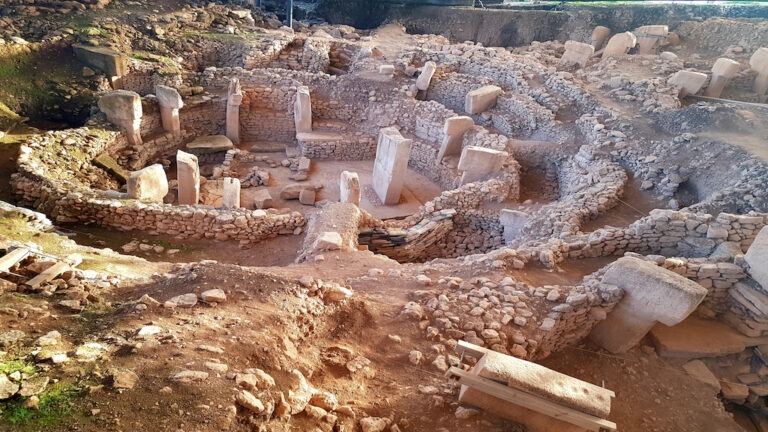
Turkey just made an announcement about a major archeological discovery at Gobekli Tepe. Could this finally shed light on who built the world’s oldest megalithic site, and why?
First unearthed in 1995, the 11,000-year-old excavation site at Gobekli Tepe has yielded the most significant collection of stone pillar monoliths ever discovered. While most archeologists agree that the structure is the world’s oldest temple, they have long-debated the origins and motivations of its builders. The recent findings of 11, possibly 12, new sites around Gobkeli Tepe may provide those answers.
Andrew Collins is an ancient history researcher who has written extensively about the site.
“Gobekli Tepe is in many ways the best evidence that we have of a lost civilization—a pre-Ice Age civilization that existed worldwide and was probably wiped out by very harsh conditions and possibly some kind of comet impact about 13,000 years ago, and that the sole remnants of this went on to create Gobekli Tepe,” Collins said.