Avi Loeb on How We Should Prepare For UFOs and Alien Contact

UFO sightings are on the rise this year, the U.S. government appears to be taking disclosure seriously, and more former intelligence officers are speaking out about UFOs. It begs the question, ‘what do we do if extraterrestrials show up?’
Interest in UFOs and calls for disclosure have shifted from a fringe movement to a more mainstream one. For years, ufologists have demanded full exposure of all alien contact with humans, but what should we actually do if extraterrestrials make themselves known to us on Earth or in space?
That’s the question posed by Harvard Professor of Science Avi Loeb, in his latest article for Scientific American. Professor Loeb, author of “Extraterrestrial: The First Sign of Intelligent Life Beyond Earth” thinks we should be prepared for an alien arrival.
Watch more:
About the Author

Secretary of Defense Appears to Make Unannounced Visit to Area 51
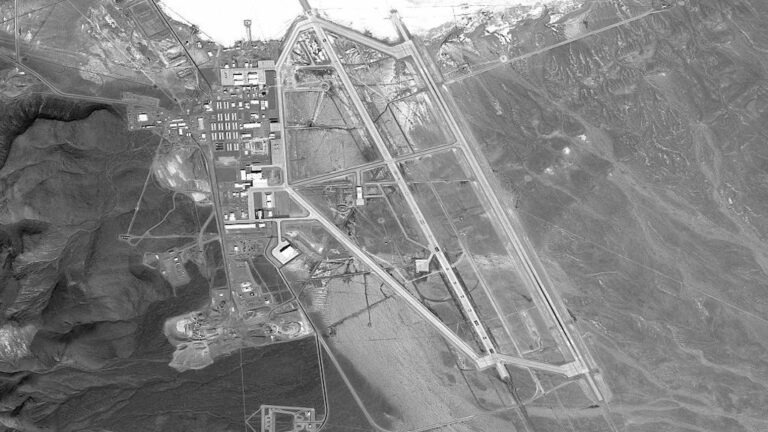
The Secretary of Defense made a secret, announced trip to Area 52, but our inside sources say he also visited the infamous Area 51. What was he doing there?
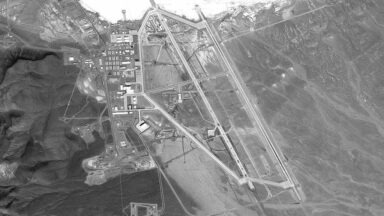
Secretary of Defense Lloyd Austin made an unannounced trip to the secretive Tonopah Test Range Airport also known as Area 52. This base is about 55 miles away from Groom Lake, what most people know as Area 51. Tonopah has a history of Black Ops aircraft support and testing, including the F-117A Nighthawk Stealth Fighter. During the time of the Secretary’s visit, the US military was conducting Red Flag exercises, aerial war games meant to test pilots and aircraft.
Secretary Austin was seemingly there to observe these war games, but ret. US Intelligence Officer Rick Doty has insider information. “Now as I understand, some of my sources told me that he flew in on the Secretary of Defense plane, into Tonopah,” he said.
“But he was only there a couple of hours and then he went by helicopter from Tonopah to Groom Lake, which is about 55 miles away. And what he saw over there or what he was briefed on over there, who knows, probably highly classified—even some of my inside sources couldn’t tell me—what he had access to or what he was briefed on. The cover reason was to be briefed on Red Flag, because it was occurring at Tonopah, and then his secretive mission was to be briefed on the classified projects that were occurring at Area 51, that’s my belief,” Doty said.
Cabinet members come and go with different administrations, if Area 51 does hold extraterrestrial technology, would the secretary of defense have access to all the information?
“I believe the secretary of defense might have access to the knowledge of it, probably not all aspects of it. Just because we’re experimenting with exotic technologies at Area 51, meaning reveres engineering ET craft, or other ET technologies, not necessarily the craft, but maybe the energy devices that were in the craft, the propulsion systems that were in the craft—I think he would probably know or would have access to that. But the details about exactly what we were doing out there, I don’t know that he would have full access to that,” Doty said.