The Wonderful Benefits of Japanese Knotweed
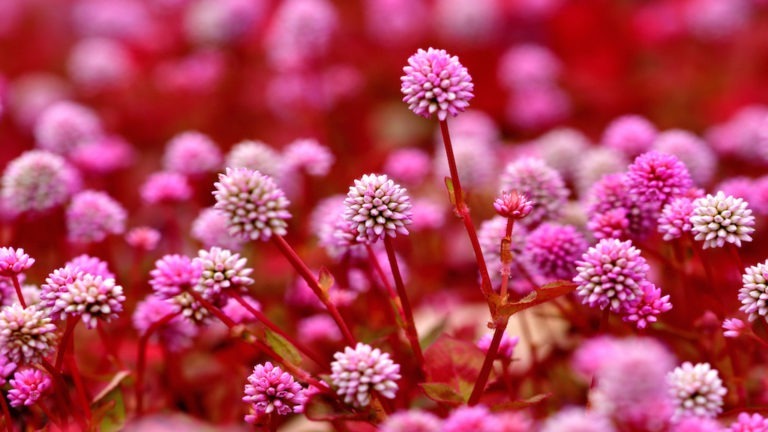
While the anti-cancer and brain-healing resveratrol is found in grapes, blueberries, peanuts, cashews. cocoa powder, and wine, this powerful antioxidant is wildly abundant (more than grapes) in Japanese Knotweed. Resveratrol is unusually powerful and a natural phenol, found in a unique group of micronutrients with antioxidant properties.
This puts Knotweed in an elite class of supremely healing and helpful herbs. In recent years, it’s become a vital medicinal, culinary, and ceremonial herb throughout Korea, China, and Japan, and within several spiritual communities in the United States and Europe.
This beautiful green and white plant is also extremely fertile. When planted among other vegetation, Japanese Knotweed becomes invasive and ravages the land, often consuming neighboring crops. Because it’s also difficult to eradicate, some folks consider this herb an enemy. Japanese Knotweed is also known as Itadori tea. The Japanese word itadori can be translated as “remove pain.” It’s used in traditional Chinese and Japanese medicine. Meanwhile, when foraged in the wild, its young stems are edible, albeit sour, with a flavor reminiscent of rhubarb. The plant can be found in 39 of the 50 United States.
Japanese Knotweed Is A Natural Laxative
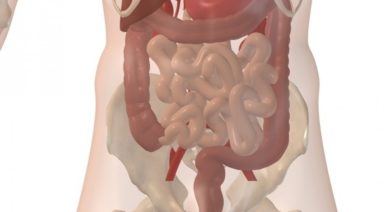
Infused within its cells is a bowel regulator known as emodin, which makes Japanese Knotweed an excellent, natural laxative. Emodin also turns the weed into an effective healer of stomach ailments, cramps, bloating, and gastrointestinal issues like constipation. Unfortunately, many herbalists and distributors of the herb use processes that maximize the resveratrol, while reducing the amount of emodin in the final product.
Let’s Get To The Full List of Benefits!
Japanese Knotweed has a variety of reported benefits, including:
Cancer Management: Given the immense immune effects of resveratrol, and because Japanese Knotweed is proving itself powerful, separate from resveratrol, many studies are reporting how effective the weed is when administered to cancer patients and those with autoimmune disorders. Even the NIH has reported that Japanese Knotweed has clear positive biological effects on human cells.
Improvement of brain health and memory: The plant-derived polyphenol resveratrol has been reported to help the brain heal and experience a degree of age-reversal.
Improvement of cognitive performance: Regular consumption of Japanese Knotweed can enhance cerebrovascular function. In other words, it can help one to be more clear, focused, and productive.
Improvement of mood: if you’d like to take a slight edge off of your personality, this powerful weed can improve your mood, attitude, and mindset.
Neutralizer of free radicals: Free radicals are unstable atoms that can damage cells, which can cause or trigger disease and aging. When free redials overwhelm our bodies, our systems can fail and we can experience oxidative stress. Japanese Knotweed can help reduce the effects of free radicals and improve the human body’s ability to heal itself.
Modulator of blood pressure: Japanese Knotweed has a positive impact on your arteries and blood flow. With less strain and blockages, our cardiac health improves. When these things improve, other aspects of the body improve as well. The weed also helps to prevent blood clots.
Reducer of constipation, bloating, and cramps: Because of the emodin in Japanese Knotweed, it can help to ease most challenges occurring in the stomach.
Healer of respiratory infections: indigenous peoples have been using Japanese Knotweed to treat many ailments, including respiratory, lung, and other infections.
Regulator of insulin levels: Because it moderates and balances insulin levels in the blood, Japanese Knotweed can promote healthy blood sugar levels.
Improved absorption of Vitamins A and C. Japanese Knotweed also contains potassium, zinc, phosphorus, and manganese.
And it may also:
- Potentially increase testosterone
- Improve estrogen metabolism and may reduce the risk of breast cancer
- Reduce reactions to hay fever
- Reduce acne and improve skin health
- Reduce inflammation
- Have a positive effect on blood fats
- Shows potential in combating viruses and bacteria
Additionally, Japanese Knotweed helps to slow the processes related to aging, and to establish healthy blood vessel function, improved nerve and liver function, and improved cardiovascular and heart health.
Warning To Knotweed Lovers
As with every delicious indulgence in our lives, Japanese Knotweed comes with a few alarms. If you consume too much of it, you could easily experience negative reactions. Here are a few things to keep in mind:
- If you’re anemic, Japanese Knotweed might not be safe for you.
- It might interact (that’s not a good thing) with a few prescription drugs and popular supplements.
- High doses can be harmful. Even small doses can be harmful to certain people.
- The long-term effects related to consuming Japanese Knotweed are unknown.
If you’re excited about diving into Japanese Knotweed, consult with a nutritionist, Ayurvedic practitioner, or herbal remedy consultant.
If you’re into foraging for herbs in the nearby wilderness, keep in mind that Japanese Knotweed has a few doppelgängers, including Bindweed, Himalayan Balsam (Knotweed and Honeysuckle too!), Bamboo, Broad-leaved Dock, Russian Vine, and Lilac. When hunting for nutritional herbs, it’s always best to have a slew of images of the herb so you can be certain, when bringing your collected herbs home.
As with all things found in the forest, be careful to remove clinging vines and flowers that attach themselves to your favorite herbs. You’ll also want to clean your herbs before creating your tinctures and teas. You can submerge them in warm water with a little apple cider vinegar for an hour or so – then they’re good to go!
It’s always a great time to explore what our beautiful planet is growing for us. Making tinctures, salves, and teas is relatively simple, and it feels so good to work with the Earth’s gifts to heal ourselves and our loved ones. Wishing you all good health, happy hearts, and expanded spirits!
About the Author

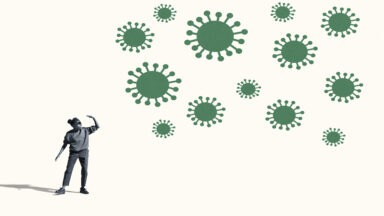
380 Trillion Viruses Live In Us; How Do We Live Symbiotically With Them?
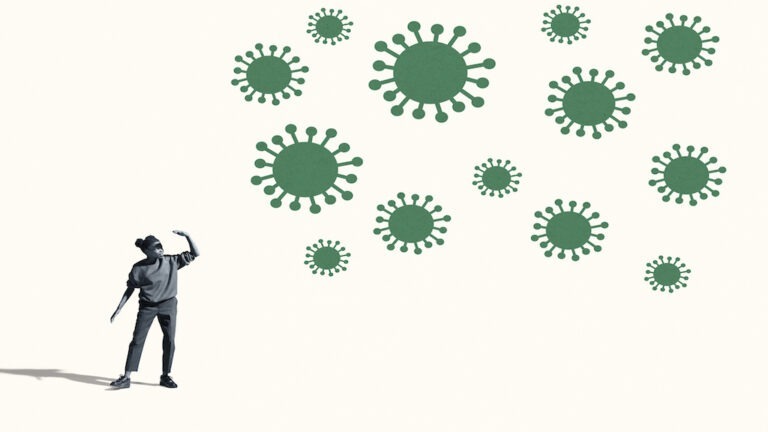
Interest in the microbiome has been steadily increasing over the past decade or so, and for good reason. The role of our internal ecosystem (gut flora) is one of the greatest scientific discoveries of our times, offering an insight into how we heal, fight off disease, and stay healthy — even in difficult times. In “Immunity and the Microbiome,” microbiologist Compton Rom presents a compelling argument for why we need to pay attention to the ecosystem of good bacteria in our digestive system.
Once we realize the great implications of how remarkable the microbiome within us can make or break our state of health, then we can boost our immunity over viruses, bacteria, and infections.
While the term “immune system” is relatively common in our daily vernacular, Rom does not limit it to the body alone. Rather, he has a holistic vision and ties the health of all life on this planet with the health of the Earth, including global warming, as well as the nature of disease-causing organisms. This holistic approach allows us to appreciate our unique role as conscious beings existing in various ecosystems that need to be recognized and respected.
Rom discusses historical evidence, showing that humans have evolved to live symbiotically with the life not just around us, but within us. This becomes particularly relevant when discussing the role of our virome, or the trillions of viruses and phages that live within our body and its cells. This he says is a major facet in maintaining proper health, by promoting symbiosis with viruses, so they don’t cause disease and illness.
We can optimize our virome and microbiome by introducing probiotic fermented and anti-inflammatory herbs, as well as a diverse diet of fruits and roots, to lower risks of infectious disease. In fact, the bacterial cells within our microbiome outnumber our human cells by tenfold.
Rom suggests our immunity from illness, as well as our relationship with the planet, begins at home. The best place to start our journey to optimum health and ideal immune function is by improving our diets, meditating, doing breathwork, exercising, and most importantly, proactively diversifying our gut microbiomes.
Compton’s philosophy is to take a non-chemical and non-pharmaceutical approach to healing, using natural herbs, and oils to eliminate pathogenic bacteria.
Our bodies, he notes, respond “best to natural compounds that have evolved alongside us for millennia. Synthetic compounds are singular in nature, while whole earth compounds carry numerous micronutrients and co-factors necessary for growth, many of which scientists have yet to discover.
This is why natural compounds are so much more effective. Modern medicine has yet to use them because they are impossible to patent; synthetics can be sold at a much higher profit than naturally derived and sustainably harvested herbs.”