The Importance of Self-Care in Preventing Chronic Health Problems
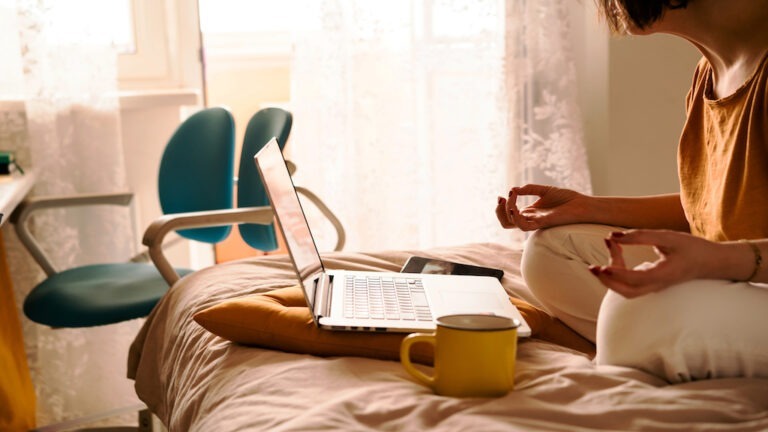
Stress is part of life, but before it gets to be too much, it’s time to take care of yourself. Self-care is not selfish.
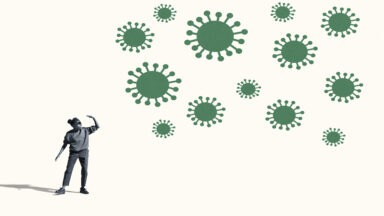
We all experience stress, it’s hardwired into our DNA; the fight or flight response is within each of us. But when we’ve been cooped up for too long, or events outside of your control way too heavily on your mind, it can all be too much. Mental stress can have serious negative effects on your physical health. That’s why it’s important to take care of yourself, especially if you take care of others or if you’re the type of empath that others lean on, you need to take a break.
To help others you must first help yourself.
Watch more:
About the Author

Gaia's Top 10 Videos On Plant Medicine and Psychedelics
As taboos fade and paradigms shift, our society is coming to learn the truly profound therapeutic benefits of plant medicine and shamanic traditions. While the tides have been slowly turning over the past few decades with our cultural perception and understanding of psychedelics, we’ve now entered into an era in which these natural, mind-expanding modalities are being embraced more than ever. Check out Gaia’s growing library of videos on these shamanic traditions and their ability to bring healing to humanity’s collective consciousness.
1. Psychedelica
In this ground-breaking original series, experts explore the history and use of psychedelic plants including political ambitions, the perceived shadow side, and the proper environment to experience these substances. From the origins of Shamanism to the spiritual expression of modern awakenings, discover the role of sacred medicine as a gateway to expanded consciousness, and its continued influence on humanity.