5 Ways to Ease Into a Healthier Diet

For many of us, taking the plunge into a healthier diet can be both overwhelming and confusing. One of the main reasons being that we think we need to take our new “diet” head on; restricting ourselves from our daily edible pleasures only to consume bland foods that we have been told are good for us. On top of that we have advertisements trying to pawn off products that are supposedly healthy, but do not even resemble real food in any way, shape, or form.
My first rule of easing into a healthier diet and lifestyle, is starting off in small steps. Start by reducing and replacing, instead of just restricting foods. Addicted to coffee? Try reducing the amount, buy fair trade and organic coffee, and instead of milk and sugar, try coconut milk and honey. Too much change too fast? No problem! Instead of having your usual five cups before breakfast, try four this week, next week try three and so forth. Go at your own pace and remember to lay off the guilt. Learning to love yourself, and allowing yourself to make mistakes, is all part of letting yourself be healthy.
Now don’t get me wrong, some people have an all or nothing attitude and it works for them, but a lot of people don’t; and most times will end up finding themselves giving up on their New Year’s resolution by March. Sound familiar? Then this is for you!
What exactly are the components of a healthy diet?
1. Eat Seasonally/Locally.
Eating seasonally and locally allows you to get the freshest foods available, and when we eat the freshest foods we are guaranteed to be able to consume the most nutrients. The closer it was grown to home, the less time it spent in a truck and the more you and your body will benefit from it.
2. Drink plenty of water.
Water composes 75% of your brain, 22% of your bones, removes wastes, helps covert food into energy, and helps your body absorb nutrients among many other valuable functions! Did you know that most of us can’t tell the difference between hunger and thirst? Next time you are hungry try having a glass of water and see how you feel 30 minutes after. You may be surprised.
3. Eat often, don’t skip meals.
Eat consistently throughout the day as opposed to having just three square meals. Make snacks ahead of time so you can have them on the go. Eating smaller meals throughout the day will help control your blood sugar levels, increase your energy levels and mood.
4. Tasty and Appealing.
Healthy food does not mean bland, tasteless and boring. Have fun with your food, play around with recipes, experiment with different types of herbs and spices. Not only will this enhance the flavour of your food, but it can also have some great added health benefits. Turmeric is great for inflammation, oregano and ginger are great for your digestive system. Connect with your food and create something that makes you feel great.
5. 80/20 Rule.
Let yourself indulge occasionally. If you eat a whole foods based diet most of the time, your body will be able to process that bad stuff once and a while! Remember that it’s OK to fall off the wagon now and again, as long as you are on it most of the time.
Try this yummy summer recipe!
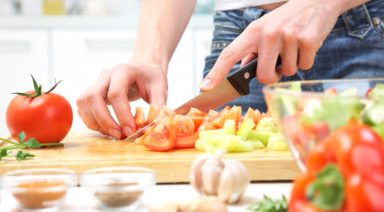
Zucchini pasta with cilantro pesto
Ingredients:
- 3 organic zucchini
- Cherry tomatoes
Directions:
- With peeler, peal zucchini like you would a carrot (When you start to get to the core it will be harder to peel. Just save the core for future use)
- Cut cherry tomatoes in half
- Mix together in a bowl
Pesto Ingredients:
- Juice of 3 limes
- One bunch cilantro
- 1/2 cup cashews
- 1/2cup olive oil
Directions:
- Mix all pesto ingredients in a blender or food processor, if too thick or not breaking down enough, add a bit more lime juice and or olive oil.
- Pour pesto over Zucchini and tomato mixture
- Mix all ingredients together
- Add sea salt and pepper to garnish
- Enjoy!
About the Author

Vani Hari Uncovers the Truth About the Food Industry

TRANSCENDENCE – Live Life Beyond the Ordinary, an FMTV original 5-part docu-series, is all about learning from the personal experiences of those who have been in the darkest trenches, healed from trauma, and recovered from great adversity, to lead us in finding our true potential. Food activist Vani Hari shares her powerful story of doing exactly that. In Episode 1, titled ‘What’s In Our Food?’, Vani shares how a lack of education lead her to illness after illness, and in that feeling of defeat, she finally found her passion to fight.
Vani Hari grew up with two Indian immigrant parents. Being new to America, they naturally trusted the American food system and fully immersed themselves into the culture by taking on the standard American diet; McDonald’s, Wendy’s, whatever they wanted to eat, they did.
These eating habits, mostly caused by a lack of nutrition education, lead to a plethora of different health issues for Vani – asthma, eczema, endometriosis, appendicitis, & allergies – resulting in a life lived in and out of the hospital.