The Progress Of Effective Anti-Aging Drugs And Therapies

The Silver Tsunami, also known as the “grey hoard” and “rising tide,” is fast approaching. By 2050, over 20% of the US, over 40 million people, will be 65 or older. This means that there will be an increased demand for regenerative, biotech solutions to minor and major health conditions. Luckily, science has been in a deep state of preparation for decades.
As the Facebook age withers, we can sense the gentle wind of anti-aging beginning to spin into a tornado. What began as a whisper is now a robust chorus. The anti-aging banners include Longevity, Life-extension, Geroscience, AgeTech, AI Longevity, Longevity Finance, Government Aging Management, Aging Biomarkers, Biotech, Biomedicine, Preventative Holistic Medicine, Age-personalization health care, Mortality statistics, and Healthspan science.
Collectively, these pursuits form a burgeoning $20 trillion-dollar industry. The Global Longevity Market will be the most massive, most explosive, and most complex industry in human history. While prevention had taken a backseat for many decades, it’s now the industry’s most funded pursuit.
If you had read this article ten years ago, you would have thought it was science fiction. It’s not. Get ready for a revolution in health, self-care, and DNA enhancement. While lists of potent anti-aging cocktails have been in development for 20 years, some of them are proving to be nearly miraculous, at least when administered to cute little mice.
“I’m gonna live forever. I’m gonna learn how to fly, high!”
— Dean Pitchford and Michael Gore, “Fame”
The thrust of the work in this category is aimed at flipping the bit on our regenerative genes and systems. At age seven, we lose the ability to regrow a severed fingertip. Scientists in the anti-aging field say that we can reboot the genes that give us this ability. Some say that we’ll eventually be able to grow, not only fingers, but eyes, legs, kidneys, livers, and skin within a relatively short period.
At age 165, we might not be forced to endure wrinkles, broken hips, and wheelchairs. Many of us will have the choice to thrive as tech-enhanced bio-organisms, each of us housing hosts of regenerated sets of tissue and organs.
What is Epigenetics?
Epigenetics is the study of the changes that occur within living organisms as a result of DNA enhancements, those that do not involve alterations to the DNA (nucleotide) sequence.
The Epigenetic process estimates our age according to 353 markers on our DNA. These change-markers denote gene activity and how genes express themselves over time. They might stem from external factors, environmental conditions, or within the normal developmental processes occurring throughout your DNA. Epigenetic changes can cause our biological ages to exceed or trail behind our chronological ages. These changes can also be sustained through cell divisions and last for many generations.
One of the pathways to Epigenetic change is to reduce the number of damaged, inactive, or zombie cells. These cells are known as senescent-cells. This category of science is called Synolytics.
Critical Anti-Aging Studies and Pursuits
It is reasonable to assume that Baby Boomers can expect scientific advancements during their lifetimes that could allow them to live far longer than their parents, potentially twice as long. Venture capital firms are raising money for over 100 biotech firms focused on longevity.
Here are some of the advances, studies, and pursuits aimed at biotech, age-related degenerative diseases, and increasing the average age of death.
- In January 2019, fourteen people with the fatal lung disease Idiopathic Pulmonary Fibrosis chose to take a cocktail of leukemia drug Dasatinib and the supplement Quercetin for three weeks. The results were incredible. This unique combination of drugs improved the volunteers’ ability to stand and walk.
- Pluripotent stem cells, generated directly from adult cells, are being tested by a long list of companies. It’s already been proven that stem cells help to renew and manufacture young cells and tissue. The hope is that these cells will also assist in the regeneration of organs. This remarkable category of research and scientific advancement will improve the healing processes and potentially create miracles for hundreds of thousands of people.
- The first human use of telomerase genes was reported in 2015. This therapy involves transferring the telomerase gene into the cells of our bodies to help us regenerate after injuries, and give us the ability to repair ourselves upon life-threatening illnesses and the effects of aging. The goal behind this therapy is to extend life, reduce cancer risk, and improve overall health.
“I believe you do not deserve words like anti-wrinkle and anti-aging. Your experience as a woman is much too rich to be rewritten in favor of artificial youthfulness.”
― Ashley Asti, “Dear Sisters: Your Nature is to Bloom”
Anti-Aging Drugs and Supplements
There are many products and therapies in the market today that show promise in the category of anti-aging. While most of the human studies either non-existent or inconclusive, there is undoubtedly enough traction with all of these supplements and therapies to give us all hope.
Available Now

- Quercetin (QUER): an antioxidant found in many fruits, vegetables, and grains, has been used to prevent diabetes, cataracts, hay fever, peptic ulcers, schizophrenia, inflammation, asthma, gout, viral infections, and chronic fatigue syndrome (CFS).
- Rapamycin: Also known as Sirolimus, is an immunosuppressive drug that can prevent organ rejection (especially kidneys), help regulate cell growth and metabolism, and treat a rare lung disease called lymphangioleiomyomatosis.
- Metformin: Metformin is an oral diabetes medicine that helps control blood sugar levels while also increasing the sensitivity of muscle cells to insulin. It is also known to be powerful anti-aging medicine. Some say that it has helped them to reduce their weight.
- NAD+: Also known as nicotinamide adenine dinucleotide, NAD+ is a unique formulation of crystalline nicotinamide riboside and pterostilbene. It supports cellular health by activating sirtuins, a protein that regulates cellular processes. According to its makers at Elysium, NAD+ plays a major role in creating ATP, the human cells’ chemical source of energy.
FDA Approval Down The Road
There are many emerging players in the anti-aging space. It’s quite possible that 20 companies were launched and funded in the time it took to write and post this article. The world is clearly abuzz when it comes to this topic. While many anti-aging companies are operating in stealth, or have paused their pursuits to test further, here are a few of the power players in this remarkable category:
- Liver regeneration: a therapy that could replace a patient’s diseased liver without having to wait for death to provide living organs. One donated organ could treat dozens of patients simultaneously. The implication here is that a person with diabetes could grow a new pancreas and lymph nodes with limited cost. LyGenesis, Inc is developing this unique procedure
- iTR™ 1547: a tissue regeneration program that seeks to unlock cellular immortality and regenerate physical capacity, including regrowing a lung or limb. AgeX, a subsidiary of BioTime, is currently building this.
- PureStem®: This is a cell therapy aimed at cell derivation and manufacturing, created by AgeX.
- UniverCyte™: This is an immune tolerance platform created by AgeX. Other AgeX products in the FDA pipeline include AGEX-VASC1 and AGEX-BAT1.
- CYNC-101, PNK-CD16VP, and pExo: Celularity’s anticipated drug-line will hopefully regenerate damaged tissue, produce whole organs, and augment immunity.
- Knee Arthritis Drug: The company Samumed is producing a drug aimed at regenerating knees to reduce the effects of arthritis.
- RTB101: an exciting entry into the biotech scene that appears to be promising for the prevention of a variety of chronic health problems, dementia, and human fragility. The drug seeks to heal respiratory-infections, provide immune-bolstering value, treat urinary tract infections, and prevent Parkinson’s disease. The drug’s creator is Boston-based RestoreBio, headed by the chief medical officer and co-founder, Joan Maddick. RTB101 is on track for FDA approval by the end of 2021.
- UBX101: a senolytic drug (kills senescent or zombie cells) that are being created and continually tested by Unity Biotechnology of San Francisco, CA.
- hTERT: a gene therapy that promises to cure Alzheimer’s disease, critical limb ischemia, and related aging conditions. It’s being developed by Libella Gene Therapeutics (LGT).
- NMN: Also known as nicotinamide mono-nucleotide, a chemical that revitalizes mitochondria (energy/power generators inside our cells). A 2018 study reported that mice experienced improved blood vessel growth, boosted stamina, and physical endurance. The medical team includes David Sinclair, a professor of genetics at Harvard Medical School, who is also a co-director at Paul F. Glenn Center for the Biological Mechanisms of Aging.
- There are many more drugs and therapies in the works. Many of these stealth products are being developed in secret so the makers can protect their intellectual property through to FDA approval. Others are hoping to protect their brands and products from overexposure in the marketplace, in the case of failure.
“There’s a lady who’s sure, all that glitters is gold, and she’s buying a stairway to heaven.”— Led Zeppelin
Wait, Before You Take Any Pills…
It’s tempting to hop on a plane and relinquish life-as-you-know-it and move next door to the hottest anti-aging startup. While not advisable, it might be your dream to become an award-winning guinea pig. But before you sell your home and quit your job, you might try these equally effective modalities and supplements to reduce the effects of aging and reinvigorate your effervescence.
Helpful Anti-Aging Modalities
- Calorie restriction
- Intermittent fasting
- Meditation
- Forgiveness
- Exercise (to an extent)
- Emotional intimacy and Friendship
- Releasing emotions through crying and laughter
- Sacred ceremonies and healing rituals
- Prayer
- Hopefulness
- Being proactive
- Selfless service to others
- Cooking and eating whole foods in your own kitchen
- Gardening
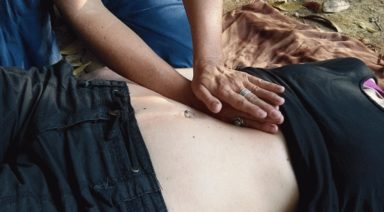
- Fascial Stretching Therapy (FST)
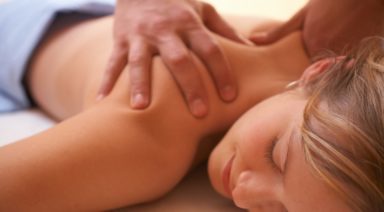
- Massage
- Sleep
- Time in Nature
- Minimizing consumption of alcohol, nicotine, and other substances
Potentially Helpful Anti-Aging Supplements
Here is a list of over-the-counter supplements that might give your body, health, mind, and heart a boost. While there are only a few scientific trials aimed at these items, many people are reporting that they have provided immeasurable benefits to their health, mobility, immune systems, vitality, and age-related conditions.
Before consuming any of these products, please consult your doctor or a nutritional expert.
- Aromatherapy and Essential Oils
- Bach Flower Remedies
- N.E.T. Remedies
- Zinc or Zinc with Copper
- Coenzyme Q10 and Ubiquinol
- Vitamin C
- Collagen Peptides
- Collagen Protein
- Nicotinamide riboside
- Fisetin
- Heliocare
- Acetyl-L-carnitine
- Glutathione
- Pyrroloquinoline quinone, or PQQ
- Polyphenols
- D-ribose
- Vitamins A, D, and K
- Curcumin/Turmeric
- Apigenin and Celery Juice
- Phosphorus
- Resveratrol and Pterostilbene
- Fish Oil and Krill Oil
“Anyone who keeps the ability to see beauty never grows old.”
— Franz Kafka
Summary
As we enter this fast-paced age focused on longevity, it’s essential to realize that we are spirits having physical experiences. We have far more potential than we realize, and our capacities for change and rejuvenation are endless. Each of us can connect with our bodies and help them heal.
Additionally, we are connected to the eternal consciousness, which gives us the ability to exponentially expand our capacities to share compassion with ourselves and other living beings. This makes each of us a super-hero.
While living beyond 120 years sounds fascinating, it might be best to focus on the expansiveness of our hearts, the preciousness of this moment, intimacy with whom we cherish the most.
I wish you love, health, and happiness in all of your pursuits!
About the Author
How To Live Longer: 8 Science-Backed Habits
What do people who reach their 90s or 100s in good health have in common? In recent decades, science has begun to find concrete answers and discovered that many of the factors that determine how long and how well we live can be modified through consistent habits.
In this article, we explore what longevity is, what the world’s blue zones can teach us, and the eight science-backed habits that can help you live longer and better.
Table of Contents
- What Is Longevity And Why Is Everyone Talking About It Today?
- Blue Zones: What We Learn From The World’s Longest-Lived People
- Science-Backed Habits To Live Longer
- Plant-Based Nutrition And Caloric Moderation
- Natural And Constant Movement Throughout The Day
- Deep And Restorative Sleep
- Stress Management And Connection To The Present
- Strong Social Bonds And Community
- Sense Of Purpose And A Life With Direction
- Intermittent Fasting And Periods Of Digestive Rest
- Exposure To Controlled Stressors: Cold, Heat, And Physical Challenge
- Biohacking As A Bridge Between Science And A Healthy Lifestyle
- How To Build A Longevity-Focused Lifestyle
What Is Longevity And Why Is Everyone Talking About It Today?
Longevity is not only about living many years, but about reaching advanced ages while maintaining physical health, mental clarity, autonomy, and quality of life. In other words, it is not simply about extending life, but about sustaining well-being for longer.
For decades, it was believed that how we age depended mainly on genetic factors. However, advances in genetics, neuroscience, and preventive medicine, along with the study of exceptionally long-lived populations, changed that perspective. Today, many studies agree that lifestyle has a much greater impact than previously thought.
Nutrition, sleep, movement, stress management, and the quality of relationships directly influence how the body ages and the risk of developing chronic diseases. This has also transformed the way aging is understood: no longer as an inevitable decline, but as a stage of life that can be lived with energy, autonomy, and well-being for much longer.
Blue Zones: What We Learn From The World’s Longest-Lived People
Blue zones are five regions of the world where people live significantly longer than the global average, and where the number of healthy centenarians is exceptional. Through the research of Dan Buettner and a team of scientists and demographers, these regions became a key reference in the study of longevity.
These regions are:
- Okinawa in Japan
- Sardinia in Italy
- The Nicoya Peninsula in Costa Rica
- The island of Ikaria in Greece
- The Seventh-day Adventist community of Loma Linda in California
Although they are separated by thousands of miles and have different cultures, they share remarkably similar patterns in their everyday way of life. Their inhabitants follow a mostly plant-based diet, move naturally throughout the day, maintain strong community ties, have a clear sense of purpose, and manage stress through slower rhythms.
The value of blue zones is not in literally imitating each of their traits, but in identifying the universal principles that can be applied to any lifestyle. What makes these communities long-lived is not a supplement, a miracle diet, or an extreme routine, but the consistent combination of simple habits sustained throughout life. That is the most powerful lesson they offer.

Science-Backed Habits To Live Longer
Blue zones have shown that longevity does not depend on a single formula, but on the sustained combination of everyday habits that directly impact physical and mental health. Based on these findings, and on decades of scientific research into healthy aging, it is now possible to identify specific practices that help people live longer with greater well-being, autonomy, and vitality.
Below are eight habits supported by scientific evidence that can be progressively integrated into any lifestyle.
-
Plant-Based Nutrition And Caloric Moderation
Nutrition is one of the most decisive factors in longevity. Studies show that the world’s longest-lived people follow predominantly plant-based diets rich in legumes, vegetables, fruits, and whole grains, with low consumption of meat and processed foods. This pattern reduces chronic inflammation, protects the cardiovascular system, and improves metabolic health.
Along with food quality, quantity also matters. Caloric moderation—that is, eating until comfortably satisfied and no more—is associated with a longer life expectancy in numerous studies. Okinawan traditional wisdom, expressed through the principle of “hara hachi bu” (eating until 80 percent full), has reflected this same idea for centuries.
-
Natural And Constant Movement Throughout The Day
The second key habit is not intense exercise, but natural movement distributed throughout the day. In blue zones, people do not go to the gym, but they walk, garden, climb stairs, and move constantly as part of their daily routine. This type of activity, sustained over decades, has a profound impact on cardiovascular, joint, and metabolic health.
Evidence shows that prolonged sedentary behavior is one of the most harmful factors for longevity, even if it is offset by occasional intense exercise. More important than intensity is frequency: walking several times a day, moving every hour if you work seated, and prioritizing movement in your daily routine are simple decisions that, when sustained over time, significantly alter the trajectory of aging.
-
Deep And Restorative Sleep
Sleep is one of the least visible pillars of longevity. During rest, the body performs essential processes: memory consolidation, cellular repair, hormonal regulation, and the removal of toxins from the brain. Sleeping well is not a luxury, but an essential biological function.
Evidence shows that people who sleep between seven and nine hours with good quality rest tend to have a lower risk of chronic disease and a longer life expectancy. Creating habits that protect sleep—maintaining regular schedules, reducing screen exposure before bed, avoiding heavy meals at night, and creating a dark and quiet environment—are direct investments in healthy years.
-
Stress Management And Connection To The Present
Chronic stress is one of the most scientifically documented accelerators of aging. The constant activation of the sympathetic nervous system generates inflammation, damages telomeres, and increases the risk of cardiovascular and neurological diseases. For this reason, managing stress is not only a matter of immediate well-being, but also of long-term health.
In blue zones, there are everyday rituals that serve this purpose: naps in Ikaria, prayer in Loma Linda, moments of pause with sake in Okinawa. Each culture has its own way, but they all share the same principle: regularly pausing to return to the present moment. Modern practices such as meditation, conscious breathing, or spending time in nature offer the same benefit when integrated consistently.
-
Strong Social Bonds And Community
Maintaining close and stable relationships directly influences physical and emotional health. People with strong support networks tend to manage stress better, navigate difficulties with greater resilience, and maintain healthier habits over time. Human connection reduces isolation, improves psychological well-being, and has measurable effects on both quality of life and life expectancy.
In blue zones, people live immersed in communities where daily contact is the norm, not the exception. Sharing meals, engaging in unhurried conversations, belonging to stable groups, and maintaining intergenerational relationships are practices that support not only emotional health, but physical health as well. Taking care of your relationships means taking care of your body in the long term.
-
Sense Of Purpose And A Life With Direction
Although it is often overlooked, having a clear purpose is one of the most decisive factors for longevity. The inhabitants of Okinawa call it “ikigai,” while those in Nicoya speak of a “plan de vida”: in both cases, they refer to having a reason to get up each morning. This inner sense of meaning is associated with a lower risk of chronic disease and a longer life expectancy.
Purpose does not need to be grand or heroic. It can consist of caring for others, developing a craft, teaching, or serving a cause. What matters is that it connects you to something greater than your immediate routine and guides your everyday decisions. When this internal axis is present, the body and mind operate with a coherence that is reflected in health.
-
Intermittent Fasting And Periods Of Digestive Rest
Intermittent fasting has evolved from an ancient spiritual practice into an active field of scientific research. Multiple studies show that giving the body extended periods without food stimulates fundamental cellular processes, such as autophagy, in which cells recycle their damaged components. This translates into improvements in glucose regulation, reduced inflammation, and possible effects on longevity.
There are different ways to practice it: shorter eating windows, occasional prolonged fasts, or simply avoiding eating between meals. What matters most is not the specific method, but giving the digestive system the rest it needs to carry out maintenance processes. Due to its sensitivity, this practice should be adopted thoughtfully and, if you have specific health conditions, under the guidance of a professional.
-
Exposure To Controlled Stressors: Cold, Heat, And Physical Challenge
Recent studies show that controlled exposure to demanding stimuli activates cellular repair and resilience mechanisms. Immersing yourself in cold water, using saunas, engaging in short periods of high-intensity exercise, or exposing yourself to moderate amounts of sunlight are examples of what is known as hormesis: small doses of stress that strengthen the body instead of weakening it.
Saunas, for example, have shown a clear association in Finnish studies with lower cardiovascular mortality when used several times a week. Cold exposure activates brown fat and improves metabolic regulation. These practices are not about suffering, but about teaching the body to adapt and become more resilient in the face of everyday challenges.
Biohacking As A Bridge Between Science And A Healthy Lifestyle
Biohacking is a contemporary movement that applies science, technology, and self-monitoring to optimize physical and mental performance. Far from being a passing trend, it emerges at the intersection of preventive medicine, biology, and the growing interest in improving health and performance consciously. Its premise is that each person can, with the right information and tools, extend their vitality in a personalized way.
Although biohacking incorporates modern devices, supplements, and advanced techniques, its core aligns with the universal habits found in blue zones: proper nutrition, restorative sleep, movement, stress management, and purpose. What it brings is precision and personalization, allowing each of these pillars to be adapted to the specific needs of every body.
In the series Biohacking, available on Gaia, Dave Asprey, considered the father of biohacking, shares research-backed strategies to increase longevity and unlock the body’s potential. Through its episodes, you can explore how to work with nutrition, fasting, sleep, and stress management from a personalized, results-oriented perspective.
How To Build A Longevity-Focused Lifestyle
Adopting all longevity habits overnight is neither realistic nor advisable. Longevity is not built through drastic changes, but through small decisions sustained over time. What matters is not occasional perfection, but daily consistency.
An effective way to begin is to choose just one habit and commit to it for several weeks, until it becomes natural. Once it is integrated, add another. This progressive approach respects the rhythm of both body and mind, avoids overwhelm, and allows each new habit to settle on a solid foundation. The quiet accumulation of good decisions is what ultimately makes the difference.
What science has demonstrated over the last few decades is clear: living longer and living better are not goals reserved for a few people, but the result of everyday decisions that anyone can begin making today. Every habit you integrate now works in favor of the years that are still to come.