Spleen Health and Function: 60 Ways to Support a Healthy Spleen

Your beautiful, useful, little spleen is a vital organ found under the ribcage, in the upper left part of your abdomen. According to Western Medicine, your spleen is the largest organ in the lymphatic system, making spleen health crucial. It is sister to your tonsils, adenoids, and thymus. Helpful to your digestion and immune system, your spleen is like a youth hostel for the different aspects of your blood.
Your lymphatic system is a compilation of tissues and organs that rid your body of waste, toxins, and other non-beneficial materials. Your “lymph” is a powerful fluid that contains white blood cells, the little warriors that fight infections. According to Western Medicine, the spleen keeps your bodily fluids in balance, yet it is possible to live without it. Traditional Chinese Medicine (TCM) offers similar ideas, yet expands upon these premises.
There are many similarities between the attributes of Western Medicine and TCM perspectives. Rather than distill each as a separate pathway to spleen vitality, I’ve combined most of their similarities and offer suggestions on dietary and behavioral changes in support of your spleen’s health.
In all things related to your health, seek forward-thinking doctors, D.O.s, and naturopathic practitioners to advance your health and well-being.
What Is the Spleen’s Function?
As a filter for blood, and a hunter of harmful bacteria, viruses, and other microorganisms, the spleen is vital to your health and immune system. While the spleen stores platelets (thrombocyte) and white blood cells, it also recycles your old and tired red blood cells. TCM dives a little deeper into the value and functions of the spleen, thereby giving us a broader, more specific, and more relatable picture.
How to Strengthen Your Spleen?
In TCM, your spleen does not have the same definition that you’ll find in Western medicine, although both schools of thought appear to be more aligned than opposed. If we extrapolate from both methodologies, the spleen seems to be at least a vital partner to the stomach, and does the following:

Location of the spleen
- Digests information and environmental stimulus
- Assists in the digestion of food and converting it to energy
- Controls the blood
- Controls the muscles and the four limbs
- Influences transformation and transportation
- Connects with the lips and mouth
- Associates with enthusiasm, sadness, and worry
- Participates in digestive processes
- Houses the spirit and intellect
- Influences emotions
- Affects our minds and houses our thinking processes
- Controls our increasing energy (Qi)
- Provides warmth and vitality
In a society overloaded with messages and stimuli, our spleens tend to suffer. But through right-action, we can nurture our spleens into abundant health.
The spleen is akin to the Earth element and loves Summer through early Fall. Its Ayurvedic dosha is Kapha, which tends to be slow, conscious, thoughtful, careful, and grounded. When we allow ourselves to adopt some of these Kapha attributes during the Summer and Fall, we feed, heal, and nurture our spleens. To increase enthusiasm and positivity, consider researching Pitta Aggravated diets.
Sadly, given how overworked our minds, bodies, and lives are, most spleens are not always in balance. In TCM, the condition is called, “Spleen Qi Deficiency,” and it’s characterized by sadness, loose stools, fatigue, confusion, feelings of being overwhelmed, decreased vitality, weakened immunity, poor digestion, and feelings of defeat.
But wait, there’s more! You can protect your spleen’s health with just a few simple changes in diet and behavior. You’ll find 60 total ways to support your spleen within this article. Try these on for size:
- Avoid cold drinks and ice in your beverages
- Honor and express your emotions, especially sadness
- Be mindful about your schedule and related stressors
- Be careful when taking on new projects
- Chew your food slowly and thoroughly
- Eat warm, veggie-abundant soups and broths
- Take breaks
- Pause activities and thinking often
- Try acupuncture and acupressure
- Laugh to open the heart, and release tension and toxins
- Pray to inspire hopefulness and positivity
- Meditate to reduce worry, anxiety, or overthinking
- Seek ways to “get over yourself” and reduce negative attitudes
- Fake happiness until you embody aspects of happiness
- Cuddle your loved-ones often
Foods That Support Your Spleen
Whether coming from Western Medicine or TCM, everybody seems to agree: Eating five small meals per day is healthier than eating three large meals, and adding spleen-friendly foods to your diet can turn your spleen into a heroic warrior.
Spleen aficionados suggest these foods for improving your spleen’s health:
- Winter squash, carrot, rutabaga, parsnip, turnip, sweet potato, yam, pumpkin
- Legumes like garbanzo beans, kidney beans, adzuki beans, lentils, black beans, and peas
- Sesame seeds, pumpkin seeds, and sunflower seeds
- Seaweed and kelp
- Green tea, jasmine tea, raspberry leaf tea, chai tea
- Walnuts, chestnuts, pine nuts, pistachios
- Aloe vera gel and juice
- Grapes
- Pomegranates
- Ginger, pepper, cardamom, onions, garlic, cinnamon, clove, fennel, rosemary, sage, turmeric, thyme, horseradish, cayenne, and nutmeg
- Instead of heavy sweets, try these less aggressive sweeteners to your diet: cooked fruits, rice syrup, barley malt, molasses, and stewed cherries
- Add a little protein to every meal
- Add a little bit of organic beef or bison to your weekly diet
Foods to Avoid Consuming for a Healthy Spleen
While many of these removal suggestions are helpful to your overall health, it is particularly beneficial for your spleen to limit:
- Cold, raw, and frozen foods
- Ice in your drinks
- Dairy
- Wheat
- Processed foods and refined flour
- Refined sugar
- Coffee
- Alcohol
- Peanuts and products like peanut butter
- Cucumber
- Winter melon
- Grapefruit
- Lettuce
- Bananas
- Avocados

Depiction of the lymphatic system
How Do You Check Your Spleen?
Your doctor and your Ayurvedic and TCM practitioners will check to see if your spleen is enlarged during your next physical exam. By gently pressing on your upper left abdomen, your practitioner can learn a lot about your spleen. Your doctor might also suggest imaging and blood tests to help identify the causes of your enlarged or inflamed spleen.
Ayurvedic practitioners will check the pulse of the spleen, along with the pulses of other vital and symbiotic organs. As one of Earth’s oldest medical sciences, including Ayurvedic methodologies, can provide a wealth of information. The more informed we are, the better decisions we’ll make, especially when trying to improve our physical health and emotional well-being.
Each of Western, Chinese, and Ayurvedic disciplines will help you nurture your spleen back to a blissful state.
Causes of Weak Spleen and Problematic Symptoms
According to Western science, many conditions can cause an enlarged spleen. These include a variety of infections, Parasites, Anemia, Leukemia, Hepatitis, Jaundice, Malaria, Liver disease, and some Cancers. Some of the symptoms of a weak spleen might include:
- Pain in the upper left abdomen
- Pain or discomfort in the left shoulder
- Feeling full without eating
- Fatigue
- Frequent infections
- Bloating and gas
- Weak limbs
- Little desire to speak
- Prolonged headache
- Dizziness
- Tired eyes
Spleen Herbs and Supplements
The company Standard Process has several products that help the immune system. They also sell excellent products directed at the spleen, most notably, “Spleen Desiccated.” These types of products are finding their ways into western medical research and are showing encouraging outcomes when compared to pharmaceuticals and other types of supplements. Consider researching bovine and porcine concentrated, desiccated spleen extracts to improve the health of your spleen.
Other supplements include products directed at the adrenals, thymus, Qi, and reducing stress. Consider that when the liver is overburdened, the spleen is under excess pressure to perform. You’ll find that liver supplements and trace minerals might also be beneficial to your spleen.
Traditional Chinese Medicine tells us that the following herbs can be helpful to your spleen:
- Astragalus (黄芪)
- Ginseng (人参)
- Codonopsis (丹参)
- Chinese Yam (Huai Shan)
- White Atractylodes ( 白术)
- Licorice (甘草)
Naturopathic doctors might also encourage you to incorporate herbs such as Dandelion, New Jersey Tea, Barberry, and Iris into your health strategy.
While every instance of a weak spleen might require an individual regiment, the Ayurvedic supplements that might support your spleen, include:
- Ashwagandha
- Turmeric
- Holy Basil
- Gotu Kola
- Shilajit
- Brahmi
- Trikatu
- Triphala
- Sandalwood
- Cordyceps
- Cloves Bud
- Amla Fruit
Each of us has a unique set of emotions, environmental influences, and karmic attributes that filter through our spirits and physical bodies. When seeking improvements to our health and well-being, it’s beneficial to do lots of research and invite the counsel of medical, healing, and spiritual professionals.
While TCM, Western Medicine, and Ayurvedic Medicine each offer unique perspectives, the best solution is the one that works for you. Research each of the pathways outlined here to find the solution that brings you the most vitality and vibrancy. You might find that a combination of these methodologies to be your most successful pathway to an empowered spleen and abundant health.
About the Author

Tapping Or EFT: What It Is And How It Can Help You Emotionally
Tapping, also known as EFT (Emotional Freedom Technique), is a therapeutic tool that seeks to release emotional blocks through the stimulation of energy points on the body. This technique combines elements of psychology and acupressure to address stress, anxiety, pain, and other difficult emotions. In this article, we explore what tapping is, how it works, and how it can help you regain your emotional well-being.
Table of Contents
- What Is Tapping And How Does It Work On Your Emotions?
- How Does Tapping Work On The Body And Mind?
- Benefits Of Tapping: What This Tool Is Good For
- How To Practice A Tapping Round Step By Step
- What Does Science Say About Tapping?
- What Is The Origin Of Tapping And Who Developed It?
- How To Begin Incorporating Tapping Into Your Daily Life
What Is Tapping And How Does It Work On Your Emotions?
Tapping is an emotional self-regulation technique that consists of gently tapping with the fingers on certain points of the body linked to the meridians of traditional Chinese medicine. While stimulating these points, phrases are spoken aloud that acknowledge the emotional issue being addressed. This combination allows the release of energetic blocks associated with memories, thoughts, or sensations that cause distress.
On an emotional level, tapping helps to process difficult experiences without repressing them or becoming trapped in them. By validating what we feel while simultaneously activating specific points on the body, a sense of relief and inner safety is created. That’s why it is considered an effective tool for calming states of anxiety, stress, fear, guilt, or sadness.
How Does Tapping Work On The Body And Mind?
From a physiological perspective, tapping reduces the activation of the sympathetic nervous system, which is responsible for the fight-or-flight response to stress. By stimulating certain acupuncture points, calming signals are sent to the brain, which can lower cortisol levels and promote a state of relaxation. This allows the body to feel safer, even when facing difficult emotions or memories.
On a mental level, tapping supports the reorganization of beliefs associated with negative emotions. By repeating conscious phrases during the process, patterns of thought that often operate automatically are reprogrammed. The result is a deeper connection with what we feel, accompanied by an internal sense of relief, stability, and perspective.

Benefits Of Tapping: What This Tool Is Good For
Tapping is a versatile technique that can be used to relieve emotional, physical, and energetic discomfort. By focusing on the connection between body and emotion, it allows the release of internal blocks and the restoration of balance.
- Stress reduction: Helps calm the nervous system and relieve accumulated tension. It’s useful during times of emotional or mental overload.
- Anxiety management: Allows the identification of thoughts that fuel anxiety and the release of the associated emotional burden. Improves the sense of internal control.
- Fear processing: Facilitates facing fears and phobias with greater stability. Reduces automatic reactions to stimuli that previously triggered alarm.
- Releasing repressed emotions: Offers a safe space to recognize and express what we feel. Encourages emotional flow without judgment.
- Improving insomnia: By reducing anxiety and mental noise, it supports deeper rest. It can also be used before bed as a relaxing routine.
- Support in physical pain: Relieves bodily tension related to unexpressed emotions. Complements physical treatments from a holistic perspective.
- Support during personal processes: It’s helpful during times of change, grief, or personal growth. Aids in integrating emotions and finding inner clarity.
How To Practice A Tapping Round Step By Step
Practicing a round of tapping is simple and does not require external tools. All you need is a quiet space, your hands, and the willingness to connect with what you’re feeling. Below we share the essential steps to perform a tapping round:
- Identify and name what you’re feeling: The first step is to connect with a specific emotion, recurring thought, or physical discomfort you want to address. The more specific the identification, the more effective the practice.
- Formulate a setup phrase: This phrase should include the problem you’re feeling and a statement of acceptance. An example could be: “Even though I feel afraid of change, I deeply and completely accept myself.” Repeat this phrase while stimulating the first point.
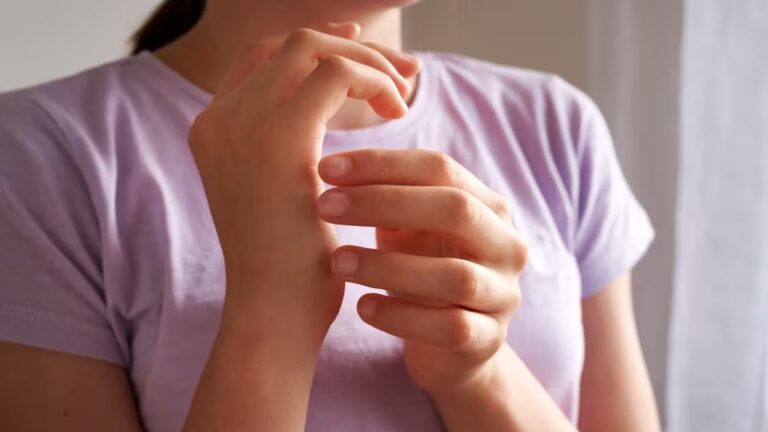
- Stimulate the karate point: With the fingers of one hand, gently tap the outer edge of the other hand (known as the karate point). While doing this, repeat the setup phrase out loud or mentally about three times.
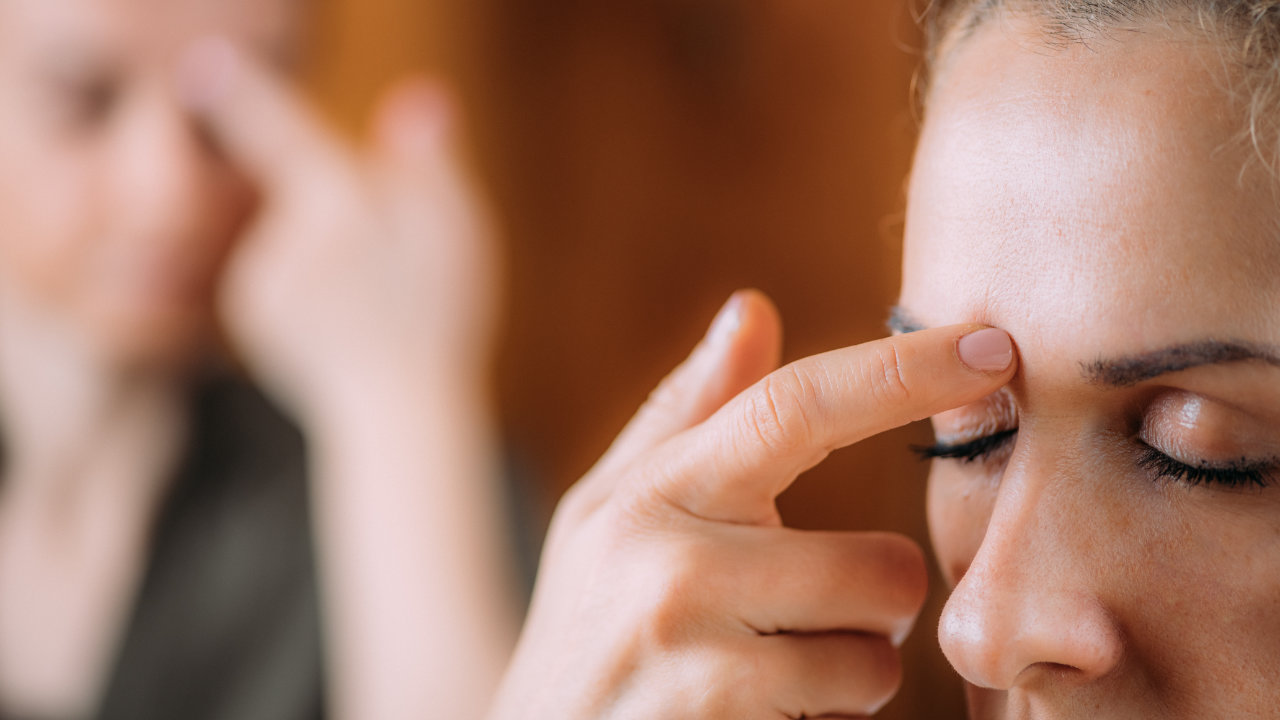
- Tap through the body points: Then proceed with the traditional tapping sequence: eyebrow, side of the eye, under the eye, under the nose, chin, collarbone, and under the arm. At each point, apply light taps while naming what you’re feeling or repeating phrases related to the issue being worked on.
- Observe and close: At the end of the round, take a deep breath and assess whether the intensity of the emotion has changed. You can repeat the process if needed or close with a positive phrase that affirms the new emotional state, such as: “Now I feel calmer and more at peace.”
What Does Science Say About Tapping?
In recent years, tapping has attracted the interest of the scientific community, especially in the fields of clinical psychology and mind-body medicine. Various studies have indicated that the practice of EFT can significantly reduce cortisol levels, the stress hormone, and improve symptoms associated with anxiety, depression, and emotional trauma.
Although it is still considered a complementary therapy, institutions such as the APA (American Psychological Association) have begun to recognize its therapeutic potential, particularly when it is integrated with other approaches. Research continues to expand, but early results suggest that tapping is not only safe, but also effective in promoting emotional well-being and reducing nervous system activation.
What Is The Origin Of Tapping And Who Developed It?
Tapping was developed in the 1990s by Gary Craig, an American engineer with training in neuro-linguistic programming (NLP). Craig was inspired by the work of psychologist Roger Callahan, who had created a technique called TFT (Thought Field Therapy) that combined acupressure and verbal therapy. By simplifying that method, Craig designed what we now know as EFT (Emotional Freedom Technique).
The foundation of tapping is found in traditional Chinese medicine, particularly in the stimulation of the body’s energy meridians. Craig proposed that by applying gentle tapping on specific points while working on a concrete emotion, it is possible to unblock stagnant energy and restore internal balance.
Since its creation, tapping has spread widely as an emotional self-regulation technique that is accessible, practical, and adaptable to different contexts. Its popularity grew due to its ease of use and the testimonials of people who report significant relief with just a few minutes of daily practice.
How To Begin Incorporating Tapping Into Your Daily Life
Including tapping in your daily routine can be as simple as taking a few minutes a day to connect with yourself. Upon waking, a brief tapping round can help you set a clear intention and release any tension that arises with the first thoughts of the day. It’s also a useful tool for recognizing how you feel before starting your activities.
During the day, you can turn to tapping in specific moments of discomfort or emotional blockage. If you’re going through a stressful situation, a short pause to apply the technique can help release emotional charge and return to center. Emotions don’t need to be intense—even subtle states like worry or irritation can be addressed effectively.
At night, tapping can help you close the day with greater calm. It’s a good time to review how you felt, give thanks for what you experienced, and let go of what you don’t need to carry into rest. The more natural this space of emotional connection becomes, the easier it will be to return to it whenever you need it.