3 Ways Yoga Improves Your Joint System and Skeletal Structure

Regular practice of yoga is commonly known to give you a mental serenity and level of fitness unlike any other form of exercise. Many practitioners do not even realize that there are even more benefits being explored underneath your muscles. Yoga is proving more and more to have a significant effect on healthy joint function as certain poses promote the release of fluids while strengthening the muscles supporting vital joint systems. Here are three ways yoga can help get the juices flowing in those joints and keep you walking smoothly into your elder years.
- Promotes Flow of Synovial Fluid
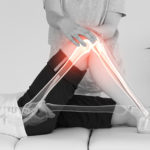
Synovial fluid is the slippery liquid in joint systems that along with hyaline cartilage, allows smooth, painless movement of the bones. Synovial fluid is found in joints like the knees, hips, and elbows where more free movement of the bones is allowed. The few joints that do not have synovial fluid are the discs between your vertebrae in your back and both sacroiliac joints in the back of your pelvis. Consequently, movement of these joints is more limited than the others. Synovial fluid is also essential for delivering nutrients and oxygen to the hyaline cartilage which don’t have any sort of blood supply. The various poses in yoga allow this fluid to flow to different part of your body and with regular practice can increase the smooth flow of synovial fluid to your joints and make you move around more smoothly.
- Strengthens Joint Supporting Muscles
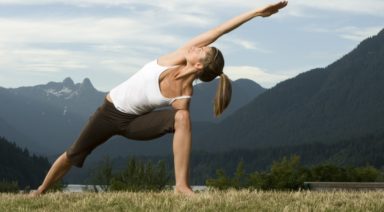
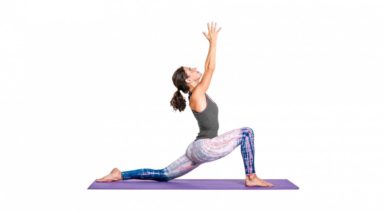
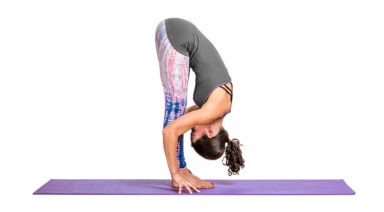
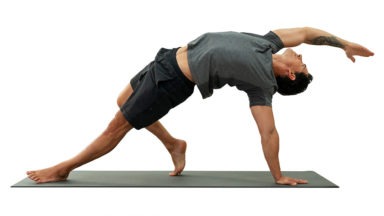
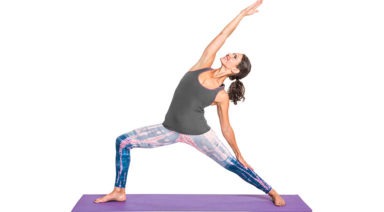
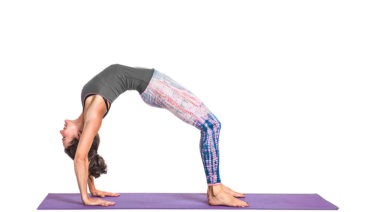
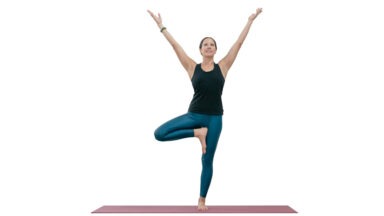
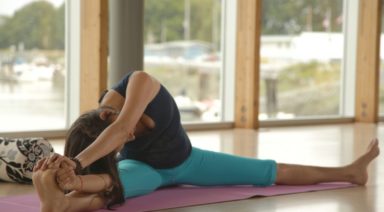
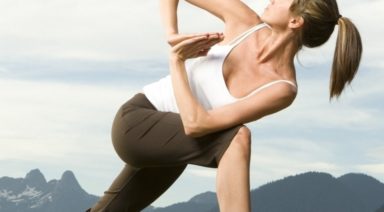
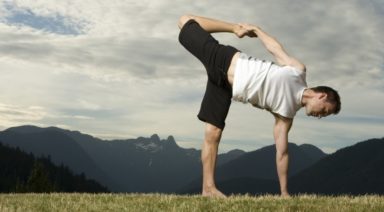
The isometric poses of yoga train the smaller muscles surrounding our joints to endure more pressure and make us work them harder in order to stabilize ourselves. Poses that force us to balance on one leg and change elevation or rotate train our supporting muscles to work in ways strictly for stability and balance, thereby improving their function as you go about daily activities.
- Weight Loss
Every pound of excess weight you carry on your body puts an unnecessary burden on your joints. The weight your joints are supporting grows exponentially when doing vigorous exercise such as running or jumping. Running upstairs can put as much as five times the amount of excess weight you’re carrying in pressure on your joints. Our joints are built to support us as we carry extra loads now and then but excess fat; to the point of obesity has been proven to cause earlier and more serious joint problems in individuals throughout their lives. Yoga along with a healthy diet can help you shed excess weight that is putting more pressure on your joints and inhibiting your movements.
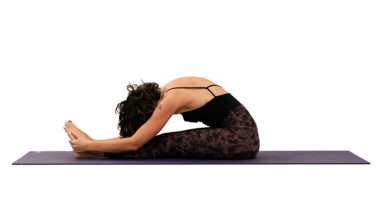
No other form of exercise can isolate and concentrate on the muscles surrounding joints like yoga can while promoting healthy flow of blood and synovial fluid throughout the body. Even if joint problems are already getting the better of you there are still many poses that can be done on the floor that allow you to increase fluidity and loosen up the joints. Talk to your instructor before attempting certain poses that might put more stress on fragile or injured joints. Remember it is not a competition; do what is comfortable and beneficial for you.
About the Author

Yoga Breathwork for Quick Sinus Relief

4 Minute Pranayama Kapalbhati Breathing Tutorial
Though it may seem counter-intuitive, breathing is another practice that can alleviate sinus discomfort. Try the following practices with a calm and relaxed demeanor, focusing on keeping your prana moving smoothly. You may wish to blow your nose, or better yet, use your neti pot before you try these exercises.
Belly Breathing
Lie on your back with your knees bent and your hands on your belly. Breathe deeply into the belly, focusing on expanding the belly like a buddha, then draw the breath and energy up through your ribs, chest and shoulders. Exhale the same way, deflating your belly, chest and shoulders, and squeezing all the air out of your belly. Find your own rhythm.
Calming Breath
Sit comfortably. Bring your right hand out in front of you, palm facing you. Fold your index and middle fingers into the palm. Place your ring finger on your left nostril to close it off. Breathe into the right nostril for two counts. Close off the right nostril with the thumb and hold the breath for two counts. Release the left nostril, exhale for two counts. Close off the left nostril and hold the breath for two counts. Try visualizing a square. If it feels uncomfortable to hold the breath, simply pause instead. Increase the count as you become comfortable, making sure that you are doing equal counts for each action.
Breath of Fire
In this practice, hold your hand over your navel, and practice forcefully exhaling out the nose repeatedly. Your belly should be pumping in and out. The force of the exhale will naturally draw in a new breath, so there is no need to inhale consciously. You may start this practice by gently panting, but it is important to eventually speed up the pace of this breath in order to stoke the “fire” of the breath.