3 Yoga Practices for Sinus Relief

There is nothing worse than pain or discomfort in one’s head. If you suffer from sinus issues, you are probably aware of the importance of addressing them at the very first warning sign. Paying attention to, and honoring your body is essential in yoga class, and it is just as important to carry this practice into your daily life. A dull headache plugged ears, fatigue, and of course, the sniffles are all warning signs of sinus issues. I have personally found that there are a few practices that, when put together, have been quite effective at keeping things in balance.
1. Neti Pots A small pot is filled with a lukewarm saline solution, and then it is poured into one nostril and drains out the other side. The water gently cleanses the sinus cavities, removing mucous and relieving congestion, post-nasal drip, and sinus discomfort. If you have never tried a neti pot, and you’ve had sinus issues or allergies in the past, I’m telling you here, you have got to try one! It is not as uncomfortable as you think, and over time you’ll wonder why you hadn’t tried it earlier. The Himalayan Institute is a very reputable source for information on neti pots.
2. Asana Any physical movement when you’re under the weather is going to encourage the lymph to move along and do its job, getting you feeling healthy again. Even if it’s just a few neck and shoulder stretches, it’s better than doing nothing. For sinuses though, more specifically, it is inversions that can really help to get things loosened up and moving. These poses will intensify the pressure in your head, but when you right yourself, you should feel some relief shortly after. Give it time, and be open-minded.
Positive energy is one behavior that I feel can prevent one from getting sick, and heal a person when they do succumb to illness. Do each pose for about one minute. Allow yourself to relax into the pose and try to keep your breath as smooth and steady as possible. Poses I recommend for Beginners:
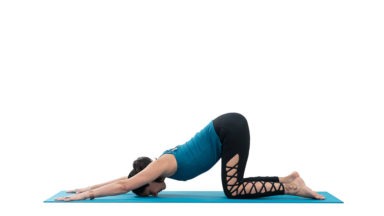
Child’s Pose (Balasana)
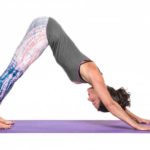
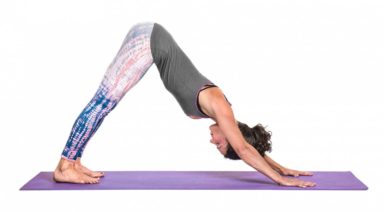
Downward Facing Dog (Adho Mukha Svanasana)
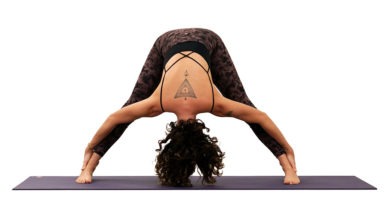
Standing Forward Fold (Uttanasana)
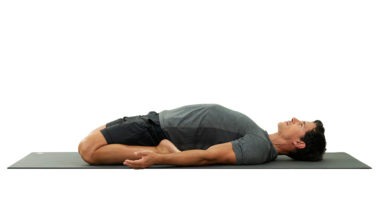
Rabbit Pose (Sasangasana)
Poses I recommend for Intermediate to Advanced: If you have not tried these poses before, I highly recommend you get assistance from a Certified Yoga Instructor. It is very important to warm the body thoroughly before attempting advanced inversions.
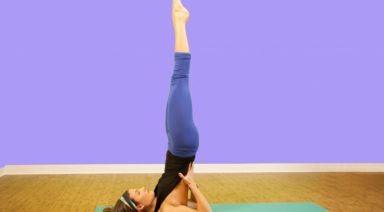
Shoulderstand (Salamba Sarvangasana)
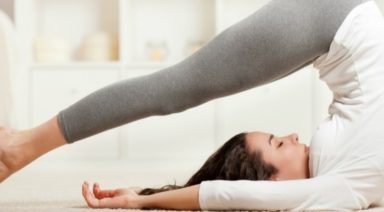
Plow Pose (Halasana)
Headstand (Salamba Sirsasana)
3. Pranayama Breathing Exercises: Though it may seem counter-intuitive, breathing is another practice that can alleviate sinus discomfort. Try the following practices with a calm and relaxed demeanor, focusing on keeping your prana moving smoothly. You may wish to blow your nose, or better yet, use your neti pot before you try these exercises.
Belly Breathing: Lie on your back with your knees bent and your hands on your belly. Breathe deeply into the belly, focusing on expanding the belly like a buddha, then draw the breath and energy up through your ribs, chest, and shoulders. Exhale the same way, deflating your belly, chest, and shoulders, and squeezing all the air out of your belly. Find your own rhythm.
Calming Breath: Sit comfortably. Bring your right hand out in front of you, palm facing you. Fold your index and middle fingers into the palm. Place your ring finger on your left nostril to close it off.
Breathe into the right nostril for two counts. Close off the right nostril with the thumb and hold the breath for two counts. Release the left nostril, exhale for two counts. Close off the left nostril and hold the breath for two counts. Try visualizing a square. If it feels uncomfortable to hold the breath, simply pause instead. Increase the count as you become comfortable, making sure that you are doing equal counts for each action.
Breath of Fire: In this practice, hold your hand over your navel, and practice forcefully exhaling out the nose repeatedly. Your belly should be pumping in and out. The force of the exhale will naturally draw in a new breath, so there is no need to inhale consciously. You may start this practice by gently panting, but it is important to eventually speed up the pace of this breath in order to stoke the “fire” of the breath. I hope that you have enjoyed these helpful tips, and you are able to use these techniques to soothe and relieve your sinus issues.
About the Author
Yoga Breathwork for Quick Sinus Relief

4 Minute Pranayama Kapalbhati Breathing Tutorial
Though it may seem counter-intuitive, breathing is another practice that can alleviate sinus discomfort. Try the following practices with a calm and relaxed demeanor, focusing on keeping your prana moving smoothly. You may wish to blow your nose, or better yet, use your neti pot before you try these exercises.
Belly Breathing
Lie on your back with your knees bent and your hands on your belly. Breathe deeply into the belly, focusing on expanding the belly like a buddha, then draw the breath and energy up through your ribs, chest and shoulders. Exhale the same way, deflating your belly, chest and shoulders, and squeezing all the air out of your belly. Find your own rhythm.
Calming Breath
Sit comfortably. Bring your right hand out in front of you, palm facing you. Fold your index and middle fingers into the palm. Place your ring finger on your left nostril to close it off. Breathe into the right nostril for two counts. Close off the right nostril with the thumb and hold the breath for two counts. Release the left nostril, exhale for two counts. Close off the left nostril and hold the breath for two counts. Try visualizing a square. If it feels uncomfortable to hold the breath, simply pause instead. Increase the count as you become comfortable, making sure that you are doing equal counts for each action.
Breath of Fire
In this practice, hold your hand over your navel, and practice forcefully exhaling out the nose repeatedly. Your belly should be pumping in and out. The force of the exhale will naturally draw in a new breath, so there is no need to inhale consciously. You may start this practice by gently panting, but it is important to eventually speed up the pace of this breath in order to stoke the “fire” of the breath.