One Expert Shares His Favorite Herbs and Plants to Heal
If you knew you could easily and effectively enhance your mood, energy levels, and brainpower, what would it take for you to do it?
BulletProof founder and New York Times best-selling author, Dave Asprey knows what’s possible when it comes to making changes to the human body through what he calls ‘biohacking’. This knowledge of ourselves enables us to transform our lives, live longer, slow-down the aging process, increase brain power, and enhance our overall performance.
So how do we do it? The first place to start is by cleaning up your diet, getting plenty of sleep, and managing your stress. We can easily boost the nutrient value of our foods, facilitate a healthy rest, and regulate our cortisol levels – the stress hormone – by using specific plant compounds as medicine. These can come from fruits and vegetables, herbs and spices, or even some of your guilty vices. A cup of coffee, for instance, can enhance your performance and contribute to all the feel-good benefits that cascade as a result.
Plant medicine has been around for centuries and is still widely used in the East. Some of these plants we know and love, like turmeric and mushrooms, are incredibly medicinal when used correctly. Others are newer discoveries, and exploring the science behind their properties and benefits, like polyphenols and adaptogens, is a realm that we have longed to delve deeper into.
In Episode 4 of Transcendence Season 2, Dave shares his journey with coffee; the drink that was giving him headaches, energy highs & slumps, and was slowly contributing to the range of health concerns he didn’t know were happening to his body. Too often we blame coffee for our migraines and our lack of sleep, but what Dave realized was it was the mold within his coffee, ochratoxin. Roasting of beans kills the mold, but the fungal toxin remains.
Thankfully for us, there are ways of getting your coffee without the ochratoxin so you can drink up the health benefits and leave the nasties aside. Research from the Nihon University College of Bioresource Sciences has praised the health benefits of coffee polyphenols, such as antioxidant, anti-inflammatory, anti-cancer, anti-diabetes, and antihypertensive properties.
This is just one plant, and the science of plant-based medicine is abundant. In Episode 4 of Season 2, Healing Herbs & Sacred Medicine, you will discover:
- Why medical herbs and plants are on the rise and what the future of medicine could look like.
- Why mouldy-coffee could be the reason for your chronic headaches and fatigue.
- The miraculous healing powers of celery juice and how it works.
- The adaptogens and healing plants you can start using today to increase your energy, support your mood, and detoxify your body.
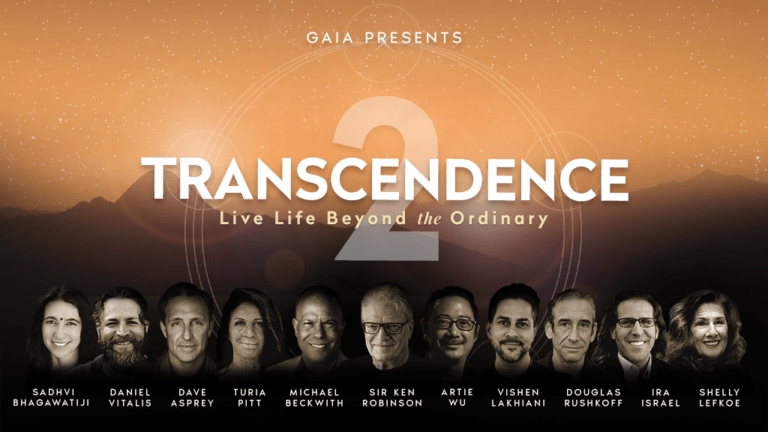
Dave is joined by Nick Polizzi, Anthony William, Daniel Vitalis, and Jennifer Partridge to explore how these ancient herbs can bring your health and wellbeing to new heights.
The worldwide premiere screening of Transcendence Season 2 begins on Monday, May 18. You can save your spot here to the free online premiere here.
Take this opportunity to uncover powerful healing herbs and sacred medicinal practices that can help you heal physically, emotionally, and spiritually and how some of these healing plants may even be growing in your backyard.
About the Author
Why Do We Sleep? For More Reasons Than You May Think

Most of us spend about a third of our lives asleep, despite not really having an answer to the question, ‘why do we sleep?’ Now neuroscientists are realizing that sleep is more important than previously thought. They’re also realizing that the worn-out platitude, “you can sleep when you die,” is terrible advice, as that day will undoubtedly come sooner if you short yourself on a good night’s sleep.
According to most contemporary research, you should be getting around seven to eight hours of sleep every night, and if you think you can get by on fewer than that, there’s a really good chance you’re fooling yourself.
Why is Sleep Important?
While the exact mechanisms of sleep are still being studied, neuroscientists including Matthew Walker have made interesting learnings about what happens when we deprive ourselves of sleep and the impacts sleep (or lack thereof) has on society as a whole.
When we’re awake, Walker says that essentially, we’re causing low-level brain damage. By this, he is referring to the build-up of the sticky, toxic junk in our brain known as beta-amyloid. This accumulation of beta-amyloid has been found to correspond with the onset of Alzheimer’s, among many other adverse health effects correlated with a lack of sleep.
Sleep is beneficial as more than just a healing function; it also replenishes spent resources and regulates hormone levels that dictate our appetite, cognitive function, and motor skills. The two hormones that dictate whether we are hungry or full, ghrelin and leptin, have been observed to flare up and down, respectively, when we’re sleep deprived. This inevitably leads to an increase in hunger, but even worse, it leads our bodies to crave unhealthy and fattening foods — those heavy on carbs and light on greens. In fact, people who run on four to five hours of sleep per night tend to eat 200-300 more calories per day.
For men, sleep is an important regulator of hormones, most notably testosterone. Sleep-deprived males can have the same virility and strength as a man 10 years their senior. For women, a lack of sleep can lead to a significantly increased risk of breast cancer and drops in immune hormones.
According to Walker, just introducing a single night of just four hours of sleep among a normal eight-hour sleep schedule, can bring about a 70 percent drop in natural cancer-killing cells, the immune assassins that target malignant carcinogens. Every day our bodies produce these cells and others to fend off disease and maintain our health, and while a cat nap might make you feel refreshed, it won’t make up for the loss of these cells.