7 Benefits of Shoulderstand
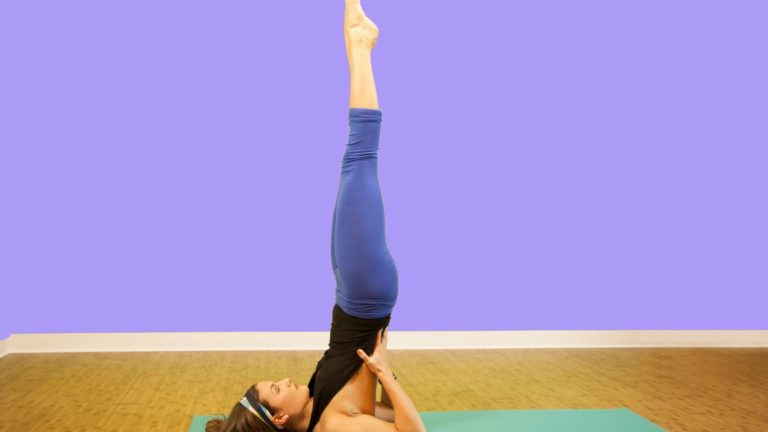
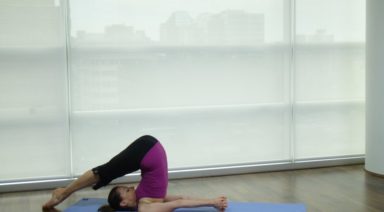
In the book, “Light on Yoga,” B.K.S Iyengar describes Sarvangasana as the mother of all asanas. So why does Sarvangasana (Shoulderstand) get this distinguished acclaim? What is so special about it?
Before we get into the benefits of the pose, let us first take a look at what Sarvangasana actually means. In Sanskrit, Sarva means “all” or “entire” and Anga means “organ” or “body part.” Translated, it means “full body pose” because of its benefits for the whole body.
Benefits of Shoulderstand
In Iyengar’s own words, “The importance of Sarvangasana cannot be over-emphasised. It is one of the greatest boons conferred on humanity by our ancient sages. Sarvangasana is the Mother of asanas. As a mother strives for harmony and happiness in the home, this asana strives for harmony and happiness in the human system. it is a panacea for most common ailments.”
Indeed, since Sarvangasana involves inverting the entire body, it helps relieve a lot of problems we suffer from. Some of its benefits include:
1. Improved Digestion. The change in gravity helps the bowels move freely which aids digestion significantly.
2. Less Strain on the Heart. Since you are lying in an inverted position, the heart doesn’t have to work as hard to pump blood to various parts of the body.
3. Stronger Immune System. The lymphatic system is responsible for immune system response among other functions. The lymph is similar to blood in that it depends on gravity for movement. So, by staying inverted, the lymphatic system gets stimulated and boosts your immune system response.
4. Relieves Common Cold. Since you create a firm chinlock when practicing Sarvangasana and the head stays firm in this inverted position, the blood supply to the head gets regulated and this helps relieve nasal congestions and headaches.
5. Increased Self-Confidence. Although I can’t say my self-confidence has gone up just from practicing Sarvangasana alone, practicing it every day is supposed to help you feel alive and confident.
6. Benefits your Nervous System. In Iyengar’s own words, “Due to the soothing effect of the pose on the nerves, those suffering from irritation, shortness of temper, nervous breakdown and insomnia are relieved.”
7. Strengthens your Upper Body. In addition to all the internal benefits for the body from practicing Sarvangasana, the physical benefits includes strengthening of the neck, upper back and shoulders.
The list of benefits go on and on.
Without question, Sarvangasana is indeed the mother of all asanas. Practicing it every day feels just great for the body and mind. You can learn how to do it here.
Cautions and Considerations
Some considerations to keep in mind as you do this asana:
It is not recommended for women to do this asana during menstruation. It is also not recommended for people with high blood pressure. Also, if you have neck pain, it is best to consult a doctor or do this pose with the help of an experienced teacher.
Keeping 3-5 folded blankets under the shoulder helps keep your neck/shoulder safe. Done correctly, you should not feel any pressure in the head, ears, eyes or throat.
For best results, stay in the pose for at least three minutes (build up to this) and go up until 15 minutes.You can try the many Sarvangasana variations after you can stay in Sarvangasana for at least 5-10 minutes.
About the Author
Yoga Poses to Ease Digestive Discomfort
If you’re one of the many American who suffers from occasional digestive discomfort, yoga offers a natural way to get relief. Just as you would adapt your diet to address your needs, try including some of these poses into your regular practice.
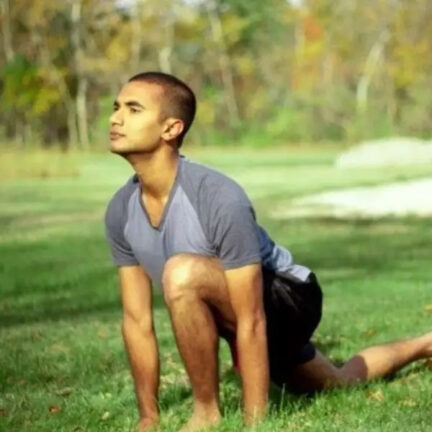
Cat-Cow – Marjaryasana-Bitilasana

- Improves posture and balance
- Strengthens and stretches the spine and neck
- Stretches the hips, abdomen and bac
- Increases coordination
- Massages and stimulates organs in the belly, like the kidneys and adrenal glands.
- Relieves stress and calms the mind
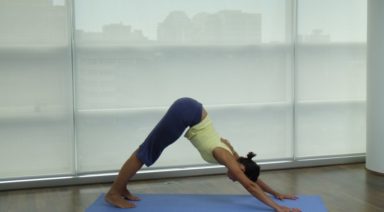
Downward-Facing Dog – Adho Mukha Svanasana
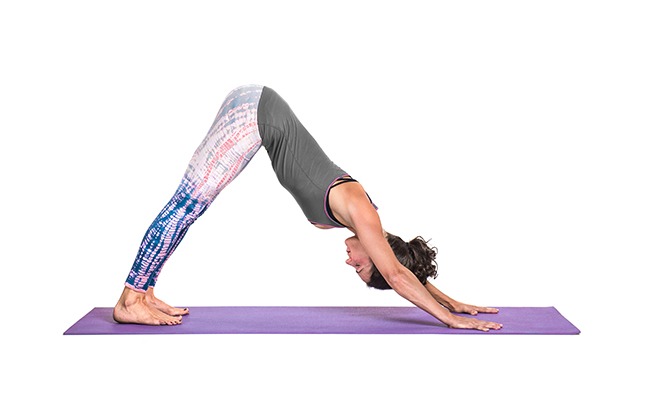
- Calms the brain and helps relieve stress
- Stretches the shoulders, hamstrings, calves, arches, and hands
- Strengthens the arms and legs
- Relieves headache, insomnia, back pain, and fatigue
- Therapeutic for high blood pressure
- Helps prevent osteoporosis
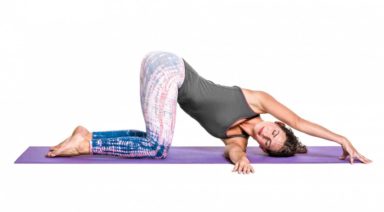
Extended Puppy Pose – Uttana Shishosana
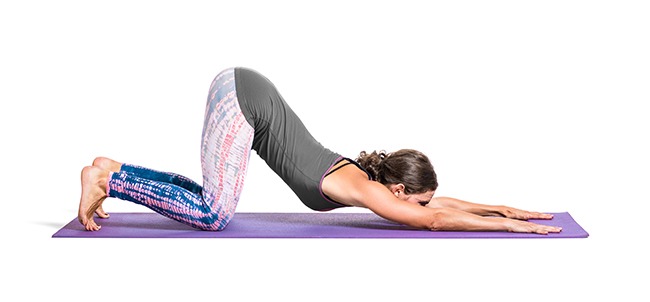
- Releases tension in you upper arms, shoulders, and neck
- Expands the whole front of your chest
- Stretches out your abdominal muscles
- Gently stimulates your back muscles in preparation for further backbends
- Opens up your hips and stretches your hamstrings
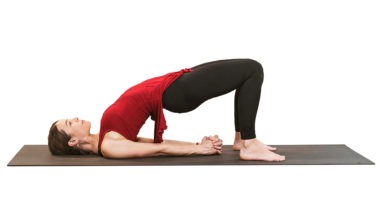
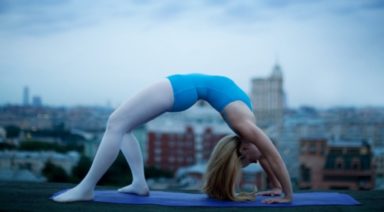
Bridge Pose – Setu Bandha Saravangasana

- Streches your chest, neck, spine, and hips
- Strengthens your back, buttocks, and hamstring muscles
- Calms your brain and central nervous system
- Alleviates stress and mild depression
- Massages abdominal organs and improves digestion/li>
- Relieves the symptoms of menopause
- Reduces anxiety, backaches, headaches, and insomnia
Wind-Relieving Pose – Ardha Pawanmuktasana

- Stretches the neck and back
- Pressure on the abdomen releases any trapped gases in the large intestine
- Blood circulation is increased to all the internal organs
- Relieves constipation
- Strengthens the back and abdominal muscles
- Massages the intestines and other organs in the abdomen
- Eases tension in the lower back