Alignment of Jupiter, Neptune in Pisces Hasn’t Occurred in 160 Years
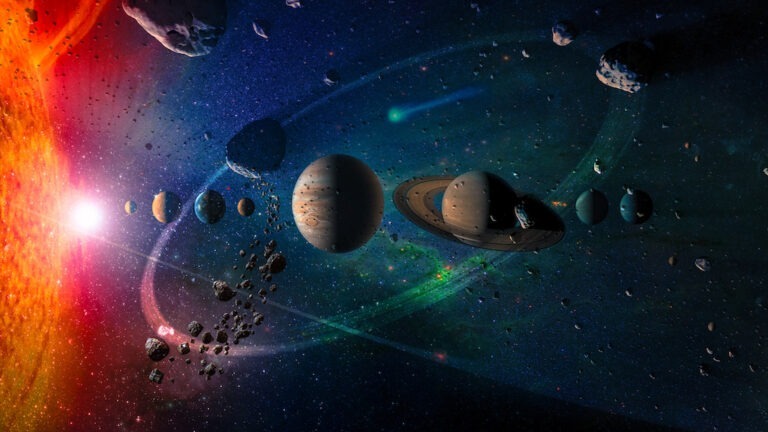
Jupiter and Neptune will be in conjunction in Pisces, which hasn’t happened in more than 160 years. What does this mean for humanity and the planet? And how should you greet this cosmic phenomenon?
The two planets will soon be in conjunction, where they appear to be close to each other when observed from Earth, and they will be in Pisces, something we have not seen since 1856.
Astrologer Mercedes Arnus Arraut explains what this means to us.
“Jupiter is the planet of news, knowledge, (and) media, and Neptune is the planet of spirituality, higher reals, higher dimensions, the ethereal — things that you cannot explain, the mystical,” Arraut said. “Something very interesting is that Pisces, the constellation where both Jupiter and Neptune unite, is the realm of both Jupiter and Neptune because before Neptune was discovered the Pisces constellation was ruled by Jupiter. So the fact that both these celestial bodies unite in both of their realms in Pisces, it’s very redundant energy where this mystical Pisces energy is going to be blooming all of our lives.”
This conjunction is in April, but we may be feeling the effects now.
“So the time this conjunction peaks is in the middle of April. This doesn’t mean we’re only going to feel it in April, because starting the Piscean month, which starts the 18th of February, we’re going to be having a boom of Pisces energy because the Sun is going to be walking towards this constellation — throughout this constellation — and both highlighting the energy of both Jupiter and Neptune in Pisces,” Arraut said.
“So starting the 18th of February, closer to this date, we’re going to be experiencing a big peak. And it’s not going to be until the end of April when we see this energy soothing a little bit more,” Arraut said. “But something very beautiful that the Piscean energy is bringing is healing. It’s understanding your wounds, understanding what hurts, or what has hurt you in the past, and finding a guide, a path toward healing toward understanding and having big compassion for you, for your evolution, for everyone around you, for those who hurt you. It’s feeling your heart with such a high vibration that you can experience love, second chances, second opportunities. It’s sort of like coming back to life, because you have a second chance at love, life, and work because you reach another state of consciousness, and that is the most beautiful way to put this energy. So, try to stay on the positive side of Pisces.”
How do we stay on the positive side of Pisces and experience this healing power?
“This conjunction wants to make humanity aware that there’s a world under the sea, there’s a world of consciousness under the sea. Under the sea means also our inner waters, our inner emotions, and it’s a way of humanity seeing how waters are so important in our life. It’s going to be a very sensitive few months for sure. So the way to handle this is expressing, chanting, singing, connecting with the Pisces energy in a much more conscious, a lot more beautiful way, its higher state, because Pisces is the energy of the highest form of creativity, the highest and most beautiful state of love. So, there’s going to be a lot of love in the atmosphere if you vibe with that aspect or higher state of the Piscean energy,” Arraut said.
As the planets move into conjunction Mercedes also recommends journaling your dreams every morning, getting out into nature, and tapping into your Piscean creative energy.
Discover Your Moon Sign and Its Meaning in Astrology

The moon sign is one of the most significant elements in your birth chart, as it represents your emotional life, your inner needs, and the mechanisms you use to feel emotionally secure. Unlike the sun sign, which is associated with identity and willpower, the Moon describes how you feel, react, and manage your emotions. In this article, we explore what the moon sign is, how it is calculated, and which aspects of your inner world it can help you understand.
Table of Contents
- What Is The Moon Sign?
- How Is The Moon Sign Calculated?
- Can You Know Your Moon Sign Without Knowing Your Birth Time?
- What Does It Mean To Have The Moon In Each Zodiac Sign?
- How To Consciously Work With Your Moon’s Energy
What Is The Moon Sign?
The moon sign is the zodiac sign the Moon was in at the exact moment of your birth. This point in the birth chart reflects the way you feel, how you process what affects you, and what you need to feel emotionally secure. Unlike the sun sign, which shows your conscious identity, the moon sign reveals your automatic reactions and your inner life.
This sign describes how you experience emotions, what kind of affection you seek, and how you react when you feel vulnerable. It also speaks to your connection with family, how you seek protection, and the emotional patterns you tend to repeat. Observing your natal moon helps you identify what soothes you, what unsettles you, and how you connect with your inner world.
How Is The Moon Sign Calculated?
To calculate your moon sign, you need to know the exact date, time, and place of your birth. Since the Moon changes signs every two and a half days, even a difference of a few hours can change the result. There are online calculators that can give you this information quickly, although a full birth chart always offers a more accurate view.
The calculation is done by observing the position of the Moon in the zodiac at the moment of your birth. Once the sign is identified, you can begin to explore how that energy influences your emotional world and how it combines with other elements in your chart. Knowing your moon sign gives you a deeper perspective on what you feel, how you process it, and what you need to feel emotionally supported.
Can You Know Your Moon Sign Without Knowing Your Birth Time?
Knowing your moon sign without having the exact birth time is possible in some cases, but it’s not always accurate. The Moon changes signs every two and a half days, so if you were born on a day when the Moon did not change signs, you can calculate it confidently using only the date. However, if the Moon changed signs that day, you will need the exact birth time to determine your moon correctly.
When you don’t know your birth time, one option is to check your birth certificate or ask family members for help. If that’s not possible, some astrologers can perform a rectification: a method based on key life events to estimate your birth time more accurately. You can also read the descriptions of both possible moon signs and see which one you identify with most, although this method does not replace an exact calculation.
What Does It Mean To Have The Moon In Each Zodiac Sign?
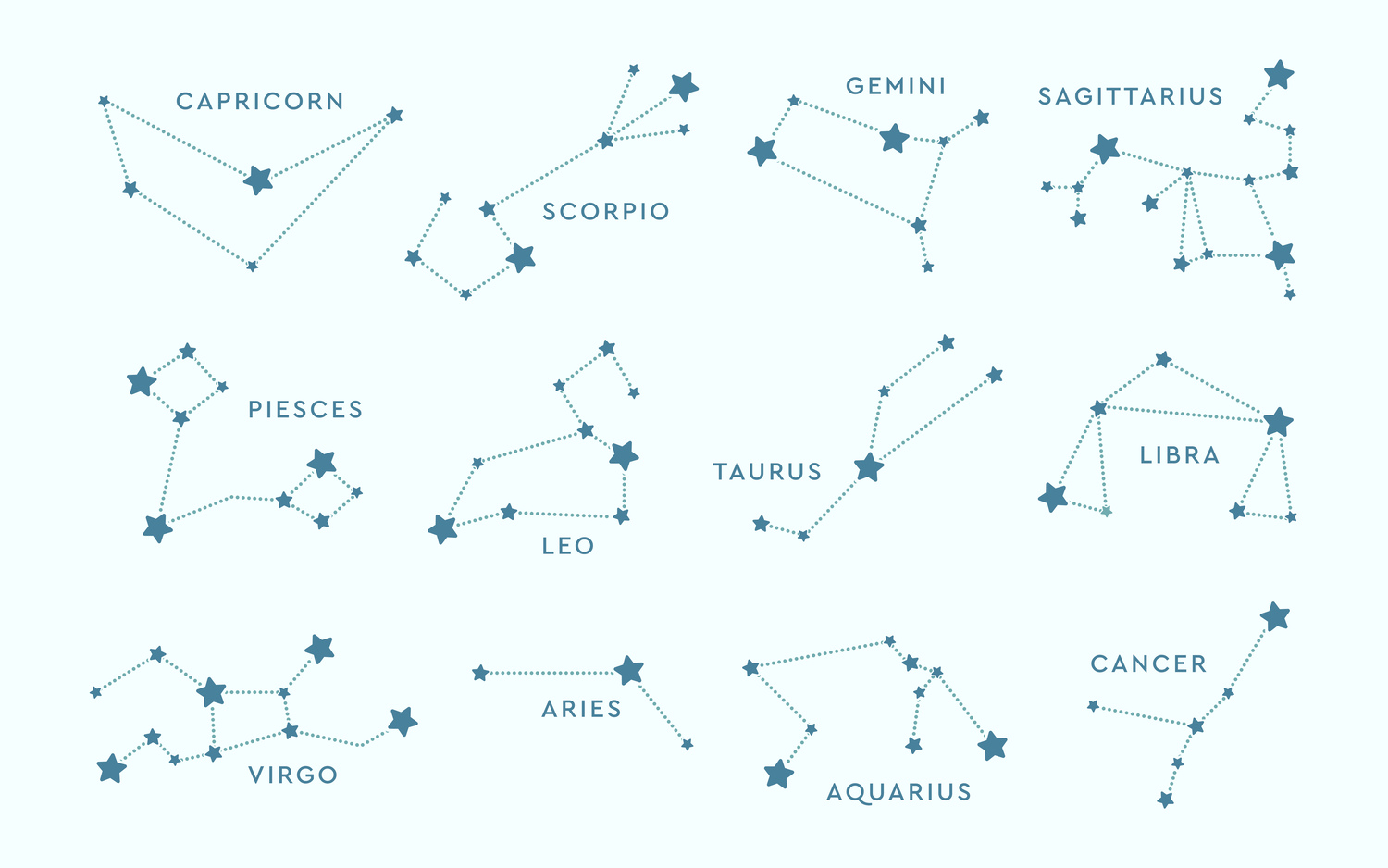
The sign the Moon is in in your birth chart indicates how you live your emotions, what makes you feel secure, and how you express your emotional needs. Each moon sign brings a different tone to your inner world, influencing how you react, care for others, and seek comfort. Knowing your moon helps you better understand your sensitivity, your closest bonds, and the emotional dynamics you tend to repeat most often.
-
Moon In Aries
The Moon in Aries gives rise to an intense, impulsive emotional life with little tolerance for waiting. Reactions are often quick, direct, and in some cases, explosive. It’s common for emotions to be expressed frankly, without filters or detours, which can make beginnings easier but also create conflicts.
This lunar placement is expressed through a strong need to assert what one feels immediately. Emotions are experienced intensely and quickly transformed into action, which drives impulsive reactions. The main emotional challenge is learning to regulate impulses, sustain emotional processes beyond the initial moment, and develop tolerance for frustration.
-
Moon In Taurus
The Moon in Taurus is associated with a strong need for emotional stability, security, and sensory enjoyment. People with this moon tend to process their emotions slowly but with depth and firmness. Once they get attached, they do so with loyalty and consistency.
This energy encourages attachment to the familiar, finding pleasure in the everyday, and connecting with the senses as a way to find inner calm. There may be some resistance to change or to open emotional expression, so the lesson lies in cultivating flexibility and emotional openness without losing the sense of security.
-
Moon In Gemini
The Moon in Gemini links the emotional world with thought, curiosity, and the need for exchange. Emotions tend to be processed through words, reflection, and dialogue—as if understanding what is felt were an indispensable step before actually living it. This placement brings emotional flexibility, quick mood changes, and a great capacity to adapt to different emotional stimuli.
This position promotes curiosity, cleverness, and an open emotional attitude, although it can also make it difficult to connect with emotional depth. The challenge lies in not constantly intellectualizing what is felt, and in learning to sustain emotional connection without the need to explain it all the time.
-
Moon In Cancer
With the Moon in Cancer, emotions are experienced with great intensity, sensitivity, and depth. This is the Moon’s ruling sign, which makes this placement especially strong. There is a deep connection to the past, the home, family, and bonds that provide emotional security.
This energy favors nurturing, protection, and the desire to build lasting relationships. However, it can also lead to emotional dependence or an excessive need for emotional shelter. The learning process involves nurturing the inner world without shutting down or absorbing others’ emotions as your own.
-
Moon In Leo
The Moon in Leo brings an emotional expression marked by the need for recognition, affection, and validation. There is a deep desire to feel valued and a tendency to share feelings in a generous and open way. Emotions are expressed with strength and enthusiasm.
This moon has a very high creative and expressive potential, though it can also lead to pride or difficulty in showing vulnerability. The path of growth involves cultivating authenticity without relying on external approval, and learning to receive love without the constant need to prove one’s worth.
-
Moon In Virgo
The Moon in Virgo is expressed through a need for order, clarity, and usefulness on the emotional level. Emotions are filtered through analysis, logic, and the desire for constant improvement. It’s common for caring for others to be a way of expressing affection.
This energy may lead to emotional demands, both internally and toward others, especially when feelings don’t follow a clear or understandable pattern. The emotional lesson is to embrace imperfection, trust intuition, and allow emotions to flow without needing to control or correct them.
-
Moon In Libra
The Moon in Libra tends to seek emotional balance through connection with others. There is a special sensitivity toward harmony and emotional reciprocity. This placement enhances the ability to listen, mediate, and maintain calm in tense situations, although it may also lead to a strong dependence on others to validate one’s emotions.
The desire to please and avoid conflict can lead to prioritizing others’ well-being over one’s own. Emotional growth involves cultivating an internal center that does not rely on others’ reflections, and learning to make emotional decisions more aligned with genuine desire—even when this means discomfort or disagreement.
-
Moon In Scorpio
The Moon in Scorpio is characterized by deep, intense, and transformative emotionality. There’s a natural tendency to experience highly complex feelings, often in a reserved or silent manner. This moon grants strong intuition, great capacity for emotional regeneration, and a magnetism that can attract deeply meaningful bonds.
However, it can also trigger defense mechanisms such as distrust, control, or the need to protect what is most intimate. The challenge is to channel intensity without falling into drama or constant self-defense, and to allow oneself to trust without feeling that it threatens emotional safety.
-
Moon In Sagittarius
The Moon in Sagittarius encourages an optimistic, enthusiastic, and expansion-oriented emotional expression. There is a need for emotional freedom, movement, and connection to broader ideas that give meaning to the emotional experience. This placement favors spontaneity, humor, and a positive attitude in the face of difficulties.
Nevertheless, there may be a tendency to minimize uncomfortable feelings or to escape from heavier emotions. The emotional path involves learning to inhabit moments of vulnerability too, without needing to turn everything into action or philosophical meaning. Integrating the inner world as a space as valuable as the outer one is part of this moon’s evolutionary process.
-
Moon In Capricorn
The Moon in Capricorn is associated with a reserved, practical, and control-oriented emotional attitude. Emotions are often channeled through responsibility, commitment, and a need for structure. There may be a tendency to hold back feelings to avoid appearing vulnerable, prioritizing stability over emotional expression.
This placement favors emotional maturity and the ability to sustain long-term processes, although it may also make spontaneous emotional connection more difficult. Inner growth involves learning to trust the emotional world as a legitimate source of wisdom and expressing one’s needs without fear of seeming weak.
-
Moon In Aquarius
With the Moon in Aquarius, emotions are processed through reason and with a certain distance, avoiding becoming too personally involved. This placement promotes a more rational than instinctive emotional connection, with a strong need for emotional independence. Inner freedom and respect for difference are key to feeling emotionally balanced.
Although it encourages objectivity and open-mindedness, this moon can lead to emotional disconnection or difficulty sharing intimacy. The learning process involves integrating the emotional dimension without always trying to explain it intellectually, and allowing vulnerability to coexist with the need for autonomy.
-
Moon In Pisces
The Moon in Pisces is characterized by a sensitive, empathetic, and permeable emotionality. There is a strong connection to the inner world, imagination, and the intangible, which brings a great capacity to connect with others’ feelings. This moon fosters compassion, surrender, and emotional expression through art or silence.
However, there can also be a tendency toward escapism, confusion, or difficulty in setting clear boundaries. Emotional work involves learning to distinguish what belongs to oneself from what belongs to others, maintaining a solid emotional identity, and channeling sensitivity without becoming lost in it. Intuition is a powerful tool, as long as it’s accompanied by clarity and grounding.
How To Consciously Work With Your Moon’s Energy
The first step to working with your moon’s energy is to observe how it expresses itself in your daily life. Pay attention to your reactions when something unsettles you, to what you need in order to feel calm, and to the emotional patterns that repeat most often. It’s not about changing these mechanisms right away, but about recognizing them with honesty.
Each moon has its own way of feeling, protecting itself, and relating. Honoring that particular form is a way of caring for your emotional balance. You might need more space, more support, or more connection with your body. What matters is understanding your needs without judging them or trying to mold them to external expectations.
Incorporating simple practices can help you connect with your inner world: writing down what you feel, practicing conscious breathing, setting clear boundaries, or simply making time for yourself. These actions strengthen your bond with lunar energy and allow you to better support yourself during moments of instability or sensitivity.
Working with your moon is a process of self-knowledge that is built with patience. As you learn to respect your emotional rhythms, your way of relating to others also transforms. The connection with your moon can be a guide to living with greater authenticity, balance, and sensitivity.