The Glass Ceiling of Yoga: Body Positivity
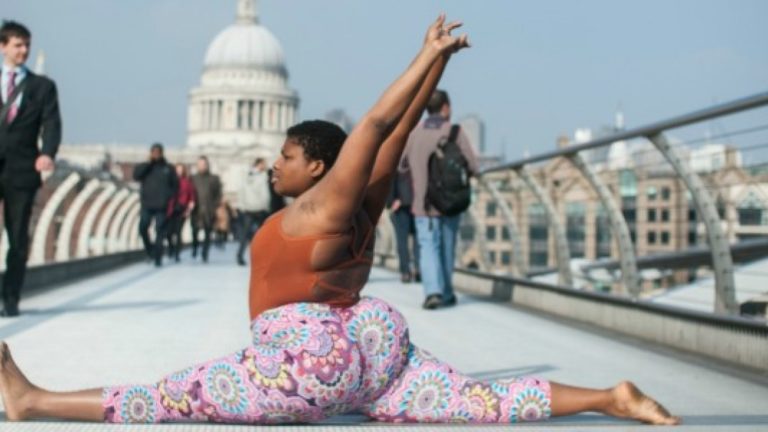
The picture of a serene and beautiful yoga community that is celebrated by the media actually disguises a disturbing layer of normalized and ubiquitous body type discrimination. However, by unveiling a previously “invisible” glass ceiling over the Western yoga community, students, teachers, and administrators can find ways to effortlessly mold body-positive practice spaces for current, new, and future yoga practitioners.
Gender vs Body Type
I’ve encountered a lot of glass ceilings in my life. Honestly, when you’re black, queer, and born with female genitalia, you encounter them constantly and I’ve grown to expect situations wherein boundaries and limitations are the norm. However, there’s a glass ceiling that limits our Western yoga community to a troubling degree and it’s something I never expected to encounter. I mean, when “glass ceilings” are typically identified in Western society, they are almost invariably related to gender.
Ironically, the yoga community doesn’t really suffer from a gender glass ceiling, at least not one that negatively effects women.
Even though women weren’t taught asana until the 20th century, the vast majority of Western yoga teachers and students are female. And while discrimination against male yoga students and teachers is probably more common than any of us could imagine, it’s still not the most expansive and divisive glass ceiling in the yoga community.
No, the real ceiling within our community is based entirely upon physical presentation and, specifically, body type.
This ceiling is clear as day to those of us who have atypical yoga practitioner bodies. Instead of being slender, white and heaped with physical ability, there’s a growing wave of yoga teachers and students who are plump, multiethnic and powering through life with a wide range of disabilities. However, those of us who challenge the white washed yoga teacher stereotype face a very different practice landscape than our colleagues. For example, it’s inappropriately common to hear a story about a yoga student being shamed out of a yoga studio, based upon comments made by discriminatory yoga teachers and students.
In some communities, it’s nearly impossible for atypical yoga teachers to find teaching opportunities. And even when teaching opportunities are available, they are not on par with options for more traditionally bodied teachers. This problem is well documented within small communities of “different” yoga teachers, but it’s essentially invisible to those who don’t see themselves as “different”. And, what’s worse, there are way too many practitioners and teachers who don’t see this kind of discrimination as a problem. Thus, an “invisible” glass ceiling has domed over our community, and only those who have been discriminated and oppressed are fully aware of its existence.
What Does This “Glass Ceiling” Actually Look Like?
Here’s the thing, no one in the yoga community is ever going to openly bad mouth someone who looks different from the traditional idea of a practitioner. Ok, let me back up. I’m sure it happens. But being openly mean to people is not condoned in our yoga community. It’s a pretty big no-no, actually. Therefore, I wouldn’t be surprised if someone reading this article right now is truly shocked by the idea that discrimination exists in a community which oozes the kind of saccharine sweetness that can only be honed by decades of marketing and product advertising. Unfortunately, the prettiest bandages can hide the ugliest wounds.
And beneath the surface of our saccharine sweet, mass media approved industry is a festering wound characterized by offensive language, discriminatory hiring practices and a bunch of other negativity that gets swept under the rug.
Admittedly, it’s not fun to acknowledge discrimination. In most cases, it feels very embarrassing, and many people would prefer to pretend as though they are not part of the problem. But anyone who turns a blind eye to this problem is also a key contributor to its existence. But how does this problem actually manifest and what does it look like? Let me paint a clearer picture for you.
Imagine you’re a curvy person who has finally decided to face your fear of practicing yoga in a group setting. Perhaps you’ve practiced yoga online with free videos, and you’re finally feeling confident enough in your understanding of asana to venture out of your living room and into a communally supportive environment under the watchful gaze of a knowledgeable instructor.
With a yoga mat under your arm and an emotionally swollen heart on your sleeve, you proudly stride into your local yoga studio.
When you approach the reception desk to check-in for class, the teacher (who looks, as expected, like a human Barbie doll) gives you a curt visual once-over. “Is this your first class?” Yoga Teacher Barbie chirps nonchalantly. While your knee jerk reaction may be defensive, you calm yourself down mentally. You remind yourself that she’s not trying to be offensive, and that she’s merely trying to take the proverbial temperature of a student she’s never met before. You smile and shake your head. “Nope, but I’m excited to take your class!” you say. Barbie smirks. “Well, this class is pretty intense,” she says.
You stare at her blankly. You’re wondering why she’s decided to tell you that the class is intense. Is it because she thinks you can’t handle the class? All of a sudden, you’re second guessing yourself and hiding sweaty palms. Why did you think you were strong enough to attend live classes? By the time you’ve rolled out your mat and gotten settled with props, the tissue thin confidence you brought into the studio has been shredded beyond repair by the self-doubt you’d managed to keep at bay prior to arrival.
During the class, you notice for the first time that your expressions of various yoga poses look a little different than other people in the class. Maybe your balance is a little less sharp, or you use props and modifications at times when other students seem to be able to go without. While that acknowledgement makes you a little self-conscious, it pales in comparison to the shame you feel at having your movements constantly corrected by Yoga Teacher Barbie.
Because, yes – Barbie has also noticed that your movements look a little different. And she’s decided to make your differences an opportunity for a teaching exercise by constantly correcting your alignment and offering more physical adjustments than you could have ever wanted. Ultimately, it doesn’t matter if she’s offering more or less advice to anyone else in the room – in fact, it’s entirely possible that she offers this level of adjustment to every student. But your confidence has been shattered.
The emotionally swollen heart you proudly wore on your sleeve is now openly bleeding.
In the best case scenario, you somehow find the strength to believe in yourself again. In the worst case, you vow to never darken the doorstep of another yoga class for fear of ever feeling this way again.
The thing is, if you’re reading this right now, you’ve probably worn the moccasins of either Yoga Teacher Barbie or our Curvy Protagonist. Maybe both. And the weird thing is, I’ve heard this exact same story told by people who are not necessarily “curvy” or “different” in some other way.
In fact, it’s startlingly common for people who look just like Yoga Teacher Barbie to still feel discrimination at the hands of their instructors.
I could be wrong, but I think this is all the result of the fact that we live in a staunchly body negative society.
Body negativity is endorsed by the mass media – let’s face it, that’s how they get us to buy things. We make purchases because we find ourselves wanting or lacking in one way or another. Unfortunately, in addition to the mass media, body negativity has also fully permeated the yoga community. In fact, many teachers believe their discrimination isn’t discrimination at all – they see it as a kind dose of realism to students who don’t meet their personal standards of yoga perfection. Because that’s really all discrimination is – it’s the state of our judgment when we encounter people, places, and things which jibe with our personal definitions of perfection.
It’s sad to see this happen in a community which has the potential to include every single human being on the planet. Frankly, it’s not absurd to imagine a world where everyone practices a style or hybrid blend of yoga. However, that reality will never come to fruition if we don’t resolve the body negativity and discrimination problem. How do we do that? Well, fight fire with fire.
If body negativity is the disease, then body positivity must be the antidote.
The Antidote: Body Positivity
Body positivity is frequently confused concept. It’s pretty confused even within the body positivity community. You could get a different definition depending on the person you ask, the day of the week, etc. Some people think body positivity is solely tied up in body size acceptance, and others might even go so far as to equate it with fat acceptance and fat positivity. While fat positive movements have their rightful place of importance in the evolution of our society, I don’t believe they are synonymous with body positivity. Another popular way of describing body positivity is by equating it with constant self-pep talks. You know, a pattern of methods to remind yourself that “I’m Great! I’m Beautiful! I’m worthy of breathing oxygen in front of other humans without feeling suicidal!” While pep talks are rad and I fully endorse them, I don’t think they speak to the core of body positivity.
You see, body positivity assumes your constant perfection. It assumes that you’re always beautiful. That you’re always worthwhile. That you’re always capable. That you’re always strong.
In a truly body positive world, these statements are not up for debate – instead, they are seen as impenetrable fact. The only perspective up for debate is that of each individual – are you willing to accept your own perfection? Especially when the mass media tells you that those statements are definitely not true. Body positivity is the confidence to accept your constant perfection and beauty, no matter the proverbial weather. And, most importantly, to accept the constant perfection and beauty of those around you, even if they look and act different from yourself.
When we implement body positivity in our yoga studios and spaces, we create environments where students across an infinite spectrum of differences all feel as though they are equal to one another. This type of attitude is absolutely critical in order to see the yoga community grow beyond the one dimensional image offered by the media. Body positivity doesn’t mean teachers aren’t free to offer alignment tips and adjustments to their students without fear of offending someone. But it does mean that every word, every gesture, and every moment is an opportunity to be encouraging. To make someone feel welcome. To actively avoid discouragement.
Eventually, this kind of environment will lead to the end of classes where certain students are viewed as superior to their fellow students. Good riddance, as far as I’m concerned. This is a glass ceiling that desperately needs to be shattered.
We must all take responsibility for the role we play in a yoga culture which is thoroughly embedded in discrimination and negativity.
We need more than a few people who are proud of their bodies. We need a legion of yoga teachers, administrators and advanced practitioners who truly walk the walk of the eight-limbed path, and who will stop at nothing to spread the practice to every soul across the planet.
About the Author
Complete Guide to Mudras and Their Meanings
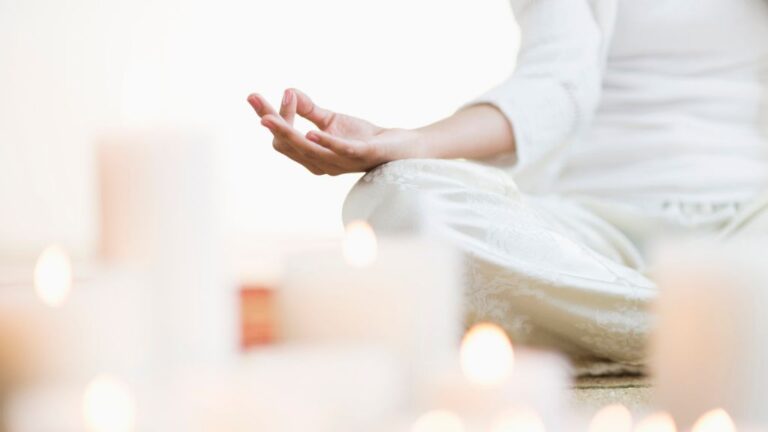
Mudras are symbolic gestures performed primarily with the hands and act as tools to channel the body’s energy. These specific positions have a direct effect on the physical, mental, and spiritual state, and have been used for centuries in practices such as yoga, meditation, and energy healing. In this article, we explore what mudras are, how they are applied, and the meaning behind some of the most powerful ones.
Table of Contents
- What Are Mudras and What Are They For?
- In What Practices Are Mudras Used?
- The Most Powerful Mudras and Their Meanings
- Prana Mudra, the Mudra of Vital Energy
- Gyan Mudra, the Mudra of Wisdom and Knowledge
- Surya Mudra, the Mudra of the Fire Element
- Uttarabodhi Mudra, the Mudra of Spiritual Transformation
- Vayu Mudra, the Mudra of the Air Element
- Shambhala Shield, the Mudra of Protection and Strength
- Shunya Mudra, the Mudra of Emptiness and Pacification
- Apan Mudra, the Mudra of Purification and Elimination
- Prithvi Mudra, the Mudra of Stability and Balance
- Benefits of Practicing Mudras with the Hands
- Are Mudras Only Performed with the Hands?
- History of Mudras: What Is Their Origin?
What Are Mudras and What Are They For?
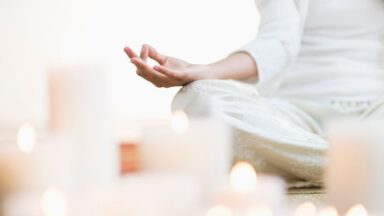
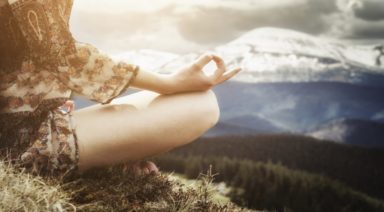
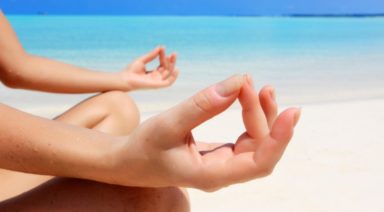
Mudras are energetic gestures that have been practiced since ancient times in traditions such as Hinduism and Buddhism. Their main purpose is to redirect the flow of vital energy (prana) within the body, helping to restore internal balance and enhance different states of consciousness. Although they are most commonly practiced with the hands, there are also full-body mudras that incorporate specific postures and movements.
From a physical perspective, mudras stimulate energetic points that connect with the nervous system’s channels and with the vital organs. When a mudra is maintained for several minutes, it activates an energetic circuit that can influence health, concentration, mental calm, or energy levels. This activation can be useful for relieving symptoms, releasing tension, or improving focus during meditation.
On an emotional and spiritual level, mudras function as symbolic keys that allow one to access deep mental states and facilitate personal transformation processes. Some mudras support introspection, while others awaken qualities such as confidence, wisdom, or determination. Their effects are not immediate, but with consistent practice, their benefits become increasingly evident.
In What Practices Are Mudras Used?
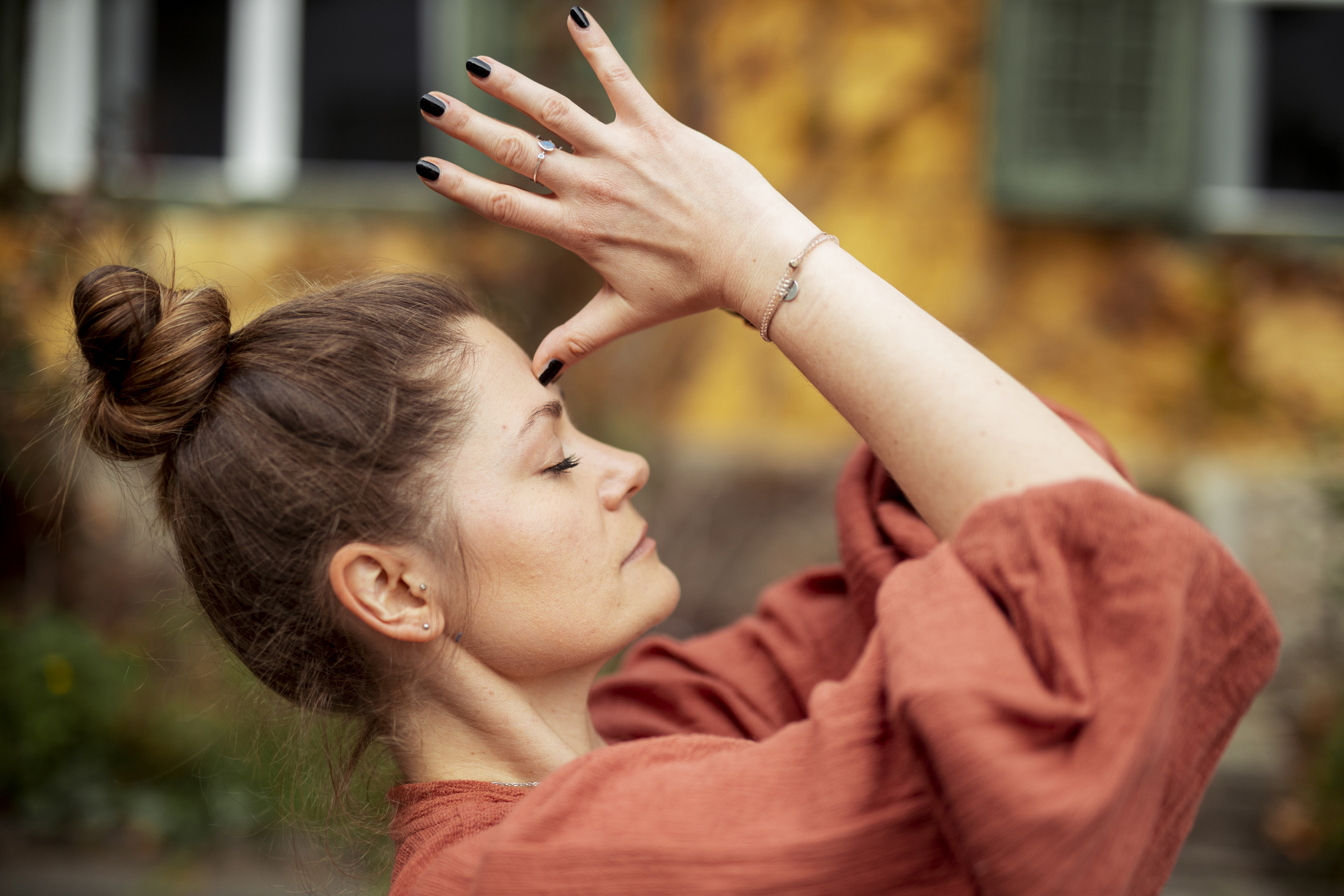
Mudras are naturally integrated into various spiritual and therapeutic disciplines, such as yoga, meditation, pranayama, and some forms of ritual dance. They are also present in religious ceremonies of Hinduism, Buddhism, and Taoism, where they are used as symbols of devotion, divine connection, and spiritual protection. Today, they are widely employed in contemporary wellness practices due to their simplicity and effectiveness.
Mudras in Yoga
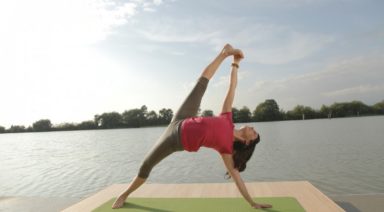
In the context of yoga, mudras are an extension of the energetic practice. They accompany both physical postures (asanas) and breathing exercises (pranayama), acting as catalysts that intensify the effects of each technique. By incorporating a mudra into the practice, the channeling of prana to specific areas of the body is facilitated, and greater coherence is created between intention, breath, and movement.
Beyond the energetic component, mudras in yoga also bring a meditative focus. Each gesture has a particular symbolism that invites introspection and full presence. In this way, the practitioner not only strengthens their physical body but also trains the mind to remain in balance and connected to its spiritual dimension.
Mudras for Meditation
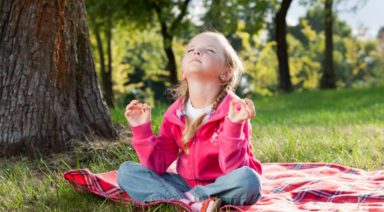
In meditation, mudras are used as a pathway to stabilize the mind and deepen concentration. By adopting a specific mudra, a neurophysiological response is activated that can induce calm, clarity, or emotional openness, depending on the type of gesture. This practice helps reduce mental scattering and sustain a meditative state for longer periods.
In addition to the effect on the mental state, mudras in meditation allow for working with clear intentions: from cultivating compassion to stimulating intuition or strengthening inner will. Each mudra acts as a symbolic channel that connects the practitioner’s intention with their subtle energy, offering a silent but powerful support for inner work.
The Most Powerful Mudras and Their Meanings
There are dozens of mudras, but some stand out for their ability to activate essential qualities such as vital energy, wisdom, inner balance, or spiritual transformation. These gestures have practical applications in everyday life and can be used to enhance well-being, deepen meditation, or accompany personal processes of healing and growth.
Prana Mudra, the Mudra of Vital Energy
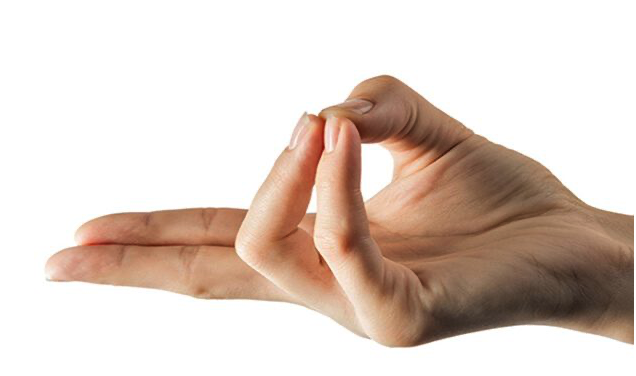
Prana Mudra is related to the awakening and the distribution of vital energy in the body. Its practice is especially useful in moments of fatigue, exhaustion, or lack of motivation, as it stimulates the flow of prana and strengthens the immune system. It is a recommended mudra for revitalizing oneself, both physically and mentally.
It can also support emotional balance, as it mobilizes stagnant energy and helps to unblock internal areas where tension accumulates. That is why it is a powerful tool for those who need to regain inner strength, clarity, and dynamism in their daily life.
Gyan Mudra, the Mudra of Wisdom and Knowledge
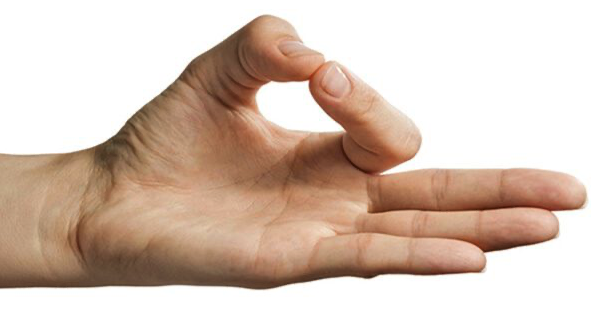
Gyan Mudra is one of the most commonly used in meditation and yoga due to its effect on the mind. It is associated with the activation of knowledge, concentration, and clear perception. Regular practice helps to calm mental activity and facilitate states of deep focus.
In addition to its cognitive effect, this mudra has a spiritual dimension. By stimulating the connection with inner knowledge, it becomes a tool for personal growth, conscious learning, and the awakening of intuition.
Surya Mudra, the Mudra of the Fire Element
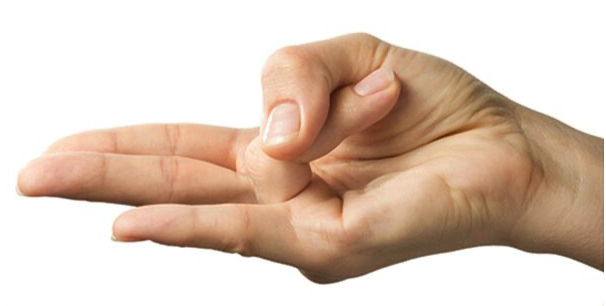
Surya Mudra activates the inner fire, represented in the body by digestion, metabolism, and transformative energy. It is an effective mudra to stimulate vitality, improve digestion, and support the elimination of toxins. It can also be useful in practices focused on purification and the release of what is no longer needed.
On a subtler level, the fire element is also related to willpower, courage, and determination. That is why this mudra can strengthen confidence and motivate concrete actions in moments when decisions must be made or changes initiated.
Uttarabodhi Mudra, the Mudra of Spiritual Transformation
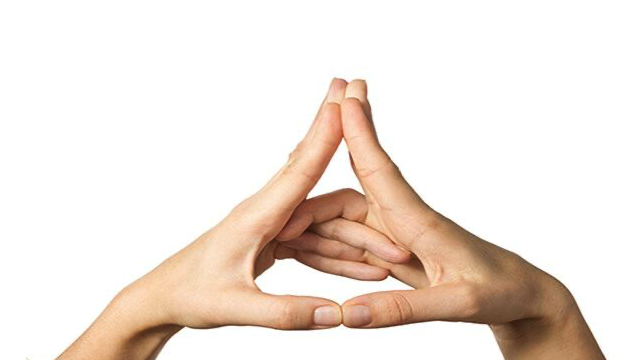
Uttarabodhi Mudra is linked to spiritual awakening and the opening to new forms of understanding. It is a gesture associated with states of inner clarity, renewed purpose, and deep connection with higher consciousness. It is used in advanced meditation practices or during moments of inner change.
This mudra not only represents enlightenment but also the strength necessary to go through transformation processes. When adopted, it enhances the ability to let go of old mental and emotional structures, facilitating a conscious evolution toward a more authentic version of oneself.
Vayu Mudra, the Mudra of the Air Element
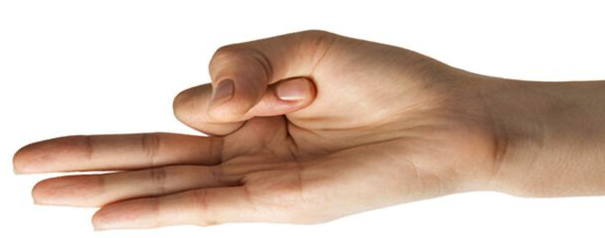
Vayu Mudra is designed to balance the air element within the body, which is associated with movement, circulation, and mental activity. It is especially useful for calming anxiety, reducing restlessness, and relieving physical tension related to the nervous system. It can also help in cases of joint pain, tremors, or muscular stiffness.
This mudra helps stabilize excessive thoughts and promotes a sense of inner lightness. It is a practical tool for those seeking mental clarity and greater control over emotional or mental impulses.
Shambhala Shield, the Mudra of Protection and Strength
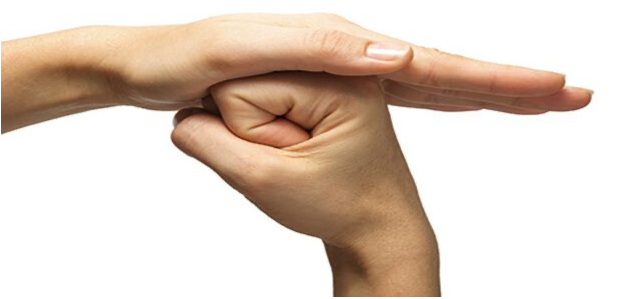
The Shambhala Shield is considered a mudra of energetic defense and inner strength. Its practice creates a feeling of containment and safety, acting as a barrier against negative external influences. It is especially helpful during times of vulnerability or in emotionally charged environments.
This mudra is also related to personal power and confidence. When activated, it strengthens the energy field and cultivates an attitude of firm and serene presence, ideal for facing challenges or upholding healthy boundaries.
Shunya Mudra, the Mudra of Emptiness and Pacification
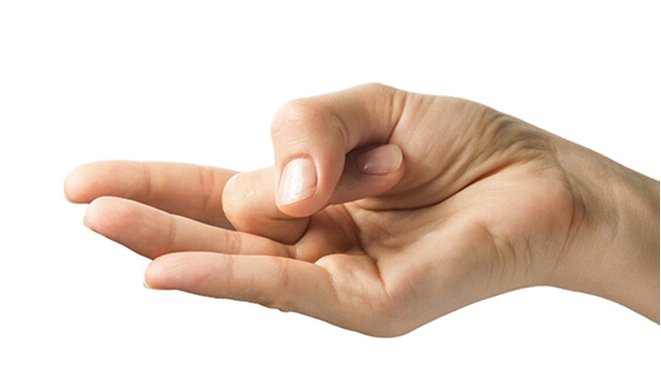
Shunya Mudra acts on the energy channel linked to the sense of hearing and inner space, helping to calm mental activity and reduce sensory overload. It is frequently used to relieve auditory discomforts, such as ringing or pressure in the ears, and also in cases of imbalance or mild dizziness.
Beyond its physical benefits, this mudra promotes a sense of inner silence and expanded presence. It is a suitable tool for deep introspective practices or for moments when one needs to clear mental and emotional noise.
Apan Mudra, the Mudra of Purification and Elimination
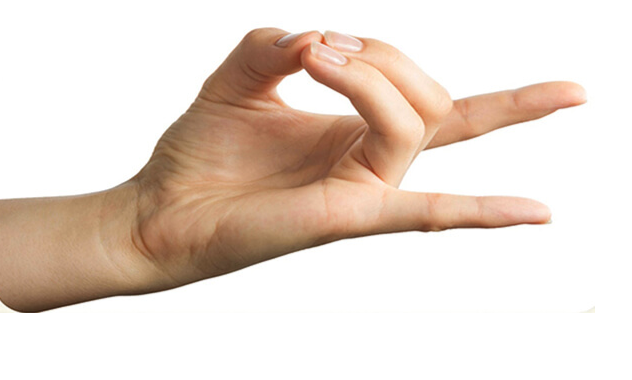
Apan Mudra stimulates the processes of elimination in the body, both physically and energetically. It is believed to support detoxification, digestion, and the regulation of the excretory system. It may also promote emotional release and deep rest.
From a broader perspective, this mudra represents the ability to let go of what is no longer necessary. It is a powerful practice for those going through phases of inner cleansing, closure of cycles, or a need for renewal.
Prithvi Mudra, the Mudra of Stability and Balance
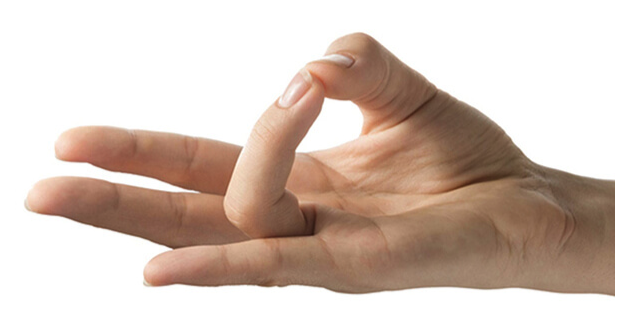
Prithvi Mudra activates the earth element in the body, promoting stability, vitality, and grounding. It is recommended in times of fatigue, insecurity, or dispersion, as it helps to restore physical and mental balance. It is also useful for strengthening nails, skin, and hair.
This mudra enhances the connection with the tangible and with the basic vital force. It can be used to cultivate a stable sense of presence, especially when one needs to regain calm or anchor themselves in the present moment.
Benefits of Practicing Mudras with the Hands
Practicing mudras with the hands offers a simple and accessible way to positively influence the body, mind, and emotions. These gestures act on the energetic and nervous systems, helping to restore internal balance and enhance different qualities depending on the mudra being used.
- Improve concentration: They stimulate areas of the brain related to attention. They facilitate focus in meditation and in activities that require mental clarity.
- Reduce stress: They activate the parasympathetic system and promote relaxation. They are effective for calming anxiety and reducing bodily tension.
- Balance vital energy: They help to unblock the body’s energy channels. This allows prana to flow more freely and harmoniously.
- Support emotional health: They aid in managing intense emotions such as fear, sadness, or anger. They help generate more stable internal states.
- Enhance spiritual practice: They strengthen the connection with inner purpose and full awareness. They are important allies in rituals, mantras, and visualizations.
- Relieve physical discomforts: Some mudras are used for headaches, digestive discomfort, or respiratory issues. They act as complementary support in healing processes.
- Increase vitality: They stimulate the immune system and strengthen the body’s overall energy. They are useful during periods of physical or emotional exhaustion.
Are Mudras Only Performed with the Hands?
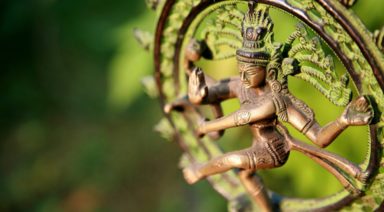
Although hand mudras are the most well-known and commonly practiced, they are not the only ones. There are also body mudras that involve full-body postures, eye movements, tongue positions, and specific spinal alignments. These broader gestures are used in practices such as kriya yoga, tantra, and certain advanced meditation techniques.
Mudras performed with the whole body can have a deeper and more immersive impact. They integrate the physical, energetic, and mental aspects into a single symbolic action. Their effect tends to be more powerful when combined with conscious breathing, visualization, and clear intention.
History of Mudras: What Is Their Origin?
The use of mudras has very ancient roots that date back to the earliest civilizations of South Asia. In India, their practice is documented in Vedic texts and in the traditions of yoga and Ayurveda. The sages of antiquity considered them subtle tools for directing vital energy and accessing elevated states of consciousness.
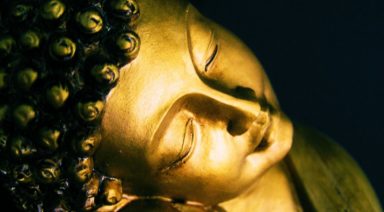
Over time, mudras were adopted into Buddhism, especially in Tantric and Tibetan Buddhism. In these traditions, mudras are used in rituals, symbolic representations, and in deity statues. Each gesture has a specific meaning representing divine qualities or aspects of the spiritual path.
Records of mudras are also found in other Asian cultures such as Taoism in China, and in certain artistic and religious expressions in Southeast Asia. In these contexts, mudras were combined with dance, chanting, and meditation, creating complete practices of inner connection and spiritual expression.
Today, mudras have been integrated into modern wellness and personal development disciplines around the world. Their simplicity, along with their effectiveness, makes them an accessible tool for anyone interested in balancing their energy, cultivating mindfulness, or deepening their spiritual practice.