Study Finds Evidence Of Higher Consciousness From Psychedelics
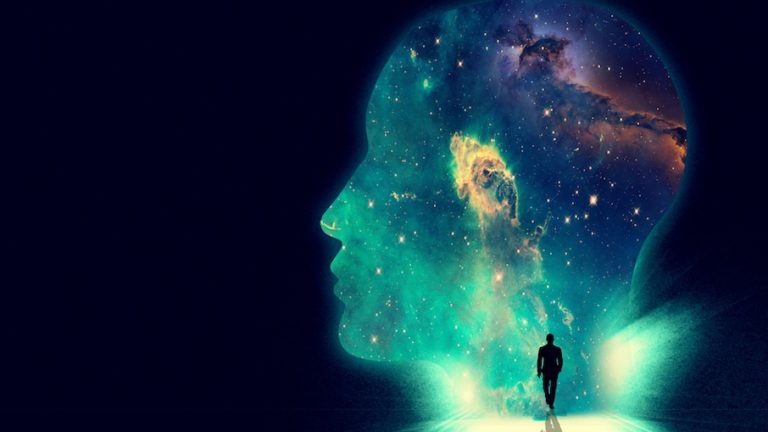
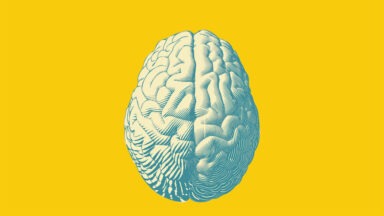
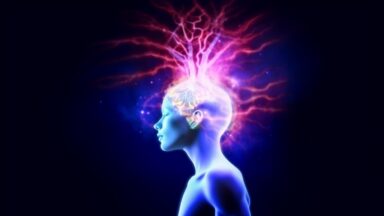
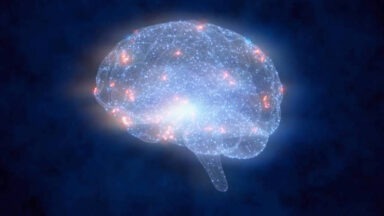
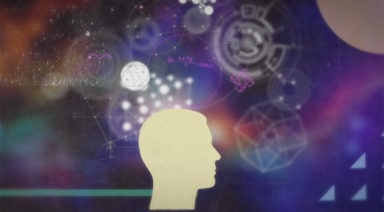
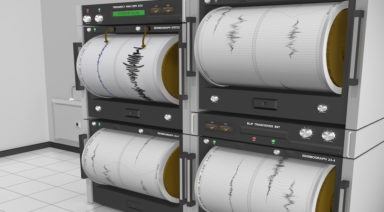
Scientists have found the first evidence of a higher state of consciousness by measuring the complexity of brain activity of people under the influence of psychedelics. The study measured magnetic fields generated by brain activity and used the data to create an index of varying levels of consciousness.
The study, conducted by a team at the University of Sussex in England, looked at the diversity of brain signals, a measure of the complexity of brain activity, in people under the influence of psilocybin, LSD, and ketamine, compared to the brain activity of people in lower levels of consciousness, such as sleep, anesthesia, and ‘vegetative’ states.
Participants under the influence of these drugs showed higher than baseline diversity, or higher levels than someone who is simply awake. This is the first time a measure of an elevated consciousness has been recorded in a study of its kind.
The researchers were quick to point out that their measure of higher consciousness doesn’t necessarily imply that the psychedelic state is better or higher functioning than our normal waking state. Instead the index they’ve used shows that the psychedelic state increases small magnetic fields produced by the brain and higher neural-signal diversity in all three types of drugs.
According to the study, “During the psychedelic state, the electrical activity of the brain is less predictable and less ‘integrated’ than during normal conscious wakefulness.”
One researcher involved in the study, Dr. Muthukumaraswamy, said he was surprised the results were consistent with each drug, despite their differing pharmacology. He and his colleagues believe that their research could lead to carefully-controlled use of the drug for therapeutic treatment in patients suffering from severe depression.
The group found correlation between participants’ reports of changes in intensity of the psychedelic experience and changes in brain signal diversity. They believe this shows there is a difference in aspects of brain activity in our everyday conscious experience.
This study comes after recent trials have shown psilocybin can flip a “reset” mechanism in the brains of people suffering from depression. Similar studies found benefits in the therapeutic use of ketamine and LSD for people suffering from a range of physical and psychiatric issues, including drug addiction and PTSD.
Similar studies have been conducted to test electroencephalography, or EEG, on participants in deep states of meditation, finding increased levels of alpha and theta wave activity. It’s unclear whether this recent study plans on testing participants levels of brain-signal diversity in non-intoxicated, altered states of consciousness.
About the Author

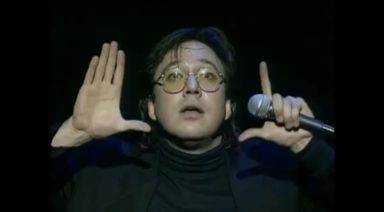
Comic Bill Hicks' Excellent Inter-Dimensional Adventure
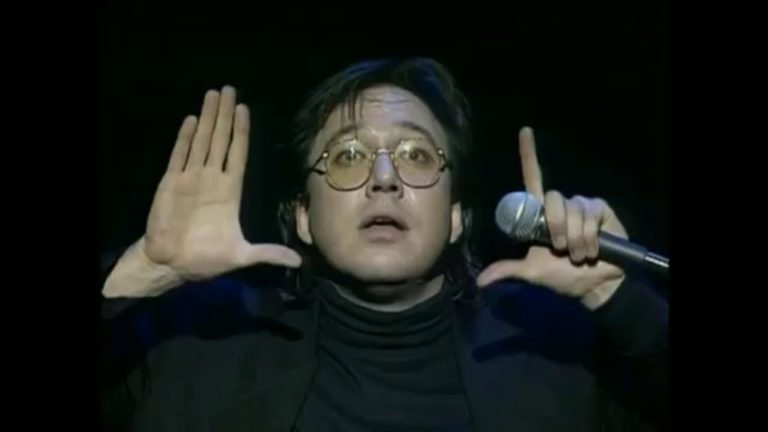
Comic Bill Hicks was described as “irreverent, outrageous, shocking, angry,” and “genius.” He loathed media-entrained helplessness and consumerism, referring to America as the “United States of Advertising.” Called the “comedian’s comedian” by critics, Hicks performed in the U.S., U.K., and Australia until his death in 1994 at age 32.
But the adjectives above cannot fully describe Hicks, who waged war on the cultural trance, calling for a new, awakened consciousness. He was a rock n’ roll Gabriel on the razor’s edge, trumpeting a vision of a vast, human evolutionary shift. Look and listen between the lines and other descriptors will come to mind; “visionary,” “prophetic,” and yes, “dimensional traveler.”
One of Hicks’ alter egos, “Goat Boy,” was a startling stew of Pan, Dionysus, Bacchus, and any hedonistic diety you can think of. Goat Boy was the comic gestalt of Hicks’ libido — seriously explicit, but paradoxically wise and child-like. Gerald Nachman, the San Francisco Chronicle theater critic wrote, “However rough he gets, I felt my head opened up by Hicks. He’s not everyone’s cup of chicory, but If you like your comics witch’s brew-strong, Bill Hicks is the wit of choice.”
Harmonic Convergence 1987
As a teenager, Hicks and his friends discovered psilocybin mushrooms as a tool for spiritual insight. From an even earlier age, Hicks had explored eastern meditation traditions and subjects in the “Course in Miracles” genre. He earnestly and sincerely sought enlightenment, say his surviving friends. And he believed unshakably in UFOs and multi-dimensionality.
Laser-focused on a career as a comedian, Hicks began sneaking out of his parent’s house to perform in a Houston comedy club at age 14. By 1985, he was established as the leader of the pack of the Houston comedy scene. Hicks was living like a rockstar; drugs, alcohol, wild parties, etc., and over the next few years, he fell into addiction and behaviors that impacted his career and was losing credibility as an artist and performer.
“Bill knew he needed to get sober. From a career standpoint, it became apparent he needed to turn things around,” wrote friend Kevin Booth in his book. But according to Booth, now a filmmaker and producer, the 1987 Harmonic Conversion event was the turning point. The event was organized by author Jose Arguelles, the Aug. 16, 1987 date was chosen because of planetary alignments and the Mayan calendar. Hicks, Booth, and another friend prepared days in advance with meditation and clean diets.