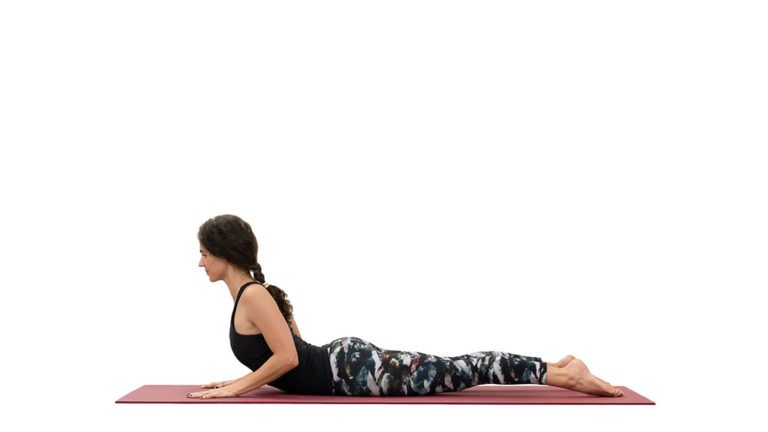
Bhujangasana: Cobra Pose
ADJUSTMENTS | BENEFITS | SEQUENCING | SANSKRIT | STEPS
Bhujangasana (boo-jang-GAHS-anna) is a great way to strengthen the upper back and is often practiced as part of a transition back to downward-facing dog in vinyasa yoga. Practicing cobra pose regularly can improve your lung capacity, reduce stress, and stimulate many of the internal organs in your body.
Philosophy + Origin
Although often perceived as evil or dangerous, snakes also have a rich history of power and worship. In some yoga traditions, the energy of kundalini is represented by a serpent resting coiled at the base of the spine. By awakening this snake, we enliven our body’s energy and create a pathway towards enlightenment. This connection with enlightenment is also seen in many portrayals of the Buddha where he is shown with a cobra over his head.
ADJUSTMENTS/MODIFICATIONS:
- Option to swap cobra pose for sphinx pose by placing your forearms on the floor.
- Lengthen the back of the neck to avoid straining the neck and upper back.
- If you experience discomfort in the lower back, bend the elbows more.
STEP-BY-STEP:
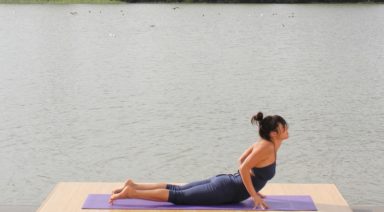
- Lie on the floor on your belly. Extend your legs behind you with the tops of your feet on the floor. Place your hands palm down on the floor a couple inches away from your shoulders. Squeeze your elbows towards your body rather than letting them splay out to the sides.
- Press firmly down through the tops of your feet and your thighs. Draw your tailbone toward the ground.
- On an inhale, reach your chest forward and up. Draw your shoulders away from your ears.
- Stay here or press into your palms and begin to straighten your elbows. Keep your legs engaged as you lift your chest forward and up.
- Stay in the pose for up to 30 seconds.
- To release, lower your body as you exhale and rest on the floor.
PREPARATORY POSES:
- Bridge pose | Setu bandha sarvangasana
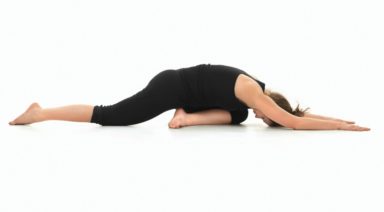
- Sphinx pose | Salamba bhujangasana
SEQUENTIAL POSES:
- Upward-facing dog | Urdhva mukha svanasana
- Upward-facing bow pose | Urdhva dhanurasana
- Camel pose | Ustrasana
COUNTER POSES:
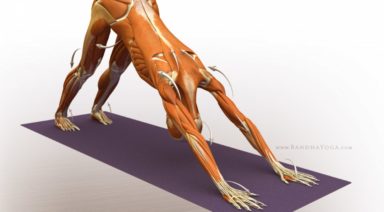
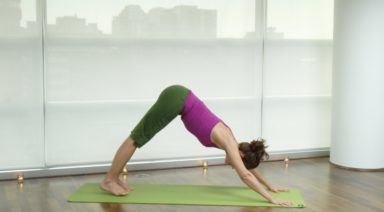
- Downward-facing dog | Adho mukha svanasana
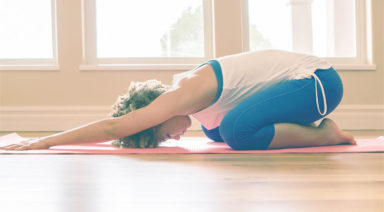
- Childs pose | Balasana
- Half pigeon pose | Eka pada rajakapotasana
SANSKRIT:
- Bhujanga = snake
- Asana = pose
PHYSICAL BENEFITS:
- Strengthens muscles of the back
- Increases flexibility in the spine
- Strengthens glutes
ENERGETIC BENEFITS:
- Relieves stress and fatigue
- Awakens kundalini
- Opens heart and throat chakras
Legal Disclaimer Before participating in any exercise program or using any fitness products or services that may be described and/or made accessible in or through the Gaia Website and/or the Services, you should consult with a physician or other healthcare provider. Read more about Gaia’s Terms Of Use.

About the Author

Anjaneyasana: Monkey Lunge Pose

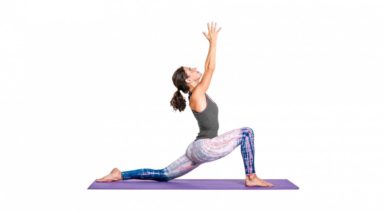
Anjaneyasana (AHN-jah-nay-AHS-uh-nuh), also known as low lunge or monkey lunge, stretches the hips, gluteus muscles, and quadriceps while improving balance, concentration, and core awareness.
Philosophy and Origin:
The term anjaneya is a matronymic reference to the monkey god Hanuman using his mother’s name, Anjani. Lord Hanuman is a central part of Hindu devotional worship, believed to be an incarnation of Lord Shiva. The pose resembles a young, divine child (anjaneya), reaching towards the sky and the warmth of the sun, captivated by a glowing fruit in the sky as depicted in the traditional epic.
Sanskrit:
- Anjaneya: Lord Hanumān, the divine entity of spiritual significance
- Asana: pose