How to Use the Chinese Magic Square — The Lo Shu
Thousands of years ago in China, the Lo River flooded, inundating the local population. The people were desperate, and frantically made offerings and sacrifices to the river god, asking him to return the water to its banks.
Suddenly a turtle surfaced on the river. The people saw that there was a pattern on its shell, a grid of nine squares. Each square had dots adding up to numbers. No matter which way the dots were added across the rows either diagonally, vertically, or horizontally, the sum was 15. The diagram was called the “Lo Shu,” or “Lo River Writing.”
The turtle gave the people the pattern on its back as a map or grid of the natural flow of chi and the elements, and this square with its numbers became a foundational tool in Feng Shui and Taoist traditions. The square is also carried as an amulet or placed in homes and offices as a protective charm.
Want to learn more about Feng Shui? Watch this full-length video free!
How to Use the Lo Shu
Find Missing Elements by Birth Date: By laying the numbers of someone’s day, month, and year of birth over the corresponding magic square numbers, one can see which elements are missing — those squares with no corresponding numbers in the birth date indicate elemental imbalances. Just drop out any zeros — there is no corresponding Lo Shu sector for zero.
These elements can be emphasized by using corresponding colors in home decor, clothing, and jewelry choices. If, for instance, there are no fours in the birth date, the four square in the Lo Shu will be under-emphasized. Remedies would include wearing purple or placing purple objects in the far left corner (if looking from the front door) of the home, office, and individual rooms. Since the element is Wood, keeping a healthy plant in that area will also help bring the lo shu into balance. Additional remedies are listed below.
Find Missing Elements in the Home: Look at the Lo Shu and imagine that the black, one square is laid over your front door. Then imagine the grid stretching to overlay the rest of the structure — since few of us live in perfectly square homes, there will likely be empty areas. It’s important to imagine the grid stretching to the very back wall of the structure as well. The grid may also be overlayed on an individual room, with the entrance doorway at the black number one square. Don’t worry about actual compass directions — in the Lo Shu square, the north is always on or near the main entrance.
If the larger structure has missing elements, those can be emphasized by placing the appropriate remedies within individual rooms in the house. For instance, if there is no “structure” in the far left back four corners, purple amethyst or flowers may be placed in those sectors of an individual room. In addition, “empty” or “missing” spaces may be remedied by planting a garden or placing a water feature in the area.
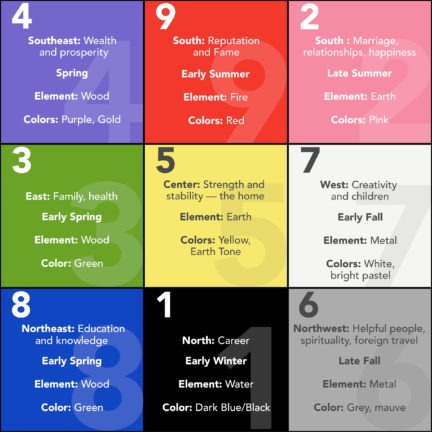
Below are the qualities and rulerships of the squares in the Lo Shu.
1 = North: Career. Season: Early Winter. Element: Water. Colors: Dark Blue/Black
2 = Southwest: Marriage, relationships, happiness. Late Summer. Element: Earth. Color: Pink
3 = East: Family, health. Early Spring. Element: Wood. Color: Green.
4 = Southeast: Wealth and prosperity. Element: Wood. Colors: Purple, Gold.
5 = Center: Strength and stability — the home. No season. Element: Earth. Colors: Yellow, Earth Tones.
6 = Northwest: Helpful people, spirituality, foreign travel. Late Fall. Element: Metal. Colors: Grey, mauve.
7 = West: Creativity and children. Early Fall. Element: Metal. Colors: White, bright pastels.
8 = Northeast: Education and knowledge. Late Winter. Element: Earth. Colors: Blue, blue-green.
9 = South: Reputation and Fame. Early Summer. Element: Fire. Color: Red.
Below are additional personal and space remedies for missing elements and directions.
- This Northern square is the water element. Balance the element by adding a water feature — even a small bubbler — an aquarium, or an image of flowing water. Ever notice the aquariums often seen near the front door of Chinese restaurants?
- The Southwest square is the earth element, and the color is pink. This section has to do with love and relationships, so placing paired objects here can help — traditionally, the Chinese will place a pair of cloisonne mandarin ducks in this sector as these birds mate for life. Rose quartz can be placed, and pink stones can be worn to balance the lo shu.
- The green sector is East and is related to the wood element. If additional support is needed, use green plants and wooden objects. Wearing green and carrying a wooden pen are also recommended.
- The Southeast, colored purple, is also wood, but use purple here. Purple live or silk flowers, amethyst crystals, or fabrics can help balance the chi here as well as wearing purple clothing and amethyst jewelry.
- This is the center — the earth. Traditionally, images of mountains without water are used, and wearing crystals in any form or shape is recommended. Also, crystal chandeliers or balls are suggested.
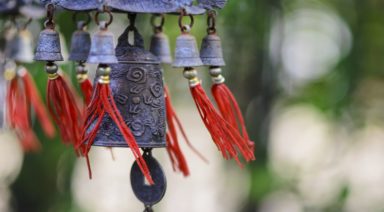
- The Northwest is occupied by the metal element — enhancing that chi with metal in some form is suggested, particularly gold-colored metals. Wearing gold is recommended, as well as hanging a gold-toned metal windchime with six rods or pipes.
- This Western sector is also metal but relates more to silver colors. Wear a silver watch or chain, and install a silver-toned wind chime with seven rods or tubes.
- The Northeast is occupied by the earth element. The color is blue, and crystals are used to balance chi here, in the form of jewelry or decor.
- The South is the fire element. Wearing red, putting a red light bulb in any fixtures in this section, or installing a wood-burning or gas fireplace are all possible remedies.
Â
Â
Watch this episode of Beyond Belief featuring Feng Shui specialist Kelly S. Jones:
100 Tarot Questions: What You Should and Shouldn’t Ask
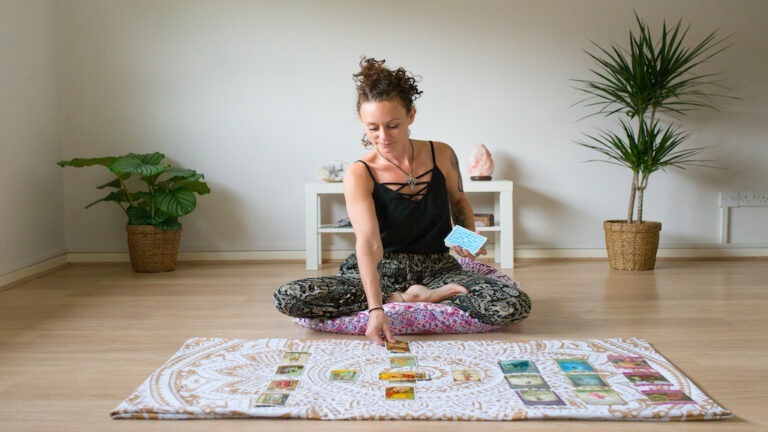
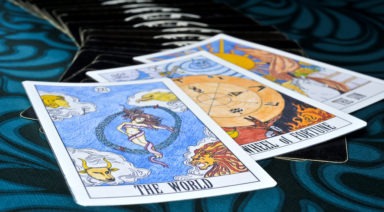
The Tarot offers a window into our inner world and a guide to facing challenges and making decisions. The key to getting useful answers lies in asking open and reflective questions. In this article, we explore the importance of questions, how to formulate them, how many to ask, and which ones to avoid in a Tarot reading.
Table of Contents
- The Importance of Questions in a Tarot Reading
- 100 Examples of Tarot Questions
- 10 General Questions
- 10 Questions About Love
- 10 Questions About Work
- 10 Questions About Finances, Business, and Money
- 10 Questions About Health and Well-being
- 10 Questions About Important Decisions
- 10 Questions About Family and Children
- 10 Questions About Spirituality
- 10 Questions About Past Lives
- 10 Questions About Life Purpose
- Do Tarot Cards Reveal the Future?
- What to Do with the Information from a Tarot Reading?
The Importance of Questions in a Tarot Reading
The questions we ask in a Tarot reading are crucial for the type of answers we receive. Well-formulated questions can provide clarity, direction, and understanding about various areas of our lives. On the other hand, vague or poorly phrased questions can result in confusing or unhelpful answers.
It’s essential to focus on questions that encourage reflection and self-awareness. Open-ended questions allow us to explore different aspects of a situation, offering a more complete and detailed perspective. This not only facilitates a better interpretation of the cards but also promotes a deeper and more meaningful internal dialogue, helping to uncover the true causes and possible solutions to the challenges we face.
In the series Mystery Teachings of the Tarot, available on Gaia, Dr. Theresa Bullard emphasizes the importance of asking questions that help us connect with our intuition and gain a clearer understanding of our circumstances. This series is an excellent guide for those who wish to deepen their Tarot readings and learn how to formulate effective questions to obtain useful and revealing answers.
How Many Questions Can I Ask?
There is no fixed number of questions to ask in a Tarot reading; it depends on individual needs and circumstances. A good number might be between three and five well-formulated questions, but this can vary depending on the depth of the answers you seek and the time available.
Limiting the number of questions helps avoid information overload. By focusing on a few questions, you can reflect properly on the answers received and apply the lessons learned to your daily life effectively. This allows you to explore each question in depth and maximize the value of the reading.
What Questions Should I Avoid in Tarot?
To get the best answers from the Tarot, it’s advisable to avoid questions that seek to predict specific events or depend on factors outside your control. Instead of asking, “When will I meet my soulmate?”, it’s more useful to ask, “What can I do to prepare my heart and life for a meaningful relationship?” This approach allows you to actively work on your personal development and be better prepared for future opportunities.
It’s also important to avoid questions that seek “yes” or “no” answers, as these don’t encourage deep dialogue or provide enough information for reflection. For example, instead of asking, “Should I change jobs?”, ask, “What should I consider when thinking about a career change?” This type of question opens the door to a more complete exploration of your options and circumstances, allowing for more detailed and enriching answers.
100 Examples of Tarot Questions
Below, we present 100 examples of questions in various areas of life that can help you make the most of your Tarot reading.
10 General Questions
- What is my life purpose at this moment?
- What do I need to know about my current situation?
- How can I overcome the obstacles I’m facing?
- What should I learn from my current challenges?
- How can I improve my overall well-being?
- What talents should I develop to achieve my goals?
- What is preventing me from moving forward in my life?
- How can I improve my personal relationships?
- What actions should I take to find inner peace?
- What should I know to make better decisions?
10 Questions About Love
- What can I do to attract a healthy romantic relationship?
- How can I improve my current relationship?
- What should I learn from my past romantic experiences?
- What qualities should I look for in a partner?
- How can I heal from a breakup?
- What is preventing me from finding true love?
- What do I need to know about my future love life?
- How can I communicate better with my partner?
- What aspects of my behavior are affecting my romantic relationships?
- How can I rekindle the passion in my relationship?
10 Questions About Work
- How can I advance in my professional career?
- What can I do to find a job I’m passionate about?
- What skills do I need to develop to succeed in my work?
- How can I improve my relationship with my coworkers?
- What should I consider when thinking about a career change?
- How can I better manage work-related stress?
- What is preventing me from achieving my professional goals?
- How can I find a better balance between my work and personal life?
- What opportunities for professional growth are available to me?
- What should I know about my current work environment?
10 Questions About Finances, Business, and Money
- How can I improve my financial situation?
- What should I know before making a major investment?
- What steps should I take to achieve financial stability?
- How can I better manage my personal finances?
- What should I consider when starting a business?
- How can I increase my income?
- What financial habits should I change?
- What financial opportunities are available to me?
- How can I free myself from debt?
- What is preventing me from achieving my financial goals?
10 Questions About Health and Well-being
- What can I do to improve my physical health?
- How can I better manage stress and anxiety?
- What habits should I adopt for a healthier life?
- How can I better balance my body and mind?
- What should I know about my emotional well-being?
- How can I strengthen my immune system?
- What is preventing me from achieving optimal well-being?
- How can I improve my mental health?
- What steps should I take to heal a specific ailment?
- What should I keep in mind to maintain a healthy lifestyle?
10 Questions About Important Decisions
- What should I consider when making this decision?
- What is the best path to follow in this situation?
- What consequences can I expect from this choice?
- How can I make a decision aligned with my values?
- What is preventing me from making a clear decision?
- What should I know before deciding?
- How can I find the courage to make this decision?
- What information am I missing to make this decision?
- How can I overcome the fear of making important decisions?
- What benefits will I gain from making this decision?
10 Questions About Family and Children
- How can I improve my relationship with my children?
- What should I know to better support my family?
- How can I foster a harmonious family environment?
- What family challenges do I need to address?
- How can I be a better parent?
- What can I do to improve communication in my family?
- What family patterns should I change?
- How can I better support my partner in parenting?
- What should I consider for my family’s emotional stability?
- How can I reconcile family differences?
10 Questions About Spirituality
- How can I deepen my spiritual practice?
- What should I know about my spiritual path?
- How can I better connect with my inner self?
- What spiritual lessons should I learn now?
- How can I balance my spiritual energy?
- What spiritual obstacles should I overcome?
- How can I find peace and spiritual balance?
- What spiritual practices should I incorporate into my life?
- How can I better align with my spiritual purpose?
- What should I know about my spiritual guides?
10 Questions About Past Lives
- What lessons from past lives are influencing my current life?
- How can I heal traumas from past lives?
- What should I know about my karmic connections?
- How have my past lives affected my current relationships?
- What talents from past lives can I use now?
- What repetitive patterns come from past lives?

- What vows or promises from past lives should I release?
- How can I better integrate the lessons from my past lives?
- What should I know about my experiences in other incarnations?
- How can I use the knowledge of my past lives for my personal growth?
10 Questions About Life Purpose
- What is my mission in this life?
- How can I discover my true purpose?
- What steps should I take to align with my life purpose?
- What is preventing me from fulfilling my purpose?
- How can I use my talents to fulfill my life mission?
- What should I learn to move forward on my life path?
- How can I better contribute to the well-being of others?
- What important lessons should I learn in this life?
- How can I live a more meaningful and fulfilling life?
- What should I know to fulfill my destiny?

Do Tarot Cards Reveal the Future?
The Tarot should not be seen as a tool that predicts the future in a fixed and immutable way. The cards reflect current energies and trends, suggesting possible paths and scenarios that could develop based on the querent’s decisions and actions. It’s essential to interpret Tarot answers with an open and contemplative mind, understanding that they offer guidance based on the present, not an absolute prediction of the future.
Rather than fixing destiny, the Tarot provides insight into the influences and opportunities present in the querent’s life. The cards can reveal behavioral patterns, blockages, and potentials that help in making informed decisions. The purpose of the Tarot is to empower the querent, providing the tools needed to navigate their circumstances with greater clarity and wisdom.
Querents should use the information obtained from the Tarot as a guide to reflect and make decisions based on their own judgment and inner wisdom. By doing so, they can make the most of the lessons and advice the cards offer, adapting their actions to better align with their personal goals and values. When used consciously, the Tarot becomes a powerful ally for self-awareness and personal growth.
What to Do with the Information from a Tarot Reading?
Once you’ve obtained the information from a Tarot reading, it’s important to take the time to reflect and process the answers. It’s recommended to jot down the ideas and feelings that arose during the reading to review them later. This practice not only helps you remember important details but also allows for continuous reflection on how to apply the advice received in daily life.
Applying the information obtained is the next important step. This involves taking concrete actions based on the Tarot’s suggestions, whether by adjusting behaviors, exploring new opportunities, or facing challenges in a different way. Integrating these changes into your daily routine can lead to significant growth and transformation, better aligning your actions with your personal goals and values.
Finally, it’s helpful to regularly review past readings to see the progress and changes that have been made. This not only reinforces the understanding of the Tarot’s messages but also allows you to adjust your course of action as needed. The process of continuous review and adjustment is key to maintaining an effective connection with the guidance provided by the Tarot, ensuring it remains relevant and useful over time.