Study Shows Intermittent Fasting’s Effect on Long Term Memory

With cognitive decline on the rise, a search for solutions has never been more pressing. A groundbreaking recent study on intermittent fasting suggests that the way we time our eating may play a significant role in our brain health.
For thousands of years, people have been fasting for religious and spiritual reasons while reaping a host of physical benefits. Today, however, the standard western diet has left many overfed and undernourished. While fasting practices are not new, there is a host of new research showing they may be an important key to preserving health in a time of disease.
Dr. Edward Group is a naturopathic physician who has been incorporating fasting in his practice for years with great success.
“Fasting is something that has been used for thousands of years actually, and it’s nothing more than really giving your body the time it needs to heal itself,” Dr. Group said. “The human race, right now, probably eats ten times, or more, the amount of food that we need to repair and regenerate.”
Watch more:
About the Author

Stimulating This Nerve May Reduce Chronic Stress in the Body
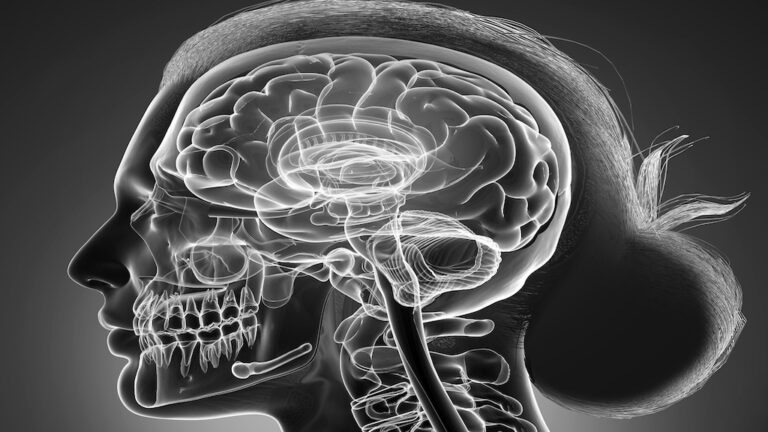
A flurry of new research has been pointing to one nerve that just may be the key to true health and wellbeing.
The vagus nerve, which comes from the Latin word for “wandering”, is the longest and most complex nerve in the human body, traveling from the brain stem all the way down to the colon.
Dr. Donese Worden is a Naturopathic Medical Doctor who has been closely following the research. “The vagus nerve is like an information superhighway, and it goes back and forth from the brain to the organs, and now we know it communicates with the microbiome,” she said.
“It specifically really works on talking to the heart, the lungs, the gut, and the brain. And the feedback goes both ways. So when we’re upset about something, if you feel hungry, you’re short of breath, your heart is beating fast, it’s because of that information traveling back up to the brain from the nervous system saying ‘something is up and we need to take care of it.'”