6 Ways a Naturopathic Doctor Can Help You Achieve Your Health Goals

A few years ago I was experiencing digestive issues. Not to get too graphic, but I was having bloating and that impending feeling that things weren’t 100% “alright” down there. At first, I didn’t seek help from a holistic practitioner. The reason for this was simple, but kind of silly when I look back, and I wish I knew then what I know now. I felt like my symptom, as uncomfortable as it was, wasn’t a real symptom. I thought that if I sought help for something as small as bloating, which I’d been told was normal by every other medical professional (now I know that although it’s common, it’s not normal) I’d be labeled a complainer and a hypochondriac.
Now, of course, I know that not only is the onset of a “little” symptom the perfect time to go to a naturopathic doctor, it’s the first indication that we’ve strayed from balance–any kind of suffering is a legitimate reason to seek medical care. Got bloating? See a naturopathic doctor. Here are some more things a naturopathic doctor can do for you:
1. Help you establish the foundations for health.
Are you unsure about what to eat? Ok, are you pretty sure of what to eat and just can’t seem to stick to eating those things? A naturopathic doctor can help you maintain a healthy lifestyle and will be there to support you through difficult life stages and periods of stress. Naturopathic doctors are trained in counseling and have a variety of whole health healing tools to help you learn to care for yourself a little better. They can clear up your health doubts, provide a kind ear and inspire you to live more healthfully. For general health promotion and disease prevention there is no better person to see than a naturopathic doctor.
2. Treat your ailments (even if you didn’t think they were ailments).
Do you have frequent migraines but don’t want to take medication? Tendency to bloat? Less than perfect digestion? Tight muscles? Brain fog? Less energy than you’d like? The nice thing about a naturopathic’s toolbox is that they have treatments in there for anyone, at any stage in the health-disease continuum. Just because your symptom isn’t a “real” issue, according to the disease-drug medical model, doesn’t mean you have to learn to live with it.
3. Help you manage chronic disease.
Have you already been diagnosed with a condition and received medication for it? Naturopathic medicine can help you manage your disease and help your body restore balance while minimizing any symptoms that you might be experiencing. A naturopathic doctor’s approach is unique: they look for the cause of disease and aim to affect change at that level. By doing this, they are often able to reverse the state of the chronic disease and lessen or eliminate the need for medications. Other times, they prevent the disease from progressing by helping you to manage your symptoms naturally. Your condition needn’t control your life. A naturopathic doctor can help make your life more comfortable and enjoyable, and help you to feel empowered and cared for.
4. Provide a second opinion.
Have you ever been told that you’ve reached the stage of needing life-long medications? Has your doctor told you that surgery is the only treatment left for you? Seek an alternate opinion with a naturopathic doctor. There’s a good chance that less invasive things can be done to shift your health back to a state of balance–prolonging or eliminating the need for drugs and surgery. Often times there is another, gentler way.
5. Tailor your list of supplements to your individual needs.
Has Doctor Oz or the health food store clerk ever told you to try a certain pill for your acne or anything else? If so, it may be time to clarify things with a trained professional who will take the time to learn about you as a person and your specific health needs. While supplements are a great tool for promoting health and healing, they may not be required for everyone. Oftentimes patients who come to see me are already on a long list of supplements; some of them are indicated but, more often than not, some of them are both unnecessary and low-quality. When this happens, one of the first things we must then do is edit your supplement list by ensuring that you’re taking the correct doses in the correct way (with food, without food, before bed, etc.), using quality products (not all fish oils and probiotics are created equal) and deciding whether or not that supplement is even necessary for your health needs at all! In this way, a naturopathic doctor can save you a lot of time and money, while giving you the security that what you’re taking is supporting your health.
6. Act as your primary care physician.
Naturopathic doctors complete an intensive, four year program that is very similar to medical school. They are trained in the biological sciences, clinical science (such as diagnostics, physical exams and lab testing) as well as natural healing techniques called “modalities.” They are more than capable of assessing a case, performing a physical exam, establishing a diagnosis, providing treatment, requesting and interpreting laboratory tests and referring patients to other, more specialized practitioners if required. This makes naturopathic doctors a safe and effective option as a primary care physician or family doctor.
A naturopathic doctor has the time to explain your medication to you, help you make an informed decision about vaccinations and other medical interventions, provide nutritional and psychological counseling and provide guidance on treating a long list of conditions including: a weird skin rash, a cough or cold, a urinary tract infection, or any other complaint you might go to your family doctor or a walk-in clinic for.
The nice thing about having a naturopathic doctor as your family doctor is that they will not only provide natural treatment for your health concerns, they will also both look into what is causing these concerns in the first place (is stress affecting your immune system, for example?) and treat them–preventing you from coming back with the same issue again.
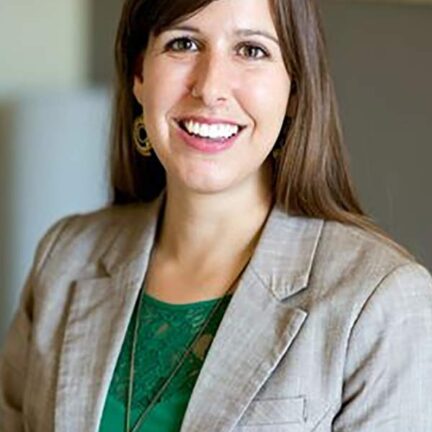
About the Author
10 Health-Conscious Documentaries to Watch

In a time when illness and disease are running rampant, maintaining your health is paramount. So why not educate yourself on the myriad ways you can improve your wellbeing?
1. Heal
Take a scientific and spiritual journey to discover that our thoughts, beliefs, and emotions have a huge impact on our health, wellness, and ability to heal. The latest science reveals that we are not victims of unchangeable genes, nor should we buy into a scary prognosis. The fact is we have more control over our health and life than we have been taught to believe in western medicine. This film will empower you with a new understanding of the miraculous nature of the human body and the extraordinary healer within us all.
2. The Way of Miracles
The thought-provoking documentary, The Way of Miracles, embarks on a journey of human healing and personal empowerment, uncovering the underlying science behind miracle recoveries.
This film is based on a book written by holistic practitioner Dr. Mark Mincolla called The Way of Miracles: Accessing Your Superconsciousness. It weaves together teachings from both traditional western medicine and ancient holistic systems. Accompanied by insightful interviews from luminaries in the field, such as Dr. Deepak Chopra, Bruce Lipton, and other celebrated figures, it offers a compelling exploration of the subject matter.