How Stress is Affecting Your Body and How to Fix It

“Reality is the leading cause of stress for those in touch with it.” – Jane Wagner
According to a new survey, released by Bupa, stress is at chronic proportions in Britain with 44% of the adult population suffering from debilitating stress levels. Out of all these frazzled people, 27% say they regularly feel close to a breaking point. This is an epidemic and we should be concerned. Stress damages our health, decreases our quality of life and reduces our productivity.
Check Your Stress Levels
Here’s how to do a simple check of your stress levels: try to lower your shoulders. If you can’t because your shoulders are tense, your body is in defense physiology because of chronic stress. Keeping your shoulders raised is just one clue that you are chronically “stressed out.” Other stress clues include sensations of a “knot” in your stomach or your heart pounding, feeling tense or nervous most of the time, habitual foot-bouncing or finger-tapping, teeth-grinding, jaw-clenching, or becoming easily “unglued.”
Additionally, the extra tension in your muscles may cause excessive pull on the spinal bones that they attach to and cause them to become misaligned. This is called a subluxation, which further aggravates the problem. These misalignments may irritate the nerves that they are close to and create a vicious cycle of adding even more stress in your physiology.
What Happens to Your Body When You’re Stressed
When you are under any kind of stress–whether life threatening or just irritating–your body goes into “defense physiology,” known as the fight or flight response. It is preparing for danger. It’s as if it is getting ready to outrun a lion. Organs and glands change gears, your adrenal glands are activated, blood pressure goes up, digestion slows and muscles tense; your overall physiology prepares to help you survive.
Stress from an emergency is over in a short time; however, stress from anxiety, worry or anger keeps your body in defense physiology 24 hours a day. Every organ, tissue and cell is working overtime. Eventually, your body becomes exhausted and your normal healing processes shut down. You become a candidate for chronic fatigue, depression and disease.
Additionally, when your body is in a chronic state of defense physiology, you are unable to process information correctly. Your brain is constantly being updated with information. There are approximately 300,000 impulses per second coming into your brain from your five senses. The problem is, if you are in defense physiology, the information coming up to the brain is altered and therefore your response to this information may not be appropriate. This negatively affects your mental, physical and emotional well-being.
Unless you are in a crisis situation, you should be reasonably relaxed and your mental emotional default should be one of ease, joy and happiness.
Three Types of Chronic Stressors
Stress shows up in many forms. Below are three types of chronic stressors that bombard you daily:
1. Mental or emotional stress (including job pressure, family problems and deadlines)
2. Chemical stress (processed foods, drugs, chemicals, poisons, pollution, etc.)
3. Physical stress (bad posture, falls, injuries, repetitive movements, sedentary lifestyle, etc.)
Five Remedies for Chronic Stress
If you are suffering from chronic stress here are some suggestions that may help you:
1.Take an inventory and clean out your stress. Review the three types of stressors in your life and decide where you can reduce the stress that is bombarding you. Often, awareness is 80% of the solution. Are there some projects that you could drop? Can you extend some unrealistic deadlines?
2. Treat your nerve-rich spine like gold by having your subluxations corrected by a good chiropractor. Start practicing good posture and getting plenty of stress-busting exercise, such as yoga and swimming.
3. Eat stress-busting foods such as avocados, whole grains, almonds and sunflower seeds.
4. Avoid stress promoting foods such as coffee, energy drinks, sodas, alcohol, fried foods and foods high in polysaturated fats (found in processed foods).
5. Chill and cleanse your mind with daily meditation. Think of meditation as your daily brain shower, cleaning out toxic and stressful thoughts every day. Large bodies of research show that even with as little as 20 minutes per day, meditation can help to combat the negative effects of stress.
A little stress is good as long it is keeping you challenged and engaged. But remember:
“Stress is like spice – in the right proportion it enhances the flavor of a dish. Too little produces a bland, dull meal; too much may choke you.” – Donald Tubesing
About the Author

Your Body Is a Superorganism Thanks to These Microbes
Dr. Bruce Lipton, Ph.D., a pioneer in the field of epigenetics who worked as a stem-cell biologist has effectively bridged the gap between mind, body, and spirit. Of particular note is his approach to the immune system, a widely appreciated (yet poorly understood) function of the body.
We Are Made of Microorganisms
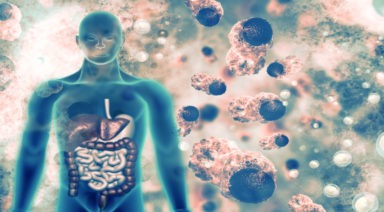
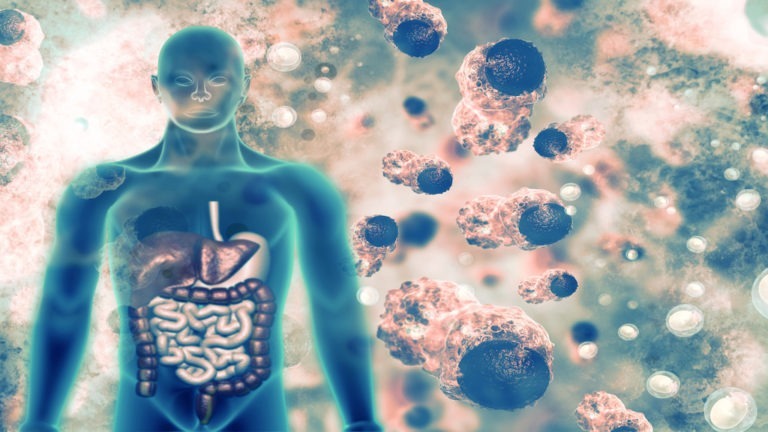
As humans, we each possess a microbiome, a community of microorganisms (such as bacteria, fungi, and viruses) that inhabit the body. Our bodies are home to about 100 trillion of these microbes, and their role in protecting us from disease cannot be overstated: They are not just necessary, but crucial, to human life on a great many levels.
Microbiome research is an emerging field in which researchers investigate how the bacteria that live in and on our bodies affect our health and states of mind. Beneficial microbes in the gut have much to do with how efficiently we can extract calories from different kinds of food, how likely we can escape colon cancer or heart disease, and even how we metabolize different kinds of drugs.
And, as Lipton teaches, these microbes regulate a wide array of aspects related to both mind and body—from the removal of toxins to gut feelings, and from sleep patterns to appetite. In fact, because of their role in the production of certain hormones such as serotonin, a deficiency in the microbiome literally affects happiness levels and may contribute to anxiety and depression.