Eastern vs. Western Medicine: the Showdown
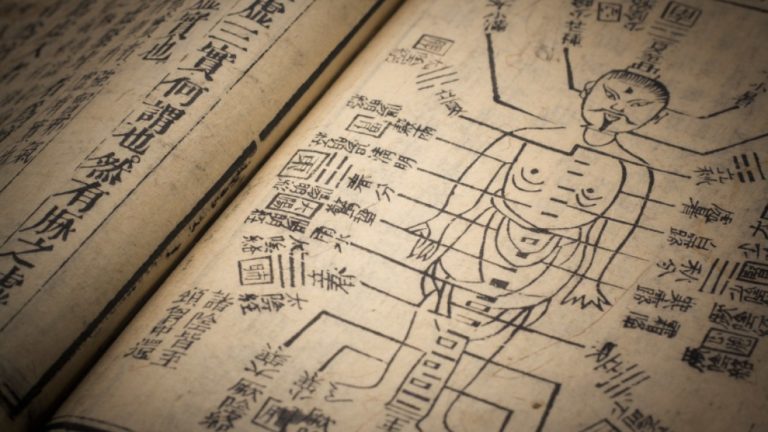
If you have only scoffed at Eastern medicine before, such as acupuncture and holistic treatments, this infographic may cause you to think again. Traditional Chinese medicine, also referred to as TCM, is the broad chunk of what’s considered Eastern medicine. TCM is a broad range of alternative chinese medicine practices sharing common concepts which have been developed in China and are based on a tradition of more than 2,000 years, including various forms of herbal medicine, acupuncture, massage (Tui na), exercise (qigong), and dietary therapy.
What makes Eastern medicine so different than Western is that instead of prescribing a “one size fits all” for all patients with certain symptoms, Eastern medicine looks at the needs of each individual and unique body and acts accordingly. In essence, it’s a short-term versus long-term action plan.
Here are 6 lessons one student of TCM learned by watching the doctors and seeing their expertise. She shares her story:
- Listen—Really Listen.
The first TCM practitioner I shadowed explained to me that to practice TCM is to “listen with your whole body”. Pay attention and use every sense you have, he said. I watched this doctor as he diagnosed a woman with new-onset cervical cancer and severe anemia the moment she walked into his exam room, and within two minutes, without blood tests or CTs, sent her to be admitted to a (Western) medical service. I’ve seen expert clinicians make remarkable diagnoses, but this was something else!
“How could you know what you had and that she needed to be admitted?” I asked.
“I smelled the cervical cancer,” he said. “I looked and saw the anemia. I heard her speak and I knew she could not care for herself at home.” (I followed her records in the hospital; he was right on all accounts.)
- Focus on the Diagnosis
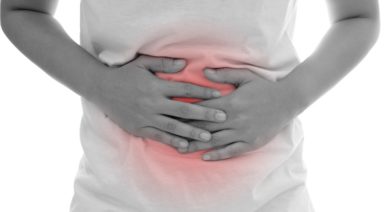
I watched another TCM doctor patiently explain to a young woman with long-standing abdominal pain why painkillers were not the answer.
“Why should we treat you for something if we don’t know what it is?” he said. “Let’s find out the diagnosis first.” What an important lesson for us—to always begin with the diagnosis.
- Treat the Whole Person
“A big difference between our two practices,” said one TCM doctor, “is that Western medicine treats people as organs. Eastern holistic medicine treats people as a whole.” Indeed, I watched her inquire about family, diet, and life stressors. She counseled on issues of family planning, food safety, and managing debt. She even helped patients who needed advice on caring for the their elderly parents and choosing schools for their child. This is truly “whole person” care!
- Health Is Not Just About Disease, But Also About Wellness
There is a term in Chinese that does not have its exact equivalent in English. The closest translation is probably “tune-up to remain in balance,” but it doesn’t do the term justice, because it refers to maintaining and promoting wellness. Many choose to see a TCM doctor not because they are ill, but because they want to be well. They believe TCM helps them keep in balance. It’s an important lesson for doctors and patients alike to address wellness and prevention.
- Medicine Is a Life-Long Practice
Western medicine reveres the newest as the best; in contrast, patients revere old TCM doctors for their knowledge and experience. Practicing doctors do not rest on their laurels.
“This is a practice that has taken thousands of years to develop,” I was told. “That’s why you must keep learning throughout your life, and even then you will only learn just a small fraction.” Western medicine should be no different: not only are there new medical advances all the time, doctors need to continually improve their skills in the art of medicine.
- Evidence Is in the Eyes of the Beholder
Evidence-based medicine was my mantra in Western medical training, so I was highly skeptical of the anecdotes I heard. But then I met so many patients who said that they were able to get relief from Eastern remedies while Western treatments failed them. Could there be a placebo effect? Sure. Is research important? Of course. But research is done on populations, and our treatment is of individuals. It has taken me a while to accept that I may not always be able to explain why—but that the care should be for the individual patient, not a population of patients.
“In a way, there is more evidence for our type of medicine than for yours,” a TCM teacher told me. “We have four thousand years of experience—that must count for something!”
Fascinated? Here’s more information on Eastern versus Western medicine for you to feast your eyes on:
About the Author

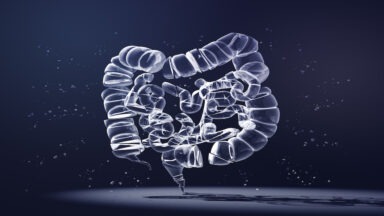
Researchers Find Gut Microbiota and Mental Health Connection
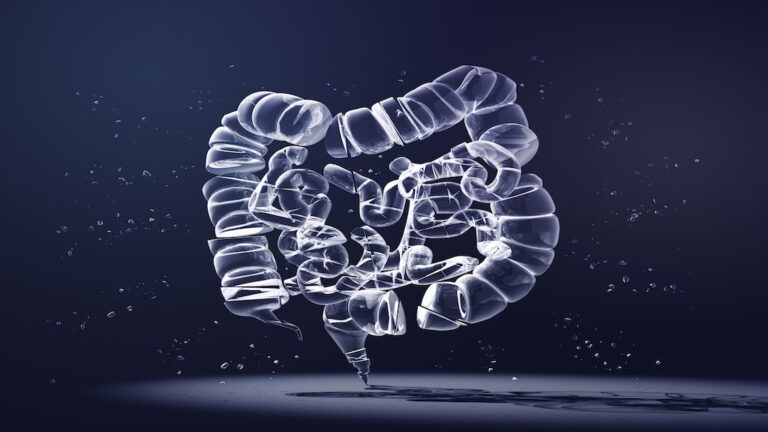
Groundbreaking new studies are revealing the connection between gut health and mental health.
Researchers have known about the connection between the bacteria that live in your gut and the brain for some time, but when it comes to how closely they’re connected science has just scratched the surface. Now in a systematic analysis published in the journal Clinical Psychology Review researchers looked at 26 studies that assessed the role gut biology plays in anxiety and depression.
The findings showed people with anxiety and depression had different levels and types of microbes in their gut, compared to people without anxiety and depression. The digestive tract of people with anxiety and depression contained more pro-inflammatory bacteria species and had less of the type of bacteria that help regulate the central nervous system.