Cymatic Science Explains the Benefits of Mantra
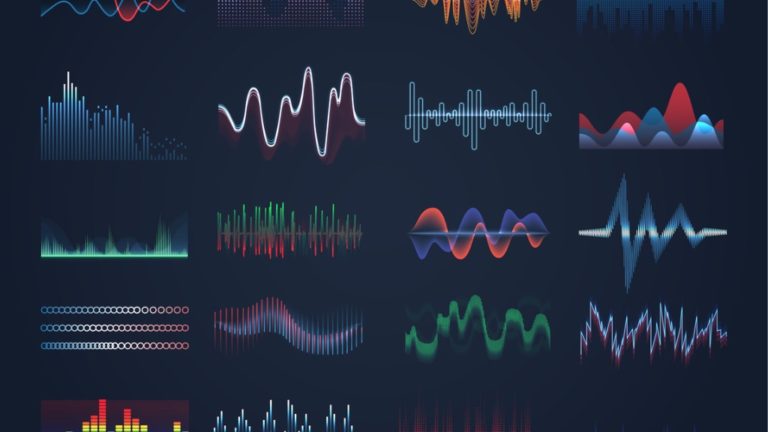
Physicists know that energy is in eternal motion. According to the Vedas, everything we perceive is the manifestation of oscillating energy. Modern science recognizes electromagnetic frequencies, what the Vedics call “shakti,” as the primal energy source of form. It is vibration and frequency that organizes “this” into “this” and “that” into “that” — including each of us.
While this is an oversimplification of the Vedic view of creation and existence, as well as energy science, quantum physics now agrees, since discovering that atoms, and their components, are in perpetual states of vibration. Both systems assert that it is this endless dynamic energy that becomes sound, light, heat, and ultimately form, when reduced to the most basic state, causing creation to pulse with the rhythms of energy moving in waves.
Bijas and Mantra Benefits
The Sanskrit word “mantra” translates into two words; “man,” meaning “mind,” and “to think,” and “tra,” meaning “tool” or “instrument.” Mantra is an instrument of the mind, or a tool for thought. Frits Staal, founder of the department of South Asian Studies at U.C. Berkeley and a Vedic scholar, believed mantras pre-date language and words.
Mantra “bijas,” or “seeds” are single-syllable words that carry the essence of a principle. OM is a bija that is used alone or combined with other bijas to make mantric phrases, i.e. “Om Mani Padme Hum.” The bija “OM” is rich with meaning — learn more here.
All mantra, whether spoken or silent, oscillates as subtle frequencies within the body. Karmic habits (how we react the same way over and over again) are imprinted on our energetic being — mantra can subtly change energetic karmic patterns and tendencies. Mantra raises or shifts our subtle frequency, and can “upgrade” our karmic address by helping us change old, unconscious patterns.
Along with invoking specific qualities, spoken or silent mantra recitation protects the mind from reactivity, and can “tame” the wild horse of discursive thought. The untamed mind is the source of karma, in that it draws conclusions and judgements that trigger reactivity of all kinds — for better or worse. Discursive mind has a habit of believing itself to be “right;” always correct in its limited perceptions — often conclusions based on ignorance. By training the mind with mantra, we begin to break out of karmic tendencies and ignorance and open to the world as it is.
Forms of mantra can be found in many traditions. Early Christians chanted single verses from scripture in the same way the Vedics chant mantra. An ancient instruction from a Christian mystic to his student was, “whatever work you are doing, or office you are holding, or journey you are making, do not cease to chant your verse. We must ceaselessly and continuously pour forth the prayer of this verse if we seek holiness.”
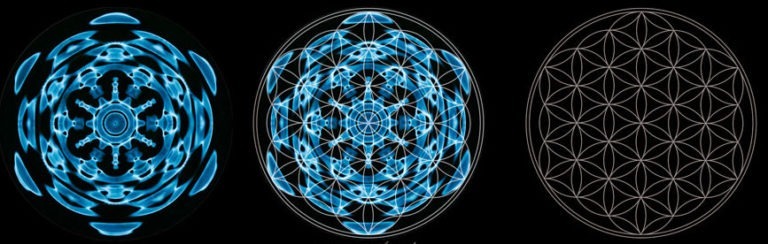
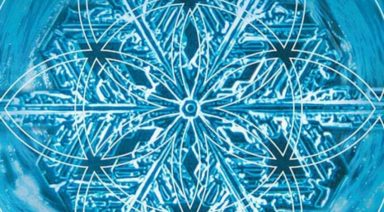
A cymatic image displaying attributes of the universal flower of life geometry
Cymatics
Derived from the Greek word for “wave,” cymatics is essentially the study of how sound waves and frequencies influence matter. This is illustrated by a substance (salt, sand) suspended in water or on a surface sensitive to vibration. When exposed to sound, substances flow into visible patterns and shapes. Cymatic experiments have documented the ever-changing forms and designs that reflect principles of sacred geometry and biology.
Some researchers theorize that cymatic action on matter created life, using deep-sea hydrothermal vents to illustrate the theory.
“The hydrothermal vents spewed mineral-rich gases from earth’s core into the seawater and made contact with molten lava in the vicinity of the vent, causing bubbles to form that ranged in size from melons to microbes.
“The elements that poured out of the vents emerged into highly turbulent water in an ocean of rich bubbling sounds. The watery membrane surfaces of the microscopic bubbles offered the perfect places for sound structures to be imprinted with cymatic patterns of energy,” according to the cymascope.com website.
Researcher John Stewart Reid has hypothesized that cymatic action is responsible for Saturn’s visible atmospheric hexagon, caused by a constant stream of ELF, or “extremely low frequency” energy.
By observing cymatic action, we realize that sonics and sound waves impact the body, which is 65 to 70 percent water. Since the body directly influences the mind, by changing the body, we change the mind the same way soundwaves change water and sand. Conversely, when the mind changes, so does the body.
Sonic Science and Wisdom
Science has begun mapping the deep, intricate influences of sound and frequency on the human brain and nervous system. Exploration of sound as a healing modality has exploded in recent decades — sonics are being used for pain management, enhanced learning, performance, immune system health, depression, and many more physical and mental health issues. While science has discovered some of the ways the brain and nervous system respond to sound, sonic and acoustic mysteries are still waiting to be cracked — science is still catching up with ancient wisdom.
To a fetus, the mother’s heartbeat is the entire world. The instinctual human affinity for rhythm is hardwired by our first perception of sound as heartbeat — and not just “heard” sound; the mother’s heartbeat pulses through the entire fetus. Studies have determined that infants who could hear recordings of their mothers’ heartbeat were calmer and cried less. The heartbeat is the matrix of life from womb to tomb — when it stops, we stop.
Jung believed that sound and rhythm were means to access the collective unconscious. Perhaps he was aware that shamanic and indigenous traditions recognize the power of drumming as a potent tool for healing. The shaman or medicine man uses drumming to enter a trance state and travel to other realms to learn of a patient’s illness or dis-ease. Tribes of all times and places enact ritual and ceremony with drumming and dancing.
Whether dancing at an EDM party or festival, or waltzing in a ballroom, those who join together in music and movement are “tribe,” even if just for that moment. Imagine a flamenco dancer with staccato heels whirling to a singer’s lament while the clan claps rhythms in ecstatic trance; a marching band with staccato drums and bright brass instruments rousing a crowd to blood-stirring support for its team at a high school football game; or the woeful wail of bagpipes moving funeral mourners to tears.
Spanda: The Sound of Shakti and the Word
According to ancient tantric sutras, we live and die within the vast, primal heartbeat that the Vedics referred to as the “Spanda.” Derived from the Sanskrit root “spadi,” meaning “to move a little,” the word reflects the yogic perception of the subtle, creative pulse of the universe.
These principles are reflected in Judeo-Christian literature when, in Genesis, God speaks formlessness into form with the words “let there be light;” it was the ‘word’ that brought forth light. The famous passage in John 1:1 in the New Testament says, “In the beginning there was the Word; the Word was with God, and the Word was God.”
One argument is that since light travels faster than sound, wouldn’t light preceed sound in creation stories? In 2017, a research team at Middle Tennessee State University conducted an experiment that demonstrated that “sound pulses can travel at velocities faster than the speed of light.” Other experiments have had the same result. Sound can be prior to light.
As humans, our perceptual window is microscopic relative to all there is in space and time. We stumble across puzzle pieces and iceberg tips as we struggle to bring the infinite into focus. Our year of 365 days is a fraction of Saturn’s 29 year trip around the sun. If we can imagine cosmic cymatic activity on a vast scale over (what would be for us) oceans of time, we could conceptualize the universe as the cymatic expression of the spanda. As above, so below; perhaps the key to unlocking vast, cosmic mysteries may be observing energy’s influence on matter on our human scale.

The great hexagon on Saturn’s North Pole. Source: NASA
About the Author

Bach Flower Therapy: A Guide To Start Using It

Bach flower therapy is a natural system of emotional harmonization created from floral essences. It is used to treat imbalances such as fear, sadness, anxiety, or lack of confidence, without side effects. In this article, we explore what Bach flowers are, how they work on the emotional level, and how to start integrating them into your daily life.
Table of Contents
- What Are Bach Flowers And How Do They Work?
- What Are Bach Flowers Used For?
- The Origin Of The Flower System: Who Was Edward Bach
- The 38 Bach Flowers: A System To Balance Emotions
- How To Start Using Bach Flowers Consciously
- What’s The Difference Between Bach Flowers And Other Flower Essences?
- Can Bach Flowers Be Combined With Other Therapies?
What Are Bach Flowers And How Do They Work?
Bach flowers are natural essences extracted from wildflowers that work on an energetic level to balance emotional states. This system was created in the 1930s by British physician and homeopath Edward Bach, who sought a more holistic and accessible healing method for everyone. His approach is based on the idea that many physical illnesses have an emotional origin, and that by treating the internal cause, the healing of the body is encouraged.
Each flower essence acts as a subtle catalyst that helps dissolve blocked or overwhelming emotions, such as fear, anger, guilt, impatience, or hopelessness. Instead of suppressing these emotions, the flowers allow them to transform into positive qualities such as calmness, confidence, courage, or compassion. That is why it is said they do not fight the symptoms, but rather strengthen inner balance.
Floral therapy does not act on a biochemical level like conventional medicines, but instead operates in the energetic or vibrational field of the individual. For this reason, it is compatible with other treatments and can be used by people of all ages. By harmonizing emotional frequency, Bach flowers help reconnect with the body’s natural well-being.
What Are Bach Flowers Used For?
Bach flowers are used to support emotional processes, promote inner balance, and facilitate the transformation of limiting attitudes. Their application is very broad and can be adapted to different moments in life, both in people and animals.
- Stress management: They help reduce the impact of everyday emotional stress. They are useful in times of overload, pressure, or mental exhaustion.
- Anxiety relief: They help calm internal restlessness and repetitive thoughts. They are especially effective when there is nervousness or excessive anticipation.
- Grief processes: They support sadness and pain during significant losses. They promote a more loving and contained emotional adaptation.
- Improving self-esteem: They foster self-confidence and recognition of one’s own value. They can be helpful for people experiencing insecurity or excessive self-criticism.
- Major life changes: They provide support during transitions such as moving, breakups, motherhood, or new life stages. They offer clarity, stability, and emotional adjustment.
- Support for domestic animals: They are used to address behaviors related to fear, aggression, or hyperactivity. They are also useful when facing changes in home or absence of caregivers.
- Rescued or traumatized animals: They help release painful emotional memories and restore trust. They are a safe tool to support their emotional recovery.
The Origin Of The Flower System: Who Was Edward Bach
Edward Bach was a British physician who, after training in conventional medicine, began to take an interest in a more holistic view of the human being. His experience in bacteriology and immunology led him to understand that the emotional state of patients played a central role in the progression of their illnesses. This approach prompted him to research new forms of treatment that not only alleviated physical symptoms but also restored internal balance.
Through observing nature and his patients, Bach developed a system based on the idea that behind every ailment there is an emotion in imbalance. In his search, he identified 38 wildflowers with specific energetic properties for each emotional state, from fear and sadness to discouragement or indecision. His method consisted of working on the deep emotional cause to promote lasting healing.
The Bach flower system was conceived as a simple, safe, and accessible tool for everyone. He believed that each person could actively participate in their own healing process, without relying solely on medical treatments. His legacy remains alive today, and his essences are used worldwide as a way to reconnect with emotional harmony and inner wisdom.
The 38 Bach Flowers: A System To Balance Emotions
The Bach flower system is made up of 38 essences, each one associated with a specific emotional state. These emotions can range from fear, insecurity, or guilt, to impatience, sadness, or disconnection. By acting on the person’s energetic vibration, the flowers do not suppress what is felt, but rather encourage a more harmonious shift in perception.
The essences are organized into seven emotional groups: fear, uncertainty, lack of interest in the present, loneliness, hypersensitivity, discouragement, and excessive concern for others. This classification makes them easier to use and allows for a more intuitive selection depending on what someone is going through. Some of the most well-known flowers are Rescue Remedy (a blend of five essences for emergencies), Mimulus (for specific fears), and Larch (for lack of confidence).
Although they can be taken individually, it is common to combine several essences depending on the personal situation. The right selection allows subtle aspects of personality to be addressed and supports internal transformation processes. That’s why getting to know each flower and its function is an important step in making the most of the potential of the flower system.
How To Start Using Bach Flowers Consciously
Beginning a process with Bach flowers involves honestly observing what we are feeling. It is important to identify the main emotion we want to work on, as well as others that may be associated with it. Based on this self-observation, between one and seven flowers are selected, which can be combined in a personalized bottle.
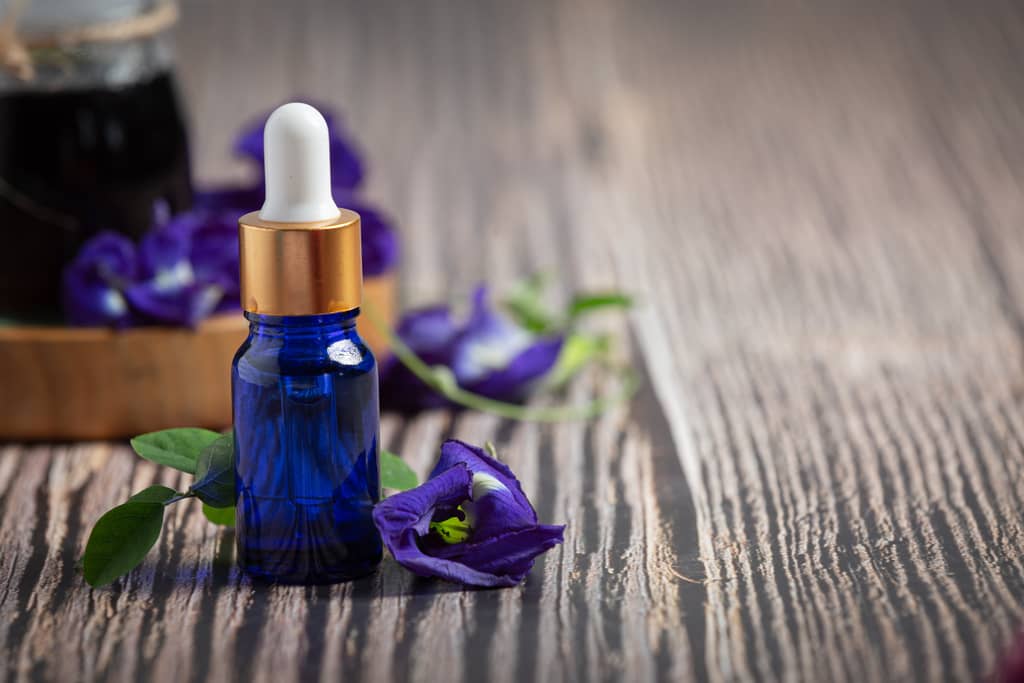
The essences are taken in drop form, usually diluted in water, several times a day. They can also be applied to the skin or added to baths. Although they have no side effects and do not cause dependence, their emotional impact can be profound if used with consistency and awareness.
In case of doubt, a flower therapist can be consulted to help choose the most appropriate essences. However, the system was designed so that anyone can use it safely. Listening to what we feel and choosing with intention is the first step for the flowers to act as allies on our path toward emotional balance.
What’s The Difference Between Bach Flowers And Other Flower Essences?
Bach flowers were the first flower essence system developed with a clear methodological and philosophical foundation. Its approach is focused on treating the emotional states that generate imbalances in the body and mind, and each of the 38 essences was researched by Edward Bach based on his clinical experience. The simplicity and accessibility of the system make it a daily-use tool for people of all ages.
Today, there are many other flower essence systems—such as those from California, Australia, or the Amazon—that broaden the emotional or spiritual spectrum they can address. Although all of them work on the energetic field, they differ in their preparation methods, classifications, and goals. Bach flowers, however, remain one of the most widely used and studied vibrational therapies in the world.
Can Bach Flowers Be Combined With Other Therapies?
Yes, Bach flowers can be complemented with other therapies without causing interference. Since they do not contain active chemical ingredients, they do not interact with medications or conventional medical treatments. They also do not negatively affect therapies such as homeopathy, acupuncture, or psychological approaches.
This versatility makes it possible to integrate the flowers into broader therapeutic processes, adding an emotional dimension that is often left out of traditional clinical approaches. In addition, they can be an excellent support in times of crisis, personal transitions, or self-development. The key is to use them with clear intention and as part of a holistic view of well-being.