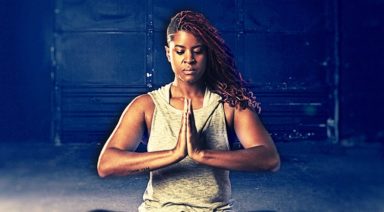
How To Live Longer: 8 Science-Backed Habits

What do people who reach their 90s or 100s in good health have in common? In recent decades, science has begun to find concrete answers and discovered that many of the factors that determine how long and how well we live can be modified through consistent habits.
In this article, we explore what longevity is, what the world’s blue zones can teach us, and the eight science-backed habits that can help you live longer and better.
Table of Contents
- What Is Longevity And Why Is Everyone Talking About It Today?
- Blue Zones: What We Learn From The World’s Longest-Lived People
- Science-Backed Habits To Live Longer
- Plant-Based Nutrition And Caloric Moderation
- Natural And Constant Movement Throughout The Day
- Deep And Restorative Sleep
- Stress Management And Connection To The Present
- Strong Social Bonds And Community
- Sense Of Purpose And A Life With Direction
- Intermittent Fasting And Periods Of Digestive Rest
- Exposure To Controlled Stressors: Cold, Heat, And Physical Challenge
- Biohacking As A Bridge Between Science And A Healthy Lifestyle
- How To Build A Longevity-Focused Lifestyle
What Is Longevity And Why Is Everyone Talking About It Today?
Longevity is not only about living many years, but about reaching advanced ages while maintaining physical health, mental clarity, autonomy, and quality of life. In other words, it is not simply about extending life, but about sustaining well-being for longer.
For decades, it was believed that how we age depended mainly on genetic factors. However, advances in genetics, neuroscience, and preventive medicine, along with the study of exceptionally long-lived populations, changed that perspective. Today, many studies agree that lifestyle has a much greater impact than previously thought.
Nutrition, sleep, movement, stress management, and the quality of relationships directly influence how the body ages and the risk of developing chronic diseases. This has also transformed the way aging is understood: no longer as an inevitable decline, but as a stage of life that can be lived with energy, autonomy, and well-being for much longer.
Blue Zones: What We Learn From The World’s Longest-Lived People
Blue zones are five regions of the world where people live significantly longer than the global average, and where the number of healthy centenarians is exceptional. Through the research of Dan Buettner and a team of scientists and demographers, these regions became a key reference in the study of longevity.
These regions are:
- Okinawa in Japan
- Sardinia in Italy
- The Nicoya Peninsula in Costa Rica
- The island of Ikaria in Greece
- The Seventh-day Adventist community of Loma Linda in California
Although they are separated by thousands of miles and have different cultures, they share remarkably similar patterns in their everyday way of life. Their inhabitants follow a mostly plant-based diet, move naturally throughout the day, maintain strong community ties, have a clear sense of purpose, and manage stress through slower rhythms.
The value of blue zones is not in literally imitating each of their traits, but in identifying the universal principles that can be applied to any lifestyle. What makes these communities long-lived is not a supplement, a miracle diet, or an extreme routine, but the consistent combination of simple habits sustained throughout life. That is the most powerful lesson they offer.

Science-Backed Habits To Live Longer
Blue zones have shown that longevity does not depend on a single formula, but on the sustained combination of everyday habits that directly impact physical and mental health. Based on these findings, and on decades of scientific research into healthy aging, it is now possible to identify specific practices that help people live longer with greater well-being, autonomy, and vitality.
Below are eight habits supported by scientific evidence that can be progressively integrated into any lifestyle.
-
Plant-Based Nutrition And Caloric Moderation
Nutrition is one of the most decisive factors in longevity. Studies show that the world’s longest-lived people follow predominantly plant-based diets rich in legumes, vegetables, fruits, and whole grains, with low consumption of meat and processed foods. This pattern reduces chronic inflammation, protects the cardiovascular system, and improves metabolic health.
Along with food quality, quantity also matters. Caloric moderation—that is, eating until comfortably satisfied and no more—is associated with a longer life expectancy in numerous studies. Okinawan traditional wisdom, expressed through the principle of “hara hachi bu” (eating until 80 percent full), has reflected this same idea for centuries.
-
Natural And Constant Movement Throughout The Day
The second key habit is not intense exercise, but natural movement distributed throughout the day. In blue zones, people do not go to the gym, but they walk, garden, climb stairs, and move constantly as part of their daily routine. This type of activity, sustained over decades, has a profound impact on cardiovascular, joint, and metabolic health.
Evidence shows that prolonged sedentary behavior is one of the most harmful factors for longevity, even if it is offset by occasional intense exercise. More important than intensity is frequency: walking several times a day, moving every hour if you work seated, and prioritizing movement in your daily routine are simple decisions that, when sustained over time, significantly alter the trajectory of aging.
-
Deep And Restorative Sleep
Sleep is one of the least visible pillars of longevity. During rest, the body performs essential processes: memory consolidation, cellular repair, hormonal regulation, and the removal of toxins from the brain. Sleeping well is not a luxury, but an essential biological function.
Evidence shows that people who sleep between seven and nine hours with good quality rest tend to have a lower risk of chronic disease and a longer life expectancy. Creating habits that protect sleep—maintaining regular schedules, reducing screen exposure before bed, avoiding heavy meals at night, and creating a dark and quiet environment—are direct investments in healthy years.
-
Stress Management And Connection To The Present
Chronic stress is one of the most scientifically documented accelerators of aging. The constant activation of the sympathetic nervous system generates inflammation, damages telomeres, and increases the risk of cardiovascular and neurological diseases. For this reason, managing stress is not only a matter of immediate well-being, but also of long-term health.
In blue zones, there are everyday rituals that serve this purpose: naps in Ikaria, prayer in Loma Linda, moments of pause with sake in Okinawa. Each culture has its own way, but they all share the same principle: regularly pausing to return to the present moment. Modern practices such as meditation, conscious breathing, or spending time in nature offer the same benefit when integrated consistently.
-
Strong Social Bonds And Community
Maintaining close and stable relationships directly influences physical and emotional health. People with strong support networks tend to manage stress better, navigate difficulties with greater resilience, and maintain healthier habits over time. Human connection reduces isolation, improves psychological well-being, and has measurable effects on both quality of life and life expectancy.
In blue zones, people live immersed in communities where daily contact is the norm, not the exception. Sharing meals, engaging in unhurried conversations, belonging to stable groups, and maintaining intergenerational relationships are practices that support not only emotional health, but physical health as well. Taking care of your relationships means taking care of your body in the long term.
-
Sense Of Purpose And A Life With Direction
Although it is often overlooked, having a clear purpose is one of the most decisive factors for longevity. The inhabitants of Okinawa call it “ikigai,” while those in Nicoya speak of a “plan de vida”: in both cases, they refer to having a reason to get up each morning. This inner sense of meaning is associated with a lower risk of chronic disease and a longer life expectancy.
Purpose does not need to be grand or heroic. It can consist of caring for others, developing a craft, teaching, or serving a cause. What matters is that it connects you to something greater than your immediate routine and guides your everyday decisions. When this internal axis is present, the body and mind operate with a coherence that is reflected in health.
-
Intermittent Fasting And Periods Of Digestive Rest
Intermittent fasting has evolved from an ancient spiritual practice into an active field of scientific research. Multiple studies show that giving the body extended periods without food stimulates fundamental cellular processes, such as autophagy, in which cells recycle their damaged components. This translates into improvements in glucose regulation, reduced inflammation, and possible effects on longevity.
There are different ways to practice it: shorter eating windows, occasional prolonged fasts, or simply avoiding eating between meals. What matters most is not the specific method, but giving the digestive system the rest it needs to carry out maintenance processes. Due to its sensitivity, this practice should be adopted thoughtfully and, if you have specific health conditions, under the guidance of a professional.
-
Exposure To Controlled Stressors: Cold, Heat, And Physical Challenge
Recent studies show that controlled exposure to demanding stimuli activates cellular repair and resilience mechanisms. Immersing yourself in cold water, using saunas, engaging in short periods of high-intensity exercise, or exposing yourself to moderate amounts of sunlight are examples of what is known as hormesis: small doses of stress that strengthen the body instead of weakening it.
Saunas, for example, have shown a clear association in Finnish studies with lower cardiovascular mortality when used several times a week. Cold exposure activates brown fat and improves metabolic regulation. These practices are not about suffering, but about teaching the body to adapt and become more resilient in the face of everyday challenges.
Biohacking As A Bridge Between Science And A Healthy Lifestyle
Biohacking is a contemporary movement that applies science, technology, and self-monitoring to optimize physical and mental performance. Far from being a passing trend, it emerges at the intersection of preventive medicine, biology, and the growing interest in improving health and performance consciously. Its premise is that each person can, with the right information and tools, extend their vitality in a personalized way.
Although biohacking incorporates modern devices, supplements, and advanced techniques, its core aligns with the universal habits found in blue zones: proper nutrition, restorative sleep, movement, stress management, and purpose. What it brings is precision and personalization, allowing each of these pillars to be adapted to the specific needs of every body.
In the series Biohacking, available on Gaia, Dave Asprey, considered the father of biohacking, shares research-backed strategies to increase longevity and unlock the body’s potential. Through its episodes, you can explore how to work with nutrition, fasting, sleep, and stress management from a personalized, results-oriented perspective.
How To Build A Longevity-Focused Lifestyle
Adopting all longevity habits overnight is neither realistic nor advisable. Longevity is not built through drastic changes, but through small decisions sustained over time. What matters is not occasional perfection, but daily consistency.
An effective way to begin is to choose just one habit and commit to it for several weeks, until it becomes natural. Once it is integrated, add another. This progressive approach respects the rhythm of both body and mind, avoids overwhelm, and allows each new habit to settle on a solid foundation. The quiet accumulation of good decisions is what ultimately makes the difference.
What science has demonstrated over the last few decades is clear: living longer and living better are not goals reserved for a few people, but the result of everyday decisions that anyone can begin making today. Every habit you integrate now works in favor of the years that are still to come.
About the Author
Study Claims Humans Can Live to 150 Years Old? But What's the Catch?

A new study on longevity says humans could live up to 150 years old. But does the science back up this claim?
A recent study by Singapore-based biotech firm GERO, examine the changes in blood cell counts and the number of steps taken by test subjects in the US, UK, and Russia. By studying these variables they found that people did not steadily decline as they age, but their resilience, or ability to bounce back from illness, stepped down over time. And barring disease or accidents, the maximum lifespan would be 150 years old when the body’s capacity for resilience would be exhausted.
Bill Andrews, president and CEO of Sierra Sciences, has studied anti-aging and telomeres for 30 years and is skeptical about this new claim.
“There have been at least five publications, and often times when I speak at conferences I’ll show those publications, in the last 25 years they’ve done a much better job of narrowing it down, and they’ve all come down to somewhere between 120 and 125 years,” Andrews said.
“Ok, so this new study that’s come out that claims 150 isn’t actually saying they’ve extended it out from 125 to 150, the accuracy of their data is not allowing them to give narrow answers. And when they contacted the press to make this press release about their study, they focused on the 150.”