Types of Aura and Their Meaning According to Their Color

The human aura is an energetic field that surrounds the body and reflects the emotional, mental, and spiritual state of each person. Its colors and vibrations can change depending on internal energy and external influences, providing information about personal balance and well-being. In this article, we explore what the aura is, its spiritual meaning, and how its interpretation can help understand and improve personal energy.
Table of Contents
- What Is the Aura and What Is Its Spiritual Meaning?
- Types of Aura According to Their Color and Meaning
- Red Aura: Energy and Passion
- Orange Aura: Creativity and Optimism
- Yellow Aura: Intellect and Joy
- Green Aura: Healing and Balance
- Blue Aura: Calm and Communication
- Indigo Aura: Intuition and Spiritual Perception
- Violet Aura: Transformation and Spiritual Connection
- White Aura: Purity and Spiritual Elevation
- Gray or Black Aura: Energetic Blockages and Protection
- Methods to Visualize and Read the Human Aura
- Relationship Between the Aura and the Chakras
- How to Cleanse and Balance the Aura to Improve Personal Energy
What Is the Aura and What Is Its Spiritual Meaning?
The aura is a field of energy that envelops all living beings and acts as an extension of their inner state. It is composed of different energetic layers that reflect a person’s physical, emotional, and spiritual health. Its vibration and color can change depending on mood, thoughts, and the level of consciousness of each individual.
From a spiritual perspective, the aura is a manifestation of vital energy, and its balance is essential for well-being. When the energetic flow is harmonious, the aura remains bright and stable, indicating mental clarity and emotional strength. In contrast, energetic blockages or dense emotions can create alterations in its tone and structure, affecting one’s connection with oneself and the environment.
In the Quantum Effect series, available on Gaia, expert Randy Veitenheimer explores the energetic nature of human beings and their relationship with consciousness. Through this series, concepts such as the duality of reality, interaction with the energetic field, and the influence of the aura on physical and emotional well-being are analyzed.
Types of Aura According to Their Color and Meaning
The spiritual aura of a person can manifest in different colors, each with a specific meaning. These tones reflect aspects of personality, emotional state, and energy level. Below, we explore the main colors of the human aura and their interpretation.
-
Red Aura: Energy and Passion
A red aura indicates a strong, determined personality full of vitality. It represents drive, action, and connection with physical and emotional strength. It is also associated with leadership, determination, and the ability to overcome challenges with courage.
-
Orange Aura: Creativity and Optimism
The orange aura reflects a creative, enthusiastic mind with great adaptability. It is linked to artistic expression, motivation, and a joy for life. People with this aura tend to be sociable, spontaneous, and enjoy exploring new experiences.
-
Yellow Aura: Intellect and Joy
People with a yellow aura have an agile, curious, and optimistic mind. This color is associated with intelligence, mental clarity, and communication. It also reflects a positive attitude, a sense of humor, and a strong ability to inspire others.
-
Green Aura: Healing and Balance
The green aura is related to healing, harmony, and connection with nature. It indicates a compassionate spirit, great empathy, and a profound ability to generate well-being in those around them. It is the color of those who seek personal growth and inner peace.
-
Blue Aura: Calm and Communication
The blue aura reflects serenity, mental clarity, and a great capacity for communication. People with this aura tend to be peaceful, reflective, and skilled at expressing their thoughts sincerely. It also indicates a deep connection with the truth and a natural inclination toward harmony in relationships.
-
Indigo Aura: Intuition and Spiritual Perception
An indigo aura represents a special sensitivity to the subtle and the transcendental. It is associated with intuition, extrasensory perception, and a profound connection with inner wisdom. People with this vibration often have a great capacity to understand realities beyond the obvious and a strong sense of spiritual purpose.
-
Violet Aura: Transformation and Spiritual Connection
The violet aura symbolizes change, evolution, and connection with higher planes of consciousness. It represents those who seek personal transformation and spiritual development, often feeling drawn to mystical knowledge or service to others. It is also related to inspiration and creativity in its highest form.
-
White Aura: Purity and Spiritual Elevation
A white aura is an indication of a pure and highly vibrant energy. It reflects a deep level of inner peace, mental clarity, and a connection with the divine. People with this aura tend to be spiritually evolved, with a strong sense of compassion and a desire to contribute to collective well-being.
-
Gray or Black Aura: Energetic Blockages and Protection
The gray or black aura indicates the presence of energetic blockages or a state of deep introspection. It can reflect moments of inner transformation, protection against external influences, or the need to release repressed emotions. Those who have this tone in their energetic field may be in a healing process or seeking clarity to overcome challenges.
Methods to Visualize and Read the Human Aura
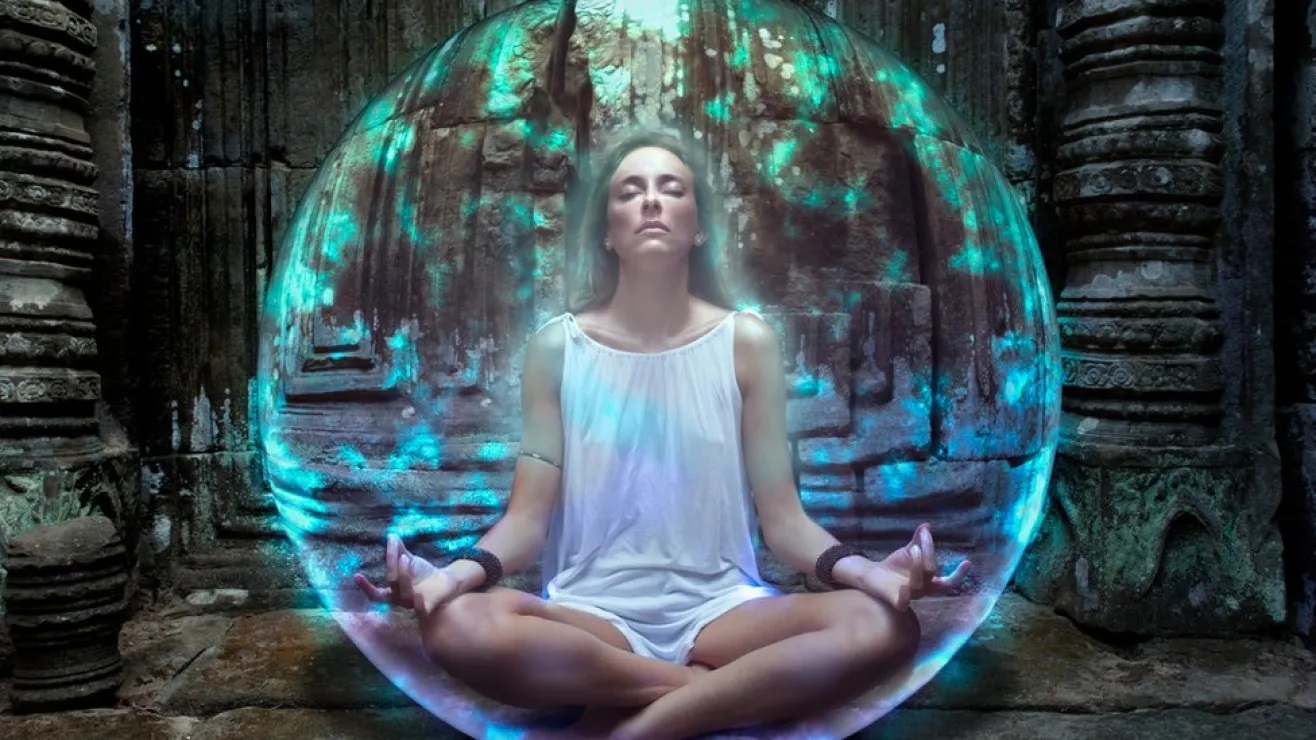
Perceiving a person’s aura requires developing energetic sensitivity and the capacity for observation. Some techniques include the use of intuition, the practice of peripheral vision, and experimenting with different sources of light. With training and focus, it is possible to identify the colors and patterns of the human aura, gaining information about a person’s emotional and spiritual state.
-
Exercises for Perceiving the Aura
A simple method to begin perceiving the aura consists of placing the hands on a white background and relaxing while observing their outline. With a soft gaze and deep breathing, slight flashes or color shadows around the fingers can be detected. Constant practice helps to strengthen this ability and better interpret energetic vibrations.
-
Use of Kirlian Photography
Kirlian photography is a technique that captures the energetic field of an object or living being through high-frequency electrical discharges. In the case of the human aura, it is used to record the energetic emissions from the hands or body, revealing patterns of light and color. Although it is not a definitive method for interpreting the aura, it is a useful tool for observing changes in personal energy.
-
Meditation Techniques and Energetic Focus
Meditation is an effective practice for strengthening the perception of the aura and connecting with the energetic flow. Through concentration and visualization, it is possible to train the mind to perceive the subtle nuances of the auric field. Techniques such as white light meditation or energy scanning with the hands can help develop greater sensitivity to both your own aura and that of others.
Relationship Between the Aura and the Chakras
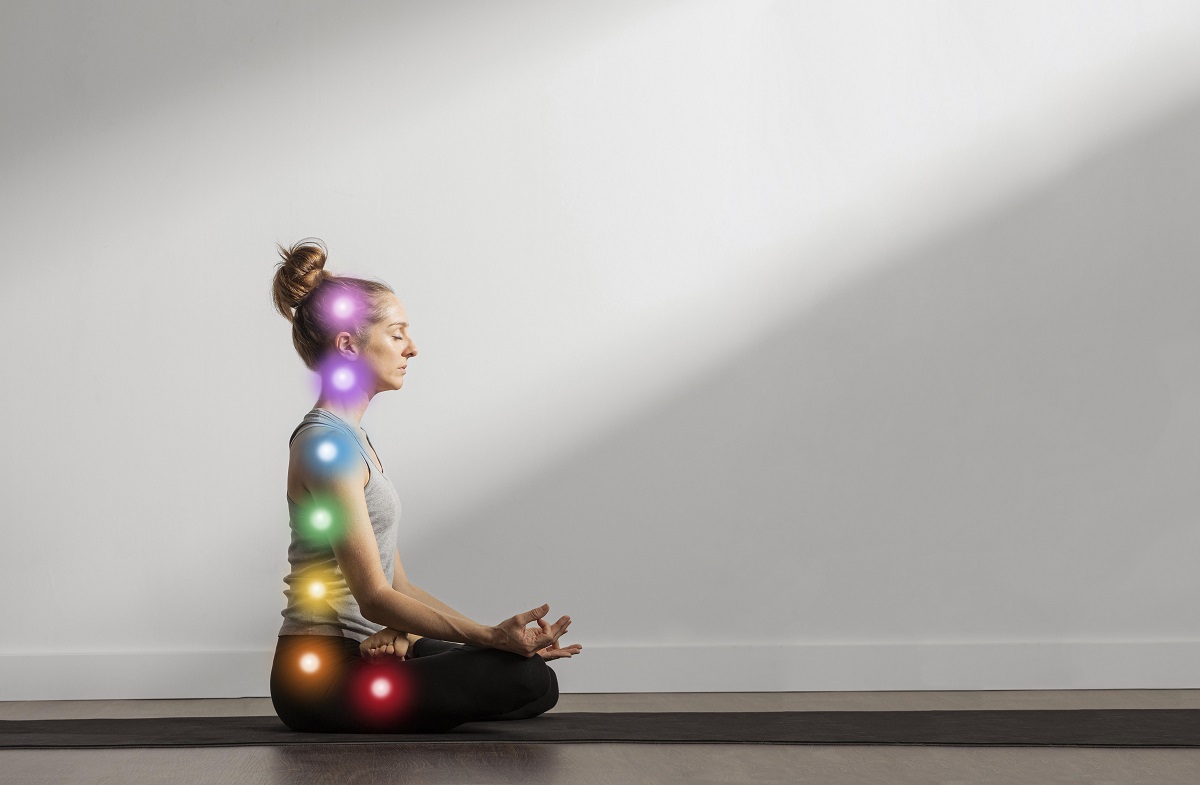
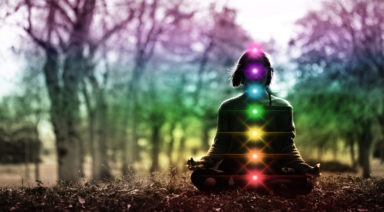
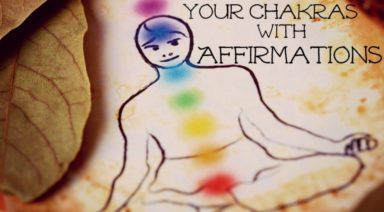
The aura and the chakras are deeply connected, as both are part of the human energetic system. While the aura represents the electromagnetic field that surrounds the body, the chakras are energy centers that regulate its internal flow. Each chakra influences a layer of the aura, and its state affects the aura’s vibration and color.
When the chakras are balanced, the aura remains bright and stable, reflecting physical, emotional, and spiritual harmony. For example, an open and healthy heart chakra strengthens the green aura, related to healing, harmony, and the connection with nature. Similarly, an active throat chakra enhances a light blue aura, associated with serenity, mental clarity, and a great capacity of communication.
If the chakras are blocked or unbalanced, the aura can become dull or fragmented. Factors such as stress, negative thoughts, or a lack of connection with oneself can affect its stability. For this reason, keeping the chakras aligned through meditation, conscious breathing, and energy healing helps strengthen the auric field and improve overall well-being.
How to Cleanse and Balance the Aura to Improve Personal Energy
Cleansing the aura is essential to release dense energies and restore energetic balance. One effective technique is the bath of light, which involves visualizing a white or golden light enveloping the body and removing any negative vibration. Elements such as salt water, sacred herb smoke, or energy crystals can also be used to purify the auric field.
Another way to strengthen the aura is through connection with nature. Walking barefoot on the earth, breathing fresh air, and receiving the sun’s energy help restore the energetic flow and revitalize the body. These practices allow you to release accumulated tensions and absorb positive vibrations from the environment.
In addition, it is important to care for thoughts and emotions, as they directly influence the state of the aura. The practice of positive affirmations, gratitude, and conscious emotional management helps maintain a high-energy field. Maintaining a routine of aura cleansing and balancing allows you to enhance vitality, mental clarity, and connection with your spiritual purpose.
About the Author

Biorhythms: A Comprehensive Guide to Balancing Biological Rhythms
Seasons have cycles, from amber fall days to verdant spring mornings covered in dew; day and night cycle between light and dark; the oceans swell and recede; the moon swells and thins to a crescent. If all other forms of life have inherent rhythmic cycles, are humans any different? The simple answer is no. Whether we’re aware of it or not, humans operate on a delicate biorhythm of various biological cycles, from the physical, intellectual, intuitive, and spiritual to even the aesthetic.
In this article, we’ll go over what biorhythms are, how to read yours, how they impact life, and more.
What are Biorhythms?
Derived from the Greek root words, bios (life) and rhythmos (regularly occurring movement or motion), biorhythm can be thought of as the body’s holistic mathematical system that can predict, or when studied, consciously control certain aspects of one’s life such as high performance, creativity, and emotional receptivity.
Biorhythms are “invisible waves of energy within the human body that are constantly in flux.” Considered unique to each person, these energy levels are thought to begin the moment we are born. But how and when did biorhythm theory begin?