Stimulating This Nerve May Reduce Chronic Stress in the Body
A flurry of new research has been pointing to one nerve that just may be the key to true health and wellbeing.
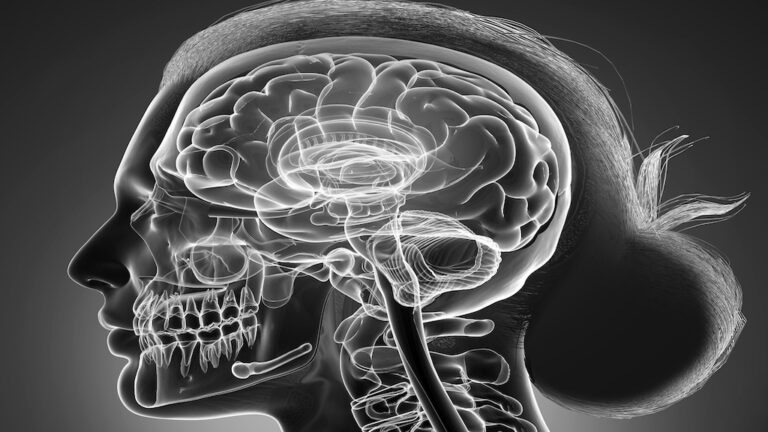
The vagus nerve, which comes from the Latin word for “wandering”, is the longest and most complex nerve in the human body, traveling from the brain stem all the way down to the colon.
Dr. Donese Worden is a Naturopathic Medical Doctor who has been closely following the research. “The vagus nerve is like an information superhighway, and it goes back and forth from the brain to the organs, and now we know it communicates with the microbiome,” she said.
“It specifically really works on talking to the heart, the lungs, the gut, and the brain. And the feedback goes both ways. So when we’re upset about something, if you feel hungry, you’re short of breath, your heart is beating fast, it’s because of that information traveling back up to the brain from the nervous system saying ‘something is up and we need to take care of it.'”
Watch more:
About the Author

New Dr. Joe Dispenza Study Shows Meditators’ Blood Resists Illness

A cutting-edge, new study by Dr. Joe Dispenza is showing the connection between meditation and our body’s capacity to heal itself.
“Our nervous system tends to be the greatest pharmacy in the world,” Dr. Joe Dispenza said.
Dr. Joe Dispenza has spent a career, as he puts it, “demystifying the mystical” to that end. After leading week-long meditation retreats for years, he noticed miraculous changes among the participants, with some even claiming to have long-standing afflictions cured, seemingly by meditation alone. So, he decided to put it to scientific testing and partnered with the University of California San Diego biology department.
They tested advanced meditators, novice meditators, and a control group, and the results have been fascinating.
“We started looking closely at cellular function, and we started measuring thousands of cellular metabolites that determine whether a cell is in growth and repair or a cell is in breakdown,” Dr. Joe Dispenza said. “At the end of seven days, I get a call from our senior research analyst and he says ‘We have some really compelling things to show you,’ and we saw dramatic changes in the biology of advanced meditators. So when we started looking at the cellular function, we noticed along with the change in cellular function (for those people that watch Rewired) there was this arousal that was taking place in the person’s brain and in their nervous system. The arousal wasn’t pain, the arousal wasn’t fear, and the arousal wasn’t anger or aggression — which typically causes an arousal from the sympathetic nervous system — the person was reporting an arousal and the only word they could use was ‘ecstasy’ or ‘bliss,’ they had made some connection with something. So when we captured the blood of these people and when they made some type of connection, we noticed some really powerful effects in their blood plasma.”
But when they took the blood samples of these meditators into the lab they were in for a big surprise.