Serotonin and Depression

Depression is one of the most common and treatable of all mental illnesses. One in four women and one in 10 men can expect to develop it during their lifetime. Studies have shown that people suffering from depression have imbalances of neurotransmitters, natural substances that allow brain cells to communicate with one another. Two neurotransmitters implicated in depression are serotonin and norepinephrine. Neurotransmitters are powerful chemicals that regulate numerous physical and emotional processes such as mental performance, emotional states and pain response. Virtually all functions in life are controlled by neurotransmitters.
Serotonin is a key neurotransmitter with many important functions in the brain and body Serotonin deficiency is a common contributor to mood problems. Some feel it is an epidemic in the United States. Serotonin is key to our feelings of happiness and very important for our emotions because it helps defend against both anxiety and depression. Many of the current biochemical theories of depression focus on the biogenic amines, which are a group of chemical compounds important in neurotransmission—most importantly norepinephrine, serotonin and, to a lesser extent, dopamine, acetylcholine and epinephrine.
What causes or contributes to Serotonin Deficiency?
- Prolonged periods of stress can deplete serotonin levels. Our fast paced, fast food society greatly contributes to these imbalances.
- Poor Diet. Neurotransmitters are made in the body from proteins. Also required are certain vitamins and minerals called “cofactors”. If your nutrition is poor and you do not take in enough protein, vitamins, or minerals to build the neurotransmitters, a neurotransmitter imbalance develops. We really do think and feel what we eat.
- Genetic factors, faulty metabolism, and digestive issues can impair absorption and breakdown of our food which reduces are ability to build serotonin.
- Toxic substances like heavy metals, pesticides, drug use, and some prescription drugs can cause permanent damage to the nerve cells that make serotonin and other neurotransmitters.
- Certain drugs and substances such as caffeine, alcohol, nicotine, NutraSweet, antidepressants, and some cholesterol lowering medications deplete serotonin and other neurotransmitter levels.
- Hormone changes cause low levels of serotonin and neurotransmitter imbalances.
- Lack of sunlight contributes to low serotonin levels
Symptoms.
You may have a shortage of serotonin if you have a sad depressed mood, low energy, negative thoughts, feel tense and irritable, crave sweets, and have a reduced interest in sex.
Other serotonin related disorders include:
- Depression
- Anxiety
- Panic Attacks
- Insomnia
- Irritable bowel
- PMS/ Hormone dysfunction
- Fibromyalgia
- Obesity
- Eating disorders
- Obsessions and Compulsions
- Muscle pain
- Chronic Pain
- Alcohol abuse
- Migraine Headaches
How do I know if Serotonin is deficient?
Neurotransmitter testing, Questionnaires, and blood testing can help determine if you might have a serotonin deficiency. Certain test can determine if you have normal levels of the precursors and co-factor vitamins and minerals needed for the brain to produce serotonin. Additionally, hormones such as Adrenal, Thyroid, and Estrogen levels can affect serotonin levels and may explain why some women have pre-menstrual and menopausal mood problems.
How to raise serotonin levels naturally
Prescription drugs such as Prozac, Zoloft, Paxil, and Lexapro are classified as serotonin reuptake inhibitors, or (SSRI’s). They help to keep more of the serotonin your brain is making in circulation. They are used for a wide variety of symptoms such as depression, panic attacks, anxiety, PTSD, obsessions, and compulsions. There are serotonin/norepinephrine re-uptake inhibitors (SNRI’s) such as Effexor and Cymbalta that keep more serotonin and norepinephrine in circulation.
Nutrient therapies such as Targeted Amino Acid Therapy naturally increase the levels of neurotransmitters that a person has been found to be deficient in. 5 hydroxytryptophan and Tryptophan are widely known for their ability to help depressive symptoms by raising serotonin levels in the brain.. Numerous clinical trials have studied the efficacy of 5-HTP for treating depression. One compared 5-HTP to the antidepressant drug fluvoxamine and found 5-HTP to be equally effective.
It can be used alone or in combination with medication to keep dosages low and to prevent the “poop out” many people experience with medication.
tryptophan —> 5-HTP —> serotonin
Herbal Remedies such as St. Johns Wort are available to alleviate symptoms of depression and anxiety. Some work in a similar way to the SSRI antidepressants.
Things you can do to increase your serotonin levels and improve overall health
- Exercise at least 30 minutes three times a week.
- Walking, yoga, stretching.
- Get plenty of sunlight.
- Drink 6-8 glasses of water daily.
- Prayer and meditation.
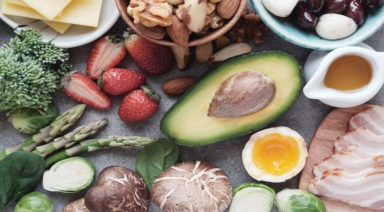
- Eat at least three meals per day. Skipping meals promotes high stress and low energy. Eat protein with every meal. Eat Complex carbohydrates such as brown rice. Avoid sugar, junk food, white pasta, white rice, white bread, cookies and cake.
- No Caffeine, alcohol, or NutraSweet (aspartame). NutraSweet can be toxic to your brain.
- Alcohol can worsen depression, anxiety, and sleep problems.
Helpful Supplements:
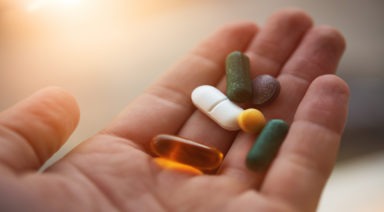
- Multivitamin/multimineral daily
- Fish Oil capsule EPA/DHA combined 2000mg daily
Serotonin raising supplements such as:
- L-Tryptophan 1000 mg bedtime
- 5HTP 300 mg daily
- Serene 3 capsules daily
- Serotone 3 capsules daily
Not Medical Care MYO is not a substitute for medical care, and offers no health warranties or guarantees of any kind. The information provided on these pages is not meant to be a substitute for medical advice from your doctor or health care provider. Users of MYO are advised that health advice is often subject to updating and refining due to medical research and developments. MYO is committed to bringing you the most up to date information, however, we make no guarantee that the information herein is the most recent on any particular subject. You are encouraged to consult with your health care provider with any questions or concerns you may have regarding any health condition that you may have before starting any Yoga, Pilates or exercise program or making changes to your diet.
About the Author

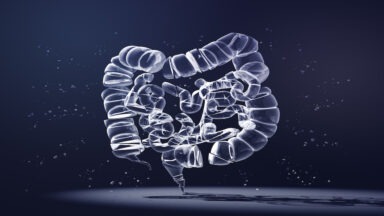
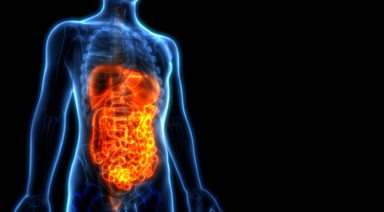
Researchers Find Gut Microbiota and Mental Health Connection
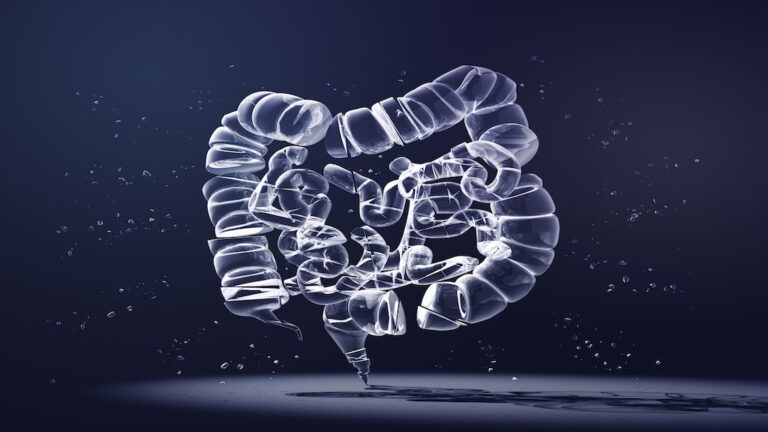
Groundbreaking new studies are revealing the connection between gut health and mental health.
Researchers have known about the connection between the bacteria that live in your gut and the brain for some time, but when it comes to how closely they’re connected science has just scratched the surface. Now in a systematic analysis published in the journal Clinical Psychology Review researchers looked at 26 studies that assessed the role gut biology plays in anxiety and depression.
The findings showed people with anxiety and depression had different levels and types of microbes in their gut, compared to people without anxiety and depression. The digestive tract of people with anxiety and depression contained more pro-inflammatory bacteria species and had less of the type of bacteria that help regulate the central nervous system.