A Reiki Circle Step-by-Step Guide: Starting a Healing Circle
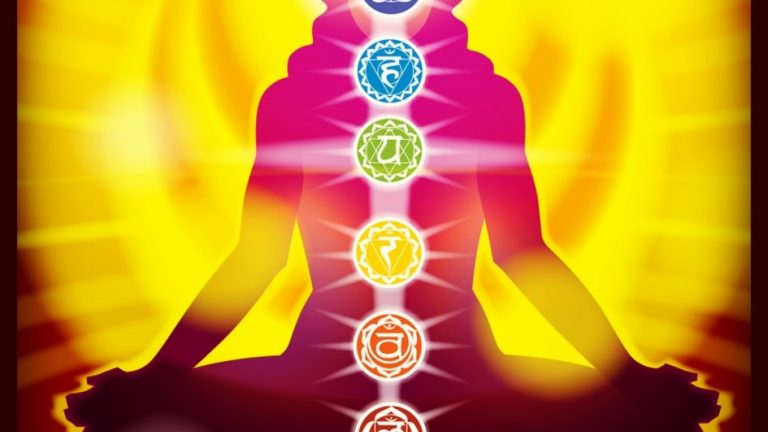
Are you curious about the possible benefits of energy healing through Reiki? Have you realized your body and mind have the incredible ability to heal yourself and others? There’s currently no better time to start a Reiki healing circle than right now, considering the practice can be done without ever having to leave your home. And with the advent and widespread availability of video conferencing apps, you never have to leave the comfort of your home.
What is a Reiki Circle?
A Reiki Circle is typically a small group of healers who gather, either to practice reiki healing modalities or to concentrate and direct a group’s healing energy toward a particular person or group of people. Reiki circles allow for group healings and group attunement to a target’s needs.
In today’s world, reiki circles are being increasingly performed over zoom calls, as the beauty of energy healing is that it can be practiced from any distance.
10 Steps to Starting a Reiki Share
Got a dream or a passion for traditional Reiki energy healing? We’re so glad to hear you have a compassionate heart and willingness to spread your positive energy with others! Reiki healing transcends self-healing and can be practiced within big or small groups. If you want to grow your practice, you might want to consider starting a Reiki Circle to reach more people. It’s really not that hard or intimidating, once you learn the right steps to starting a healing circle.
1. Do Your Homework
A great place to start learning about reiki is through the reiki.org website, where you can take classes and become a certified practitioner. There are various levels of programs starting at basic certification classes for a few hundred dollars to full-on reiki master courses.
Learn everything you can about how group Reiki sessions work. In general, Reiki practitioners simultaneously practice Reiki on a recipient for a set amount of time, usually 15-20 minutes. The recipient then exchanges places with a practitioner until all in the group have received their Reiki treatment. It’s a very loving communal act, as it breaks down boundaries in a safe, compassionate manner and allows individuals to help each other.
2. Set the Circle’s Tone
Figure out how you want to facilitate these sessions, such as if you want to give out refreshments like tea or snacks. You also need to decide on music or no music. Pick your lighting…do you want natural light? Candles? Regular light bulbs? Your goal is to create a safe space for the group healing exploration, no matter where it takes place.
Living rooms, furnished basements, community centers, and practitioners’ treatment spaces can all become circles. As you get more attendees, you can also start a rotating cycle going from home to home. Some recommendations to consider: live music, healing lights, healing pets (make sure no one has allergies), incorporating other healing traditions (Shamanism, crystals, and aromatherapy).
3. Clear the Space
It’s important to keep the energy flowing and to make the space sacred. Have both rose water and sage to smudge. Rosewater is usually not as offensive an aroma as sage and can quickly be sprayed in and around the group. Chimes, bells, and ting-shaws (Tibetan cymbals used to mark the beginning/ending of a ritual) are sound instruments that can be used at the end of each session. These sounds not only mark the closing but also gently cleanse the space.
4. Set Boundaries and Expectations
Setting healthy boundaries for the circle creates an optimum healing space. Make sure everyone is aware of what will go on, and what the other healers will perform ahead of time so there aren’t any awkward or uncomfortable surprises. You may want to create guidelines, a website, or a Facebook group so that everyone is on the same page.
5. Let the World Know
There are a lot of ways to get the word out. You can make flyers and put them at the corner metaphysical bookstore or other alternative shops. Send a press release to the local paper and explain your healing intentions. Use Reiki networking websites, who knows maybe you’ll get a response from a local reiki master. CraigsList allows you to post events for free. Start a Facebook group and encourage your members to share and RSVP.
6. Stay in Close Communication
Keep in touch with your members. Email, Facebook, or a physical mailing list work. Make sure there is a place for people to ask their questions and feel like they know what’s going on.
7. Educate the Community
Welcome to the world of self-promotion as a certified Reiki practitioner! Facilitating a Reiki circle is an excellent way for you, as a budding practitioner, to build your public relations skills as well. You must organize the event, market it, and then facilitate with grace and ease. Each circle gets easier and easier, but in the beginning, you might feel overwhelmed, so shadow another facilitator for a while.
Ask to co-facilitate a session and get a feel for the flow and for what details they have to keep track of. Take notes! Reiki circles require grass-roots community organizing. But it’s important to keep a regular and posted schedule for your circles. Don’t be afraid to fail, try new things, or make mistakes, but make sure you are as consistent as possible.
8. Take It Global
Start some special events! Hold monthly circles for global healing. Instead of having clients lie on tables, reach out to groups of people in crisis and put them in the center of your circle where you are seated, and send healing energy from a distance. You can also coordinate internet events with not only your group but larger, global groups.
For example, a group out of Seattle, Global Earthsend, apparently has over 50,000 Reiki practitioners connected worldwide via the internet who send healing energy to a particular part of the world each Friday night. What a beautiful way to showcase community and love.
9. Understand the Social Significance of Circles
Empathy is a definitive part of a circle. Circles are places of deep healing and self-discovery. Their main purpose is to provide a safe environment of support and love reminiscent of being held by a universal mother. The circle becomes the receptacle for a recipient’s self-discovery and healing: “How do I feel about being held by those I had perceived as strangers? These people are now coming together to help me on my path. They have never met me, and yet they hold me.”
Each one in turn receives from the group in an equal balance of giving and receiving. There are no expectations. There are circles being held all over the world, in many different environments. As time goes on, we will see more of them in places like hospitals, corporate spaces, and educational institutions because circles offer immediate stress-reduction and relaxation.
10. Be Mindful and Aware of Progress
Keep doing your work. Hold a circle. Build your practice. Reiki circles as social healing phenomena are beginning to reach their potential. Continue to watch the world transform through the building of healing communities and the sharing of universal energy.
About the Author

Step-by-Step Guide to Perform an Energy Cleansing in Your Home

The energetic cleansing of the home is a practice intended to eliminate the subtle burdens that affect the emotional balance and well-being of those who inhabit it. These energies, though invisible, can accumulate over time and create discomfort, insomnia, or constant tension. In this article, we explore why it is important to care for the energy of the space where you live and how to do it in a simple and effective way.
Table of Contents
- What Is an Energy Cleansing and Why Do It at Home?
- Signs That Your Home Needs an Energy Cleansing
- Essential Elements for an Effective Energy Cleansing
- Preparations Before Starting the Energy Cleansing
- Step-by-Step Guide to Cleanse the Energy of Your Home
- How Often Should You Perform an Energy Cleansing?
What Is an Energy Cleansing and Why Do It at Home?
An energy cleansing is an intentional process to clear a space of dense, stagnant, or negative energies. These may arise from arguments, strong emotions, prolonged stress, or simply a lack of conscious renewal. Just as one dusts or airs out a room, it’s also necessary to tend to what cannot be seen but can certainly be felt.
When a home’s energy is in harmony, everything flows more easily. You sleep better, experience greater mental clarity, and relationships become more serene. Energy cleansing helps restore that harmony, creating a lighter, more receptive, and balanced environment.
Unlike other complex rituals or spiritual practices, energy cleansing can be performed with simple and accessible elements, such as herbs, sound, or visualization. The essential factor is the presence you bring to the process and the clear intention to transform the space.
In the series Quantum Effect, available on Gaia, expert Randy Veitenheimer explores how subtle energy impacts our health and the quality of the environment we live in. Understanding these dynamics is key to performing a more conscious and effective energy cleansing.
Signs That Your Home Needs an Energy Cleansing
Sometimes, even when a house is tidy and physically clean, the atmosphere can feel heavy, uncomfortable, or dull. This sensation may result from an accumulation of unresolved energy. Paying attention to the signs that indicate this need is essential to restoring harmony within the space.
- Feeling of heaviness or discomfort: Feeling drained or lacking energy in certain parts of the home can be a clear sign of energetic buildup. This sensation is often stronger in closed or poorly ventilated rooms.
- Difficulty resting: Insomnia or restless dreams, especially when there is no clear medical reason. A heavy environment can directly interfere with nighttime relaxation.
- Frequent conflicts: If constant arguments or repeated misunderstandings occur at home, it’s likely that the energy of the space is disturbed. This affects both communication and the emotional state of those living there.
- Feeling of stagnation: Lack of motivation, apathy, or a sense of blockage in various areas of life. Sometimes cleansing your surroundings can help unlock internal processes.
- Withering plants or objects breaking for no reason: Energy also manifests in the physical. If items frequently break or plants don’t thrive, it may be a sign of energetic imbalance.
Essential Elements for an Effective Energy Cleansing
To perform a deep energy cleansing, it’s important to have elements that move, purify, and harmonize the energy of the space. These resources can be physical—like incense or sound bowls—or subtle, such as mental intention. The key is to choose the tools you resonate with most and use them with full awareness of the effect they generate in your environment.
-
Herbs, incense, and smudging sticks
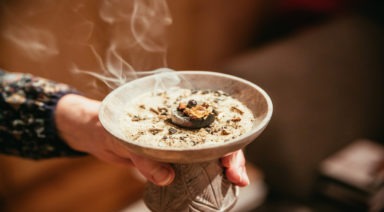
Smoke is one of the most ancient and widely used energetic purifiers. Burning herbs like rue, lavender, or rosemary, or smudging with copal, myrrh, or palo santo, helps dissolve stagnant energy and restore harmony in the environment. Passing the smoke through every corner renews the home’s vibration quickly and effectively.
-
Sea salt, vinegar, and other natural purifiers
These elements are known for their ability to absorb and neutralize dense energies. Sea salt can be placed in small containers in key corners of the house, while white vinegar, diluted in water, is used to cleanse energetically charged surfaces. After using them, it’s important to discard them, as they hold the energy they have absorbed.
-
Sound: bowls, bells, and clapping
Sound produces a vibration strong enough to break invisible energetic blockages. Using Tibetan bowls, bells, or simply clapping in the corners helps move stagnant energy and restore the natural flow of the space. This technique is especially useful in areas that are quiet or poorly ventilated.
-
Intention, visualization, and mental energy
The most powerful tool for energy cleansing is a focused mind. Visualizing a purifying light traveling through your home, or internally affirming that the space is filled with harmony, enhances any other technique. Clear intention directs energy and transforms the environment from the invisible level.
Preparations Before Starting the Energy Cleansing
Before starting the energy cleansing, it’s essential to prepare the physical space. Opening windows to let in fresh air, tidying up the rooms, and removing broken or unused objects helps energy flow more freely. Having your tools ready in advance avoids interruptions and allows the process to unfold in a continuous and conscious way.
It’s also important to prepare yourself internally. Take a few moments to breathe deeply, connect with your purpose, and set a clear intention. This initial moment defines the energy you’ll be working with and allows you to enter a state of greater presence and sensitivity toward the environment.
Step-by-Step Guide to Cleanse the Energy of Your Home
Performing an energy cleansing doesn’t require advanced knowledge, but it does require attention, presence, and a clear intention. Below is a practical guide you can follow to renew the energy of your home in an organized and effective way.
- Air out and tidy the space: Open doors and windows to allow air to flow and eliminate clutter. A clean and well-ventilated space lets energy move more freely. This first step already creates a noticeable shift in the atmosphere.
- Set your intention: Before you begin, take a few minutes to connect with the purpose of the cleansing. You can mentally repeat a phrase like “I release what I no longer need and make space for the new.” Clarity of intention directs the energy of the process.
- Start at the main entrance: Begin at the front door and move through each room in a clockwise direction. This helps mobilize the energy coherently and close the cleansing cycle more effectively. Pay special attention to corners and areas with little movement.
- Use your chosen tools: Apply the elements you selected, such as smoke, sound, or visualization. Do it with presence and without rushing, focusing on each space as you move through it. Combining different techniques enhances the effect.
- Finish with gratitude: Once the cleansing is complete, thank the process and allow fresh air to circulate for a few more minutes. You can place a candle, fresh flowers, or a meaningful object that symbolizes renewal. This seals the energetic work and reinforces the harmony of the space.
How Often Should You Perform an Energy Cleansing?
The ideal frequency for energy cleansing depends on the pace of life in your home and what happens within the space. In general, doing it once a month is enough to keep the environment balanced and light. However, certain situations call for more immediate attention.
If you’ve gone through intense stress, arguments, illness, loss, or emotionally heavy visits, it’s a good idea to do a cleansing shortly after. It’s also helpful to do one after moving into a new place or before starting a new cycle, such as a project or significant personal chapter.
In addition, many people choose to cleanse their space in alignment with seasonal changes or significant astrological events. The most important thing is to listen to your intuition and observe how the space feels. If you sense that things aren’t flowing or the atmosphere feels dense, it’s probably time to refresh its energy.