Are Digestive Enzymes Important? Can I Become Addicted To Them?

Since the global market for digestive enzyme supplements is on track to hit $1 billion by 2025, it means enzymes are all the new rage! You might be wondering, “How do enzymes work?” Or “What can enzymes do for me?” Given your possible problems with gas, bloating, or diarrhea, you might be thinking about taking enzymes every day. You may have a friend who suggested that you only take them in spurts, so that your body can adapt and rebuild itself, without becoming dependent.
You may have heard about beets, cinnamon, fenugreek tea, celery, and other fresh ideas that could help you improve your digestive tract. You might not know that your digestive tract (also called your gastrointestinal tract) is the pathway through which food enters and solid waste expels.
What Is An Enzyme?
To answer this question, we’ll first want to ask, “what is a chemical reaction?” A chemical reaction is a process that converts substances (reagents, reactants, and substrates) to other types of substances (the products of chemical reactions) through processes of interaction and engagement.
Now, let’s get back to enzymes. In general, our bodies form enzymes by stringing together 100 to 1000 amino acids. These chains are proteins that are born from and live within living cells.
How Do Enzymes Work?
As complex living-beings, we need biochemical reactions to keep our systems functional, clean, infused with energy, and in movement. For each specific chemical reaction within our bodies, we require energy to activate it.
Enzymes help initiate repeated, identical, chemical reactions by making it easier for chemical reactions to occur. They reduce the amount of energy required for each reaction, and thereby kickstart them.
Because all change requires work, enzymes are the power-plants for activated changes within our bodies. They increase the rate at which specific chemical reactions occur, without deteriorating, and without being consumed, or permanently altered.
Big Facts About Enzymes And Enzyme Activity
Enzymes help cells communicate with each other. They keep your cells healthy, happy, and whole. They can also assist in life-or-death situations. Without enzymes, our body might not process food very well. Also, the necessary biochemical reactions within your body might be occurring too slowly to keep you healthy and alive. enzymes help with all this.
What Is Amylase? Where is Amylase Produced?
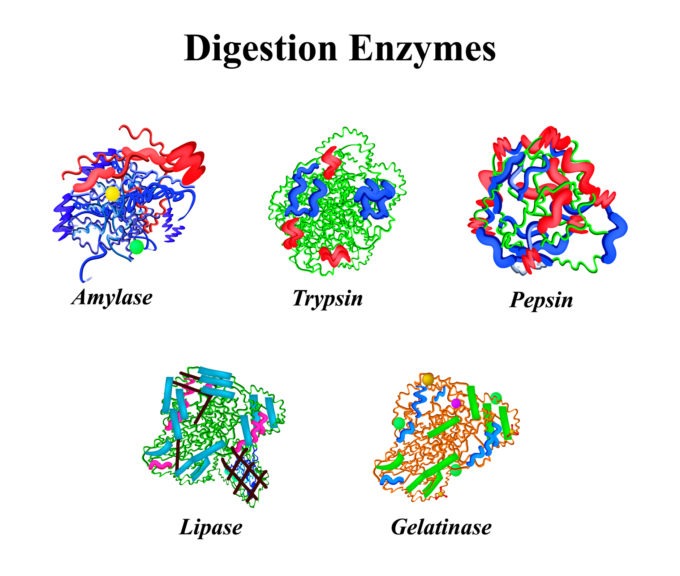
The pancreas and salivary glands make Amylase, the enzymes that act as catalysts (accelerator of reactions), which break-down (hydrolyze) starch. Hydrolyzing refers to the process of adding water molecules to produce reactions. This fractures and fragments the starch into smaller carbohydrate molecules.
Other enzymes are activated to turn disaccharides and trisaccharides into glucose. Glucose gives our bodies energy. Plants and some bacteria also produce Amylase.
Where Is Lipase Produced?
Small amounts of Lipase are created in the stomach and digestive tract, mostly by the pancreas. Your “gastric Lipase” digests the butter-fat in your food.
Where Is Protease Produced?
Our bodies produce Proteases (proteolytic enzymes or proteinases) in the stomach, pancreas, and small intestine. The function of these enzymes is to hydrolyze (break-down) peptide bonds of proteins, or linear chains of proteins, part of the process of digestion.
Enzymes: The Power-Players Behind Digestion!
Digestive enzymes have specific tasks and targets. Lipase distills fatty acids from fats and oils. Proteases break-down proteins into smaller peptides and amino acids. Amylases split carbohydrates (starch and sugars) into shorter chains and simple sugars, such as glucose.
This system allows our bodies to digest (process) food and convert the necessary elements into energy. Digestion is a core function that creates healthy environments that can support and sustain life.
Are Enzymes Good For Everybody?
The short answer is YES, although our digestive problems are not always a result of enzyme deficiency. Due to a variety of reasons, our bodies can lose their abilities to absorb the nutrients we need. We’ve all had this experience.
Here are some of the things we might experience during enzyme deficiency, and when our bodies are not functioning correctly:
- Diarrhea
- Loss of appetite
- Nausea
- Weight loss
- Belching
- Sluggish elimination
- Gas
- Bloating
- Leaky gut
- Indigestion
- Constipation
- Acid reflux
- Difficulty chewing food
- Mucus in the stool
- Undigested food in stool
These types of reactions are how our bodies respond to internal imbalances. While we might research methodologies that could bring our bodies back into balance, we might not know the implications of these methods.
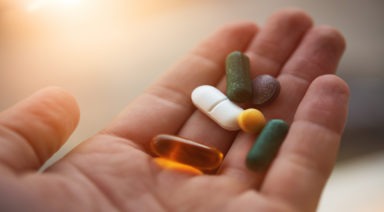
Given all the thousands of new-age botanicals and supplements available to us today, it can be difficult to separate reality from marketing fiction. Be careful when taking supplements, including digestive enzymes. Consult a certified nutritionist, Ayurvedic health counselor, or a doctor, before flooding your system with new herbs and pills.
Ways To Naturally Assist Digestion
While taking enzymes can be helpful for periods, there are many ways to improve our digestive tracts and produce enzymes naturally. Before diving head-first into a heavy regiment of enzymes, try a few of these suggestions:
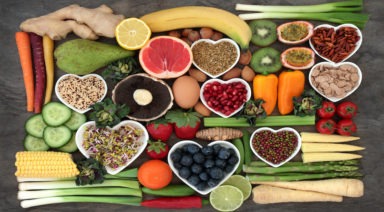
- Beets (bio-movers)
- Apples
- Celery
- Artichokes
- Fenugreek tea
- Cinnamon (a little sprinkle goes a long way as a decongestant)
- Pineapple, Papaya, Mango, Kiwifruit
- Miso, Sauerkraut, Kimchi, Kefir
- Ginger
- Honey
- Leafy Greens (2/3 of every meal, chewed not juiced)
- 1-2 tsp of Olive Oil and 1-2 tsp of Lemon Juice before bed or upon waking
- Drink water 15 minutes before your meal
- Relax when you eat
- Relax after you eat
- Soak and lubricate your gut in herbal oils
- Detox your liver
How Do We Know When We Need Digestive Enzymes As Supplements?
As we age, some doctors will tell us to take digestive enzymes regularly. This routine isn’t always the best option. In many cases, we can stimulate our bodies to function like they did when we were 25 years old, and without getting into an endless, regular consumption of supplements and enzymes. Cooked food, however, destroys natural enzymes, so it is good to take enzymes then.
When we become dependent on enzymes, we might be telling our bodies that they’re broken, and they might believe us! If we’re too aggressive with our bodies and regiments, we could also add unnecessary pressure to the liver. This is not only unhealthy; it’s insane. In most cases, our bodies are not broken. They just need a little encouragement.
Encouragement becomes ineffective when we hammer somebody with our projections of truth. Assistance works best when we give someone a few suggestions and allow the person to take it from there.
Our bodies work the same way. A little encouragement can produce miraculous results. If you’re taking digestive enzymes to help you with some of the challenges listed in this article, consider only taking them for short periods.
You might also consider the idea that you may already have given your system what it needs to return itself to its former glory. Your body might already be on the mend.
While some extreme situations require a continuous regiment of enzymes, these cases are rare. As with all remedies and regiments, be careful not to flood your system to the point of conflict or collapse.
Always be gentle and careful with your body. It’s more sensitive, conscious, and intelligent than you might think. Your body is always in a state of restoration and readily available for reparative growth.
About the Author

At Home Exercises to Keep Fit During Quarantine
Moving your body is important on so many levels. During this time of social distancing, maintaining fitness should be a top priority, along with good diet and stress mitigation. And it’s entirely possible to get a stellar workout, without all of the expensive equipment.
Arnold Schwarzenegger, seven-time Mr. Olympia and action-hero extraordinaire, said, “There are a lot of things we can’t control during this crisis, so we need to focus on what we can control.”
He said, “Gladiators and Vikings didn’t have gymnasiums. I started my own fitness journey with chin-ups on a tree branch by a lake in Austria.”
If the idea of pumping iron, a la Arnold, doesn’t do it for you, get into yoga during this time away from society. While any kind of sport or exercise can be food for the body, mind, and spirit, yoga guru BKS Iyengar said, “Yoga allows you to find an inner peace that is not ruffled and riled by the endless stresses and struggles of life.”
When it comes to staying fit at home, there is something for everyone, whether it’s calisthenics, aerobics, Tai Chi, Qigong, yoga, pilates, or bodyweight exercises.
None of these activities require a gym, and they can all be done at your own pace. Or, if you’d like, you can follow online videos of expert fitness teachers. There are plenty of great yoga classes online taught by a variety of dedicated and experienced teachers.