What Does It Mean To Be A Witch?

What Does It Actually Mean To Be A Witch?
By: Laurie Rihiimaki | Feb. 11, 2019
The term, ‘witch’ gets thrown around in everyday life soaked with a long history of negative connotation.‘Witch’ derives from the Old English noun, ‘wicca’ meaning a male witch and ‘wice’ meaning a female witch or sorceress. However, this negative stigma has recently been viewed as outdated and tired. So, what does it mean to be a witch?
Definition of A Witch
In general, witches today can be defined in three ways: someone who actively practices magical rituals or spells, someone who has a spiritual connection such as a psychic medium or a tarot reader, or someone who worships the Pagan gods.
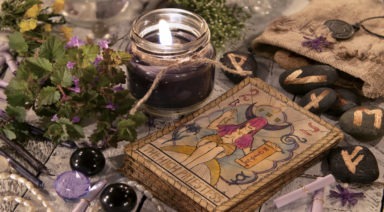
The reality of what it means to be a witch today carries many traditions of the Pagan religion; something which was previously thought to be tied to the devil or satanic rituals. Modern day witchcraft often includes the lighting of candles, meditation, yoga, incense, the smudging of sage, crystals, dream analysis, and other rituals connected to Pagan roots.
However, witchcraft is simply about using the power of the universe and the mind to attract wants and desires. It’s about being in tune with Earth’s natural resources and using them to mystically quench a spiritual thirst.
How to Spot A Witch
Spotting a witch today compared to the 1600s is an entirely different puzzle. Nowadays, it’s rather easy to determine who’s a witch because they are generally proud of their mystical practice. We now know you can’t simply label someone a witch based on their physical appearance or outspokenness.
But, in the late-1500s to mid-1600s in Eastern Europe and early colonial America, witches were named purely based on societal suspicion. For example, if a woman was outspoken, she was a witch. If she owned land or had a great deal of assets, she was a witch. If a woman was widowed or a spinster, she was considered out of the ordinary, therefore, she was deemed a witch.
After the label ‘witch’ was plastered on a woman in the community, there were many ways to theoretically prove her connection to the feared and mysterious craft. One of these tests included the bizarre witch cake; a rye flour cake baked with the urine of the accused, which was then fed to a local dog that the community observed to determine if it showed the same behaviors as the ‘witch.’ People believed the urine would transmit satanic juices to the dog because of its supposed association with the devil.
There were many other devised strategies to determine the presence of a witch in the community including:
- Weighing the accused against a stack of bibles
- Asking them to recite the Lord’s prayer
- Counting the number of pets they had
- Counting the number of marriages they had
- Asking them if they had dreams that included Native Americans or their culture
- Observing if they talk to themselves
These tests and many others determined a community member’s right to continuing living.
The accused was also searched for the physical mark of a witch, including birthmarks, scars, or extra nipples. These mysterious physical marks, which we now discern as common biological features, were considered signs of the devil’s presence. The accused were pricked with knives on these marks; if the mark did not bleed, they were deemed a witch.
The Destigmatization of Witches
Witchcraft is not as highly feared as it once was. There are no widespread witch hunts or constant fear associated with the neighborhood spinsters and widows. The destigmatization of witches is seen more and more in our everyday lives as popular stores sell tarot cards and crystals. While smudging with sage and owning a spell book is a trending lifestyle add-on visible all over Instagram.
While this destigmatization of witches may seem trendy on the surface, as it’s popularly marketed, the spread of witch-awareness is closely related to a greater cause: the women’s empowerment movement rapidly spreading across the world.
Today, people recognize the need for a change in energy relating to the female’s place in society, but often women are feared for being strong-willed and outspoken. Then, like now, powerful women or those with important titles often face greater challenges than their male counterparts. In the 1600s they were burned at the stake or stoned to death; today, they can face belittlement of their accomplishments, their morality questioned, or reputations intentionally tarnished.
With that being said, one could argue that witchcraft is a necessary addition to modern society as it illuminates the daily struggles of women on various levels. With that feminist insight in mind, it’s vital to remember that witchcraft is not just one single thing across the board. It’s certainly not just the performance of spell casting or the donning of crystals. It’s an understanding of one’s own spirituality. And, at this period in time, which is faced with drastically polarizing viewpoints, it is essential to have beliefs that we can mold to our own specific needs.
About the Author

What Kind of Witch Are You?
You know that gut feeling you’ve learned to trust?
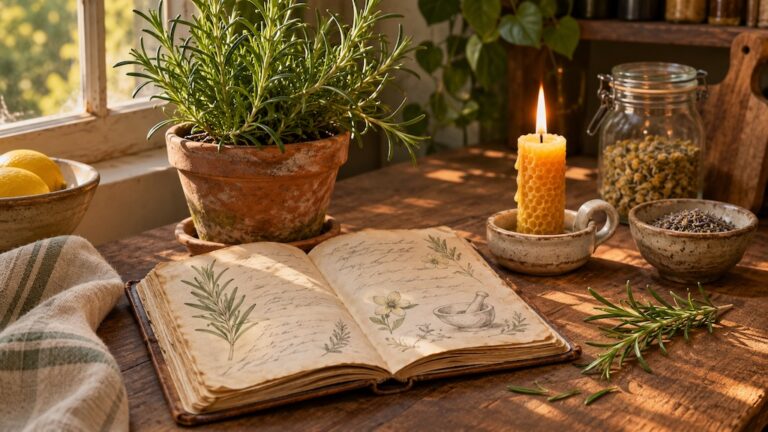
Maybe you feel most like yourself with your hands in the garden. You’re curious about the moon’s cycles. Or you light a candle to mark a fresh start, giving an ordinary moment a little more meaning.
What if those instincts are your witchy powers at work, and you’ve been using them all along?
So, what kind of witch are you?
The answer begins with what draws you in. A love of plants might lead you toward green witchcraft. An interest in ceremony could draw you toward a more structured ritual practice. You may find yourself exploring several paths as you discover what resonates.
Think of these labels as doorways: ways to find ideas, teachers, and traditions that speak to your curiosity.
Ready to see where yours might lead? Keep reading to explore the different paths.
How Do You Find Your Witchcraft Path?
Start with what you actually want to learn. A garden full of medicinal plants might interest you more than an elaborate altar. You might want to understand the symbolism behind a ritual before trying it yourself. That preference tells you something.
In Magick: A Path for Every Witch, an episode of Open Minds, author and practicing witch Salicrow talks with Regina Meredith about how different a magical practice can look from one household to the next. She describes magic worked over a cooking pot and intention woven into a blanket made for a baby.
Those examples make witchcraft easier to picture in an ordinary week. They also raise a better question than whether you look the part: Which practices would you want to spend time learning?
Some Types of Witches You May Recognize
These are a few terms you’ll encounter while exploring modern witchcraft. They describe interests and approaches, rather than a universal system of witch types.
Green Witch
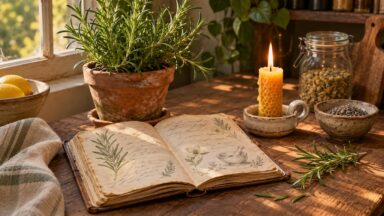
Green witchcraft centers on a relationship with the natural world, especially plants. Learning what grows near your home can become part of the practice, along with studying the magical associations people give to herbs.
If you want to know when a plant flowers as well as why it appears in a spell, this approach may appeal to you. A windowsill can be a reasonable starting point; you don’t need a cottage surrounded by woodland.
Kitchen Witch
Kitchen witchcraft brings magical intention into preparing food and caring for a home. A practitioner might choose an ingredient for its symbolic meaning or make a meal with a particular blessing in mind.
The cooking-pot magic Salicrow describes fits here. The same herb might belong in a green witch’s garden and a kitchen witch’s recipe, which gives you an idea of how much the labels can overlap.
Hedge Witch
Hedge witchcraft is often associated with solitary practice and folk magic. Some practitioners also use the term for work involving trance or spiritual journeying, sometimes called hedge riding.
It may interest you if you prefer independent study and want to explore folklore alongside personal ritual. The word covers different approaches, so it helps to read how a particular teacher uses it before assuming you know what their practice involves.
Elemental Witch
Elemental witchcraft works with earth, air, fire, and water as spiritual forces and ritual symbols. A candle flame or a bowl of water may have a specific place in a practitioner’s ritual.
Salicrow explores these relationships in The Path of Elemental Witchcraft. This approach may suit someone who wants to study the elements in detail and build a practice around them.
Ceremonial Witch
Some witches prefer rituals with a defined sequence and carefully chosen tools. Preparing a space and learning the purpose of each step are part of the appeal. If structure helps you concentrate, you may want to explore this approach.
You’ll also encounter Wicca in discussions of ritual. Wicca is a distinct modern Pagan religion, with its own traditions and customs. Witchcraft is a broader term. Practicing witchcraft does not automatically make someone Wiccan, and ceremonial practice extends beyond Wicca.
Can You Be More Than One Kind of Witch?
Yes. You might work with plants and also prefer a formal ritual. Practicing alone describes how you work; it doesn’t tell you everything about what you believe.
Salicrow’s own practice has changed over time. In the interview, she describes spending years in a coven before coming to prefer a more solitary approach, while still practicing with other people.
Questions About Finding Your Witch Type
How Do I Find My Witchcraft Path? Start with the practices that interest you. Learning about the magical uses of plants might lead you toward green witchcraft, while an interest in cooking could draw you toward kitchen witchcraft. You can explore before choosing a label.
Can I Explore Witchcraft as a Beginner? You can begin by reading about different traditions and learning how practitioners approach their craft. Notice which practices you’d like to understand well enough to try yourself.
Do I Need Special Tools to Practice Witchcraft? Many practitioners use everyday objects in their rituals. Salicrow describes bringing magical intention into cooking and making things by hand. The tools you use will depend on the practice you choose.
Do I Need to Join a Coven? Many witches practice independently. A coven offers a group setting for learning and ritual, while solitary practice allows you to work on your own. Particular traditions may require formal training or initiation.