Amazon Alexa Tells Users Secret Government Chemtrails Are Real

In the latest installment of controversial things said by Amazon’s Alexa, users are now reporting their home assistant responding to the question, “Alexa, what are chemtrails?” with a conspiratorial answer.
“Chemtrails: Trails left by aircraft are actually chemical or biological agents deliberately sprayed at high altitudes for a purpose undisclosed to the general public in clandestine programs directed by government officials,” Alexa said.
Upon hearing about Alexa’s programmed chemtrail response, Amazon quickly updated the app to change her reply.
But this isn’t the first time Alexa has come under scrutiny from those in the conspiracy realm. One of the first times an Alexa response went viral came when someone posted a video asking her if she was connected to the CIA or sending data to the FBI; her silence left users paranoid.
More recently, one of the smart speaker’s reactions circulated headlines again when users reported hearing creepy laughter, often without being prompted.
Many publications reporting on Alexa’s latest retort were quick to call out the conspiracy, saying chemtrails aren’t real and that they’re simply the contrails left in the wake of a jet from freezing water vapor emitted from its engines.
While the chemtrail conspiracy has been taken to some extremes, the extent of weather modification programs conducted by the government has been well documented. A 1996 Air Force research paper titled, Weather as a Force Multiplier: Owning the Weather in 2025, details a government plan to weaponize weather into the 21st century.
The dossier details its plan to enhance storms and precipitation, as well as fog and cloud generation. It also discusses weather modification through the use of ionospheric manipulation, a science studied at HAARP, the military base in Alaska long presumed to be the epicenter of government weather modification studies.
Maybe it turns out Alexa is less of a spook and more skeptical of clandestine government programs like we are.
About the Author

CIA Remote Viewing Documents Reveal Ancient Life on Mars

It’s hard to fathom the number of programs the CIA has or is currently funding and researching. The clandestine organization has been known to explore many outlets to conduct its operations, ranging from sinister to strange. But often the strange ones, notably those that become declassified because the general populace finds them too bizarre to actually be true, are the most intriguing. When certain programs come to light, it always begs to ask the question, what else are they doing that they aren’t telling us about?
During the Cold War, the CIA conducted several experimental programs involving the human psyche. MKUltra was one of the more malevolent programs aimed at mind control using drugs and other techniques for torture and interrogation purposes. One element of the program involved administering LSD surreptitiously to subjects with the goal of turning them into robot agents that they could then control.
The horrific intent of the program eventually came to light and was exposed, despite an attempted cover-up and destruction of all evidence pertaining to it.
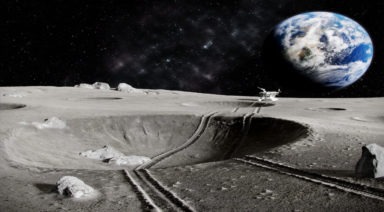
But one of the more intriguing (and humane) programs that produced some interesting results was one known as Stargate, which trained operatives in astral projection and remote viewing. These psychic abilities that allow for perception and, if you’re well-practiced, the ability for your astral body to travel anywhere, including distant planets, has cultivated striking imagery and details that often have been confirmed.