Get 30 Day of Gaia for $1
CLAIM HERE

Journey of the Tarot: How Major Arcana Meanings Mirror the Soul
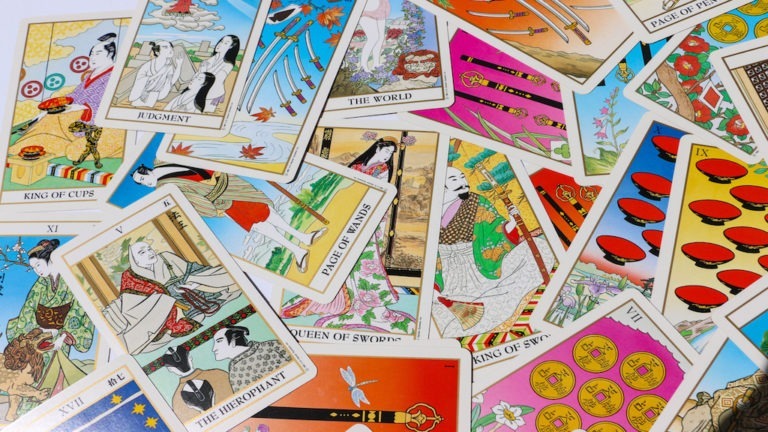
Journey of the Tarot: How Major Arcana Meanings Mirror the Soul

Cloaked in mystery and magic, the Tarot is more than a mere card game or parlor trick. In fact, the symbolism of this mysterious set of cards dives deeply into the realm of human consciousness and experience, revealing patterns of both the past, present, and probable future. The Major Arcana meanings in particular echo important aspects of the human experience, shedding light onto the many stages of spiritual development.

Divided into two separate Arcana, the Tarot tells the story of human experience using archetypal symbolism, numerology, and elemental meanings. The Major Arcana in particular speaks to what Carl Jung termed “the universal subconscious.” Each of the 22 cards symbolizes a different portion of the psyche, leading the querent on a spiritual journey from division to wholeness. On the path of the Major Arcana the seeker faces various trials and tribulations, which eventually lead to understanding and individuation.

The Story and Meaning of the Major Arcana

Many beginning Tarot enthusiasts are overwhelmed by the imagery and seemingly mysterious nature of the symbolism of the Major Arcana. Each of the 22 cards is packed with angelic figures, glyphs and characters that can both inspire and unsettle the reader. Yet if one approaches the Tarot as a storyline with the Fool as the central character, the mystery begins to reveal itself.

The Fool’s Journey: The Major Arcana Explained

Beginning with the number zero, the first character we will meet and follow throughout the Major Arcana is the carefree Fool. He appears in many decks clothed in a white tunic, flower in hand and feet dangerously close to a precipice. On the surface, The Fool appears unaware and dim, but in the Tarot, his actions and personality take on a different light.

With the Fool we have the point between points, the power of the present moment. He is unaware and thusly unafraid to face the perilous journey before him. It is the Fool’s innocence and openness that make the adventure possible.

The first two characters he encounters are the Magician and the High Priestess. The Magician represents pure dynamic masculine energy, and a willingness to project oneself out into the world. This is a card of harnessing one’s abilities towards the alchemical transformation of self or experience.

The High Priestess on the other hand, represents the pure feminine energy of incubation and arcane knowledge. She sits patiently at the gates of Solomon’s Temple, guarding the secrets of divine power. The High Priestess embodies the mysterious element of femininity and intuition, the intangible yet powerful forces that explore the realms of magic.

Now that The Fool has met his own personal masculine and feminine aspects, he meets the external embodiment of these characters. The Empress and The Emperor can be approached as the parents of The Fool, the earthly counterparts of The Magician and The High Priestess. As the mother of The Fool, The Empress is loving, abundant and giving. She is the feminine provider who feeds and nurtures her subjects.   

The Emperor holds the energy of the father, creating firm foundations and boundaries in the external world. He protects his realm, building walls to encase the softness of the Empress. These parental figures instill their knowledge on the young Fool, defining his ideas of boundaries and security.

But the Fool must leave the safety of home, so next he encounters the dogma and structured world of The Hierophant. Here knowledge is passed down from heaven to Earth through the lens of hierarchy and teaching with a strong emphasis on religious institutions. Next the Fool learns the power of choice, symbolized by The Lovers card. It is the first instance where the Fool begins to realize that his future is in his own hands, and that his decisions will shape his path.

Now that The Fool has been educated, he must take this knowledge and apply it to the real world. The Chariot is his graduation, a sign that he has the necessary knowledge to embark upon the adventure. From here, he meets his first challenge: Strength. The Fool must overcome his base qualities by realizing that “mind over matter” is at times the best solution to a problem.

From the trial of Strength, the Fool is thrown into the introspective world of the Hermit. Alone with his own thoughts and removed from the world, the Fool realizes that life is in some ways a game to be played. The Wheel of Fortune appears next, as if the knowledge acquired by the Hermit is suddenly manifest. Life is a series of riddles and twisting turns, moved by both fate and choice, where one day things are up and the next day they are down.

The Fool comes to terms with this wild ride through the assumptions of the Justice card, where decisions are measured and enacted through a fair trial. But often enough, life is not so black and white. Soon the Fool finds himself in the quandary of the Hanged Man, suspended between two worlds in order to find a new perspective.

It is from this discomfort that he realizes that what he once took as blind truth is in fact the beliefs and ideas of his former teachers. The Death card appears to free him from these falsehoods, clearing away the words of the Emperor, Empress, Hierophant, and even the child the Fool once was.

the fools

The Fool is forever changed by this experience, and his new understanding is embodied by the angel of the Temperance card. Here we have a deeper spiritual understanding, where emotion is regulated and a middle path is forged between extremes. But with this new found clarity the hidden blind spots within the Fool himself are revealed, taking shape as the Devil.

Emerging from the darkness, the Devil speaks to the unconscious urges of the psyche which manifest as addiction and attachment. Luckily, this level of tension and manipulation is short lived, released by the shock and awe of the Tower. With a lightning bolt from heaven, the walls of the Fool’s inner world crumble, allowing for the growth and renewal of the Star.

The Star is one of the most magical and hopeful moments on the Fool’s journey, where healthy new ideas are planted and divine assistance flows freely from heaven. Yet this level of transcendence still has its own shadow. The profound and psychic Moon appears, reminding the Fool of all that is uncontrollable and mysterious. The Moon moves the tides of the ocean and the cycles of women, causing both the wild wolf and the tame dog to howl.

But night does not last forever, and the Fool’s journey is also nearing its end. The Sun rises once more and with it comes the promise of homecoming and return. The Fool finds himself at the gates of his ancestral castle, ready to reveal all that he has learned during his travels. The Judgement card is that revelation, where anything left unsaid is dealt with and the final inner work is completed.

The World represents the end of this journey, while also hinting at the cycle that is yet to come. This is one of the deepest aspects of the wisdom that the Tarot holds: life is an endless circle, a chance to learn and grow through experience. As long as we inhabit bodies on the Earth plane, there will be lessons to discover and conquer. Luckily there are tools such as the Tarot to help us understand ourselves, the world around us, and how best to thrive on our own archetypal journey.


100 Tarot Questions: What You Should and Shouldn’t Ask

The Tarot offers a window into our inner world and a guide to facing challenges and making decisions. The key to getting useful answers lies in asking open and reflective questions. In this article, we explore the importance of questions, how to formulate them, how many to ask, and which ones to avoid in a Tarot reading.

Table of Contents

The Importance of Questions in a Tarot Reading

The questions we ask in a Tarot reading are crucial for the type of answers we receive. Well-formulated questions can provide clarity, direction, and understanding about various areas of our lives. On the other hand, vague or poorly phrased questions can result in confusing or unhelpful answers.

It’s essential to focus on questions that encourage reflection and self-awareness. Open-ended questions allow us to explore different aspects of a situation, offering a more complete and detailed perspective. This not only facilitates a better interpretation of the cards but also promotes a deeper and more meaningful internal dialogue, helping to uncover the true causes and possible solutions to the challenges we face.

In the series Mystery Teachings of the Tarot, available on Gaia, Dr. Theresa Bullard emphasizes the importance of asking questions that help us connect with our intuition and gain a clearer understanding of our circumstances. This series is an excellent guide for those who wish to deepen their Tarot readings and learn how to formulate effective questions to obtain useful and revealing answers.

How Many Questions Can I Ask?

There is no fixed number of questions to ask in a Tarot reading; it depends on individual needs and circumstances. A good number might be between three and five well-formulated questions, but this can vary depending on the depth of the answers you seek and the time available.

Limiting the number of questions helps avoid information overload. By focusing on a few questions, you can reflect properly on the answers received and apply the lessons learned to your daily life effectively. This allows you to explore each question in depth and maximize the value of the reading.

What Questions Should I Avoid in Tarot?

To get the best answers from the Tarot, it’s advisable to avoid questions that seek to predict specific events or depend on factors outside your control. Instead of asking, “When will I meet my soulmate?”, it’s more useful to ask, “What can I do to prepare my heart and life for a meaningful relationship?” This approach allows you to actively work on your personal development and be better prepared for future opportunities.

It’s also important to avoid questions that seek “yes” or “no” answers, as these don’t encourage deep dialogue or provide enough information for reflection. For example, instead of asking, “Should I change jobs?”, ask, “What should I consider when thinking about a career change?” This type of question opens the door to a more complete exploration of your options and circumstances, allowing for more detailed and enriching answers.

100 Examples of Tarot Questions

Below, we present 100 examples of questions in various areas of life that can help you make the most of your Tarot reading.

10 General Questions

  1. What is my life purpose at this moment?
  2. What do I need to know about my current situation?
  3. How can I overcome the obstacles I’m facing?
  4. What should I learn from my current challenges?
  5. How can I improve my overall well-being?
  6. What talents should I develop to achieve my goals?
  7. What is preventing me from moving forward in my life?
  8. How can I improve my personal relationships?
  9. What actions should I take to find inner peace?
  10. What should I know to make better decisions?

10 Questions About Love

  1. What can I do to attract a healthy romantic relationship?
  2. How can I improve my current relationship?
  3. What should I learn from my past romantic experiences?
  4. What qualities should I look for in a partner?
  5. How can I heal from a breakup?
  6. What is preventing me from finding true love?
  7. What do I need to know about my future love life?
  8. How can I communicate better with my partner?
  9. What aspects of my behavior are affecting my romantic relationships?
  10. How can I rekindle the passion in my relationship?

10 Questions About Work

  1. How can I advance in my professional career?
  2. What can I do to find a job I’m passionate about?
  3. What skills do I need to develop to succeed in my work?
  4. How can I improve my relationship with my coworkers?
  5. What should I consider when thinking about a career change?
  6. How can I better manage work-related stress?
  7. What is preventing me from achieving my professional goals?
  8. How can I find a better balance between my work and personal life?
  9. What opportunities for professional growth are available to me?
  10. What should I know about my current work environment?

10 Questions About Finances, Business, and Money

  1. How can I improve my financial situation?
  2. What should I know before making a major investment?
  3. What steps should I take to achieve financial stability?
  4. How can I better manage my personal finances?
  5. What should I consider when starting a business?
  6. How can I increase my income?
  7. What financial habits should I change?
  8. What financial opportunities are available to me?
  9. How can I free myself from debt?
  10. What is preventing me from achieving my financial goals?

10 Questions About Health and Well-being

  1. What can I do to improve my physical health?
  2. How can I better manage stress and anxiety?
  3. What habits should I adopt for a healthier life?
  4. How can I better balance my body and mind?
  5. What should I know about my emotional well-being?
  6. How can I strengthen my immune system?
  7. What is preventing me from achieving optimal well-being?
  8. How can I improve my mental health?
  9. What steps should I take to heal a specific ailment?
  10. What should I keep in mind to maintain a healthy lifestyle?

10 Questions About Important Decisions

  1. What should I consider when making this decision?
  2. What is the best path to follow in this situation?
  3. What consequences can I expect from this choice?
  4. How can I make a decision aligned with my values?
  5. What is preventing me from making a clear decision?
  6. What should I know before deciding?
  7. How can I find the courage to make this decision?
  8. What information am I missing to make this decision?
  9. How can I overcome the fear of making important decisions?
  10. What benefits will I gain from making this decision?

10 Questions About Family and Children

  1. How can I improve my relationship with my children?
  2. What should I know to better support my family?
  3. How can I foster a harmonious family environment?
  4. What family challenges do I need to address?
  5. How can I be a better parent?
  6. What can I do to improve communication in my family?
  7. What family patterns should I change?
  8. How can I better support my partner in parenting?
  9. What should I consider for my family’s emotional stability?
  10. How can I reconcile family differences?

10 Questions About Spirituality

  1. How can I deepen my spiritual practice?
  2. What should I know about my spiritual path?
  3. How can I better connect with my inner self?
  4. What spiritual lessons should I learn now?
  5. How can I balance my spiritual energy?
  6. What spiritual obstacles should I overcome?
  7. How can I find peace and spiritual balance?
  8. What spiritual practices should I incorporate into my life?
  9. How can I better align with my spiritual purpose?
  10. What should I know about my spiritual guides?

10 Questions About Past Lives

  1. What lessons from past lives are influencing my current life?
  2. How can I heal traumas from past lives?
  3. What should I know about my karmic connections?
  4. How have my past lives affected my current relationships?
  5. What talents from past lives can I use now?
  6. What repetitive patterns come from past lives?
  7. What vows or promises from past lives should I release?
  8. How can I better integrate the lessons from my past lives?
  9. What should I know about my experiences in other incarnations?
  10. How can I use the knowledge of my past lives for my personal growth?

10 Questions About Life Purpose

  1. What is my mission in this life?
  2. How can I discover my true purpose?
  3. What steps should I take to align with my life purpose?
  4. What is preventing me from fulfilling my purpose?
  5. How can I use my talents to fulfill my life mission?
  6. What should I learn to move forward on my life path?
  7. How can I better contribute to the well-being of others?
  8. What important lessons should I learn in this life?
  9. How can I live a more meaningful and fulfilling life?
  10. What should I know to fulfill my destiny?

lectura de tarot

Do Tarot Cards Reveal the Future?

The Tarot should not be seen as a tool that predicts the future in a fixed and immutable way. The cards reflect current energies and trends, suggesting possible paths and scenarios that could develop based on the querent’s decisions and actions. It’s essential to interpret Tarot answers with an open and contemplative mind, understanding that they offer guidance based on the present, not an absolute prediction of the future.

Rather than fixing destiny, the Tarot provides insight into the influences and opportunities present in the querent’s life. The cards can reveal behavioral patterns, blockages, and potentials that help in making informed decisions. The purpose of the Tarot is to empower the querent, providing the tools needed to navigate their circumstances with greater clarity and wisdom.

Querents should use the information obtained from the Tarot as a guide to reflect and make decisions based on their own judgment and inner wisdom. By doing so, they can make the most of the lessons and advice the cards offer, adapting their actions to better align with their personal goals and values. When used consciously, the Tarot becomes a powerful ally for self-awareness and personal growth.

What to Do with the Information from a Tarot Reading?

Once you’ve obtained the information from a Tarot reading, it’s important to take the time to reflect and process the answers. It’s recommended to jot down the ideas and feelings that arose during the reading to review them later. This practice not only helps you remember important details but also allows for continuous reflection on how to apply the advice received in daily life.

Applying the information obtained is the next important step. This involves taking concrete actions based on the Tarot’s suggestions, whether by adjusting behaviors, exploring new opportunities, or facing challenges in a different way. Integrating these changes into your daily routine can lead to significant growth and transformation, better aligning your actions with your personal goals and values.

Finally, it’s helpful to regularly review past readings to see the progress and changes that have been made. This not only reinforces the understanding of the Tarot’s messages but also allows you to adjust your course of action as needed. The process of continuous review and adjustment is key to maintaining an effective connection with the guidance provided by the Tarot, ensuring it remains relevant and useful over time.

Read Article
Our unique blend of yoga, meditation, personal transformation, and alternative healing content is designed for those seeking to not just enhance their physical, spiritual, and intellectual capabilities, but to fuse them in the knowledge that the whole is always greater than the sum of its parts.



Use the same account and membership for TV, desktop, and all mobile devices. Plus you can download videos to your device to watch offline later.

devices en image
Testing message will be here