The Subtle Art of Shamanism and Energy Healing

Both shamans and energy healers seek to serve their community by working on the subtle levels of energy rather than simply the physical body. We do this in great commitment to our planet and out of love for our fellow beings.
Energy healing—which includes modalities such as reiki, aura clearings, and even acupuncture and chiropractic—seeks to move or shift energy so it’s more supportive of the life functions of the client. They work with proven techniques to alleviate the client’s discomfort and bring more harmony into the physical body. Energy healing is a course of study, with practices and protocols in place that can be easily replicated.
Shamans deal with the soul. We have practices in place to perform soul retrievals, soul extractions, and spirit de-possessions. We serve Spirit, not the physical realms. We see Spirit in each person and ask the animating force to shift in ways that will bring peace to the client. We don’t simply move energy, we ask that Spirit transmute it. This is done through ritual and ceremony. From drumming and feathers to incense and prayer, we work with Spirit to help support the soul.
How is the Training of Shamans Different?
Shamanism is a life calling, not simply a workshop one stumbles into. There are no schools, and rarely can you find two shamans doing treatment the same way. Shamans are called to this path and may learn from elders in the community, or venture to far-off lands to find their teacher.
Shamanic healing is an art form. There is no “right” way to perform a shamanic ritual or ceremony. While there may be similar elements (prayer, drums, and other tools) each shaman’s direction from their own Spirit Allies ultimately shapes the session.
Journeying (rhythmic drumming to induce a trance-like state) is our primary tool and allows us to retrieve from the spirit world the remedy the soul requires. We work in non-ordinary reality, stepping outside of the here and now, to gain insight and bring it back to benefit the client.
Each shaman comes to her gifts from a deep desire and commitment. We must learn and practice each tool, not through workshops or continuing-ed classes, but through our ever-deepening relationship with our Spirit Guides. We see healing as a gift and an art form, and one that must be respected and well-tended.
While, on the surface, the benefits of shamanic and energy healing may be similar, it is the process through which we bring the healing that differs. From the outside, it is subtle…but to the shamanic soul, the love and respect we convey feel fundamentally sacred — holy, even.
I find this path not only gratifying but also deeply humbling. The healing has nothing to do with me, and everything to do with my relationship to Spirit. The more I move (and my ego) out of the way, the more powerful the healing flows through me. In working in such close communion with Spirit, co-creation, manifestation, and true miracles are within grasp. The world around us feels different—magical, even—when we see ourselves as a contributing force within creation.
Receiving shamanic healing is also a gift. Each shaman shares their art and allows you into their intimate relationship with Spirit. It can feel raw and primal energy, especially when venturing into the depths with the Spirit Allies and Power Animals to seek well-being. With the beat of the drums, the smell of herbs and incense, an ancient mood is set. This ambiance takes us outside of reality to meet with other-worldly forces. Shamanic healing allows us to dance in rhythm with the breath of life and emerge feeling renewed and whole!
About the Author

Exploring the Sacred Four Directions and Medicine Wheel in Native American Culture
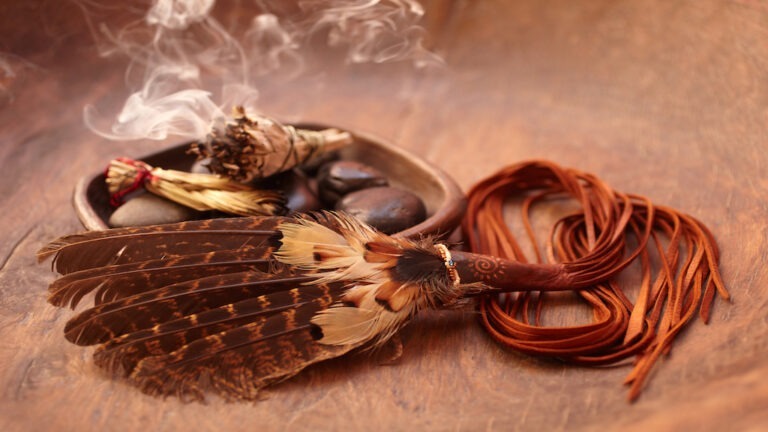
The Native American tradition of recognizing the Four Directions—East, South, West, and North—and the central concept of the Medicine Wheel capture profound spiritual significance and cultural values across numerous indigenous communities. This revered system honors not only the physical elements of the world but also the stages of life, sacred directions, and the cycles of life inherent in Mother Earth. This article delves into the symbolism of each direction and the comprehensive meaning of the Medicine Wheel in Native American tradition.
Insights into the Four Directions
Each of the cardinal directions holds a unique symbolic meaning across many Native American traditions. The directions are commonly associated with specific colors, elements, animals, life stages, seasons, sacred plants, and spiritual attributes. While interpretations may vary by tribe, the following reflects widely recognized associations:
East – Air
- Color: Yellow
- Animal: Eagle
- Element: Air
- Season: Spring
- Life Stage: Birth / New Beginnings
- Sacred Plant: Tobacco or Sweetgrass
- Significance: East represents the rising sun, clarity, wisdom, and new beginnings. It is the direction of vision, spiritual insight, and awakening—energizing the day with light and understanding.
South – Water
- Color: Red
- Animal: Buffalo
- Element: Water
- Season: Summer
- Life Stage: Youth
- Sacred Plant: Cedar
- Significance: South symbolizes warmth, trust, and emotional growth. Aligned with water, it reflects fluidity, learning through experience, and the nurturing energy of summer.
West – Earth
- Color: Black
- Animal: Bear
- Element: Earth
- Season: Autumn
- Life Stage: Adulthood / Maturity
- Sacred Plant: Sage
- Significance: West is associated with introspection, grounding, and maturity. As the sun sets, it invites reflection and connection to the natural world, offering wisdom through self-awareness.
North – Fire
- Color: White
- Animal: Moose
- Element: Fire
- Season: Winter
- Life Stage: Elderhood / Wisdom
- Sacred Plant: Sweetgrass or Sage
- Significance: North represents endurance, cleansing, and transformation. It is a place of strength and resilience, where fire symbolizes purification and the wisdom gained through life’s challenges.