The 4 Elements of Nature and Their Spiritual Meaning

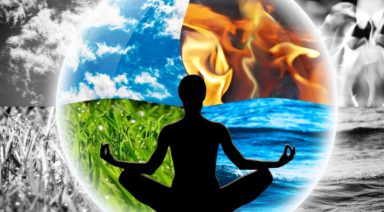
The four elements —air, fire, water, and earth— have been interpreted since ancient times as essential expressions of the energy of life. Each represents a quality that is also part of our inner experience. In this article, we explore what each one means, how they influence our daily lives, and why they can help us better understand ourselves.
Table of Contents
- What Do the 4 Elements Represent in Spirituality?
- One by One: The Spiritual Meaning of the Four Elements
- The 4 Elements in Different Spiritual Traditions
- The 4 Elements and the Chakras
- The 4 Elements and the Zodiac Signs
What Do the 4 Elements Represent in Spirituality?
For many spiritual traditions, the elements are not just components of nature but also ways of understanding how our inner energy works. Each one reflects a part of us: how we think, feel, act, and stay grounded in the present. This perspective helps us know ourselves more completely, integrating body, mind, and spirit.
Air is connected with the mind and breathing, fire with action and transformation, water with emotions and intuition, and earth with stability and the body. They are symbols, but also tools: the elements provide a practical way to recognize how our energies are expressed and where we can work to achieve greater balance.
Knowing the spiritual meaning of the four elements allows us to identify which energies are most present in our lives and which ones we might need to cultivate more. If someone feels a lack of direction, they may need more fire. If there is mental confusion, perhaps they need to connect with air. This type of personal reading, based on the elements, offers a simple yet powerful way to work on our energetic and emotional well-being.
One by One: The Spiritual Meaning of the Four Elements
Each of the four classical elements expresses a specific quality of vital energy. Air, fire, water, and earth not only represent aspects of the physical world but also reflect inner patterns that influence our emotions, thoughts, decisions, and the way we relate to our environment. Understanding their spiritual meanings allows us to observe more clearly our strengths, our blocks, and the energies we need to balance in order to live more fully.
-
Air: The Breath of Life and the Mind
The element air is connected with breathing, the mind, clear thinking, and communication. In many traditions, it is associated with what is invisible yet essential, such as ideas, inspiration, and consciousness. It is also linked to movement, lightness, and the ability to see things from a broader perspective.
From a spiritual point of view, air represents the energy of knowledge, mental intuition, and the connection with the subtlest plane of understanding. When this energy flows in balance, it facilitates clarity of thought, creativity, and open communication. However, when it is unbalanced, it can manifest as mental distraction, excessive thinking, or difficulty concentrating.
Working with the element air involves cultivating inner silence, observing our thoughts without judgment, and learning to express ourselves authentically. Conscious breathing, meditation, and contact with open spaces such as mountains or clear skies can help balance this energy. By doing so, we gain focus, clarity, and a deeper connection with our inner wisdom.
-
Fire: Transformation, Passion, and Inner Power
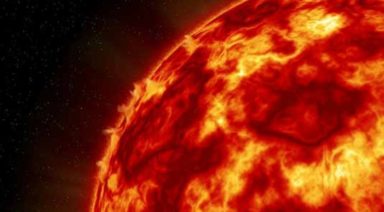
Fire symbolizes the force that drives change, willpower, passion, and the power to act. It represents the energy that moves us, the one that ignites the desire to advance, create, and transform. On a spiritual level, fire is the engine that leads us to make decisions, break with the old, and open space for the new.
This element is deeply linked to vital energy, enthusiasm, and the ability to sustain an intention with firmness. When the inner fire is balanced, it manifests as motivation, confidence, and a clear sense of direction. But if it overflows, it can be expressed as impulsiveness, anger, or exhaustion. On the other hand, if it is extinguished, it shows up as discouragement, stagnation, or lack of purpose.
Connecting with spiritual fire requires paying attention to what ignites our passion, what moves us, and what we are ready to transform. Practices such as lighting candles with intention, working with affirmations, or performing energetic body movements can help activate this energy. Fire reminds us that within us lies a spark capable of guiding our process of change and renewal.
-
Water: Intuition, Emotions, and Flow
Water is connected with the emotional world, sensitivity, intuition, and the ability to adapt. It is the element that flows, that changes form without losing its essence, and that invites us to connect with what is deep. Spiritually, it represents connection with the invisible, the inner world, and what is emotionally authentic.
When water is in balance, it allows us to feel without fear, trust in intuition, and flow with life’s changes. This energy helps us open up emotionally, understand our feelings without repressing them, and create empathetic bonds with others. On the contrary, an excess of water can lead to emotional instability or confusion, while its absence can cause emotional disconnection or difficulty expressing what we feel.
Working with the water element involves cultivating spaces of introspection, allowing ourselves to feel without judgment, and developing trust in our inner perception. Taking mindful baths, meditating near the ocean or rivers, and keeping an emotional journal are ways to activate this energy. Water teaches us that true strength often lies in the ability to adapt and let things flow.
-
Earth: Stability, Abundance, and Connection with the Sacred
Earth is the element of matter, structure, the body, and everything that sustains. It represents what is concrete, stable, and what gives us security and grounding. Spiritually, it is linked to abundance, nourishment, and deep connection with the sacred that resides in nature.
When earth energy is balanced, we feel centered, trust in our processes, and appreciate what we have. We also cultivate patience, consistency, and presence in the here and now. In imbalance, it can manifest as excessive attachment to material things, fear of change, or a sense of disconnection from the body and everyday reality.
Connecting with earth means becoming aware of the body, the physical environment, and the care of our foundations. Walking barefoot, tending a plant, practicing gratitude, or simply spending time in nature are effective ways to activate this energy. Earth reminds us that spirituality is also lived with our feet firmly on the ground.
The 4 Elements in Different Spiritual Traditions
The idea that the universe is composed of four fundamental elements has been present in many cultures throughout history. This concept has not only served to explain the physical world but also to understand the inner processes of human beings from a spiritual perspective. Air, fire, water, and earth have been seen as universal principles that operate both in nature and in the soul.
In ancient Greece, philosophers such as Empedocles and later Aristotle proposed that these elements were the roots of all existence. Each was associated with specific qualities: heat, cold, moisture, or dryness. This theory deeply influenced medieval alchemy, where the elements were reinterpreted as inner forces necessary for the spiritual transformation of the practitioner.
In India, the Samkhya philosophy and the Ayurvedic tradition also recognize five elements —adding ether or space— that make up the body and the universe. Each of these elements corresponds to physical functions, senses, and vital energies. The same occurs in traditional Chinese medicine, where, although five different elements are used, the focus remains on understanding the interaction between natural forces and how they are reflected in the human body and emotional balance.
Many Indigenous cultures, such as the Andean worldview or the Native American peoples, also work with the elements as living and sacred beings. In these traditions, the elements are not only studied but also revered and honored. They are part of a spiritual framework where humans maintain a reciprocal relationship with their environment, guided by the wisdom of nature.
Over time, the symbolism of the elements has been adopted by various contemporary spiritual currents. Tarot, astrology, reiki, and other energetic systems continue to use this structure to interpret reality. This continuity demonstrates that the four classical elements remain a powerful and relevant tool to explore inner life and the connection with the sacred.
The 4 Elements and the Chakras
The relationship between the four elements and the chakras makes it possible to understand how certain energies manifest in different areas of our body and our life. Each chakra, as an energy center, regulates specific aspects of being: from the physical and emotional to the mental and spiritual. By observing which element is connected to each chakra, we can identify energetic blockages or excesses and work more clearly to harmonize them.
- Root Chakra (Earth): Located at the base of the spine, this chakra represents security, survival, and connection with the physical body. Earth provides it with stability, grounding, and a practical sense.
- Sacral Chakra (Water): Located in the lower abdomen, this center is linked to emotions, creativity, and sexuality. Water gives it fluidity, sensitivity, and adaptability.
- Solar Plexus Chakra (Fire): Situated in the stomach area, this chakra governs willpower, personal power, and action. Fire drives it with energy, determination, and transformation.
- Heart Chakra (Air): In the center of the chest, this chakra is related to love, empathy, and openness toward others. Air gives it lightness, expansion, and the ability to connect.
These 4 elements not only sustain the first chakras but also prepare the way for the higher centers to be activated in a stable way. When body, emotions, willpower, and heart are in balance, energy can rise more smoothly toward the subtler planes of consciousness.
The throat, third eye, and crown chakras—related to expression, inner vision, and spiritual connection—require a solid energetic foundation to expand without creating imbalances. That is why working with the elements not only improves overall well-being but also strengthens any deep spiritual practice.
The 4 Elements and the Zodiac Signs
In astrology, the zodiac signs are grouped into four large families, each ruled by one of the elements. This division influences the way each sign perceives reality, relates to others, and manages vital energy. Knowing which element a sign belongs to can reveal behavioral patterns and deep energetic needs.
- Air signs (Gemini, Libra, Aquarius): Mental, communicative, and sociable. They easily express themselves, adapt, and connect ideas, but may become disconnected from emotions.
- Fire signs (Aries, Leo, Sagittarius): Characterized by initiative, enthusiasm, and vitality. They are natural leaders and passionate, though sometimes act without much thought.
- Water signs (Cancer, Scorpio, Pisces): Emotional, empathetic, and receptive. They have great intuition and emotional depth, but may become overly absorbing or sensitive.
- Earth signs (Taurus, Virgo, Capricorn): Practical, consistent, and organized. They seek security and tangible results, though they can become rigid or conservative.
Beyond the sun sign, each birth chart contains a unique mix of elements, which explains why people of the same sign can be very different from each other. By identifying which energies predominate or are lacking in a natal chart, more conscious decisions can be made to balance them. This perspective provides clarity on how to use the qualities of each element to support personal growth.
About the Author

The Minor Arcana of Tarot and Their Meanings
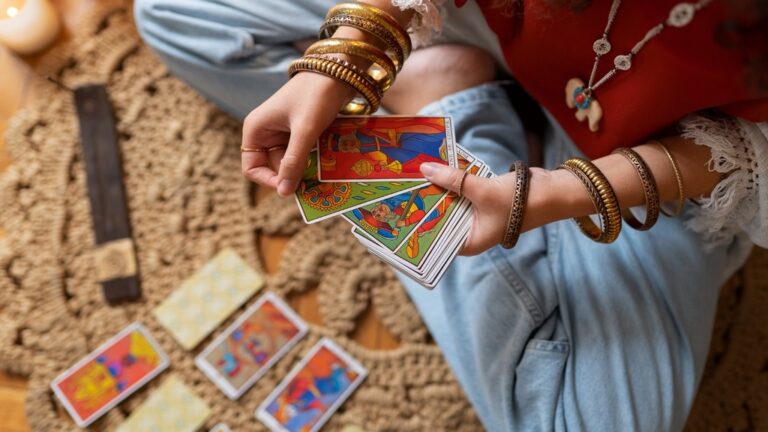
The minor arcana are a set of cards within the tarot deck that reflect concrete situations, emotions, and decisions that form part of everyday life. Through their symbols, they allow us to understand how internal processes manifest in actions, relationships, and real experiences.
In this article we explore what the minor arcana are, how they differ from the major arcana, and what the meaning of their main structures is.
Table of Contents
- What Are the Minor Arcana of Tarot?
- Differences Between Major and Minor Arcana
- Meaning of the Suits in the Minor Arcana
- General Meaning of the Cards in the Minor Arcana
- How to Interpret the Minor Arcana in a Reading
What Are the Minor Arcana of Tarot?
The minor arcana are a set of 56 cards within the tarot deck that focus on practical and concrete aspects of life. Unlike the major arcana, these cards reflect daily situations, emotional states, and decisions that arise in different contexts, showing how processes develop on the most immediate level.
They are organized into four suits: wands, cups, swords, and pentacles, each associated with a specific area of human experience. In turn, each suit is made up of numbered cards from the ace to the ten and court figures, which allows for interpretation of everything from initial impulses to the complete development of a situation with greater precision.
Differences Between Major and Minor Arcana
The tarot deck is divided into major and minor arcana, two groups that function in a complementary way within a reading. The major arcana are composed of 22 cards that represent deep processes of transformation, essential lessons, and key moments that mark important stages in life, pointing to internal changes and situations of great impact on personal and spiritual development.
On the other hand, the minor arcana focus on the immediate, on what happens day to day and builds everyday experience. They reflect relationships, challenges, thoughts, and emotions that, although they may seem simple, are fundamental for understanding the complete context of a spread and complementing the message of the major arcana.
In the series Mystery Teachings of the Tarot, available on Gaia, the symbolic meaning of each card is explored in depth, as well as how to interpret the minor arcana within a complete reading. This series shows how to integrate these messages into daily life, facilitating a clearer understanding of tarot as a tool for self-knowledge.
Meaning of the Suits in the Minor Arcana
The suits in the minor arcana represent different dimensions of human experience and allow the type of energy present in a reading to be classified. Each one — wands, cups, swords, and pentacles — is associated with a specific area, such as action, emotions, thought, or the material world, facilitating a clearer and more structured interpretation of the cards.
-
Wands: Energy, Action, and Purpose
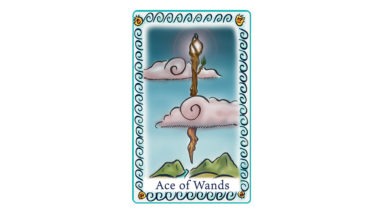
The suit of wands is linked to energy, initiative, and the motivation that drives action. These cards tend to appear when there are projects underway, ideas beginning to develop, or situations that require decision and focus to move forward with clarity. They represent the initial impulse and the force needed to set something in motion.
They are also related to personal purpose and the direction one chooses to follow at different moments in life. Wands reflect how internal energy is channeled toward concrete goals, showing both the initial enthusiasm and the challenges that may arise in sustaining commitment over time.
-
Cups: Emotions, Intuition, and Relationships
The suit of cups is associated with the emotional world, intuition, and the affective bonds built with other people. These cards speak of feelings, deep connections, and internal experiences, allowing us to understand how a person relates emotionally in different contexts.
In addition, cups reflect sensitivity and intuitive perception in the face of different life situations. They indicate processes of emotional opening, healing, or relationship dynamics, showing both states of harmony and possible imbalances in the emotional realm.
-
Swords: Mind, Conflict, and Truth
The suit of swords is related to thought, communication, and the mental processes that influence decision-making. These cards tend to appear in contexts where there is analysis, questioning, or a need for clarity, reflecting how situations are interpreted through logic and reason.
They are also associated with conflicts, tensions, and truths that must be faced, even when uncomfortable. Swords show both mental challenges and the capacity for discernment, pointing to the importance of seeing things objectively and acting with honesty in the face of reality.
-
Pentacles: Matter, Work, and Abundance
The suit of pentacles is linked to the material world, resources, work, and economic stability. These cards reflect how security is built in concrete life, including aspects such as money, profession, long-term projects, and the relationship with the tangible.
In addition, pentacles speak of the value of effort, consistency, and planning in achieving results. They represent processes of sustained growth and practical development, showing how concrete actions can generate stability, abundance, and well-being over time.
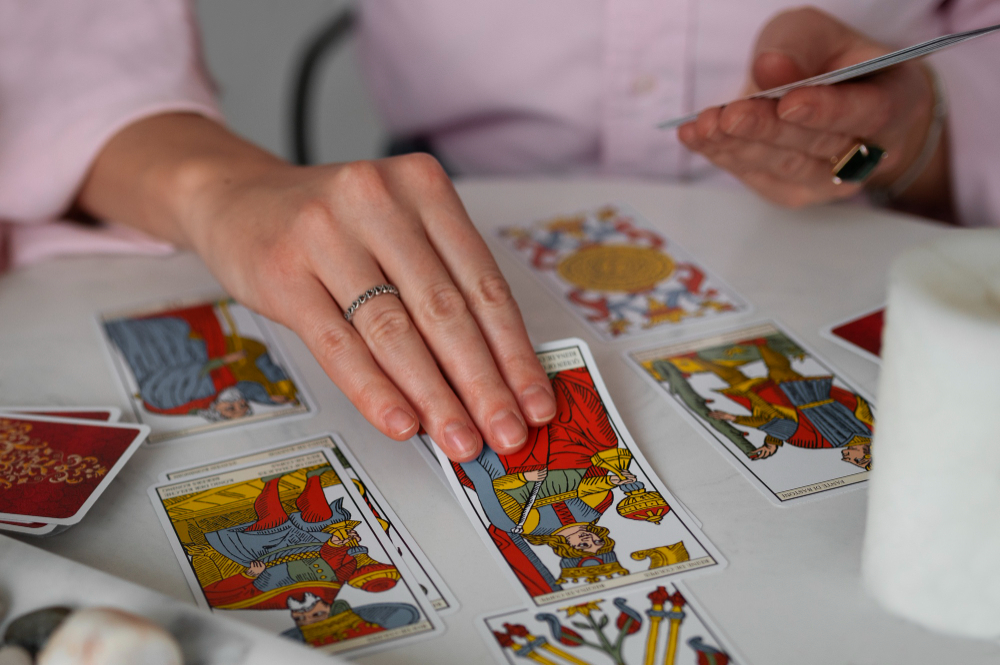
General Meaning of the Cards in the Minor Arcana
Just as the major arcana describe a journey of transformation through different stages, the minor arcana also present an evolutionary structure within each suit. Each series, from the ace to the ten, along with the court figures, shows how an energy develops from its initial appearance to its maturity and most complete expression.
This sequence allows the cards to be understood as part of a process in motion and not as isolated events. Through this logic, tarot offers a more precise reading of the moment being experienced, showing not only what is happening, but also where that situation is heading and what learning it implies within the process.
General Meaning of the Numbered Cards
The numbered cards of the minor arcana describe the progressive development of an energy within each suit, from its beginning to its culmination. Each number represents a specific stage that allows us to understand at what point a situation stands, showing evolution, challenges, and lessons throughout the process with greater clarity.
- Aces — beginnings, potential, and opportunities: They represent the start of a cycle and the emergence of new possibilities in a specific area of life. They indicate available energy that can develop if approached with intention and clarity.
- Twos — duality, choice, and balance: They reflect the need to make decisions and find balance between two forces or paths. They can also point to initial tensions that require adjustment and awareness to resolve.
- Threes — growth, expansion, and expression: They indicate development and first results after an initial stage, showing that energy is beginning to manifest. They are also associated with collaboration, creativity, and shared progress in different contexts.
- Fours — stability, structure, and pause: They represent moments of consolidation, order, and the search for security within a process. They can point to both stability and a certain rigidity, depending on the context in which they appear.
- Fives — change, tension, and learning: They express conflicts, challenges, or ruptures that force adaptation and growth. These cards invite one to move through discomfort as a necessary part of learning and transformation.
- Sixes — harmony, transition, and progress: They signal a stage of balance after difficulty, where stability begins to be restored. They also reflect movement toward a more favorable and conscious resolution.
- Sevens — reflection, challenge, and strategy: They indicate moments of internal evaluation and analysis before moving forward. They can also imply tests that require focus, strategy, and a greater taking of awareness.
- Eights — movement, mastery, and transformation: They represent sustained progress, continuous action, and the development of skills through practice. These cards show active advancement and changes that consolidate over time.
- Nines — culmination, maturity, and introspection: They signal the near closing of a cycle, accompanied by deep reflection and understanding. They also invite evaluation of what has been learned before moving on to a new stage.
- Tens — closure, integration, and a new cycle: They represent the culmination of a process and the integration of its results into experience. They often indicate the end of a stage that opens the way to a new beginning with greater clarity.
General Meaning of the Court Figures
The court figures in the minor arcana represent aspects of personality, attitudes, or ways of acting in the face of different situations. Unlike the numbered cards, which show processes, these cards tend to indicate how energy is expressed on a more conscious level, whether through a person, an internal attitude, or a specific way of facing reality.
- Pages — learning, curiosity, and messages: They represent the beginning of knowledge and openness to new experiences. They also indicate news, exploration, and a receptive attitude toward the unknown.
- Knights — action, pursuit, and movement: They reflect impulse, direction, and the need to move toward a concrete goal. These cards show active energy, though they can sometimes point to impulsiveness or a lack of reflection.
- Queens — intuition, maturity, and receptivity: They represent a more internal energy, associated with deep understanding and emotional or mental management. They indicate maturity, sensitivity, and a more conscious connection with one’s surroundings.
- Kings — authority, mastery, and leadership: They symbolize control, structure, and the capacity to direct situations with clarity. These cards reflect leadership, decision-making, and mastery over a specific area of life.
How to Interpret the Minor Arcana in a Reading
Interpreting the minor arcana requires observing both the individual meaning of each card and its place within the sequence of the suit. Understanding at what stage the energy stands — beginning, development, conflict, or closure — allows context to be given to the reading and avoids isolated or superficial interpretations.
It is also important to consider the interaction between cards and how they relate to one another within the spread. The minor arcana provide concrete details about situations, emotions, and decisions, helping to build a more complete and precise vision of what is happening.
Finally, an effective reading integrates the technical meaning of the cards with the intuition and experience of the reader. By combining structure, observation, and sensitivity, the minor arcana become a clear tool for understanding everyday processes and making decisions with greater awareness.