Paschimottanasana: Seated Forward Bend Pose
ADJUSTMENTS | BENEFITS | SEQUENCING | SANSKRIT | STEPS
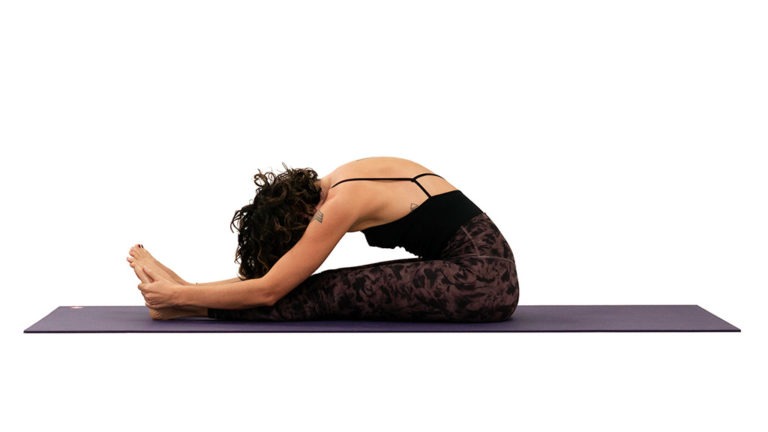
Paschimottanasana (POSH-ee-moh-tan-AHS-ah-nah) invites space to the hamstrings and lower back as well as the mind. While there’s no need to touch your toes in this pose, practicing regularly can help lengthen the muscles in the legs and back to encourage flexibility and ease.
Philosophy + Origin
Paschimottanasana is one of the earliest-known yoga postures, dating back to the Yoga Pradipika. This pose is commonly known as seated forward bend or seated forward fold, but is also referred to as the stretch of the West, referring to the back side of the body.
ADJUSTMENTS/MODIFICATIONS:
- Place a pillow, bolster, or chair under your forehead for a more restorative variation.
- Option to sit in a chair with legs extended, then hinge from the hips to move into an accessible variation of seated forward bend.
STEP-BY-STEP:
- Sit on the floor with your legs extended. Flex your feet so your toes are pointed up, then press through your heels to lengthen your legs.
- Extend your spine by lifting your sternum up and broadening across your collarbones.
- Hinge from your hips while keeping the front of your torso long and extended. Draw your tailbone back as your chest reaches forward toward your toes.
- Find more depth by continuing to lengthen the front body and encouraging the sternum forward. If moving toward the connection of forehead to shins, the progression is lower belly to thighs, then upper belly, then ribs and finally forehead to shins.
- Allow the breath to move fluidly with you in the pose, using each inhale to lengthen and each exhale to hinge deeper.
- Hold the pose for up to 3 minutes before slowly releasing back to seated.
PREPARATORY POSES:
- Staff pose | Dandasana
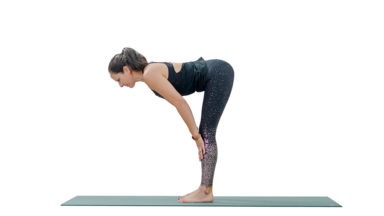
- Standing forward bend | Uttanasana
- Childs pose | Balasana
SEQUENTIAL POSES:
- Half lord of the fishes | Ardha matsyendrasana
- Head to knee pose | Janu sirsasana
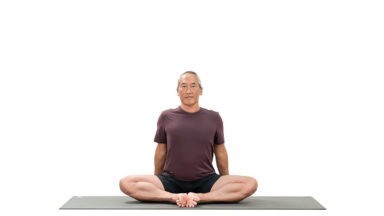
- Cobbler’s pose | Baddha konasana
COUNTER POSES:
- Corpse pose | Savasana
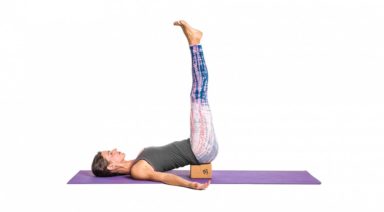
- Supported fish pose
- Spinal twist | Jathara parivartanasana
PHYSICAL BENEFITS:
- Stretches hamstrings, spine, and lower back.
- Thought to help relieve symptoms of PMS and menopause.
- Thought to ease insomnia.
SANSKRIT:
- Pashima = west
- Uttana = intense stretch
- Asana = pose
Legal Disclaimer Before participating in any exercise program or using any fitness products or services that may be described and/or made accessible in or through the Gaia Website and/or the Services, you should consult with a physician or other healthcare provider. Read more about Gaia’s Terms Of Use.

About the Author

Ardha Uttanasana: Half Standing Forward Bend
ADJUSTMENTS | BENEFITS | SEQUENCING | SANSKRIT | STEPS
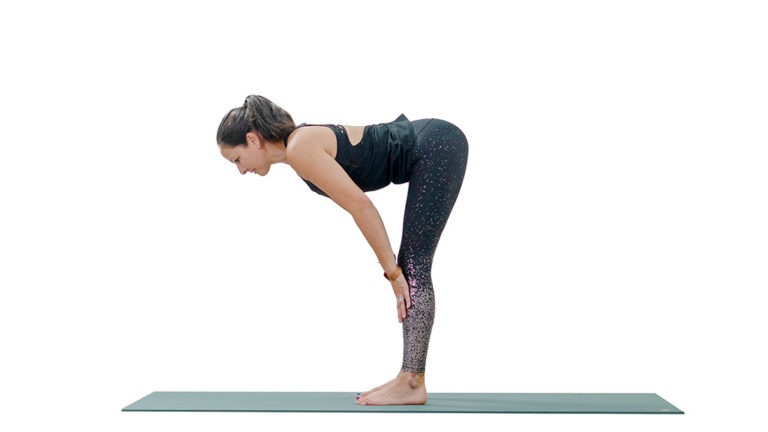
An effective stretch for your hamstrings and calves ardha uttanasana (ARE-dah OOT-tan-AHS-anna), is often used during vinyasa sequences to connect the breath as you flow from one posture to the next.
Philosophy + Origin
One of the reasons ardha uttanasana is used so much in vinyasa yoga classes is that it positions the body for chaturanga dandasana. Because it engages the navel and core, it’s a powerful pose for warming up the body, which is why it’s included in warm-up sequences. Despite its sometimes transitory nature, the pose also engages the navel chakra (manipura), which can bring the practitioner increased confidence and willpower.