Period Cravings Happen: PMS Friendly Foods to Eat and Why
We live in a world where the barometer for women’s health and what we consider “normal” is frequently based on how we compare to other people. This is especially true when it comes to menstrual symptoms such as period cravings. While these can comprise a broad range of symptoms, one of the more common concerns has to do with food.
Craving certain foods during one’s menstrual period is usually the body trying to tell you that you need something — usually nutrients to fuel your cells. Researcher Sara Twogood explained that PMS is linked to fluctuating estrogen levels, hormonal changes and how they affect “neurotransmitters,” or chemical messengers in the brain. These symptoms are related to the second half of the menstrual cycle, called the luteal phase, which starts with the egg at ovulation and ends when the menstrual period begins. PMS symptoms commonly resolve themselves around the third or fourth day of menstruation.
“Researchers have documented more than 150 different PMS symptoms in studies, ranging from physical to emotional to behavioral to cognitive. Food cravings are up there with the most commonly reported behavioral PMS symptoms, along with mood swings, irritability, anxiety and tension, and sad or depressed mood.”
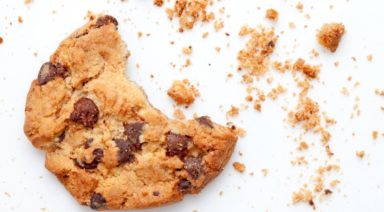
One study involving more than a thousand college students showed that 97 percent of women and 68 percent of men reported commonly having food cravings. Not surprisingly, chocolate is the most frequently reported food craved, especially among women. Females tend to think that their food cravings constitute a negative behavior, and surprisingly, only 32 percent of women in the study perceived that their cravings were linked to menstrual cycles
Why Women Turn to Food
Researchers have no concrete evidence pointing to why women crave food during their periods, but there are some interesting opinions from the experts. One idea is that women are unconsciously using food as pharmacological therapy. In other words, the body is signaling that something in the food will either suppress or stimulate a biochemical response that will compensate for the imbalances caused by a woman’s period.
Writing for the New York Times, Jen Gunter explained that “there are no good studies specifically addressing food cravings, but aerobic exercise, cognitive behavioral therapy, calcium supplementation, oral contraceptives, spironolactone, and some antidepressants are all potential therapies for PMS (and its symptoms).” While food cravings are not well understood, it is known that appetite and calorie intake increases during the luteal phase of the menstrual cycle, most likely due to the hormone progesterone, which increases after ovulation.
Reaching for carbohydrate foods may very well be linked to the fact that carbs increase serotonin levels. Serotonin is a neurotransmitter that contributes to a general sense of well-being and happiness.
Food cravings during a woman’s period are no doubt a call for physical and psychological comfort. Obviously, eating allays hunger and satisfies the mood, brain, stomach, and emotions, simply because it tastes good and eating seems to be a pleasant experience. Just thinking of food provides enough mental stimulation to head for the kitchen. Premenstrual Syndrome (or PMS) is unpleasant, and eating is pleasurable; it’s that simple.
What does your body need?
Aside from the emotional and mental reasons for craving foods, the body has some definite biochemical needs, requiring specific nutrients in times of physical demands:
Magnesium
A woman’s need for magnesium increases dramatically between ovulation and menstruation. Naturally, the body looks to replenish its stores by craving foods high in magnesium. Guess what is high in magnesium? Cocoa beans. No wonder so many women crave chocolate close to their periods! Unfortunately, the majority of processed chocolate has lost most of its natural magnesium content.
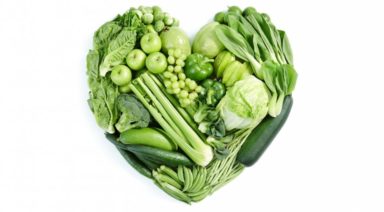
Choose dark chocolate that has been minimally processed or use your own organic unsweetened cocoa in smoothies and baking. Other foods that are high in magnesium are green vegetables and oats. Magnesium can decrease common menstrual symptoms like cramping, constipation, insomnia, headaches, water retention, anxiety, and sore/swollen breasts. If you experience those symptoms, you may find benefit from taking a magnesium supplement.
Sugar & Carbohydrates
Women’s caloric needs fluctuate throughout their cycles, meaning they need to eat more on some days than others. Menstruation is a time where women are not only shedding a lining of the uterus but also cleansing toxins and processing emotions that may have been ignored during the month prior. This requires a lot of energy, so many may find their hunger is increased premenstrually.
It is important to listen to your hunger signals and provide your body with the nourishment it needs. When hunger signals are ignored, they can turn into voracious sugar cravings! Always eat when you are hungry, stop when you are full, and make sure to consume enough protein and healthy fats during the week before your period to reduce sugar and carbohydrate cravings.
Salt & Water
The adrenal glands govern many hormonal reactions in the body. As female hormone levels change, the adrenal glands are at work, pulling on an array of minerals to function properly. And when there’s a mineral deficiency, the body craves salty foods. The type of salt you choose is crucial. Sea salt, sea vegetables, and water-rich vegetables are high in the full spectrum of minerals our body needs. Avoid refined salt, canned foods, and packaged goods, as these are high in refined salt and do not provide the minerals the body needs during menstruation.
Water
All humans need lots of water for minerals to move through the body and effectively be used in hormonal reactions. When dehydrated, we often crave salt, since an excess of it will trigger the kidneys to retain water in the body. But, too much refined salt can lead to water retention and a feeling of being bloated and swollen all over the body. As a rule, drink 6-10 glasses of water daily, and choose the healthy salty foods listed above when craving salt.
Foods that help with PMS
Cleveland Clinic doctors Linda Bradley, M.D. recommends 30 to 45 minutes of exercise, four to five days per week. She also suggests adjusting the diet to include a variety of fruits and vegetables, with a focus on leafy greens.
Vegetables such as kale, spinach, turnip greens, and Swiss chard contain iron and B vitamins to help combat fatigue and replace iron lost through menstrual bleeding. Drinking plenty of water fights bloating and helps with digestion. Eating foods like yogurt, milk, and cheese may reduce a variety of PMS symptoms. Vitamin D is also important, either through a supplement or by way of plenty of sunshine. Vitamin D is found in foods like sardines, oysters, and salmon.
What to Avoid
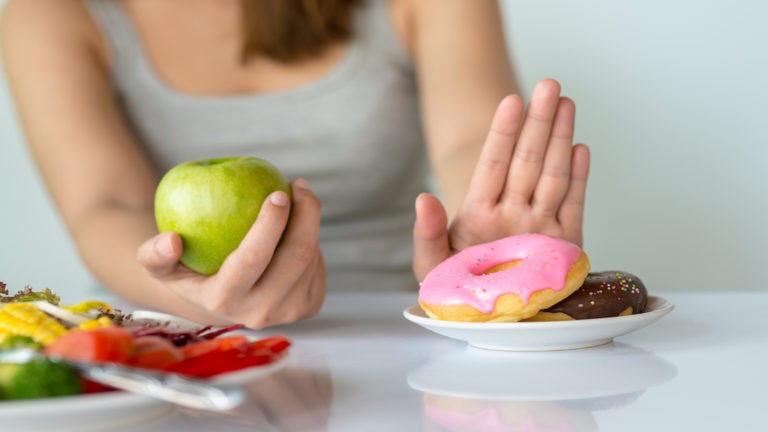
Alcohol and caffeine are two substances to stay away from during your period. Refined sugars are also a problem. Good, complex carbohydrates cause only a moderate rise in insulin levels, as opposed to refined carbs, such as candy, chocolate bars, or table sugar. Complex carbs can help stabilize your mood and keep your cravings under control, and examples are sweet potatoes, squash, pumpkin, lentils, potatoes, and unprocessed oats. Instead of reaching for a bag of chips or a candy bar, advises Dr. Bradley, snack on unsalted, raw nuts for omega-3 fatty acids. If you’re going to reach for carbs, eat complex carbs as a source of natural sugars and rich in fiber.
Finding Peace, Quiet, and Calm Makes a Difference
In our busy world, it is very tempting to pop a pain killer and push through menstrual symptoms without giving the body a chance to do what it needs to do. Periods demand a lot of energy, making it a good idea to focus on relaxation. Choose a restorative or meditative practice instead of vinyasa, even if it means just lying on the ground with your legs up the trunk of a large tree. Know that your body is doing amazing work, even when you’re still. And when it comes to cravings, just realize that they are completely normal. When you are having a craving, indulge it, but be kind to yourself and your body by making better choices.
Gaia's Top 10 Videos on Holistic Health and Lifestyle

How do you discover your own path of well-being and vitality to achieve optimal health? The road is different for everyone and is an enduring, life-long mission. We invite you to sit with experts, from various health-related fields, who share the fruits of their research on nutrition, supplements, dentistry, detoxing, and unlocking our full health potential. What you may discover could change every aspect of your life.
1. The Gut Movie
In The Gut Movie, we follow the journey of journalist and researcher Kale Brock as, in the quest to discover whether the “optimal microbiome” does indeed exist, he travels from Australia to Namibia to live with The San, an ancient hunter-gatherer people living traditionally from the land. During the excursion, Brock monitors his own microbiome and how it changes in conjunction with the new surroundings and takes microbiome samples of The San to gauge the significant differences in microbiota present across cultures.
With expert commentary by leading gastroenterologist Professor Thomas Borody, molecular geneticist Dr. Margie Smith, immunology researcher and expert Professor Mimi Tang, naturopath and chiropractor Dr. Damian Kristof and others, The Gut Movie provides an insightful yet entertaining look at the explosive research of the gut and its impact on human health.