The ‘Un-Cure’ for Cancer Revealed
Little does most of the world know that in 1981 a new, monumental science of medicine was discovered and put forth in a post-doctoral thesis to the University of Tübingen in Germany by the medical doctor Dr. med. Mag. theol. Ryke Geerd Hamer. This “new medicine” revealed that cancer cell growth serves a biological function that occurs in a highly predictable manner!
This explains why the war on cancer has failed. Cancer cannot be fought, battled or combated successfully when it is part of the body’s biological programming. German New Medicine (GNM), as this “new medicine” has been named since “New Medicine” was already a registered entity, proves why we have the cancer response and how best to deal with a cancer diagnosis.
In layman’s terms, here are the Five Biological Laws of GNM:
1st Law:
A specific type of “conflict shock” will give rise to a predictable simultaneous result in the brain and in the body. For example, fear that you or someone you care for will die is a “death fright conflict” which prompts lung cancer.
2nd Law:
Every “disease” or biologically-functional program, runs in 2 phases, providing there is a resolution to the initial conflict. This means there will be a “conflict active” phase and a “conflict resolution” or healing phase.
3rd Law:
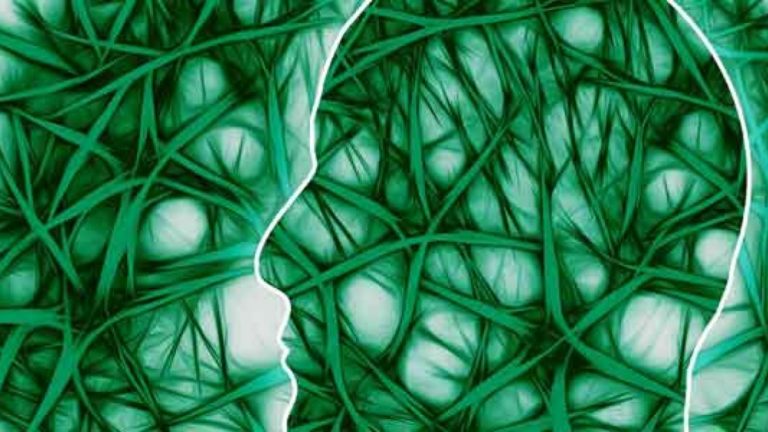
There is a distinct and predictable correlation between the organ affected and the response that occurs as part of the “disease” process. Certain organs and tissues of the body are controlled by the “old brain”, the cerebellum and brain stem. Others are controlled by the “new brain”, the cerebrum.
“Old brain” controlled tissues and organs produce cell growth, for example, a tumor, in the “conflict active” phase followed by cell or tissue loss in the healing phase. Alternatively, “new brain” controlled tissues and organs produce cell or tissue loss in the “conflict active” phase followed by cell growth in the healing phase.
4th Law:
The body creates and uses microbes such as fungi, bacteria and viruses in the “conflict resolution” phase to complete the healing, for example, tubercular bacteria breaks down a lung tumor.
5th Law:
Every “disease” is part of Significant Biologically Special (SBS) Program created to assist an organism, both humans and animals alike, in resolving a biological conflict. This author prefers to explain it as a “bio-emotional” conflict since it is at once both a biological and emotional conflict that sets the whole “disease” response moving. “Disease” is actually a misnomer. “Mother Nature” isn’t backfiring on us. She’s operating to help us.
Resolving the Cancer Response
When the above five laws are understood, it entirely changes the way we go about treating cancer. GNM isn’t suggesting we ignore cancer. It suggests we make sure to look at the environmental and psychological factors and resolve the issues that are creating the cancer response in the case of “old brain” controlled tissues and organs. It also purports, in the case of “new brain” controlled tissues and organs, that cancer be allowed to run its course as the cancer itself is repairing the body by replenishing lost cells.
The science and therapies of GNM provides us effective direction instead of the costly and sometimes deadly futility we see with current cancer treatments.
GNM is a solid science, not a flimsy theory. It has been verified numerous times by medical professionals worldwide and has never been disproven. Is it acceptable for us to carry on in a business-as-usual manner when we have this approach to treating cancer with a reputed 96% success rate?
About the Author

Stem Cells From One's Own Body Show Efficacy in Treating Pain
Stem cell therapy is still a relatively new concept that few understand, but it continues to garner a lot of support and promise — especially for medical problems that have traditionally been very difficult to treat. In his fascinating discussion with Open Minds host Regina Meredith, naturopathic doctor Harry Adelson N.D. reveals a new way to address pain by using stem cells as curative agents. This may come as a welcome idea for at least a fifth of the population, who suffer from chronic pain that affects quality of life, the ability to work, sleep patterns, and more.
According to the Mayo Clinic stem cells create other cells with specialized functions, and “[u]nder the right conditions in the body or a laboratory, stem cells divide to form more cells called daughter cells. These daughter cells either become new stem cells (self-renewal) or become specialized cells (differentiation) with a more specific function, such as blood cells, brain cells, heart muscle cells or bone cells. No other cell in the body has the natural ability to generate new cell types.”
Adelson, says treatment with stem cells can help treat musculoskeletal pain and increase energy using cells from one’s own bone marrow and fat to prompt regeneration. Citing his own use of stem cells on his road to recovery from injury and pain, Adelson says how regenerative therapy using biological tissues found in the human body can restore normalcy to someone living with pain and suffering.
One of the more exciting aspects of stem cell therapy is that each of us can create our own cells to heal ourselves. Emerging evidence suggests that adult stem cells can not only replicate, but also create various other types of cells. For example, bone marrow stem cells may be able to create bone or heart muscle cells.
Adelson is highly experienced when it comes to using stem cells for pain treatment, having performed numerous procedures using bone marrow combined with adipose (bodily fat) stem cells. He’s also injected more than a thousand intervertebral discs with stem cells.
Adelson’s excitement for stem cell therapy began with an accident as a young man, while rock climbing in the early 1990s. He was in naturopathic school at the time, when an injury to his shoulder set him off in a new direction, leading him to pursue an alternative to traditional surgery and injections for pain treatment. After receiving his naturopathic degree, Adelson discovered the potential of stem cell therapy.