The 12 Astrological Houses: Keys to Your Natal Chart
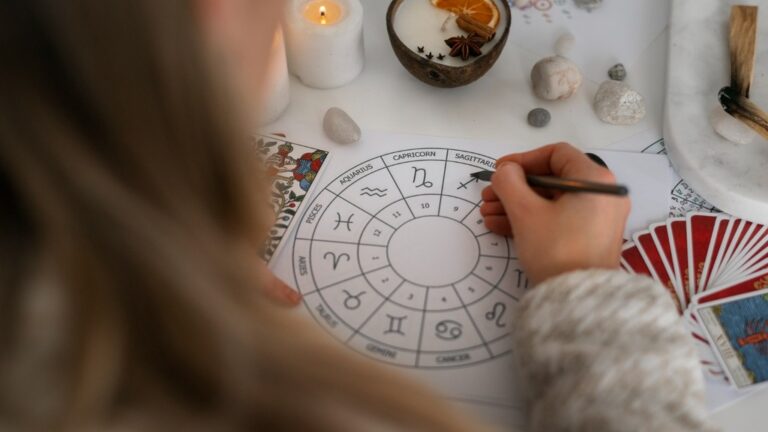
Astrology houses show how different areas of life are organized within your birth chart. Each one represents a specific realm, such as relationships, work, home, or personal purpose. In this article, we explore what the houses mean, how they are calculated, and why they are a key part of astrological interpretation.
Table of Contents
- What Are the Astrology Houses and How Are They Calculated?
- The 12 Zodiac Houses and Their Relationship With Your Life
- House 1: identity, appearance, and beginnings
- House 2: resources, values, and stability
- House 3: communication, environment, and learning
- House 4: home, roots, and emotional world
- House 5: creativity, romance, and self-expression
- House 6: health, routines, and service
- House 7: relationships, partnership, and projections
- House 8: transformation, sexuality, and power
- House 9: beliefs, expansion, and philosophy
- House 10: vocation, public image, and achievements
- House 11: friendships, networks, and collective vision
- House 12: unconscious, spirituality, and cycle closure
- How Do Planets Influence Each House?
- Empty Houses in the Birth Chart: Do They Have Meaning?
- How to Use the Knowledge of the Houses in Your Personal Path
What Are the Astrology Houses and How Are They Calculated?
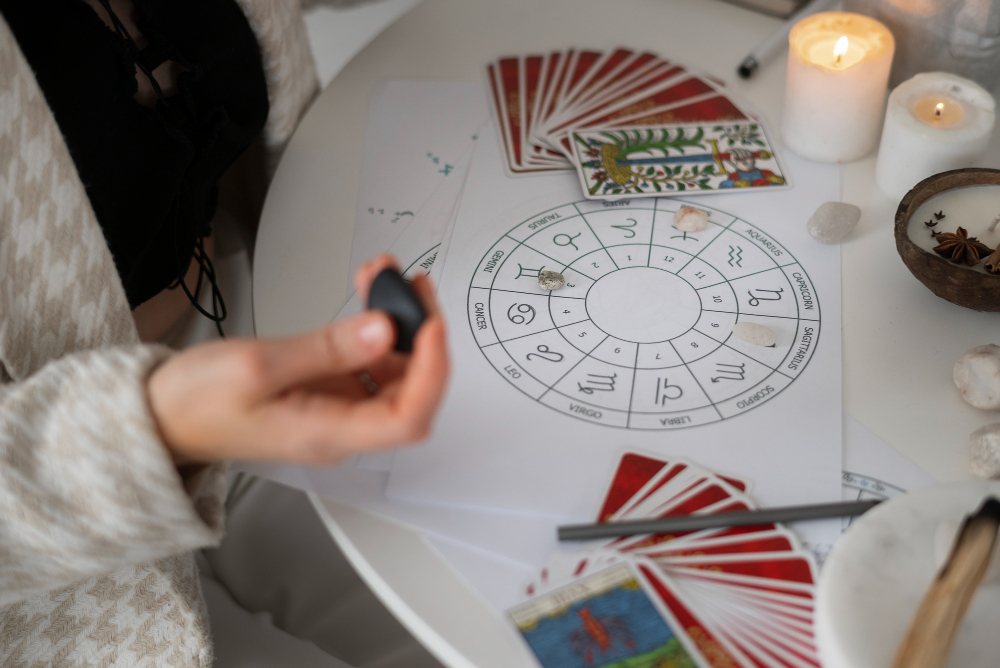
The astrology houses are twelve symbolic divisions used to interpret different aspects of life within a birth chart. Each house represents a specific area: from identity and resources to vocation or the inner world. Together, these houses form a kind of map that shows where energies manifest in your everyday experience.
To understand how the houses are distributed, you need to know your exact birth date, time, and place. This information allows the calculation of the Ascendant, which is the zodiac sign that was rising on the horizon at the moment of your birth and marks the beginning of the first house. From there, the twelve houses are drawn counterclockwise, covering all essential life themes.
The 12 Zodiac Houses and Their Relationship With Your Life
Each of the twelve houses represents a specific realm of experience. Some are related to external aspects, such as career or relationships, while others reveal internal dynamics, such as emotions or unconscious processes. By observing which planets and signs are present in each house, you gain a detailed view of how your energy is organized across different areas of life. Below, we explore the twelve houses one by one and what each represents:
-
House 1: identity, appearance, and beginnings
House 1 marks the beginning of the birth chart and is directly related to the Ascendant. It represents the way you present yourself to the world—your personal style, physical appearance, and the first impression you create on others. It also speaks to the energy with which you begin new cycles and how you face the unknown.
This house acts as a filter through which the entire chart is expressed. Its sign and the planets located there influence your attitude, your personality, and how others perceive your presence. It is a key area to understand your most visible identity and the initial drive with which you approach life.
-
House 2: resources, values, and stability
House 2 is associated with the material world and your relationship with the resources that allow you to build security. It speaks of the money you generate, your possessions, and the way you manage what you consider valuable. It also reflects your personal talents and how you use them to sustain yourself.
Beyond the economic, this house also shows what gives you stability and how you build a solid foundation in your life. The sign and planets located in House 2 provide information about your value system, self-esteem, and ability to generate abundance consistently.
-
House 3: communication, environment, and learning
House 3 represents the way you communicate, how you think, and how you process information. It is related to language, study, writing, and all kinds of mental exchange. It is also connected to siblings, close relationships, and daily movements.
This house describes your learning style and your ability to express yourself clearly. Its ruling sign and the planets within it show whether the mind is more analytical, intuitive, quick, or reflective. It also reveals how you interact with your immediate environment and how you construct your ideas about the world.
-
House 4: home, roots, and emotional world
House 4 represents the emotional foundations upon which you build your life. It is associated with the home of origin, family, childhood, and the bonds that shaped you at the deepest level. It also speaks of your inner world and what you need to feel safe and at peace.
This house functions as a kind of energetic root, marking what provides you with emotional stability. The sign and planets located in this area reveal your relationship with the past, with ancestry, and with the space you consider “home.” It also influences how you relate to your private life and your most intimate emotions.
-
House 5: creativity, romance, and self-expression
House 5 is related to pleasure, self-expression, and creative energy. This is the area where spontaneity, play, hobbies, and the need to enjoy life manifest. It also speaks of romance, flirting, and the way you express affection freely and genuinely.
Beyond playfulness, this house represents the capacity to create something of your own—from a work of art to a project or even children. The sign and planets in House 5 show how you experience desire, your connection to inspiration, and how you share what you love with the world.
-
House 6: health, routines, and service
House 6 is linked to the organization of daily life. It speaks about your habits, routines, relationship with everyday work, and care of the physical body. It also shows how you manage responsibilities and your willingness to be of service to others.
This house reflects your connection with order, discipline, and processes of continuous improvement. The sign and planets located here indicate how you approach health matters, how you respond to stress, and what kinds of tasks help you find balance. It is a key area to understand how to transform small details into something meaningful.
-
House 7: relationships, partnership, and projections
House 7 represents the world of conscious bonds, especially one-on-one relationships, such as partnerships, marriage, or associations. It shows the type of people you attract and those with whom you tend to form meaningful connections. It also reveals what you seek in another person to achieve balance and complementarity.
Additionally, this house acts like a mirror: what you project onto others often reflects parts of yourself that you are learning to integrate. The sign and planets that inhabit House 7 provide information about how you love, your lessons in partnership, and how you evolve through encounters with others.
-
House 8: transformation, sexuality, and power
House 8 is associated with processes of deep change, crises that transform, and the ability to be reborn. It is an intense house, connected with themes such as sexuality, symbolic death, detachment, and regeneration. It is also linked to shared resources, such as inheritances or joint assets.
Here lies the energy that drives you to release what no longer serves in order to make room for a more authentic version of yourself. The sign and planets located in this house reveal how you go through transformation, how you handle personal power, and how you connect with emotional and physical intimacy.
-
House 9: beliefs, expansion, and philosophy
House 9 represents the desire to go beyond what is known. It is linked to long journeys, contact with other cultures, higher studies, and spiritual exploration. It also speaks of the belief system that guides your decisions and your way of interpreting the world.
This house encourages exploration, questioning, and finding meaning. The sign and planets located in this area show how you experience deep learning, your relationship with mental freedom, and your openness to new horizons of consciousness.
-
House 10: vocation, public image, and achievements
House 10 represents your place in the world, vocation, and how you wish to be recognized by others. It is related to professional projection, long-term achievements, and the path you choose to leave a mark. It also shows your relationship with authority figures and how you assume responsibilities.
This house indicates the type of structure that allows you to advance and grow socially. The sign and planets located here speak of your style in reaching goals, your way of exercising leadership, and the role you are called to play in the collective.
-
House 11: friendships, networks, and collective vision
House 11 is associated with groups, social causes, and shared ideals. It reflects how you connect with communities, friends, and projects that go beyond the personal. It also shows your openness to what is new, different, and to ideas that aim to transform reality.
This house is connected with the vision of the future and your ability to collaborate with others. The ruling sign and the planets present here reveal how you build networks, the kinds of environments that stimulate your growth, and the role you play in collective spaces.
-
House 12: unconscious, spirituality, and cycle closure
House 12 represents the invisible, what is not always seen but has a profound influence. It is linked to the inner world, the unconscious, memories of past lives, and the connection with spirituality. It also speaks of cycle endings, introspection, and the bond with silence.
This house invites you to look inward and connect with the most subtle dimension of being. The sign and planets located here provide clues about your internal processes, emotional sensitivity, and the spiritual tools you can integrate to heal and evolve.

How Do Planets Influence Each House?
Planets act as activating energies within the astrology houses. When a planet is located in a house, it brings its symbolism and movement to that specific area of life. Its presence intensifies certain themes and marks key experiences related to that planet.
For example, Mars in House 7 may indicate intense relationships and a direct style in partnerships, while Venus in House 2 enhances the connection with pleasure, values, and the generation of resources. The combination of planet, house, and sign creates a unique language in every birth chart.
Understanding which planets are in each house helps to identify where your energy is concentrated, what your challenges are, and which natural resources you can develop. This reading provides a more complete view of your personal map and allows you to consciously accompany your evolutionary process.
Empty Houses in the Birth Chart: Do They Have Meaning?
An empty house, meaning one without planets inside, does not mean that this area of life is blocked or unimportant. It simply indicates that the energy is not concentrated there directly. However, that house is still active through the sign that rules it and the planet governing that sign.
For example, if House 4 is empty but begins in Cancer, you can look at the position of the Moon—the ruler of Cancer—in another part of the chart to interpret how issues of home and emotional life manifest. The analysis is still possible; it just unfolds through other connections within the map.
Empty houses often represent areas of life that develop with more ease or that don’t require as much conscious attention at first. Over time, these areas may be activated through planetary transits, personal growth, or external experiences that awaken their potential.
How to Use the Knowledge of the Houses in Your Personal Path
Exploring the meaning of the astrology houses allows you to view life from a broader perspective. By understanding how your energy is organized in each area, you can make decisions more aligned with your essence and respond more clearly to what each stage of life asks of you.
This knowledge not only helps identify talents or challenges but also to recognize cycles, release conditioning, and connect with a deeper purpose. The houses provide a map that guides your inner development and helps you understand why certain themes repeat or emerge strongly at specific moments.
Integrating this information is a way of living with greater awareness, responsibility, and coherence. The houses do not predict your destiny, but they show you the terrain you are working on. With that clarity, it becomes possible to walk with more confidence toward the most authentic version of yourself.
About the Author

Understanding Zodiac Sign Elements
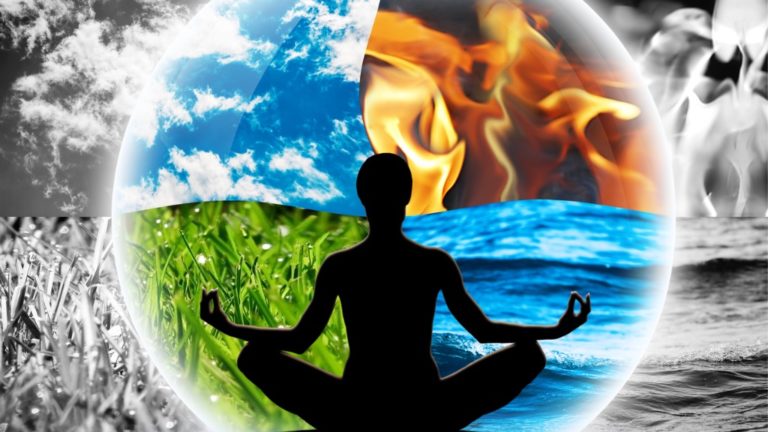
According to Western astrology, the universe is shaped by four primary elements: Earth, Air, Fire, and Water. Here’s a quick look at their core traits:
- Earth: grounded, practical, reliable, nurturing, loyal, logical
- Air: intellectual, communicative, curious, social
- Fire: passionate, energetic, enthusiastic, courageous
- Water: emotional, intuitive, empathetic, nurturing
These elements symbolize different modalities of existence and have a strong influence on each astrological sign. None of the elements is intrinsically good or bad; each has advantages and disadvantages.
Your personality is complex, making self-assessment difficult. Understanding your sun sign element can provide clarity, allowing you to identify your strengths, flaws, and how you interact with others. The signs of the zodiac are each ruled by one of these elements, which shape their essential characteristics and relationships.
Identifying your dominant aspect might help you gain a better sense of functionality in relationships, employment, and self-development. This knowledge promotes emotional depth and personal development.