The 7 Chakras: Their Characteristics and How to Balance Them

Chakras are energy centers in the human body that regulate various aspects of our physical, emotional, and spiritual health. These energy centers play an important role in maintaining overall balance and well-being. In this article, we explore what chakras are, how many there are in the body, and how to keep them balanced.
Table of Contents
- What Are Chakras?
- How Many Chakras Are There in the Body?
- The 7 Main Chakras and Their Meanings
- How to Recognize When My Chakras Are Blocked?
- 7 Practices to Align the Chakras
What Are Chakras?
Chakras are energetic vortices located at different points of the human body. The word “chakra” comes from Sanskrit and means “wheel” or “circle.” These energy centers regulate the flow of vital energy, known as prana, throughout the body, influencing physical, emotional, and spiritual health.
Each chakra is associated with different aspects of life, such as emotions, sexuality, and creativity, spirituality, and physical health. The classical texts of Yoga describe the chakras as spinning wheels of energy, each with a specific element, color, and sound. These characteristics work together to maintain energetic balance in the body, fostering overall well-being.
Chakras act as bridges between the physical, astral, and causal bodies. They transform energy and distribute it through the body via the nadis, or energy channels. Keeping the chakras open and balanced is essential for our health and overall well-being, allowing vital energy to flow freely.
How Many Chakras Are There in the Body?
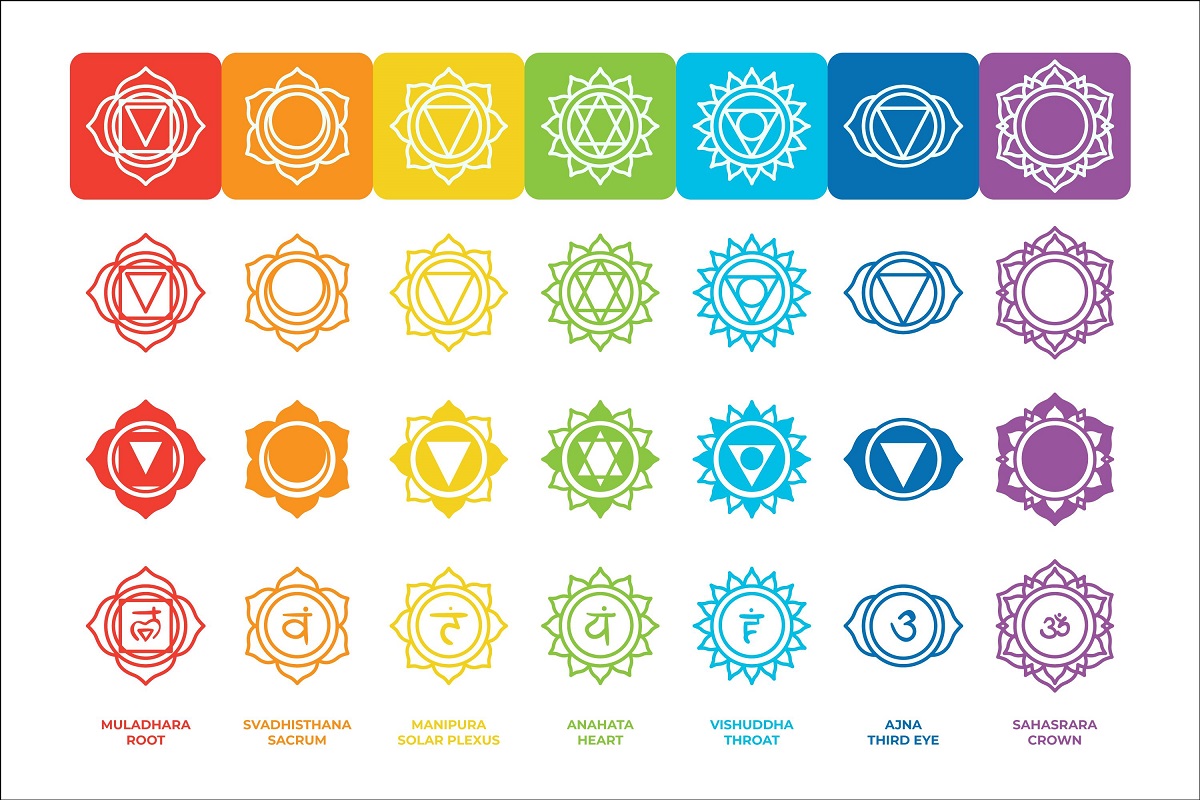
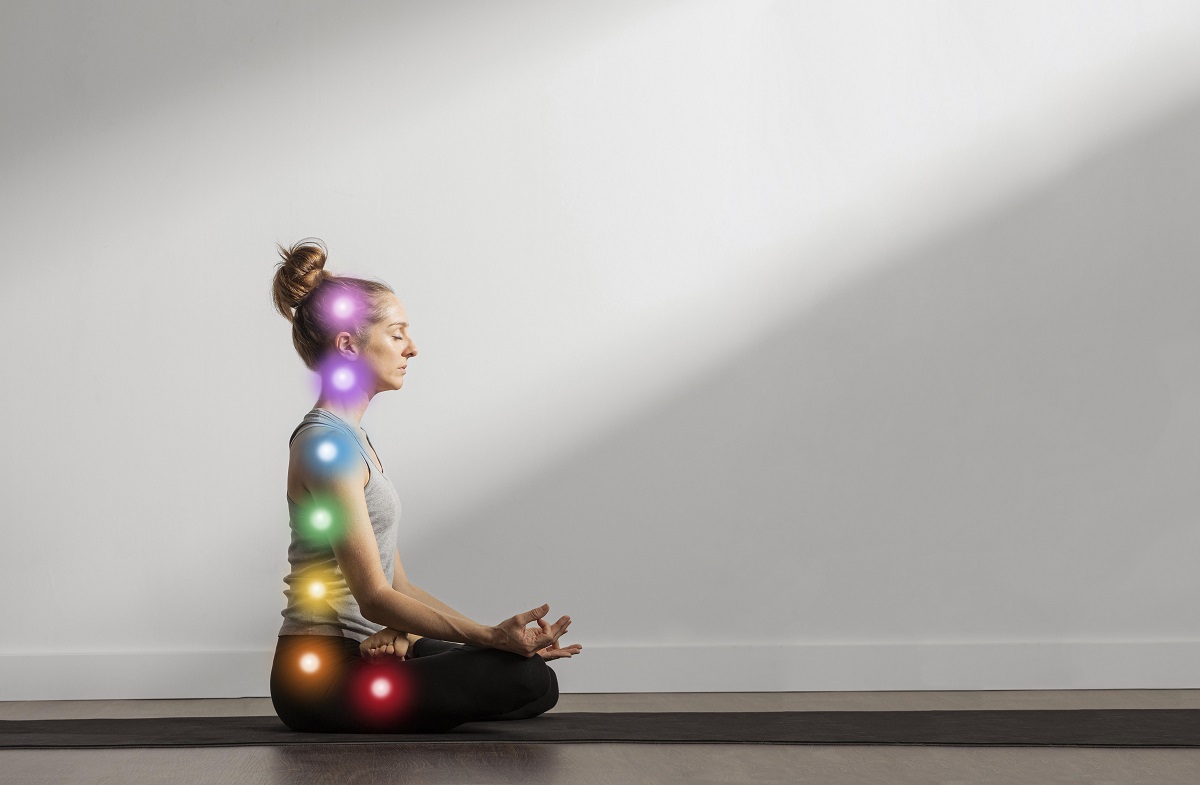
In the human body, there are seven main chakras located along the spine and up to the crown of the head. Each of these chakras plays a specific role in our overall well-being:
- First chakra: Root chakra (Muladhara)
- Second chakra: Sacral chakra (Swadhisthana)
- Third chakra: Solar plexus chakra (Manipura)
- Fourth chakra: Heart chakra (Anahata)
- Fifth chakra: Throat chakra (Vishuddha)
- Sixth chakra: Third eye chakra (Ajna)
- Seventh chakra: Crown chakra (Sahasrara)
The 7 Main Chakras and Their Meanings
The seven main chakras are connected to different areas of our body and affect our physical, emotional, and spiritual health. Each chakra plays a specific role in maintaining energetic balance within us. Understanding these chakras and their meanings helps us improve our overall well-being.
Root Chakra (Muladhara)
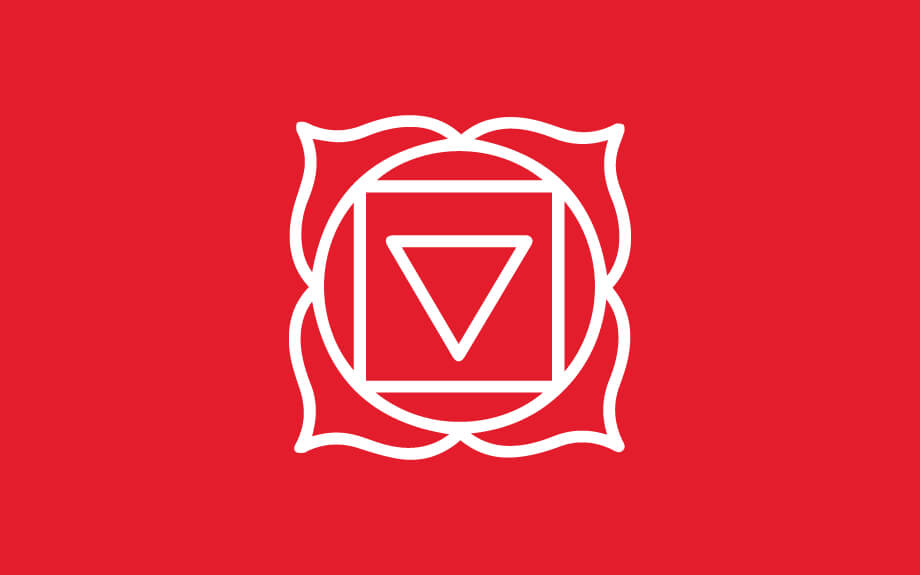
The root chakra, known as Muladhara in Sanskrit, is located at the base of the spine. This chakra is associated with survival, safety, and basic needs such as food and shelter. When the root chakra is balanced, we feel safe and connected to the earth, able to face daily challenges with confidence and stability.
Muladhara is the foundation upon which the balance of the other chakras is built. This chakra is very important for our physical and emotional stability. Practices such as meditation and connecting with nature can help keep the root chakra in harmony.
To activate and balance Muladhara, various tools and practices are used, such as specific crystals and essential oils. These tools help channel energy to the chakra, promoting its harmonization and opening. Knowing and using these elements can be a great help in our journey toward overall well-being.
- Location: in the perineum, between the anus and the genitals.
- Sound: lam.
- Element: earth.
- Colors: red activates it, green calms it.
- Crystals: all red stones (garnet, red jasper, obsidian, smoky quartz).
- Essential oils: patchouli, cedar, clove.
Sacral Chakra (Swadhisthana)
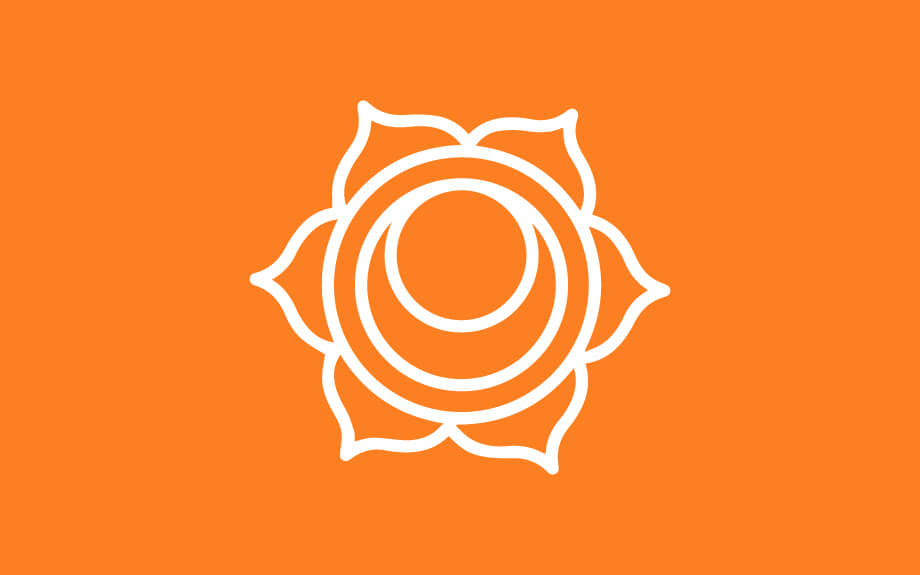
The sacral chakra, known as Swadhisthana in Sanskrit, is located in the tailbone region, just below the navel. This chakra is related to emotions, sexuality, and creativity. Swadhisthana influences our ability to experience pleasure and our emotional interactions with others.
This chakra is also linked to passion and our ability to adapt to change. A balanced Swadhisthana allows us to express our emotions freely and enjoy a healthy sex life. When it is in harmony, it fosters creativity and the ability to fully enjoy life.
To balance the sacral chakra, various practices can be used, such as dancing, art, and meditation focused on emotions. These activities help to unlock and channel creative and emotional energy, allowing it to flow freely.
- Location: just below the navel.
- Sound: vam.
- Element: water.
- Colors: orange activates it, blue calms it.
- Crystals: carnelian, moonstone, amber.
- Essential oils: sandalwood, ylang-ylang, orange.
Solar Plexus Chakra (Manipura)
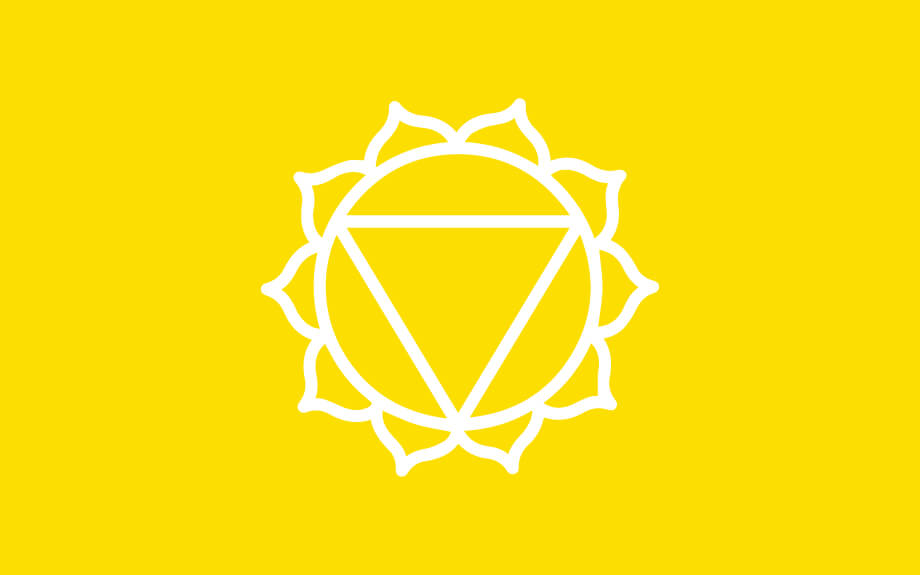
The solar plexus chakra, known as Manipura, is located in the navel area and governs the solar plexus. This chakra is related to vital energy, personal power, and will. Manipura is the center of our self-esteem and self-confidence.
When the solar plexus chakra is balanced, we feel confident in our abilities and are able to make decisions with determination. The energy of Manipura helps us set clear goals and pursue our dreams with vigor and enthusiasm. It also promotes healthy digestion and metabolism.
The balance of Manipura can be achieved through practices such as breathing exercises, positive affirmations, and physical activities that strengthen the core. These practices help activate the inner fire and maintain strong self-esteem.
- Location: navel area.
- Sound: ram.
- Element: fire.
- Colors: yellow activates it, blue calms it.
- Crystals: citrine, topaz, tiger’s eye.
- Essential oils: lemon, rosemary, ginger.
Heart Chakra (Anahata)
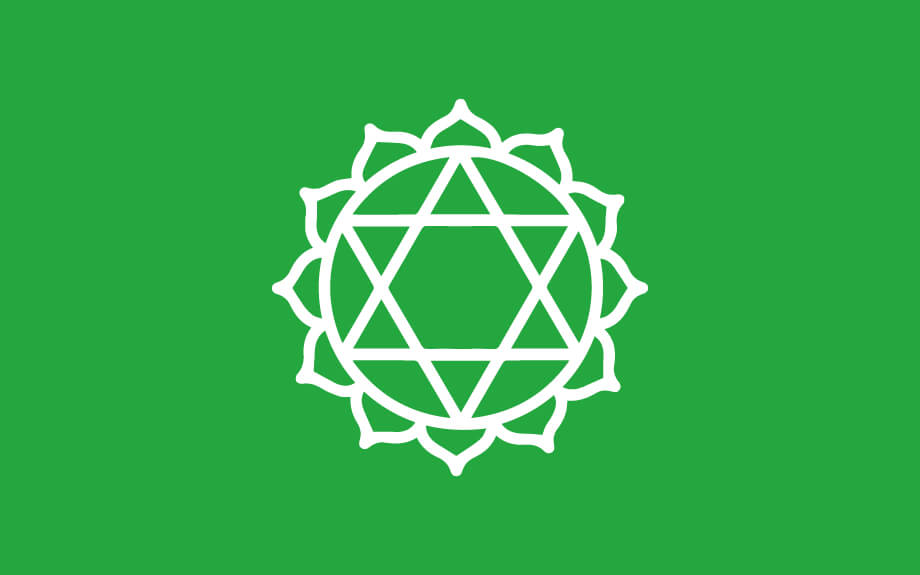
The heart chakra, known as Anahata in Sanskrit, is located at the level of the heart, in the cardiac plexus. This chakra is related to love, compassion, and empathy. Anahata is the center of our highest emotions, such as unconditional love and the ability to forgive.
A balanced heart chakra allows us to love and accept others and ourselves unconditionally. It also facilitates emotional healing and the ability to maintain healthy and harmonious relationships. The energy of Anahata promotes inner peace and emotional balance.
To activate and balance Anahata, it is recommended to practice forgiveness, heart meditation, and the use of specific crystals and essential oils. These practices help to open the heart and foster a greater connection with others.
- Location: at the level of the heart.
- Sound: yam.
- Element: air.
- Colors: green activates it, pink calms it.
- Crystals: rose quartz, jade, emerald.
- Essential oils: rose, lavender, bergamot.
Throat Chakra (Vishuddha)
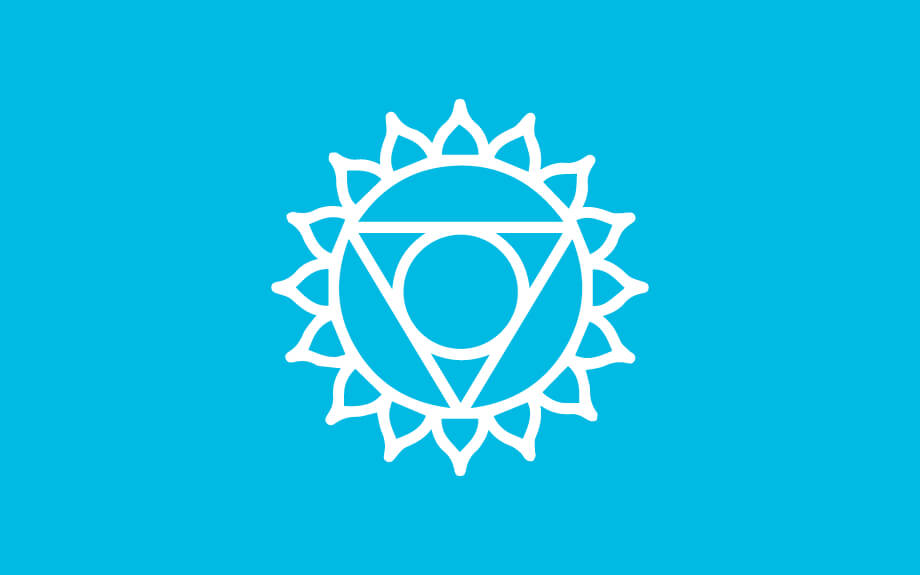
The throat chakra, known as Vishuddha in Sanskrit, is located behind the throat. This chakra is related to communication, expression, and authenticity. Vishuddha is the center of our ability to express our ideas and feelings clearly and effectively.
When the throat chakra is balanced, we are able to communicate with confidence and clarity. This chakra also influences our ability to listen and understand others. A harmonious Vishuddha promotes sincerity and authenticity in our relationships and self-expression.
To balance Vishuddha, practices such as singing, writing, and throat-focused meditation can be used. These activities help to unblock and channel energy toward open and sincere communication.
- Location: behind the throat.
- Sound: ham.
- Element: ether.
- Colors: blue activates it, white calms it.
- Crystals: aquamarine, lapis lazuli, turquoise.
- Essential oils: eucalyptus, mint, sage.
Third Eye Chakra (Ajna)

The third eye chakra, known as Ajna in Sanskrit, is located in the area between the eyebrows. This chakra is related to intuition, perception, and inner wisdom. Ajna is the center of our ability to see beyond the obvious and connect with our inner wisdom.
When the third eye chakra is balanced, we trust our intuition and are able to see life from a broader perspective. This chakra also facilitates concentration and mental clarity. A harmonious Ajna promotes the ability to visualize and manifest our goals and dreams.
To balance Ajna, it is recommended to practice meditation, visualization, and the use of specific crystals and essential oils. These practices help activate intuition and foster a deeper connection with our inner mind.
- Location: between the eyebrows.
- Sound: om.
- Colors: indigo activates it, yellow calms it.
- Crystals: amethyst, lapis lazuli, sodalite.
- Essential oils: frankincense, myrrh, juniper.
Crown Chakra (Sahasrara)

The crown chakra, known as Sahasrara in Sanskrit, is located above the crown of the head. This chakra is related to spirituality and connection with the divine. Sahasrara is the center of our spiritual connection and our understanding of the universe.
When the crown chakra is balanced, we experience a deep sense of peace and connection with the divine. This chakra also facilitates enlightenment and the expansion of consciousness. A harmonious Sahasrara allows us to transcend worldly concerns and experience a sense of unity with the universe.
To balance Sahasrara, it is recommended to practice meditation, yoga, and other spiritual practices that connect us with our divine essence. These activities help to open and activate this chakra, promoting a greater spiritual connection.
- Location: above the crown of the head.
- Sound: silence.
- Colors: violet activates it, gold calms it.
- Crystals: clear quartz, amethyst, diamond.
- Essential oils: lotus, frankincense, sandalwood.
How to Recognize When My Chakras Are Blocked?
Recognizing if your chakras are blocked is essential to maintaining energetic balance and overall well-being. Blockages in the chakras can manifest in various aspects of physical, emotional, and spiritual health. Below, we describe common signs that may indicate possible blockages in the chakras:
- Recurring physical problems: Unexplained aches, chronic illnesses, or a constant feeling of fatigue can be indicative of blockages in your chakras. Each chakra is associated with different parts of the body and their functions.
- Lack of concentration: You have difficulty focusing and maintaining attention on everyday tasks. This can reflect an imbalance in the upper chakras, affecting your mental clarity.
- Low self-esteem: You experience persistent feelings of insecurity and doubt about your abilities. Self-confidence and self-acceptance may be compromised, indicating a blockage in the lower chakras.
- Difficulty communicating: You find it hard to express your thoughts and emotions clearly and effectively. This can be a sign of a blockage in the throat chakra, affecting your ability to communicate.
- Spiritual disconnection: You feel a lack of purpose or meaning in life and find it hard to connect with your spirituality. The upper chakras, especially the crown chakra, may be blocked, preventing a deep connection with the divine.
- Problems in relationships: You encounter difficulties maintaining healthy and balanced relationships. Empathy, compassion, and the ability to give and receive love may be compromised, indicating blockages in the heart chakra.
7 Practices to Align the Chakras
Aligning the chakras is essential for maintaining a balanced energy flow in the body and promoting overall well-being. There are various practices that can help you harmonize these energy centers and improve your physical, emotional, and spiritual health. Below, we explore seven effective methods to align the chakras and maintain optimal energetic balance.
-
Meditation
Meditation is a powerful practice for aligning the chakras, as it helps to center and balance the mind and body. Regular meditation, focusing on each chakra and visualizing its energy flowing freely, can help unblock and harmonize these energy centers. Guided meditation specific to each chakra can also be very beneficial.
-
Yoga
Yoga is another effective tool for aligning the chakras, combining physical postures, breathwork, and meditation. Different asanas or yoga postures are designed to open and balance each chakra, promoting a healthy energy flow. Practicing yoga regularly helps maintain physical flexibility and energetic balance.
-
Reiki
Reiki is an energetic healing technique that can balance the chakras by channeling universal energy through the practitioner’s hands. During a Reiki session, the practitioner directs energy to the blocked chakras, helping to restore their balance and promote healing. This practice is gentle and non-invasive.
-
Nutrition
Consuming foods that correspond to the colors of the chakras can help maintain their energy in harmony. For example, red foods for the root chakra or green foods for the heart chakra can strengthen and balance these energy centers.
-
Physical Exercise
Regular physical exercise is essential to keep the chakras balanced. Activities such as walking, swimming, or dancing can stimulate the flow of energy throughout the body. Staying physically active helps release energetic blockages, promoting overall balance in the chakra system.
-
Crystals
Crystals are natural tools that can be used to balance the chakras. Each crystal has specific properties that resonate with different chakras. Placing crystals corresponding to each chakra on the body during meditation or carrying them with you can help harmonize and activate these energy centers.
-
Aromatherapy
Aromatherapy uses essential oils to balance the chakras through the sense of smell. Inhaling essential oils or applying them to specific points on the body can positively influence the state of the chakras. Each essential oil has properties that can help open and balance the chakras, promoting physical and emotional well-being.
About the Author

What Numerology Is and What It Can Reveal About You
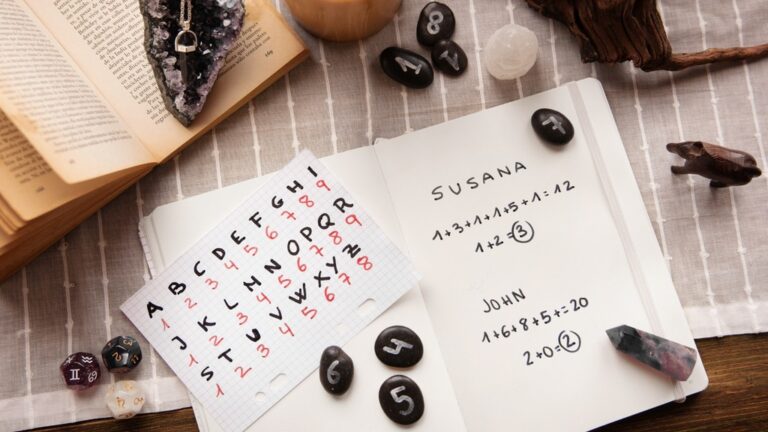
Numerology is a discipline that interprets the meaning of the numbers associated with your birth date and your full name. To do this, it converts letters into numerical values and performs calculations that make it possible to identify key numbers. From these, it is possible to analyze specific aspects of your life, such as your personality, your tendencies, and the stages that repeat over time.
In this article, we explore what numerology is, how it works, and why it is used as a tool for self-knowledge.
Table of Contents
- What Is Numerology and What Is It Used For?
- What You Can Discover Through Numerology
- What Does a Numerology Reading Consist Of?
- Basic Principles of Numerology
- History and Evolution of Numerology
- Numerology as a Tool for Self-Knowledge
What Is Numerology and What Is It Used For?
Numerology is a system that translates your birth date and your full name into numbers with specific meanings. To do this, it assigns a numerical value to each letter and then reduces the figures until reaching simpler numbers, which are the ones that are interpreted.
Based on these results, a reading is constructed that allows you to understand how you think, what motivates you, what your strengths are, and which challenges tend to repeat throughout your life. This information offers a clear framework for observing your experiences and understanding certain personal patterns from another perspective.
In this sense, numerology is used as a tool for self-knowledge. It does not seek to predict the future or provide definitive answers, but rather to help you observe your life more clearly, recognize patterns, and make decisions more consciously.
What You Can Discover Through Numerology
A numerology reading helps you understand your life from a broader and more organized perspective. Instead of seeing your experiences as isolated events, it allows you to identify connections between your way of thinking, your decisions, and the situations that repeat over time. This helps you understand why you react in certain ways and which dynamics influence your daily life.
As you go deeper into this interpretation, you begin to recognize patterns that may previously have gone unnoticed. Numerology organizes that information and presents it clearly, allowing you to make sense of different moments in your life and better understand the processes you are going through.
- Personality and character traits: It allows you to recognize which characteristics define the way you act and respond in different situations. It also helps identify patterns that repeat in your everyday behavior.
- Life purpose and personal path: It points to the general direction of your development and the lessons that appear over time. It functions as a guide to understanding where you naturally tend to move forward.
- Relationships and compatibility: It analyzes the way you connect with other people and which dynamics tend to repeat in your relationships. This brings clarity to both personal and professional connections.
- Life cycles and key moments: It allows you to identify stages in which certain themes become more important. This helps you understand changes, decisions, and processes from a broader perspective.
- Personal challenges and lessons: It identifies difficulties that appear repeatedly and that are part of your process. Understanding them makes it easier to face them with greater clarity.
What Does a Numerology Reading Consist Of?
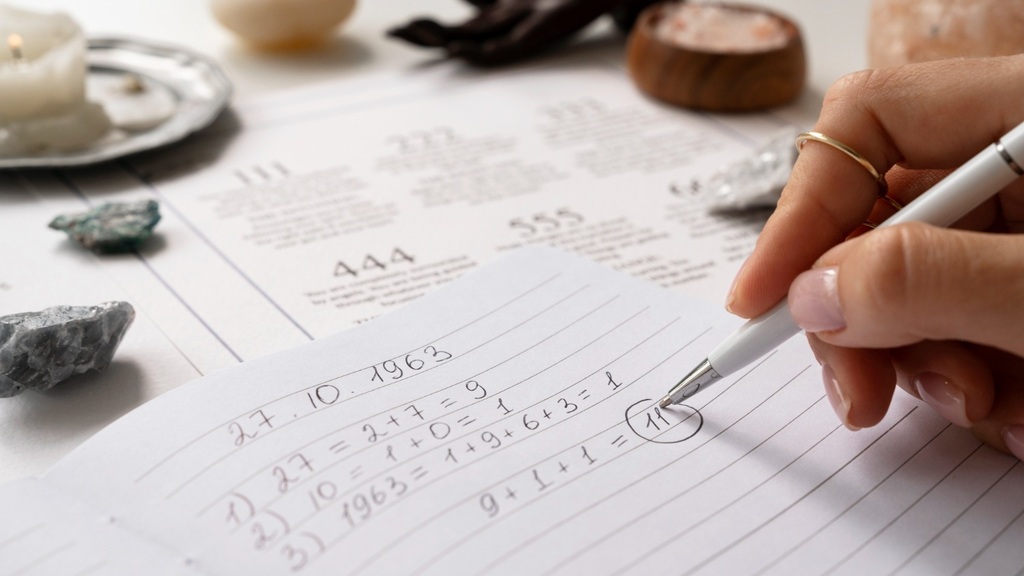
A numerology reading is based on the creation of a numerology chart, which is a report in which all the numbers obtained from your full name and your birth date are organized. This chart does not analyze the numbers separately, but instead integrates them to show how they relate to one another.
By observing the chart as a whole, it is possible to identify which aspects have the greatest influence on your life, how they relate to each other, and which dynamics are most active in your current moment. This makes it possible to obtain a more structured view of your personality, your motivations, and your processes.
Within this chart, there are certain numbers that function as the main axes of interpretation:
- Life number: It represents the general direction of your journey and the main lessons that appear over time. It allows you to understand the type of path you are following.
- Soul number: It is related to your inner motivations and to what gives meaning to your life on a personal level. It reflects a more intimate part of yourself that is not always visible to others.
- Personality number: It shows the image you project and how you are usually perceived in different environments. It influences the way you relate to other people.
- Destiny or expression number: It indicates your abilities, talents, and possibilities for growth. It points to the ways in which you can move forward and make the most of your resources.
- Personal year: It describes the predominant energy of the current period. It helps explain why certain themes or experiences have a stronger presence at this moment.
Basic Principles of Numerology
Numerology is based on the idea that numbers can be used as a language to interpret reality. Beyond their practical use, each number represents a specific quality that helps describe tendencies, behaviors, and ways of experiencing different situations. From this perspective, numbers become a useful tool for organizing and making sense of what happens in personal life.
This system is based on the notion that there is an order that structures both the universe and the human experience. Numerology takes this principle and applies it to the individual, using the numbers that arise from your personal data to identify patterns that are not always obvious at first glance, but that influence how certain processes unfold.
From there, numbers are interpreted within a symbolic framework that gives them meaning. Each one is associated with specific characteristics that, when analyzed together, make it possible to build a clearer understanding of different aspects of life. This approach does not seek to simplify experience, but rather to offer a structure that helps make sense of it with greater coherence and depth.
In the Numerology episode of the series The Other Side, available on Gaia, it is explored how numbers and their patterns have been used in different traditions to interpret reality and understand the human experience. Far from being presented as a form of fortune-telling, numerology is introduced as a tool for self-knowledge that allows people to identify personal tendencies, recognize patterns, and understand how certain dynamics influence the way each person lives and relates to the world.
History and Evolution of Numerology
Numerology has very ancient roots and has evolved over time through different cultural traditions. Although today it is presented as a tool for self-knowledge, its origins are linked to philosophical, spiritual, and mathematical systems that sought to explain the order of the world through numbers.
-
Numerology in Ancient Civilizations
The earliest forms of numerology can be traced back to civilizations such as the Egyptian, Babylonian, and Chinese cultures, where numbers were already considered more than simple counting tools. In these contexts, they were given symbolic meaning and used to interpret natural phenomena, important decisions, and aspects of everyday life.
In many of these cultures, numbers were linked to religious and cosmological beliefs. They were thought to reflect fundamental principles of the universe and to provide access to deeper knowledge about reality and humanity’s place within it.
-
Pythagoras and Modern Numerology
One of the most influential figures in the development of numerology was Pythagoras, a Greek philosopher and mathematician from the 6th century BC. His approach went beyond traditional mathematics: he considered numbers to be the foundation of all reality and believed that everything could be explained through numerical relationships.
Based on his teachings, a system was developed that connects numbers with letters and makes it possible to analyze personal aspects through a person’s name and birth date. This approach is the foundation of much of modern numerology and remains one of the most widely used methods today.
-
How the Different Types of Numerology Emerged
Over time, numerology adapted to different cultural and spiritual traditions, giving rise to different systems of interpretation. Each of them developed its own rules, calculation methods, and ways of understanding the meaning of numbers according to the context in which they emerged.
Although they all share a common foundation, these systems may differ in the way they assign values to letters, interpret numbers, or apply their principles to personal analysis. This explains why there are different branches within numerology, each with its own approach.
- Kabbalistic numerology: It is based on the tradition of the Kabbalah and the interpretation of sacred texts. It uses the name as the central element for analyzing identity and life purpose.
- Chaldean numerology: It originated in ancient Babylon and focuses on the vibration of numbers more than on their mathematical value. It is considered one of the oldest and most precise forms of numerology.
- Tantric numerology: It comes from spiritual traditions of India and is related to the development of consciousness. It integrates numbers as a way of understanding the balance between body, mind, and energy.
Numerology as a Tool for Self-Knowledge
Numerology is not intended to reveal your future, but rather to help you better understand what you are already experiencing. Its value does not lie in predicting anything, but in offering you a framework from which to better interpret what you think, feel, and decide at different moments in your life.
When you analyze your numbers, you do not obtain fixed answers, but rather a clearer way of reading your own experience. You begin to recognize which dynamics repeat themselves, which aspects have the greatest influence on your decisions, and why certain stages feel like turning points. That understanding changes the way you relate to what happens to you.
This approach does not seek to simplify life or reduce it to a formula, but rather to organize the information that is already present. In doing so, it allows you to take a step back, see patterns more clearly, and avoid automatic interpretations that often generate confusion or unnecessary noise.
In this way, numerology functions as a tool for self-knowledge applicable to everyday life. It does not seek to tell you what to do or define a single path, but it does offer a structure that allows you to better understand yourself and move through your own processes with greater clarity.