The Therapeutic Order: 7 Tenets of Naturopathy
Contrary to common belief, naturopathic doctors are not just doctors who prescribe natural remedies to patients. (This means that a visit to the health food store is not a substitute for advice from a licensed healthcare practitioner!) After all, as previously “naturopathic” therapies invade scientific literature, more up-to-date medical doctors are prescribing things like fish oil and probiotics to their patients.
However, this doesn’t make them naturopathic doctors any more than prescribing rights make us medical doctors! Naturopathic doctors differ from the traditional medical model, not so much in what we prescribe or our principles (do no harm, treat the whole person, prevent disease, doctor as teacher, support the body, treat the cause), which medical doctors arguably share with us, but in something called the Therapeutic Order.
The Therapeutic Order is a hierarchy that governs a naturopathic doctor’s clinical decision-making. It begins by offering minimally invasive therapies aimed at supporting the body and ends in more invasive procedures such as chemical therapies and surgery.
Remove Obstacles to Health
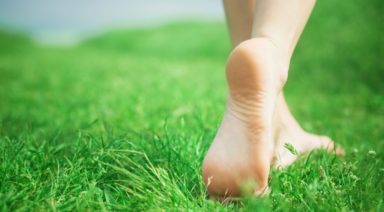
Naturopathic medicine begins by creating the conditions for health through focusing on lifestyle factors that contribute to our health and well-being. This involves cleaning up the diet and promoting healthy eating, ensuring adequate and restful sleep, managing stress, fostering healthy relationships and social support, fresh air and clean water, adequate movement, encouraging the pursuit of hobbies and passions and even supporting spiritual and moral fulfillment. Setting the foundations for optimal health is the first step in managing or preventing disease and promoting a lifetime of health and happiness.
Stimulate the Healing Power of Nature
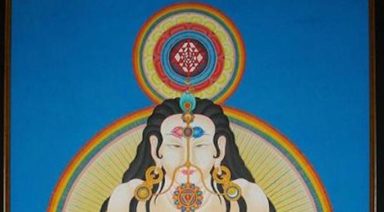
Sometimes, a long-term lack of a proper health foundation, genetic disposition, environmental factors, prolonged significant stress or long-standing, chronic disease can result in a weakening of the vital force. Before you scoff at the term, keep in mind that all medical systems, traditional or otherwise have a name for this pervasive healing force. In Ayurveda it is called prana, traditional Chinese medicine has Qi, homeopathy refers to it as wesen, monotheistic religions refer to it as God, conventional medicine or the biological sciences call it homeostasis or, perhaps, metabolism. In naturopathic medicine this healing power is called just that, The Healing Power of Nature or, in Latin, the Vis Medicatrix Naturae.
This force is stimulated in a variety of ways, but mainly by using therapies that have a gentle stimulatory, energetic effect. These therapies act to strengthen the vital force, awakening its ability to heal the body. Therapies used to stimulate the vis include acupuncture, homeopathy,hydrotherapy, prayer, visualization, journaling, meditation, mind-body medicine, yoga or Qi Gong, among others.
Strengthen Weakened Systems
This level of the Therapeutic Order is implemented when long-standing disease or lack of a solid health foundation results in a prolonged weakening of the body’s ability to heal, resulting in damage to organ systems. Conditions to be treated at this stage include hypertension, diabetes, digestive concerns, pain and fatigue, etc. Unfortunately, this is the stage at which most people seek medical attention and, although at this stage there are still a few more rungs on the Therapeutic Order’s hierarchy, this is the stage at which most people are given medications to manage symptoms, rather than being told how to support their health naturally.
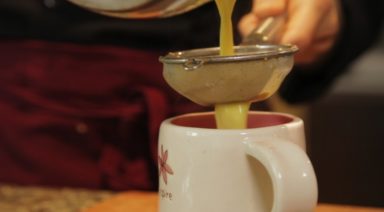
At this stage of the Order, naturopathic doctors opt for targeted therapies using some of the previously-mentioned modalities (homeopathy, acupuncture and hydrotherapy) but also implement high doses of vitamins, minerals, supplements, such as fish oil and probiotics, food prescriptions and botanicals to target the healing of specific organs or organ systems.
Correct Structural Integrity
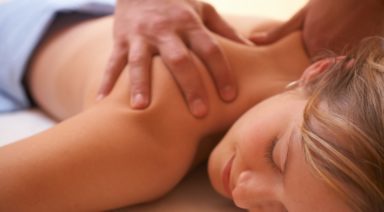
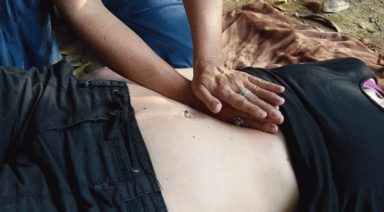
I always wonder why this step is only step 4 and why it doesn’t fall into steps 1 or 2, as it is often used by naturopathic doctors earlier on, when indicated. Correcting structural integrity has to do with encouraging proper alignment of the skeletal and muscular systems. Proper alignment is supported through the use of spinal manipulation, massage, exercise, proper posture, physical therapies, acupuncture and stretching.
The importance of proper structural integrity can’t be emphasized more, as our alignment contributes to the way we feel by affecting our circulation and nerve conduction and by keeping our organs in their proper places. Ensuring proper alignment is essential for health and well-being.
Use Natural Substances to Control Symptoms
At this stage of the Therapeutic Order, finding the root cause of disease is bypassed and symptoms are addressed directly. Symptom management is necessary in cases where:
- Symptoms are so unpleasant that immediate relief is necessary in order to move forward
- Addressing symptoms first establishes trust in the doctor-patient relationship
- The case is complicated and the root cause cannot be identified or is too complex to target immediately
- The patient is suffering from an acute condition
- There is an obstacle to cure that is difficult or impossible to remove
- The disease state is unresponsive to treatments for the top four rungs of the Therapeutic Order and the only thing left to do is palliate symptoms naturally, and so on.
Symptoms are treated with many of the same modalities as in the first four steps of the Therapeutic Order: acupuncture, hydrotherapy, botanicals, supplements, physical medicine, etc., but with the therapeutic goal of treating symptoms, not stimulating healing by treating the cause of disease.
Use Pharmaceutical Substances to Control Symptoms
Unless naturopathic doctors have prescribing rights in their regulatory district (as some naturopathic doctors in the United States and British Columbia have earned), the naturopathic scope of practice ends here. At this stage, patients are not responding to naturopathic modalities in terms of symptom management and the disease stage is so far gone that the patient will not experience success unless they resort to pharmaceutical intervention. In terms of the naturopathic scope of practice, when we recognize that a patient has reached this stage and would benefit from drug therapy, our job is to refer out.
Most of the time, the patient is co-managed and receives medical interventions while being supported naturopathically with treatments that create the foundations for health, stimulate the vital force, support organ system-healing, correct structural integrity and naturally manage symptoms.
Unfortunately, patients are often started at this stage of the Therapeutic Order from the moment their symptoms motivate them to seek medical care. Many naturopathic patients are already taking medications when they come to see us. The good news, however, is that some patients find that with proper implementation of therapies from the upper 5 steps of the Therapeutic Order, medications are no longer necessary and, with the consent of their medical doctors, can be discontinued.
Use High-Force Interventions such as Chemotherapy, Radiation and Surgery
This last stage of the Therapeutic Order is performed by medical specialists. At this stage patients have a disease that has progressed enough to warrant more invasive interventions: burning, drugging and cutting. Most of the time these interventions are given in life-or-death situations.
When a patient’s condition warrants these treatments, which do not facilitate healing but rather the removal of invasive disease, their bodies can also be supported naturopathically: by supporting the healing power of nature, supporting organ systems, managing symptoms (or side effects of interventions) naturally and, eventually, establishing a healthy lifestyle foundation that will prevent re-occurrence of the same disease process.
About the Author
Gut Bacteria May Be Controlling Your Mood, Should You Fix It?
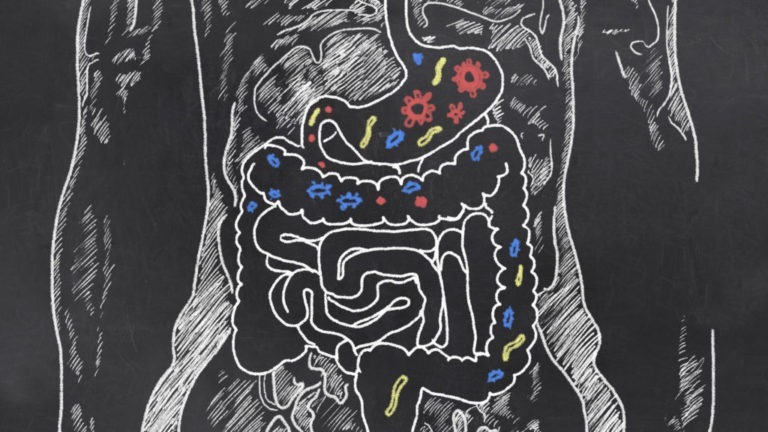
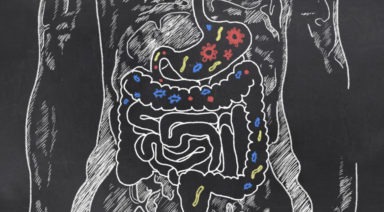
A unique force inside of us controls our bodies, emotions, and thoughts. It’s not our soul, mind, or sense of free will; it’s the microbes living in and on our bodies, outnumbering our cells by tenfold. In fact, there are 100 trillion of them, and those inside our gut have been found to influence and control our mood and behavior.
Gut Bacteria and Mood
The living culture of bacteria in our gastrointestinal tract, known as the gut microbiome or microbiota, consists of four pounds of biomass and is part of the 3 percent of our body weight that is made of microbes. While a third of that microbiome is consistent in all humans, the rest is unique to each individual.
The residual effects of our gut health can be as profound as changing the function of our brains. It turns out that the old axiom of going with your gut feeling is not just a colloquialism; it actually has some scientific basis.
Researchers have discovered the diversity of healthy gut bacteria in our microbiome often fluctuates and changes based on what we consume or the lack thereof. So, the choices we make in deciding what to put in our bodies can have a drastic effect on the makeup and health of our gut.