4 All-Natural, Homemade Facial Scrubs and Cleansers
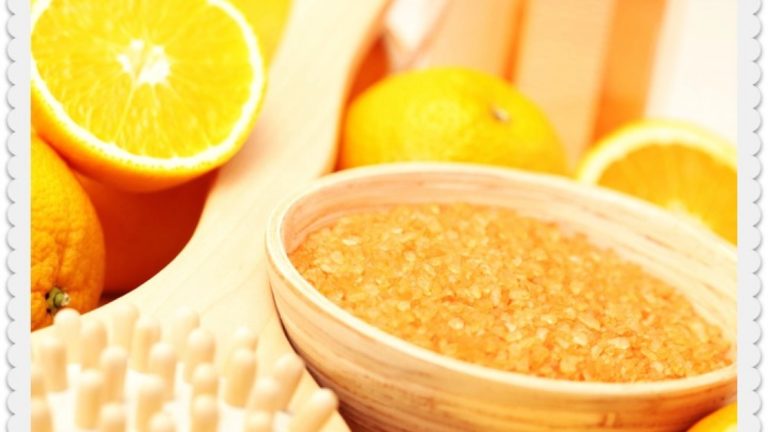
The perfect facial scrub and cleanser for our skin types are hard to come by, especially at a reasonable price. Many of these products are contain ingredients that are foreign to us: sodium lauryl sulfate, ammonium laureth sulfate, stearic acid and more. While some may know what these ingredients are, most of us feel they are rather harsh and unnecessary.
There are also ingredients that many know to avoid when using a cleanser or facial scrub. Alcohol is used in many facial products as a base ingredient to lighten the weight of thick products. However, alcohol is a harsh ingredient that breaks down the skin’s natural oils and barrier. This can leave the skin dry which can trigger an overproduction of your skin’s natural oils. You want to avoid alcohol in your facial products if it results in dry or oily skin. Secondly, Parabens are used as preservatives in most cosmetics and skin care products. Although the FDA feels the use of parabens in beauty products is not to be concerned about, many people fear that it can increase breast cancer risk since parabens mimic estrogen.
There are so many unknowns out there about our skin care products it can cause hesitation before applying to our skin. However, there are some amazing recipes that are all-natural and can be easily made from your home!
Here are some of the best all-natural, homemade facial scrub and cleanser recipes:
Cucumber Yogurt Facial Cleanser
The cucumber relaxes and soothes your skin which results in soft and cool skin. The yogurt in this cleanser acts as a better moisturizer for irritable skin while fighting acne, reducing discoloration and prevents aging. This cucumber based facial cleanser is blended in a food processor and left on your skin like a mask for 5 minutes. Rinse with warm water and moisturize.
Ingredients
- ½ cup plain yogurt
- ½ cucumber (peeled and deseeded)
- 5 mint leaves
Oatmeal Facial Scrub
The oatmeal in this facial scrub takes on many properties for your skin. Many believe oatmeal is a natural remedy to acne. Oatmeal can also soothe dry and irritated skin. Some even believe oatmeal is great for your dog’s itchy and dry skin. Mix ingredients in a bowl, apply to skin in a circular motion for 30-60 seconds. Rinse with warm water and moisturize.
Ingredients
- 1 cup oatmeal (non-instant, finely grounded)
- 1 tbsp brown sugar
- 1 tbsp of sweet almond, coconut or olive oil (add more drops if mixture is un-spreadable)
- 2 tbsp of whole or 2% milk
- 1 egg white
Lemon Juice Facial Cleanser
The lemon in this cleanser acts as a disinfectant, killing bacteria and removing dirt on your skin. The lemon juice and oatmeal also absorbs excess oils to prevent your face becoming extra oily. Also, the lemon’s citric acid can help fade dark spots to even out your skin tone. Mix ingredients in a bowl and massage into the skin for 30-60 seconds. Rinse with warm water and moisturize.
Ingredients
- ½ cup rolled oats
- ¼ cup fresh lemon juice
- ¼ cup water
- ½ tablespoon honey
Brown Sugar and Honey Facial Scrub
This scrub is easy and simple to make. The brown sugar acts as an exfoliator to help open up your pores and improve sun damage. The honey is great for acne treatment and prevention, anti-aging, creates a glow, and easily unclogs pores. Mix ingredients in a bowl and apply to skin in circular motions for 1-2 minutes. Rinse with warm water and moisturize.
Ingredients
- ½ cup honey
- ½ cup brown sugar
- 1 tbsp olive or coconut oil
- 1 drop of essential oil
About the Author

Tapping Or EFT: What It Is And How It Can Help You Emotionally
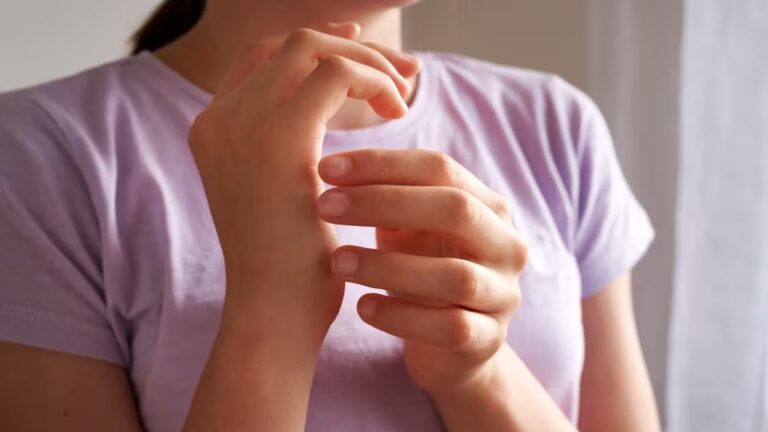
Tapping, also known as EFT (Emotional Freedom Technique), is a therapeutic tool that seeks to release emotional blocks through the stimulation of energy points on the body. This technique combines elements of psychology and acupressure to address stress, anxiety, pain, and other difficult emotions. In this article, we explore what tapping is, how it works, and how it can help you regain your emotional well-being.
Table of Contents
- What Is Tapping And How Does It Work On Your Emotions?
- How Does Tapping Work On The Body And Mind?
- Benefits Of Tapping: What This Tool Is Good For
- How To Practice A Tapping Round Step By Step
- What Does Science Say About Tapping?
- What Is The Origin Of Tapping And Who Developed It?
- How To Begin Incorporating Tapping Into Your Daily Life
What Is Tapping And How Does It Work On Your Emotions?
Tapping is an emotional self-regulation technique that consists of gently tapping with the fingers on certain points of the body linked to the meridians of traditional Chinese medicine. While stimulating these points, phrases are spoken aloud that acknowledge the emotional issue being addressed. This combination allows the release of energetic blocks associated with memories, thoughts, or sensations that cause distress.
On an emotional level, tapping helps to process difficult experiences without repressing them or becoming trapped in them. By validating what we feel while simultaneously activating specific points on the body, a sense of relief and inner safety is created. That’s why it is considered an effective tool for calming states of anxiety, stress, fear, guilt, or sadness.
How Does Tapping Work On The Body And Mind?
From a physiological perspective, tapping reduces the activation of the sympathetic nervous system, which is responsible for the fight-or-flight response to stress. By stimulating certain acupuncture points, calming signals are sent to the brain, which can lower cortisol levels and promote a state of relaxation. This allows the body to feel safer, even when facing difficult emotions or memories.
On a mental level, tapping supports the reorganization of beliefs associated with negative emotions. By repeating conscious phrases during the process, patterns of thought that often operate automatically are reprogrammed. The result is a deeper connection with what we feel, accompanied by an internal sense of relief, stability, and perspective.
Benefits Of Tapping: What This Tool Is Good For
Tapping is a versatile technique that can be used to relieve emotional, physical, and energetic discomfort. By focusing on the connection between body and emotion, it allows the release of internal blocks and the restoration of balance.
- Stress reduction: Helps calm the nervous system and relieve accumulated tension. It’s useful during times of emotional or mental overload.
- Anxiety management: Allows the identification of thoughts that fuel anxiety and the release of the associated emotional burden. Improves the sense of internal control.
- Fear processing: Facilitates facing fears and phobias with greater stability. Reduces automatic reactions to stimuli that previously triggered alarm.
- Releasing repressed emotions: Offers a safe space to recognize and express what we feel. Encourages emotional flow without judgment.
- Improving insomnia: By reducing anxiety and mental noise, it supports deeper rest. It can also be used before bed as a relaxing routine.
- Support in physical pain: Relieves bodily tension related to unexpressed emotions. Complements physical treatments from a holistic perspective.
- Support during personal processes: It’s helpful during times of change, grief, or personal growth. Aids in integrating emotions and finding inner clarity.
How To Practice A Tapping Round Step By Step
Practicing a round of tapping is simple and does not require external tools. All you need is a quiet space, your hands, and the willingness to connect with what you’re feeling. Below we share the essential steps to perform a tapping round:
- Identify and name what you’re feeling: The first step is to connect with a specific emotion, recurring thought, or physical discomfort you want to address. The more specific the identification, the more effective the practice.
- Formulate a setup phrase: This phrase should include the problem you’re feeling and a statement of acceptance. An example could be: “Even though I feel afraid of change, I deeply and completely accept myself.” Repeat this phrase while stimulating the first point.
- Stimulate the karate point: With the fingers of one hand, gently tap the outer edge of the other hand (known as the karate point). While doing this, repeat the setup phrase out loud or mentally about three times.
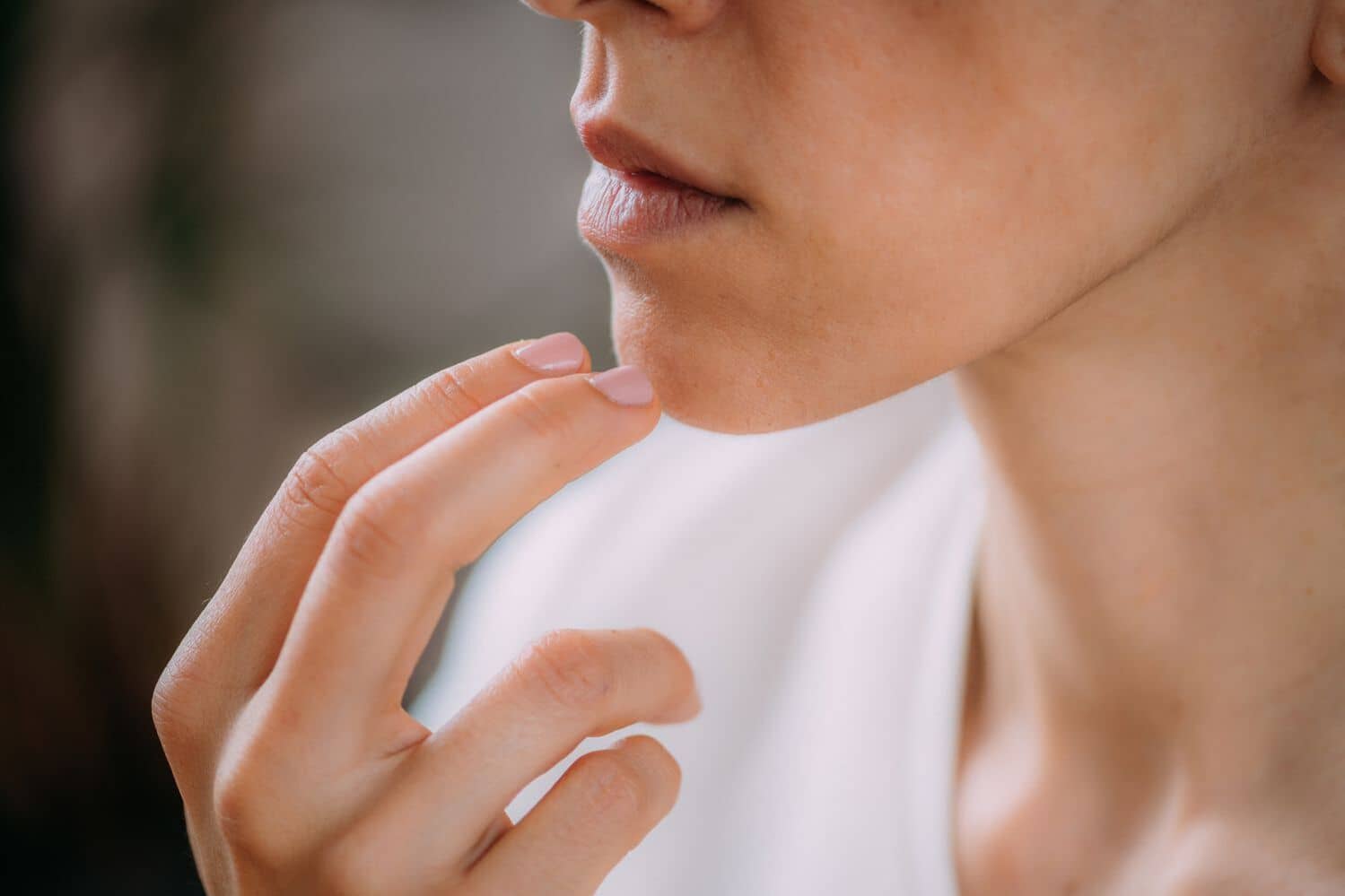
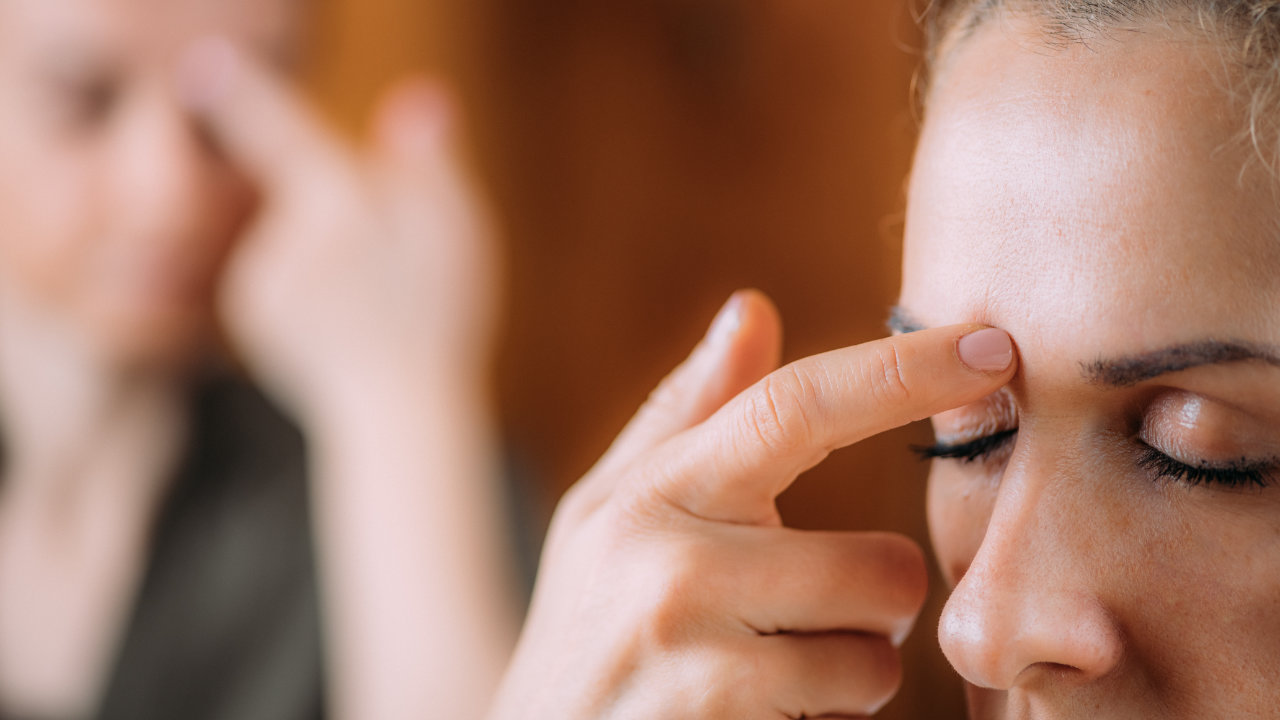
- Tap through the body points: Then proceed with the traditional tapping sequence: eyebrow, side of the eye, under the eye, under the nose, chin, collarbone, and under the arm. At each point, apply light taps while naming what you’re feeling or repeating phrases related to the issue being worked on.
- Observe and close: At the end of the round, take a deep breath and assess whether the intensity of the emotion has changed. You can repeat the process if needed or close with a positive phrase that affirms the new emotional state, such as: “Now I feel calmer and more at peace.”
What Does Science Say About Tapping?
In recent years, tapping has attracted the interest of the scientific community, especially in the fields of clinical psychology and mind-body medicine. Various studies have indicated that the practice of EFT can significantly reduce cortisol levels, the stress hormone, and improve symptoms associated with anxiety, depression, and emotional trauma.
Although it is still considered a complementary therapy, institutions such as the APA (American Psychological Association) have begun to recognize its therapeutic potential, particularly when it is integrated with other approaches. Research continues to expand, but early results suggest that tapping is not only safe, but also effective in promoting emotional well-being and reducing nervous system activation.
What Is The Origin Of Tapping And Who Developed It?
Tapping was developed in the 1990s by Gary Craig, an American engineer with training in neuro-linguistic programming (NLP). Craig was inspired by the work of psychologist Roger Callahan, who had created a technique called TFT (Thought Field Therapy) that combined acupressure and verbal therapy. By simplifying that method, Craig designed what we now know as EFT (Emotional Freedom Technique).
The foundation of tapping is found in traditional Chinese medicine, particularly in the stimulation of the body’s energy meridians. Craig proposed that by applying gentle tapping on specific points while working on a concrete emotion, it is possible to unblock stagnant energy and restore internal balance.
Since its creation, tapping has spread widely as an emotional self-regulation technique that is accessible, practical, and adaptable to different contexts. Its popularity grew due to its ease of use and the testimonials of people who report significant relief with just a few minutes of daily practice.
How To Begin Incorporating Tapping Into Your Daily Life
Including tapping in your daily routine can be as simple as taking a few minutes a day to connect with yourself. Upon waking, a brief tapping round can help you set a clear intention and release any tension that arises with the first thoughts of the day. It’s also a useful tool for recognizing how you feel before starting your activities.
During the day, you can turn to tapping in specific moments of discomfort or emotional blockage. If you’re going through a stressful situation, a short pause to apply the technique can help release emotional charge and return to center. Emotions don’t need to be intense—even subtle states like worry or irritation can be addressed effectively.
At night, tapping can help you close the day with greater calm. It’s a good time to review how you felt, give thanks for what you experienced, and let go of what you don’t need to carry into rest. The more natural this space of emotional connection becomes, the easier it will be to return to it whenever you need it.